
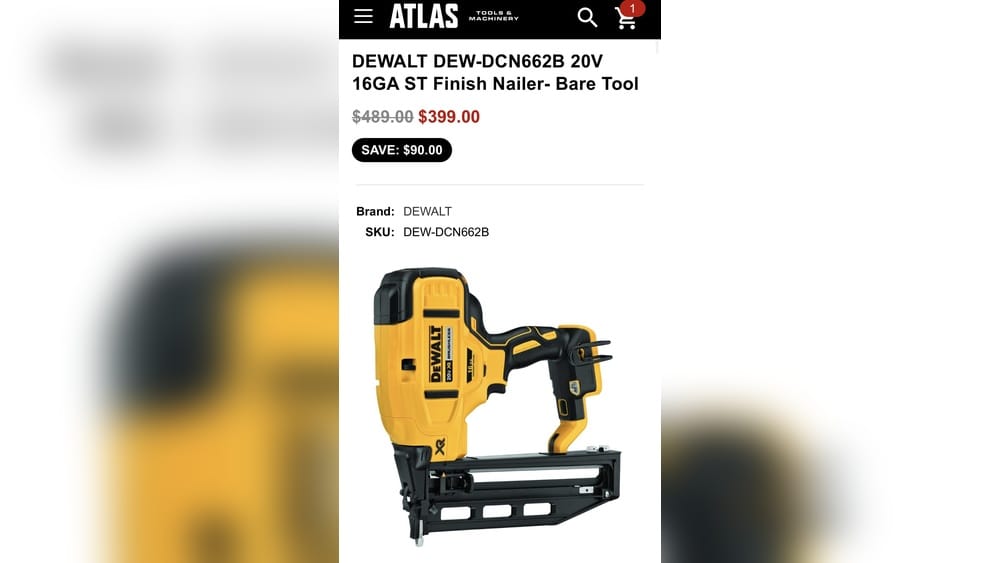
Can I Use 16Ga Nails in an 18Ga Gun? My Real Experience and What You Need to Know
I remember the first time I picked up an 18-gauge nail gun. I was working on some trim in my living room, wanting everything to look perfect. But, like many DIYers, I had a mix of nails in my toolbox—some were clearly labeled 16Ga (gauge) and others 18Ga. This led me to a big question: Can I use 16Ga nails in an 18Ga gun? If you’re reading this, you’re probably facing the same situation.
Let me walk you through what I’ve learned from my own experience, a few mistakes, and lots of research. I’ll cover everything you need to know about nail gauge compatibility, what can go wrong, and what to do if you’re ever in a pinch.
What’s The Difference Between 16ga And 18ga Nails?
When I first started, I didn’t know the difference either. But understanding nail gauge is crucial for safety and getting a good finish.
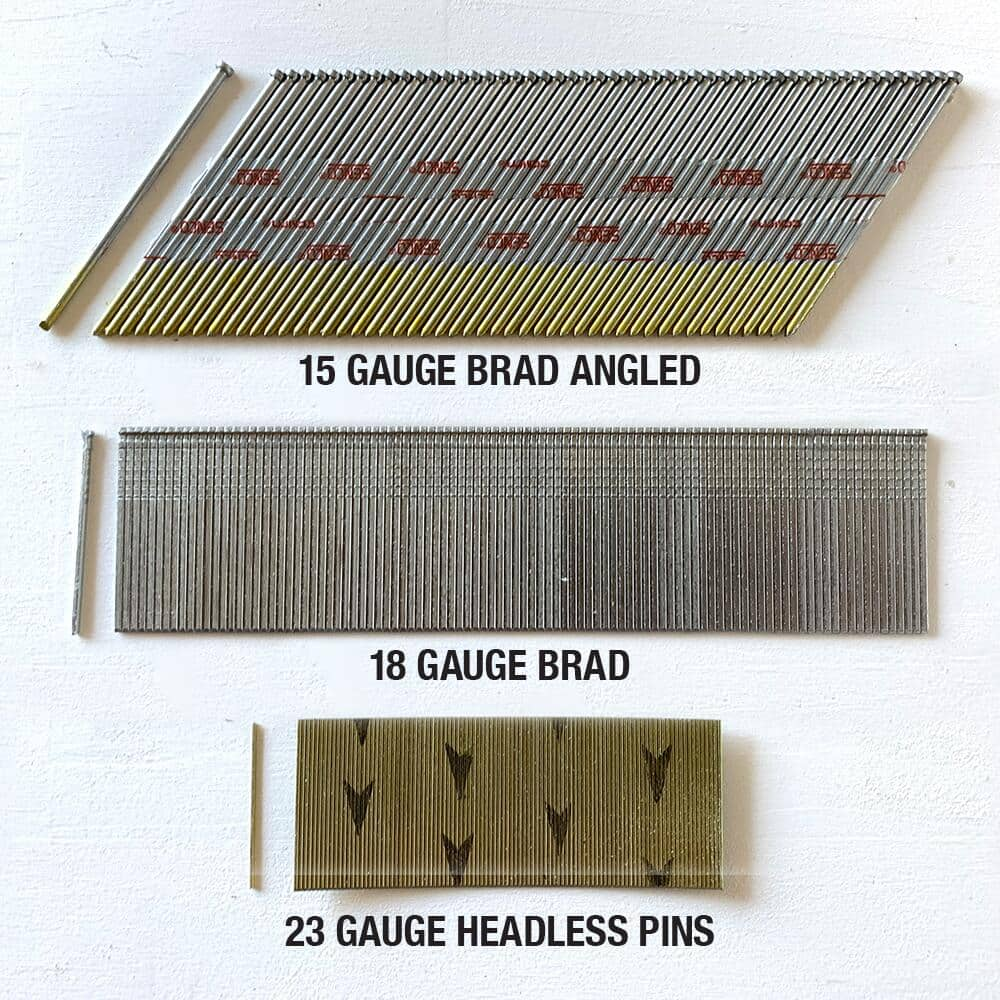
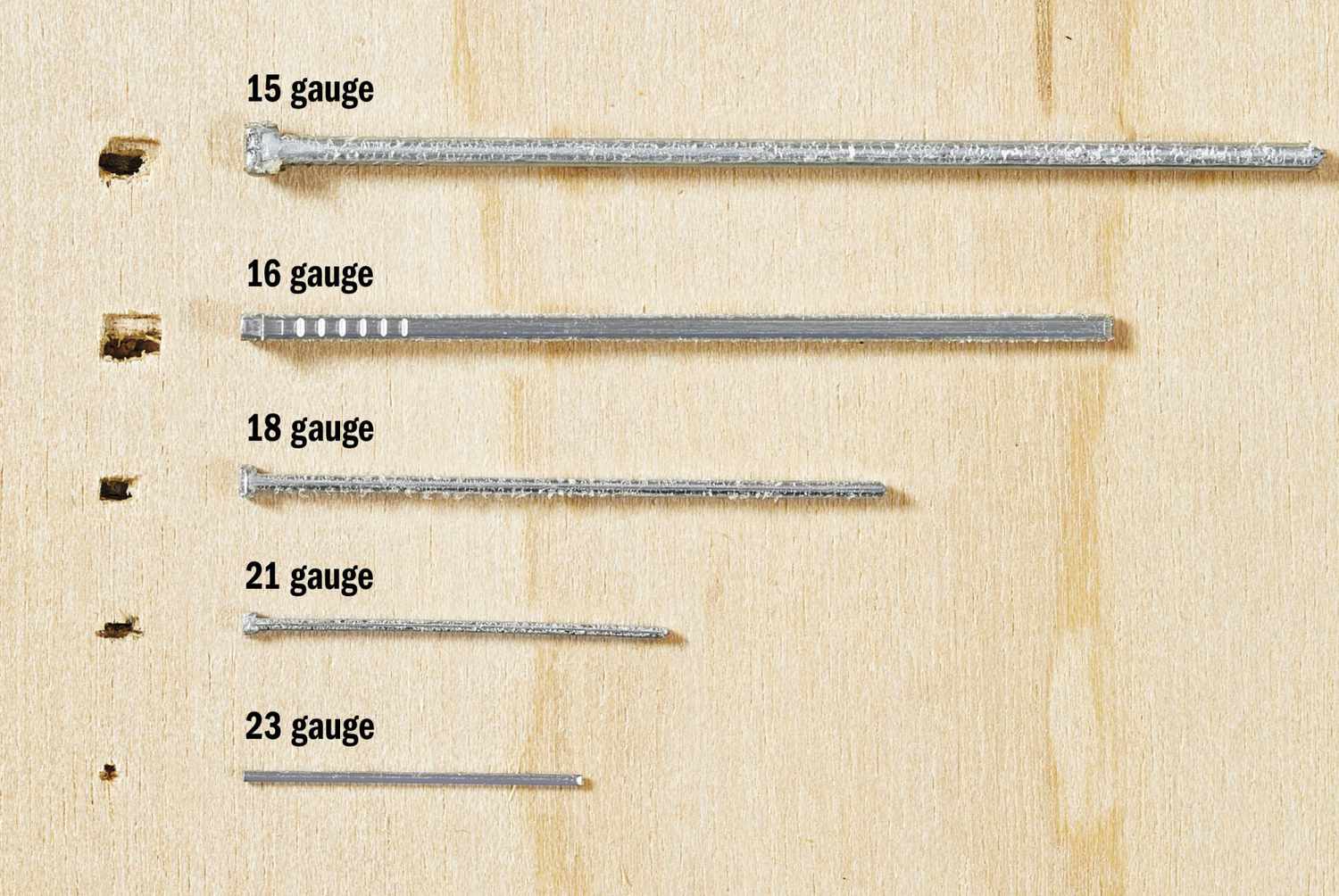
Nail gauge is simply the thickness of the nail:
- 16Ga nails are thicker and heavier.
- 18Ga nails are thinner and lighter.
The lower the number, the thicker the nail. This means a 16Ga nail is noticeably bigger than an 18Ga one. It may not sound like a huge difference, but in practice, it makes a big impact on your tools and your project.
Typical Uses
From my projects, here’s where each gauge shines:
- 16Ga nails: Best for heavy trims, baseboards, and bigger moldings. They have more holding power.
- 18Ga nails: Perfect for light trims, picture frames, and smaller moldings. They leave a smaller hole.
Why Nail Gauge Compatibility Matters
I was tempted to use whatever nails I had nearby to save a trip to the hardware store. But I quickly learned that forcing the wrong nail gauge in a nail gun can lead to trouble.
Here’s why it matters:
- Safety: Using the wrong size can jam the gun, or worse, make it misfire.
- Tool Damage: Jams and misfires can break internal parts, leading to expensive repairs.
- Project Quality: Oversized nails can split wood, and you’ll end up with ugly holes to fill.
I realized that nail guns are designed for a specific gauge for a reason. The magazine inside is built to fit only that size. So, trying to use a 16Ga nail in an 18Ga gun is like trying to fit a square peg in a round hole.
Can You Put 16ga Nails In An 18ga Gun?
I’ll be honest—no, you shouldn’t. And here’s why, based on my own mistakes.
What Happens If You Try?
One day, I accidentally loaded a few 16Ga nails into my 18Ga brad nailer. They didn’t even fit into the magazine. I had to force them in, which was my first red flag. When I tried to fire, the gun jammed immediately.
I spent the next 30 minutes taking it apart to clear the jam.
After that, the gun never worked quite right. It would misfire or jam every few shots. I ended up replacing it after just a few months, which was a costly lesson.
Why It Doesn’t Work
- Magazine size: 18Ga guns are too narrow for 16Ga nails. They simply don’t fit.
- Firing mechanism: Even if you could load them, the gun’s firing pin is made for thinner nails. It can’t drive the thicker ones.
- Safety risk: The gun can explode or break. You could get hurt.
I’ve seen some people try “hacks” to make it work. Please don’t. It’s not worth the risk.
How Nail Guns Are Designed For Each Gauge
I took a closer look at my tools after that mistake. Here’s what I noticed about how nail guns are built:
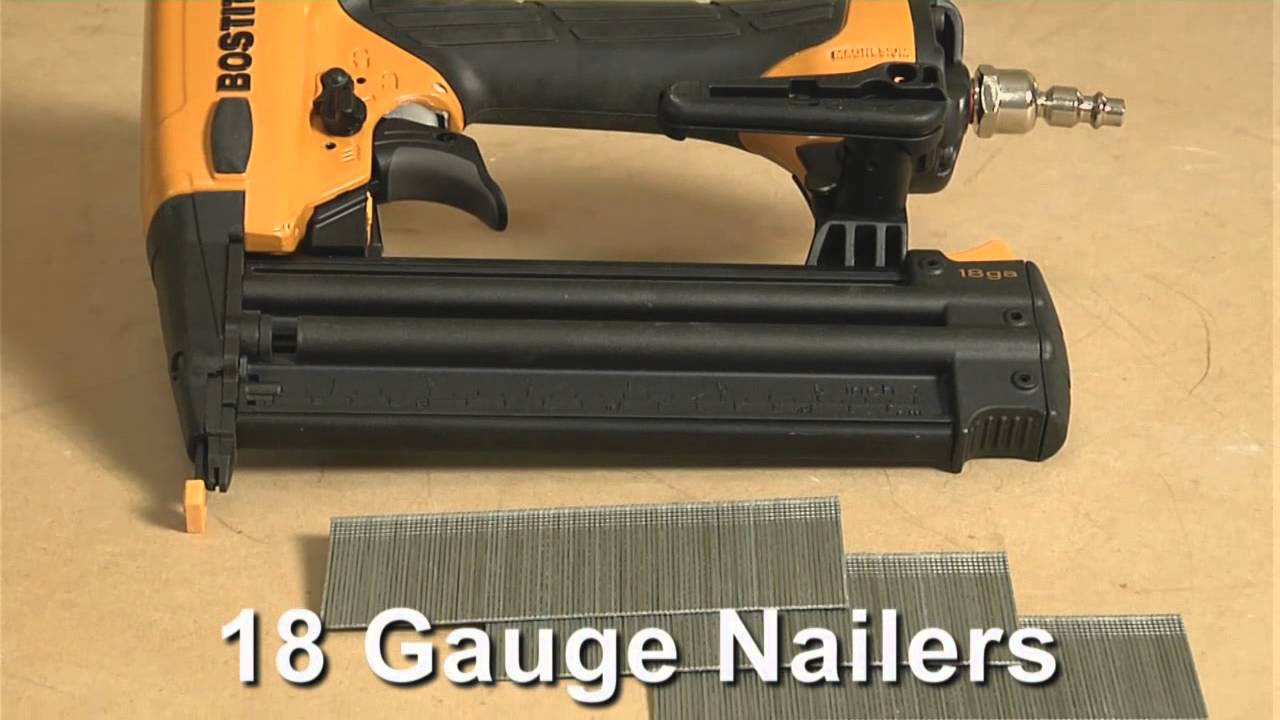
- 16Ga nailers: Larger magazine and firing pin. Built for heavy-duty jobs.
- 18Ga nailers: Slim, lightweight, made for precision.
Here’s a quick comparison so you can see the difference:
| Feature | 16Ga Nailer | 18Ga Nailer |
|---|---|---|
| Compatible Nails | 16Ga only | 18Ga only |
| Magazine Size | Wider | Narrower |
| Typical Use | Heavy trim, baseboard | Light trim, detail work |
| Finish Hole Size | Larger | Smaller |
Common Questions I Had (and Found Answers For)
When I first started, I had a lot of questions. Here are the answers I wish I’d found sooner.
Why Not Just Use The Closest Size?
Because even a tiny difference in thickness matters. The gun is tuned for a specific size, and using the wrong one throws everything off.
Can You Use 18ga Nails In A 16ga Gun?
No. 18Ga nails are too thin and will fall out of the magazine or misfire. They also won’t be held straight, so you’ll get crooked nails or jams.
What About “universal” Nailers?
Some guns are called multi-gauge or “universal.” These are rare and usually only work with two sizes (like 16Ga and 15Ga). I’ve never seen one for 16Ga and 18Ga. Always check your manual to be sure.
The Risks Of Forcing The Wrong Nails
I’ll never forget the sound my gun made when I forced in the wrong nails. It was a loud pop, then nothing. The jam was so deep, I needed pliers to pull the nail out.
Here are the risks I’ve learned about since then:
- Jam Risk: The gun clogs and stops working.
- Misfire: Nails shoot out sideways or don’t go in straight.
- Tool Damage: The firing mechanism can break. Repairs are often more expensive than the gun.
- Personal Injury: Misfires can cause nails to ricochet. Eye injuries are a real risk.
- Wood Damage: Using thicker nails on delicate trim splits the wood, ruining your project.
Real-life Example: What Happened When I Tried
I was fixing door trim, and I only had 16Ga nails left. I thought, “How bad could it be? ” I tried loading them in my 18Ga nailer. The magazine wouldn’t close. I pressed harder. Finally, it clicked in, but when I fired, the gun jammed hard.
I spent the next hour taking the gun apart, only to find the nail bent inside the firing chamber. After reassembling, it never fired smoothly again.
From then on, I always double-check the nail size before loading. Trust me, the time you save is nothing compared to the headache of a broken tool.
What Should You Do If You Only Have 16ga Nails And An 18ga Gun?
If you’re out of 18Ga nails, here’s what I suggest:
- Wait and buy the right nails. It’s tempting to improvise, but it’s not worth it.
- Borrow from a friend or neighbor. I’ve swapped nails with other DIYers more than once.
- Use a hammer and finish nails. For small jobs, old-fashioned hand nailing works. It’s slower but safe.
- Plan ahead. Keep a few extra packs of both gauges if you do lots of projects.
What If You Accidentally Use The Wrong Nails?
Mistakes happen. Here’s what to do if you accidentally load 16Ga nails in an 18Ga gun:
- Stop immediately. Don’t try to fire.
- Remove the nails gently. Don’t force them out.
- Check for jams. Clear any stuck nails.
- Test the gun. Fire a few 18Ga nails into scrap wood to see if it’s working right.
If you hear odd noises or feel resistance, stop and have the gun checked by a pro.
How To Avoid Mixing Up Nail Gauges
I used to keep all my nails in one box. Bad idea. Here’s what works better:
- Label your boxes. Use a marker to write “16Ga” or “18Ga” on each pack.
- Store separately. I now use small plastic bins for each size.
- Double-check before loading. It takes two seconds and saves hours of frustration.
Nail Gauge Comparison: What Each Is Best For
After lots of trial and error, here’s what I recommend for each gauge:
| Nail Gauge | Best For | Drawbacks |
|---|---|---|
| 16Ga | Baseboards, door frames, heavy trim | Larger holes, splits thin wood |
| 18Ga | Light trim, paneling, crafts | Less holding power for heavy pieces |
Tips For Choosing The Right Nail Gauge For Your Project
Here’s what I’ve learned after years of DIY:
- Match the gauge to the wood thickness. Use 16Ga for thick, heavy pieces. 18Ga works best for thin or delicate trim.
- Consider the finish. 18Ga leaves a smaller hole to fill, which looks cleaner on visible surfaces.
- Test on scrap wood first. If you’re unsure, fire a few nails into a leftover piece to see how they hold.
- Follow the manufacturer’s guide. Each nailer is different. The manual will tell you the right size.
- Don’t force a fit. If it doesn’t slide in easily, it’s the wrong gauge.
Non-obvious Insights Most Beginners Miss
- Nail head size matters. Even if the nail fits, the head may jam the firing pin. Always use the recommended gauge and brand if possible.
- Humidity and temperature affect wood splitting. Thicker nails (like 16Ga) can split wood more easily in dry conditions, especially with delicate moldings. I split a nice piece of oak once because I didn’t think about this.
Key Takeaways: My Honest Advice
- Don’t use 16Ga nails in an 18Ga gun. It won’t work, and you could break your tool or get hurt.
- Keep nails organized. It saves time and prevents mistakes.
- Use the right tool for the job. If you need to use thicker nails, borrow or buy a 16Ga gun.
- Plan ahead. Always have extra nails for your most-used gauge.
If you want more info on nail gun safety and compatibility, I found a helpful guide at Wikipedia.
Frequently Asked Questions
Can I Use 16ga Nails In An 18ga Gun?
No, you can’t. 16Ga nails are too thick to fit in an 18Ga nailer. Trying to load them can jam or break your gun and is dangerous.
What’s The Main Difference Between 16ga And 18ga Nails?
The main difference is thickness. 16Ga nails are thicker and stronger, good for heavy work. 18Ga nails are thinner and better for delicate trim.
What Happens If I Accidentally Fire The Wrong Gauge Nail?
If you fire a 16Ga nail in an 18Ga gun, it will likely jam or misfire. Stop using the gun, clear any jams, and check for damage before continuing.
Can I Use An 18ga Nail In A 16ga Gun?
No. 18Ga nails are too thin and will not be held properly. They may fall out or cause jams.
Is There Any Nail Gun That Takes Both 16ga And 18ga Nails?
Most nail guns are made for one gauge only. Some rare “multi-gauge” models exist, but they are not common and usually don’t cover both 16Ga and 18Ga together.
—
I hope this helps you avoid the mistakes I made. Stick with the right gauge for your gun, and your projects—and tools—will thank you. Happy building!