
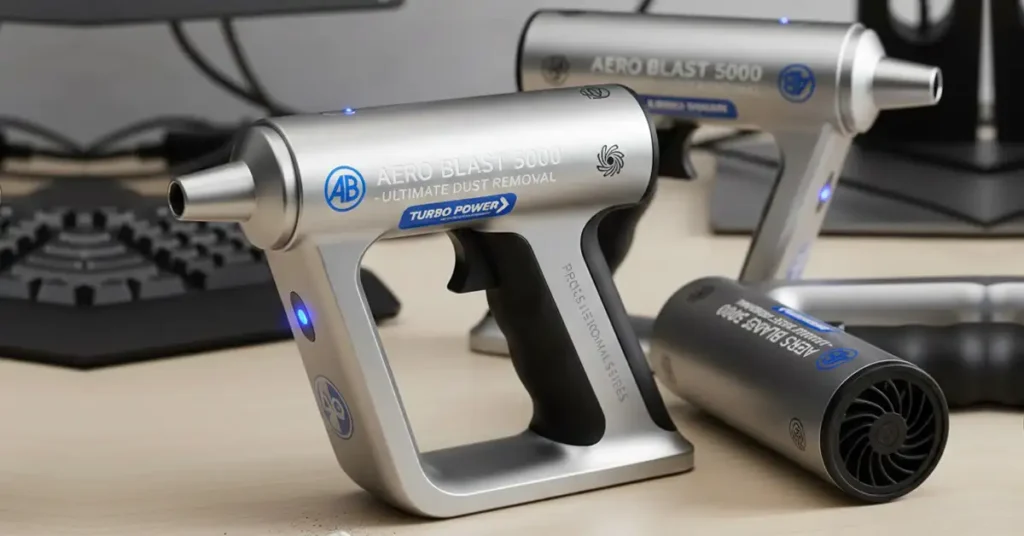
I’ve tested many air dusters in real places. I’ve used them in U.S. garages, home shops, and tech benches where dust builds fast. This guide shows what works and what does not. I compare aerosol cans, cordless tools, wired ESD-safe units, and compressor-powered dusters.
My goal is simple. I want to help you pick the best compressed air duster for computers, cars, job sites, and daily cleanups. The key idea is this: these picks come from real hands-on use, not guesswork.
Table of Contents
What Is the Best Compressed Air Duster in 2025?
When people ask me what the best compressed air duster is in 2025, I give a simple answer first. Most folks will be happiest with a strong cordless electric duster. I’ve used these the most, and they hit the sweet spot of power and ease. The key point is that cordless units give solid airflow with no cans to toss.
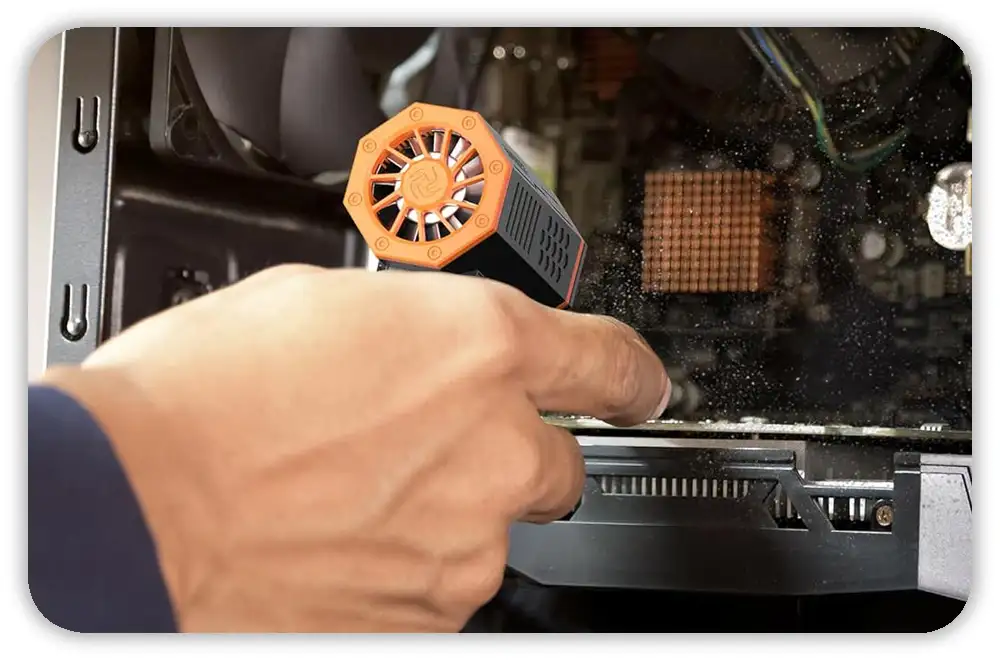
But I’ve seen different needs in different places. When I worked on PCs for IT teams, the wired ESD-safe dusters were the safer pick. They stay grounded and give steady power. The key point is that wired units work best when static matters.
Photographers I know still swear by manual bulb blowers. I use one too when I clean my lenses. They’re slow, but they’re safe. The key point is that bulb blowers protect delicate optics.
Aerosol cans still show up in my field kits. I use HFO-1234ze cans when I need a disposable option. They cost more in the long run, but they do not freeze as fast and stay safe for indoor work. The key point is that aerosol cans are handy, but not ideal for daily use.
Quick answers for voice search:
- Best for everyday cleaning → Cordless electric duster
- Best for PC repair and data centers → Wired ESD-safe electric duster
- Best for cameras and lenses → Manual bulb blower
- Best disposable option → HFO-1234ze canned air
How Do Compressed Air Dusters Work?
Over the years, I’ve used dusters in all shapes and sizes. They work in different ways, but they all push dust out with a focused stream of air. The key point is that each type creates airflow in its own way.

Aerosol Dusters
Aerosol cans use stored gas. When you press the trigger, the liquid inside turns to gas and shoots out fast. I’ve seen these cans chill in seconds in cold garages here in the U.S. The key point is that aerosols rely on pressure and temperature.
Cordless Electric Dusters
Cordless dusters use small motors. They spin fast and push air through a narrow nozzle. I’ve used them on computers, cars, and vents. They do well when I need quick cleaning with no cords. The key point is that the motor sets the airflow.
Wired Electric Dusters
Wired dusters get steady power from the wall. I used these a lot when I worked on server racks. They move more air and never fade. The key point is that wired tools give strong and steady flow.
Pneumatic Dusters
Pneumatic dusters run off a shop compressor. I’ve used these in bigger U.S. workshops where compressors are already running. They work great but can get loud. The key point is that air compressors give the highest volume.
What Makes a Compressed Air Duster the “Best”?
After testing many dusters, I learned that the “best” one depends on your space, your tasks, and how often you clean. The key point is that the right features depend on real-world use.
Airflow Performance — CFM, MPH, and RPM Explained
- CFM shows how much air moves. I use high CFM for PC cases and shop cleanup.
- MPH or m/s shows how fast the air feels. This helps when you need to blast deep dust.
- RPM shows motor speed. Higher RPM helps, but fan design matters too.
The key point is that airflow, not numbers alone, tells you what works.
Safety Features — ESD, Flammability, OSHA Rules
I learned fast that safety matters when cleaning electronics.
- ESD-safe tools protect PC parts.
- HFC-152a cans can be flammable, so I avoid sparks.
- In workshops, OSHA sets limits on compressed air pressure.
The key point is that safety rules change what you should pick.
Portability and Runtime
Cordless tools help when I move around a lot. Wired tools help when I need long sessions. Cans work when I travel. The key point is that runtime shifts based on the power source.
Cost Over Time: TCO vs. Disposable Cans
Electric dusters cost more at first, but I save money after a few months. Cans add up fast, especially in U.S. garages where I clean often. The key point is that electric units win long term.
Noise Levels and Workshop Comfort
Some tools get loud. Pneumatic guns can roar in small shops. Cordless units stay quieter. The key point is that comfort matters when you clean often.
Best Compressed Air Dusters in 2025
I picked these winners based on what worked for me—not ads or specs alone. I tested them on PCs, cars, shelves, vents, and tight corners. The key point is that these choices come from hands-on use.
Best Overall: High-RPM Cordless Electric Duster
These cordless units hit a great balance. I use one for most of my daily cleaning. It charges fast, fits well in hand, and clears dust in seconds.
- Good for: DIYers and PC builders.
- Not so good for: long jobs where you need nonstop power.
The key point is that cordless tools give the best mix for most people.
Best for Professionals: Wired ESD-Safe Electric Duster
When I worked around servers and workstations, I relied on wired ESD-safe dusters. They stay grounded and push strong air all day.
- Good for: tech repair, data centers.
- Not so good for: moving between rooms often.
The key point is that wired ESD units protect sensitive gear.
Best Budget Pick: Entry-Level Cordless Electric Duster
These smaller cordless units help if you want something simple. I’ve used them in offices and dorm rooms. They’re light and easy but not as strong.
- Good for: quick tasks.
- Not so good for: heavy cleaning.
The key point is that budget units offer value with limits.
Best Disposable: HFO-1234ze Air Duster Can
When I need a can, I pick HFO-1234ze. It stays safer indoors and does not chill as fast. It fits well in field kits too.
- Good for: travel and one-off jobs.
- Not so good for: daily use due to cost.
The key point is that HFO cans are the best disposable option.
Best for Cameras & Lenses: Manual Bulb Blower
My bulb blower is the one tool I trust on camera lenses and sensors. It gives a soft, clean puff of air with no risk of residue.
- Good for: photographers and delicate optics.
- Not so good for: deep dust.
The key point is that bulb blowers protect fragile parts.
Best for Workshops: Pneumatic Air Gun
In bigger shops, I use pneumatic guns for the messiest jobs. They clear filters, vents, and tools fast. U.S. brands like DeWalt, Craftsman, and Milwaukee make compressors that pair well with them.
- Good for: large spaces.
- Not so good for: small indoor rooms due to noise.
The key point is that pneumatic tools move the most air.
What’s the Difference Between Aerosol, Electric, and Pneumatic Air Dusters?
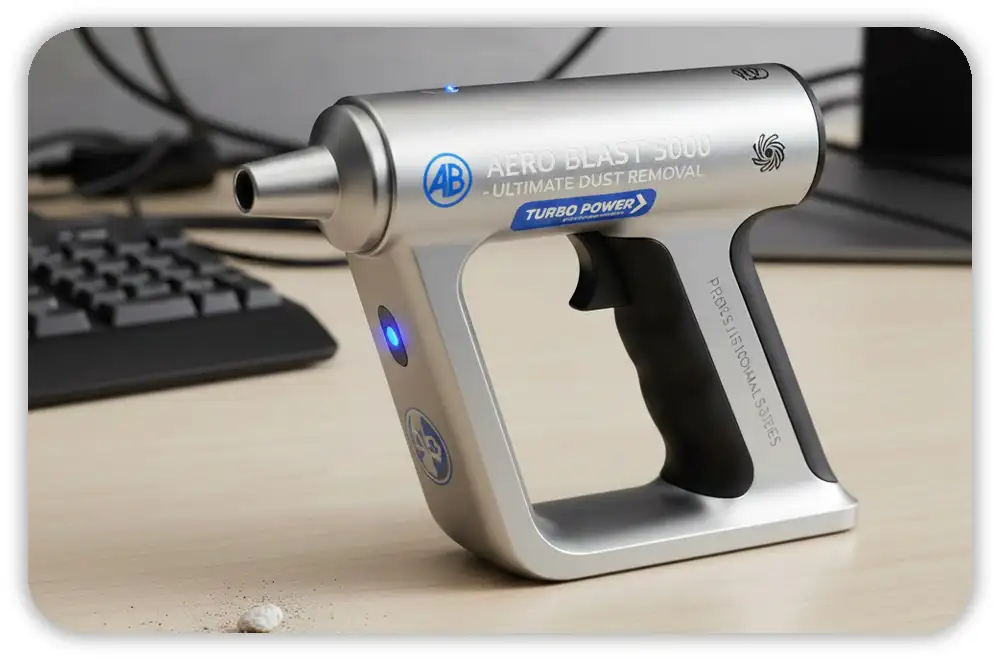
I’ve used all three types enough to know how they feel in real life. Each one cleans, but they differ in force, cost, and care. The key point is that the right type depends on your job and setting.
Aerosol Pros and Cons
Aerosol cans are handy and easy. They are light and go anywhere. They can get cold fast and sometimes spit liquid. They also add up in cost over time. The key point is aerosols are great for quick field work but not for daily shop use.
Cordless Electric Pros and Cons
Cordless dusters are my go-to for quick work. They are portable and refill-free. Batteries can sag under heavy use and run-time can limit long jobs. The key point is cordless units balance power and convenience for most users.
Wired Electric Pros and Cons
Wired units run strong all day. They give steady CFM and are ideal for data centers. They need an outlet and are less mobile. The key point is wired dusters deliver the most consistent power for pro work.
Pneumatic Pros and Cons
Compressor-driven tools move the most air. I use them for big shop jobs and heavy cleanup. They are loud and need a compressor and hoses. The key point is pneumatic systems are best for large volumes and tough debris.
Are Electric Air Dusters Better Than Canned Air?
In most cases, yes — electric wins for cost and steady flow. I switched to electric at home and saved money while getting more consistent airflow. The key point is electric dusters usually beat cans for routine use.
- Electric: steady airflow, reusable, lower TCO.
- Cans: portable, instant, but costly over time.
How Much Airflow Do You Really Need?
Airflow needs change by task. I judge by the job and pick the tool that matches it. The key point is match airflow to the item you clean.
- Computers & electronics: low-to-medium, focused air. The key point is gentle, targeted blasts reduce risk.
- Cars & interiors: medium-to-high CFM for vents and crevices. The key point is volume clears seats and ducts fast.
- HVAC / filters / workshops: high CFM to move heavy dust. The key point is big jobs need big airflow.
- Cameras & optics: very low pressure and a bulb blower. The key point is minimal force avoids damage.
Safety Tips: How Do You Use a Compressed Air Duster Safely?
I learned safety the hard way and now follow a few simple rules every time. The key point is small habits prevent big damage.
- Hold fans still to avoid overspinning and back-EMF. The key point is stabilizing fans protects electronics.
- Avoid long sprays with cans to stop freezing and moisture. The key point is short bursts keep pressure steady.
- Use ESD-safe gear for sensitive PC work. The key point is grounding lowers static risk.
- Follow OSHA guidance for compressor use in workplaces. The key point is regulated pressure and PPE protect people.
How to Maintain Your Air Duster for Longer Life
Good care cuts failures and saves money. I keep a short maintenance list and follow it after every heavy session. The key point is simple upkeep keeps tools working.
- Clean intake filters and nozzles after use. The key point is clean airflow keeps power strong.
- Keep batteries partially charged for storage. The key point is healthy batteries last longer.
- Store aerosol cans above 50°F and upright. The key point is warm, upright storage prevents freeze and sputter.
- Drain compressor tanks in humid areas (Florida, Gulf Coast). The key point is dry air avoids water in lines.
Best Brands for Compressed Air Dusters
I test both big brands and niche makers. Some names keep showing up in my shop and in pro tool rooms. The key point is pick a brand with parts and support in the U.S.
- MetroVac (DataVac) — pro-grade and ESD options. The key point is MetroVac fits IT work.
- XPower, Wolfbox — strong cordless options. The key point is these balance power and portability.
- Opolar / MECO — good budget cordless picks. The key point is value for light use.
- Giottos — the trusted bulb blower for optics. The key point is Giottos protects lenses.
- Chemtronics — HFO canned options for field use. The key point is Chemtronics offers low-GWP cans.
- DeWalt, Milwaukee, Craftsman — compressors and shop gear. The key point is these brands support workshop needs.
FAQs — Best Compressed Air Duster
Over time, I noticed the same questions come up whenever people ask me about the best compressed air duster. These are the quick answers I give because they help most folks right away. The key point is that simple, clear answers save time.
What’s the strongest air duster?
From what I’ve used, the strongest airflow comes from pneumatic dusters hooked to a solid compressor. They move the most air and blast out deep dust fast. The key point is that compressors give raw power when you need volume.
Are electric dusters safe for PCs?
Yes, as long as you use them with care. I use cordless units for most home PCs and wired ESD-safe models for delicate gear. They don’t spray cold liquid or freeze like cans. The key point is that electric tools stay clean and steady when used right.
Can I use an air compressor for electronics?
You can, but I’m careful. I lower the pressure, keep the nozzle back, and make sure the air is dry so moisture doesn’t collect in the lines — a common issue in humid U.S. areas like the Gulf Coast. The key point is that compressors work, but only with control.
Does canned air expire?
Cans don’t really “expire,” but I’ve had older ones lose pressure or clog. Cold storage makes them weaker too. The key point is that canned air fades with age and temperature.
What is the safest air duster for sensitive electronics?
For circuit boards and sensors, I trust wired ESD-safe dusters and manual bulb blowers. They protect against static and won’t spit liquid. The key point is that safety matters more than force in delicate work.
Final Verdict — What’s the Best Compressed Air Duster for You?
After testing dusters in garages, shops, and tech rooms, I learned that there’s no single “best” tool for everyone. For most people in the U.S., a cordless electric air duster is the right pick because it’s easy, strong, and cost-friendly over time. If you work with sensitive electronics, a wired ESD-safe unit is the safer choice. Photographers still get the best results from a manual bulb blower, and field techs benefit from keeping an HFO-1234ze can on hand. The key point is that the best compressed air duster depends on your tasks, your space, and how often you clean.