
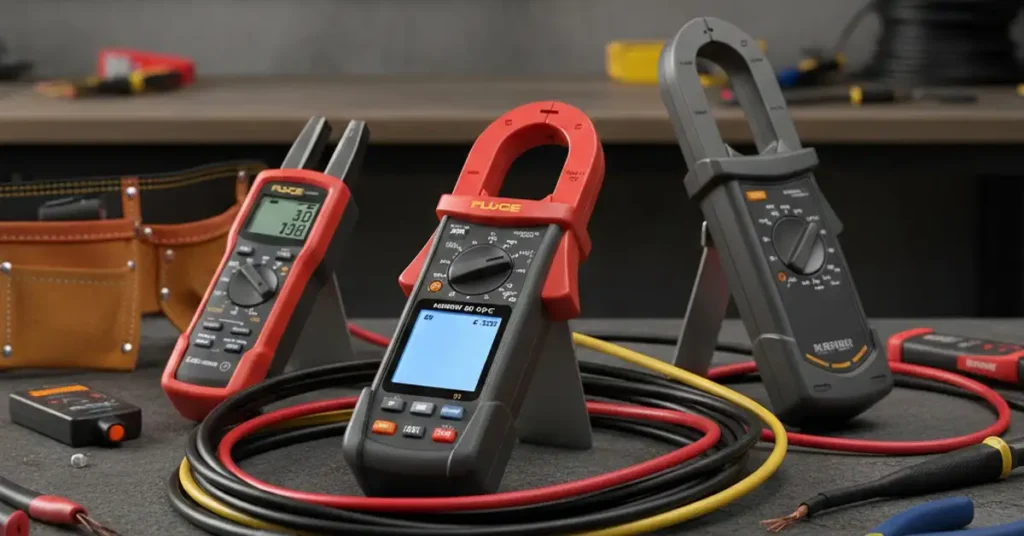
When I first started working in U.S. garages and panel rooms, I learned a simple truth fast. The best clamp meter for electricians is the one that stays accurate, safe, and tough when the job gets messy. I’ve used many meters over the years. I’ve worked in tight breaker panels in old homes. I’ve worked in loud shops where gear takes a hit each day. Each job taught me what matters most.
This guide shares what I learned from real work. It shows which clamp meters stand out and why. It also shows which features help the most and how to pick the right tool for the jobs you face each day. The key point is clear. The best meter is the one that keeps you safe and gives clean, steady readings when it counts.
Table of Contents
What Makes a Clamp Meter “The Best” for Electricians?
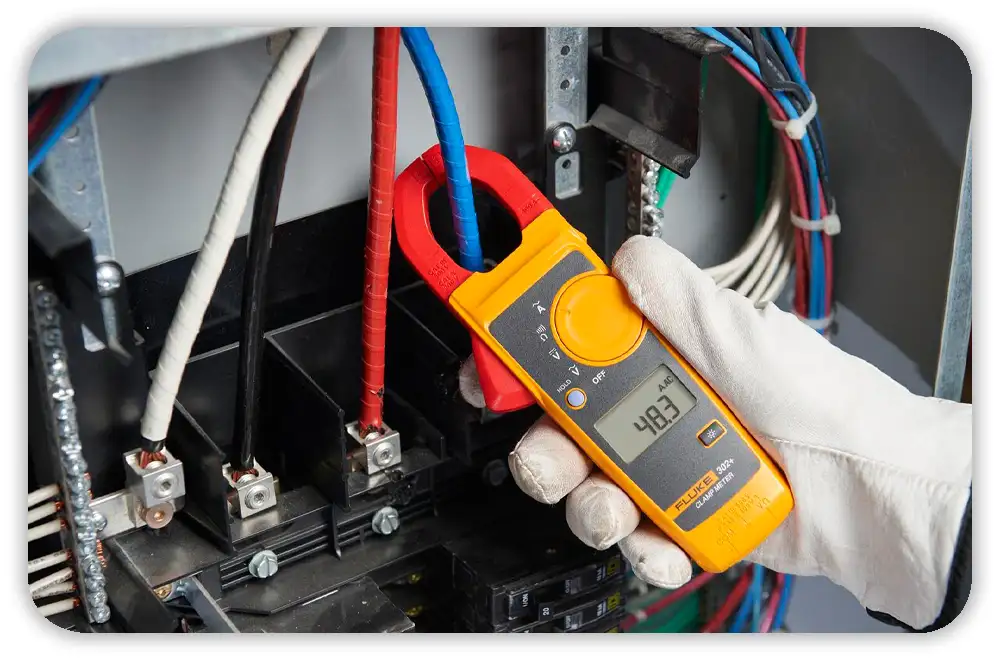
When I look for the best clamp meter for electricians, I think back to the jobs that pushed my tools the most. Some days I was in a hot attic. Other days I was in a cold garage with dust blowing in through open doors. I learned one thing fast. The best meter is the one that stays safe, stays accurate, and keeps working when the day gets rough. The key point is simple. The right meter must handle real sites, not clean lab tests.
Why True-RMS Matters for Modern U.S. Electrical Systems
I still recall the first time I checked a new HVAC unit with a cheap meter. The load looked fine at first. But when I grabbed my True-RMS meter, the numbers jumped. The unit had a VFD, and the wave was not clean at all. True-RMS saved me from a bad call. The key point is that True-RMS cuts big errors on today’s non-linear loads.
What CAT Ratings Should Electricians Use? (CAT II vs CAT III vs CAT IV)
CAT ratings once confused me. But once I worked on more panels, it all made sense. A home panel needs at least CAT III 600V. A busy shop often needs CAT III 1000V. And when I worked near a service point, CAT IV was the only safe pick. OSHA and NFPA guides match this. The key point is that your CAT rating must match the part of the system you touch.
Accuracy, Resolution, and Responsiveness
Over time, I saw a clear trend. A meter with tight accuracy makes my day easier. A ±1.0% meter gives me readings I trust when I track a motor issue. A fast refresh rate also helps when a load jumps on and off. The key point is that clean, stable numbers help you fix things fast.
Build Quality and Field Durability (U.S. Job Site Conditions)
Most of my days are not soft at all. I drop tools. I sweat through gloves. I work in old basements, dusty shops, and hot sheds. A good clamp meter must take all that. I like meters with a strong shell, tight jaws, and an over-mold grip that does not slip. In places like Florida, heat and wet air can make tools slick. Out West, dust gets in fast. The key point is that a tough meter saves you time and stress on rough sites.
What Types of Clamp Meters Do Electricians Use Today?
Through the years, I learned that not each clamp meter fits each job. I used simple CT meters in small homes, Hall-effect meters on EV gear, and soft coils in large panels. Each type does its part well when matched right. The key point is that the right type makes each test smooth.
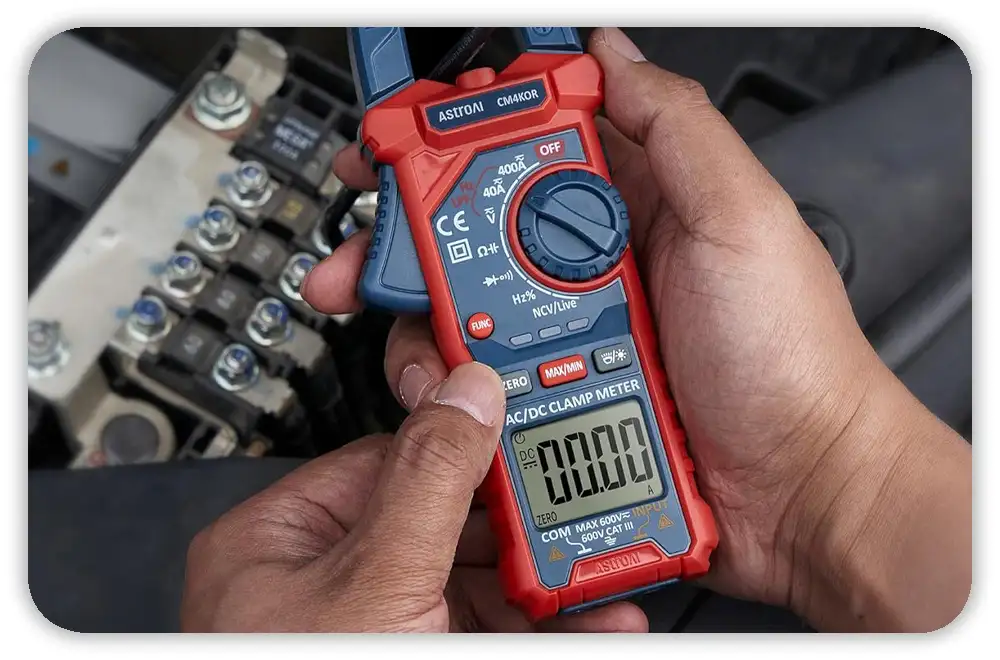
AC-Only CT Clamp Meters (Simple and Tough)
CT meters were the first style I used. They read AC only, but they are tough and great for small jobs. They stay simple, and some days simple is all you need. The key point is that CT meters shine when you only need AC.
AC/DC Hall-Effect Clamp Meters (Most Electricians Use These)
Once I worked on solar lines, EV gear, and battery banks, I moved to Hall-effect meters. They read AC and DC with ease. I use them on HVAC flame lines too. The key point is that Hall-effect meters cover most of the work an electrician sees today.
Flexible Rogowski Coils for Industrial Work
Some days I open a panel and see no room at all. That is when a soft coil saves the job. I can wrap it around big feeders or push it through tight spots. Many large sites use these with Fluke iFlex probes. The key point is that soft coils help when space is tight or wires are huge.
What Features Should Electricians Look For in a Clamp Meter?
When I pick a clamp meter, I think back to the issues I fixed in past jobs. Some meters helped. Some held me back. Features like inrush, LoZ, and LPF saved me from guesswork many times. The key point is that the right features make your day smooth and safe.
Inrush Current (Why It Matters for Motors, Compressors, Tools)
I have seen breakers trip on cold days when a compressor kicks on. Inrush mode showed the real spike. Without that number, I would have missed the root cause. The key point is that inrush shows why tools strain at start-up.
LoZ (Low Impedance) Mode for Ghost Voltage
Long runs of Romex or metal pipe can pick up stray volts. I once chased a “live” line that was not live at all. LoZ mode solved the guesswork in one tap. The key point is that LoZ kills ghost volts and shows the true read.
LPF (Low-Pass Filter) for VFD Drives
VFD motors can send out noise. I have seen meters jump all over when I test them. LPF calms the noise and gives me clean numbers. The key point is that LPF helps you read motors that run on VFDs.
Micro-Amp Range for HVAC Flame Sensors
I use micro-amps a lot in cold months. Flame sensors need a clean small read to prove the flame. Without a micro-amp range, you work blind. Klein and Fluke both do well here. The key point is that micro-amp range is a must for HVAC jobs.
Wireless Connectivity and Logging (Fluke Connect / App Support)
Some panels make me tense due to arc-flash risk. A wireless link lets me stand back. It also helps when I want a log of a load through the day. The key point is that wireless logs add safety and proof of work.
Best Clamp Meters for Electricians in 2025 (Ranked by Use Case)
Over the years, I learned that one clamp meter can’t be the “best” for all. A home tech needs one set of tools. A solar tech needs another. A plant tech needs a third. These picks come from real hands-on use, not ads in a store. The key point is that the best meter depends on where and how you work.
Best Overall for Pro Electricians — Fluke 376 FC
When I think about the clamp meters that helped me most on hard days, the Fluke 376 FC comes up fast. I’ve used it on hot service panels, tight breaker boxes, and loud shops. It never gave me numbers I did not trust. The 1000A AC/DC range and the iFlex coil make it easy to reach odd spots or thick feeders. This comes up a lot in U.S. homes and shop gear. Inrush and LPF also saved me more than once when I checked motors with rough starts. The CAT IV / CAT III 1000V rating gives me peace when I stand near a live point. The key point is that the 376 FC blends strength, safety, and clean reads better than any meter I have used.
Best Budget Pick for Electricians — Klein Tools CL800 or CL380
When I worked small jobs or needed a backup tool, the Klein CL800 and CL380 stood out. They cost less but still give solid True-RMS reads and a wide list of tests. I’ve used them for volts, continuity, caps, and temp checks with no issues. The 400A AC/DC range is enough for most home and small shop tasks in the U.S. I used the micro-amp mode in winter for furnace checks, and it always picked up the flame sensor clean and clear. The key point is that the CL800 and CL380 give strong value without cutting the features techs need each day.
Best for Tough Job Sites — Milwaukee 2237-20
Some sites feel rough the minute you walk in. Dust. Heat. Cold. Tight gear. I used the Milwaukee 2237-20 on days like this. The jaws are slim, which helped a lot when I worked in tight breaker boxes on remodels. The LED light saved me more times than I can count, mainly in old rooms with weak light. The 600A AC/DC range covered every load I checked on site. And the 5-year warranty held up well with what I saw in U.S. jobs. It does not list Inrush or LPF, and that is worth a note. The key point is that the 2237-20 fits the harsh, daily grind of site work better than most meters in its class.
Best for Industrial Panels & VFD Motors — Fluke 87V + i410 Clamp
When I worked in plants, I carried the Fluke 87V with the i410 clamp more than any other setup. These sites can be hot, loud, and full of noise on the line. The 87V handled it all without drift or jump. VFD motors often confuse cheap meters, but the 87V kept things smooth and steady. The i410 clamp worked well on large feeders and held its accuracy even near big gear or large transformers. The key point is that this combo is the gold pick when you read motors and circuits under harsh EMI and plant noise.
Best for Solar & High-Volt DC — Fluke 393 FC
Solar work gave me a new set of rules. The volts run high. The wires sit tight. The gear stays in heat all day. The Fluke 393 FC is the clamp meter I trust most for this. The CAT III 1500V DC rating fits modern U.S. solar work, and the slim jaw helps in packed combiner boxes. The dust and water seal held up well when I worked in dry, hot states. It feels made for solar, not patched for it. The key point is that the 393 FC stands out when you face high-volt DC and tight solar panels.
How Do You Choose the Right Clamp Meter for Your Work Level?
When I choose a clamp meter, I look at the site I’ll work on that day. I’ve had jobs in small homes, loud shops, cold roofs, and warm attics. Each place needs a different tool. The right pick depends on the panels, the loads, and the risks in front of you. The key point is that the best clamp meter is the one matched to the work you do most.
Residential and Light Commercial Electricians
When I worked in homes and small shops, I used meters with CAT III 600V ratings. These areas rarely need huge amps, so a 400–600A range was enough. True-RMS helped on LED lights and mixed loads. LoZ saved me time on long Romex runs by killing ghost volts. The key point is that home and light shop work needs safe basics, not big gear.
Commercial Maintenance and HVAC Pros
Commercial sites pushed me to use meters with inrush mode, temp tools, and micro-amp range. HVAC work needs clean micro-amp reads for flame checks. VFD motors in shops or roof units need LPF to calm noise. These tools helped me spot issues fast. The key point is that HVAC and shop tasks need a meter built for motors and sensors.
Industrial and Utility Electricians
Industrial plants taught me to respect CAT IV ratings. High power, large feeders, and arc-flash zones need safe tools. The 1000A+ range is not extra—it’s required. A wireless screen also helped me stand at a safe distance. The key point is that plant and utility work needs top safety and high amp range.
Solar, EV, and Battery System Electricians
Solar and EV jobs pushed me into higher DC ranges. I used meters with CAT III 1500V DC ratings. Hall-effect sensors gave me clean DC amps. DC zeroing stopped drift on hot roofs. The key point is that solar and EV tasks need DC safety and solid DC accuracy.
How Do Electricians Test Safely with a Clamp Meter?
Safety got real for me the first time I saw a panel spark. Since then, I never rush tests. Matching CAT ratings, zeroing DC lines, and checking my dial before each test saved me more than once. These habits look small, but they matter. The key point is that simple, safe steps prevent real risks on U.S. job sites.
PPE and OSHA-Backed Practices
I never skip gloves, glasses, or arc-rated gear. In southern states, sweat made my hands slick, so dry gloves were key. In dry western states, static popped me until I grounded myself. Small steps make a big difference. The key point is that good PPE fits the climate and protects you before you even start.
The Single-Conductor Rule
When I was new, I clamped both wires once and got zero amps. That mistake taught me fast. You must clamp one wire to get a real load. The key point is that one wire in the jaw gives the true reading every time.
DC Zeroing for Solar and EV Work
Heat and long runs can cause drift on DC tests. Zeroing the meter before each check stopped that. It helped me catch small issues in solar boxes and EV chargers. The key point is that DC zeroing gives steady and honest numbers.
Common Mistakes Electricians Still Make
I’ve made these mistakes too. Testing volts in amps mode. Forgetting LoZ and chasing ghost volts. Using an AC-only meter on DC lines. Each one costs time and adds risk. The key point is that slowing down and checking your dial avoids most errors.
Clamp Meter Comparison Table
When I’m in the field, I like to see specs fast. A clean table saves time and keeps choices clear. This snapshot helps you compare amps, safety, and features without digging through long sheets. The key point is that a clear table helps you pick the right meter fast.
FAQs — Best Clamp Meter for Electricians
Over the years, I’ve heard the same clamp meter questions from new techs and seasoned pros. These short notes clear up the most common points. The key point is that quick, simple answers make the buying process easy.
What clamp meter do most electricians use today?
Most use a True-RMS AC/DC clamp meter with a 600–1000A range.
Do electricians need True-RMS meters?
Yes. Modern loads like LEDs, VFDs, and compressors need True-RMS for clean numbers.
What clamp meter is best for HVAC?
A meter with inrush, temp tools, and micro-amps works best.
Can one clamp meter read both AC and DC?
Yes. Hall-effect meters read AC and DC with good accuracy.
What CAT rating should electricians use?
Homes need CAT III 600V. Shops need CAT III 1000V. Service points need CAT IV.
Is Fluke worth the higher price?
If you work daily and need top safety and accuracy, yes. Fluke lasts long and stays steady.
Final Verdict — Which Clamp Meter Is Best for Electricians?
After years of hands-on work, my top pick stays the same. The Fluke 376 FC gives the best mix of safety, accuracy, and power for most electricians. The Klein CL800 or CL380 is great if you want strong value with key tools. For solar techs, the Fluke 393 FC stands alone. The key point is that the right meter depends on the hardest job you face each day.