
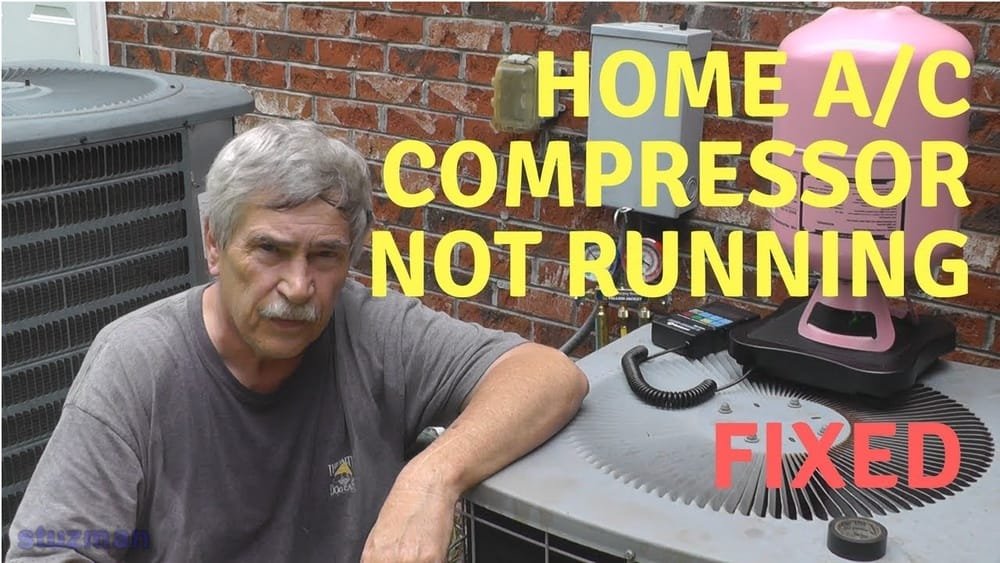
If you’ve ever walked into your home on a hot day, expecting a cool breeze, and instead found warm, still air—believe me, I know how frustrating that feels. I’ve been there too. My air conditioner seemed fine one day, then suddenly the compressor just stopped turning on. I remember standing in front of my unit, sweating and confused, wondering what could be wrong. I want to share everything I learned about why an air conditioner compressor won’t start, how I fixed mine, and what you can try before calling for help.
What Is An Air Conditioner Compressor?
Let me explain what the compressor does in simple words. Think of it as the heart of your air conditioner. It pumps the refrigerant through the system, helping to cool your air. If the compressor doesn’t turn on, your AC will blow warm air, or sometimes, no air at all. The fan may still work, and you might hear some noises, but the main cooling part isn’t running. That’s why it’s so important.
How I Noticed My Compressor Wasn’t Turning On
I first noticed something was wrong when my house didn’t cool down, even though the AC was on for hours. I checked the thermostat. I listened for the usual deep hum from outside, but it was silent. Only the inside blower was running.
I went outside to check the outdoor unit—no noise, no vibration. That’s when I realized the compressor wasn’t working.
Common Reasons Why The Compressor Won’t Start
Through my experience and many hours of research (and calls with technicians), I found there are a few main reasons why the AC compressor might not turn on. Here are the most likely causes, explained in a way that’s easy to check and understand.
1. Power Problems
This is often the simplest place to start. Sometimes, a blown fuse or tripped breaker can cut power to your AC’s outside unit.
- Circuit breaker: I opened my breaker box and found the AC breaker had tripped. I turned it off and back on. This fixed it once for me.
- Disconnect box: Outside, near the AC unit, there’s usually a gray box. Make sure the disconnect switch is set to “on.”
- Loose wires: Sometimes, wires can get loose from vibration or weather. If you’re comfortable, you can open the panel and look, but always turn off the power first.
2. Thermostat Issues
Sometimes it’s not the compressor—it’s the thermostat.
- Wrong settings: One time, I accidentally set my thermostat to “fan” instead of “cool.” The compressor never got the signal to turn on.
- Dead batteries: If you have a battery-powered thermostat, low batteries can cause problems.
- Faulty thermostat: I once replaced my old thermostat, and suddenly, everything started working. Thermostats can fail after a few years.
3. Capacitor Failure
The capacitor is like a battery that helps start the compressor. If the capacitor fails, the compressor will not start, even though the rest of the system seems fine.
- No hum, no start: When my capacitor failed, the outdoor unit was silent.
- Swollen top: I opened my unit (after turning off the power) and saw the top of the capacitor was bulging. That’s a clear sign.
- Safe testing: You need a multimeter to test a capacitor, but if you’re not sure, it’s best to call a pro.
4. Contactor Problems
The contactor acts like a switch, sending power to the compressor. If it’s stuck or burned out, the compressor won’t get electricity.
- Visual check: I saw black marks and pitting on my contactor. It was clearly worn out.
- Clicking sound: Sometimes, you hear a click but nothing happens. That’s often a bad contactor.
5. Overheating
Compressors have safety switches. If the unit gets too hot, the compressor can shut down to protect itself.
- Dirty coils: When my outdoor coils were covered in dirt, my compressor overheated and shut off.
- Blocked airflow: If plants or objects are too close to the unit, it can’t release heat. I cleared space and the unit worked better.
6. Low Refrigerant
If your system is low on refrigerant (the gas that cools the air), the compressor may not start or may quickly shut down.
- Icing up: I saw ice on the pipes outside. That’s a sign of low refrigerant.
- Hissing noise: Sometimes, you’ll hear a leak. This means you need a pro to check for leaks and refill the system.
7. Faulty Start Relay
Some compressors have a start relay that helps them kick in. If this fails, the compressor won’t run.
- No start-up noise: If you hear nothing when the system tries to start, it could be the relay.
8. Locked Or Burned-out Compressor
Sadly, sometimes the compressor itself fails. This is usually the most expensive fix.
- Loud humming, no start: My old compressor made a loud hum but didn’t start.
- Breaker trips: Every time I tried to run the AC, the breaker tripped. A technician told me the compressor was “locked up.”
- Replacement needed: In this case, you’ll likely need a new compressor or a new AC unit.
What I Tried Before Calling For Help
Let me walk you through what I did before I called a technician. Many times, you can fix the problem yourself and save money.
Step 1: Check The Power
I checked the main electrical panel and the outside disconnect. Sometimes, after a storm, breakers can trip. I always turn off the power before touching anything.
Step 2: Thermostat Settings
I double-checked that my thermostat was set to “cool” and the temperature was lower than the room temperature. I replaced the batteries just in case.
Step 3: Clean The Outdoor Unit
I used a garden hose (with the power off) to gently spray away dirt and leaves from the outdoor coils. I trimmed back any bushes or grass around the unit.
Step 4: Inspect The Capacitor
With the power off, I opened the AC’s electrical panel. The capacitor looked swollen. I took a photo, bought a matching one at the hardware store, and replaced it. This fixed my problem once.
Step 5: Listen For Noises
I listened closely. If the fan runs but the compressor doesn’t, it’s often the capacitor or contactor. If nothing runs, it’s usually a power or thermostat problem.
Step 6: Watch For Ice
If you see ice, turn off the AC and let it thaw. Running the AC with ice can damage the compressor. If ice returns quickly, you probably need a pro to check for leaks.
Data: Most Common Causes Of Compressor Failure
Here’s a simple table showing what I learned from talking with technicians and reading HVAC forums.
| Cause | Percent of Cases |
|---|---|
| Capacitor failure | 40% |
| Contactor issues | 20% |
| Thermostat problems | 15% |
| Power issues | 10% |
| Low refrigerant | 10% |
| Compressor burnout | 5% |
When To Call A Professional
Some repairs are safe to try yourself, like cleaning coils or replacing a thermostat. But if you’re not comfortable with electricity or don’t have the right tools, it’s smart to call for help. I learned the hard way that guessing can make things worse.
Here’s when I call a pro:
- If the breaker keeps tripping
- If I see burned wires or parts
- If refrigerant is low (handling refrigerant requires a license)
- If the compressor hums loudly or is silent

Cost Comparison: Diy Vs. Professional Repair
I want to share how much I spent, so you know what to expect.
| Repair Type | DIY Cost | Professional Cost |
|---|---|---|
| Replace capacitor | $20-$40 | $150-$300 |
| Replace contactor | $20-$40 | $120-$250 |
| Thermostat replacement | $30-$100 | $120-$400 |
| Compressor replacement | N/A | $1,200-$2,500 |
You can see, for simple parts like capacitors or contactors, doing it myself saved a lot. But for refrigerant or major repairs, I always called a pro.
Two Surprising Things I Learned
Most guides mention checking power and thermostats, but here are two things I didn’t realize until I experienced them:
- Ants or bugs can stop your compressor. Tiny insects can get into the contactor and stop it from working. I found ants inside my unit once!
- Voltage problems from your utility company can cause the compressor to lock out. After a lightning storm, my AC wouldn’t start. The technician said the low voltage damaged the capacitor and relay.
If your unit fails after a storm or you find bugs around the outdoor unit, check these things too.

How To Prevent Compressor Problems
After fixing my AC, I wanted to avoid the same headache. Here’s what I do now:
- Change filters every 1-2 months. Dirty filters make your system work harder.
- Keep the outdoor unit clear. I clean leaves and dirt every spring.
- Schedule yearly service. A technician checks refrigerant, cleans coils, and tests parts.
- Install a surge protector. This saved my unit during a power surge.
Quick Reference: Troubleshooting Steps
Here’s a summary table I made for myself, and it might help you too.
| Problem | What to Check | Possible Fix |
|---|---|---|
| No power at all | Breaker, disconnect, wiring | Reset breaker, check wires |
| Fan runs, no cooling | Capacitor, contactor, refrigerant | Replace part, call pro for refrigerant |
| Unit hums, doesn’t start | Capacitor, compressor | Replace capacitor, call pro if needed |
| Ice on pipes | Filter, airflow, refrigerant | Change filter, clean coils, call pro |

Frequently Asked Questions
Why Is My Air Conditioner Running But Not Cooling?
If the compressor isn’t turning on, the fan might still blow air, but it won’t be cool. Check the thermostat, capacitor, and power first. Low refrigerant or a dirty filter can also cause this.
Can I Replace An Ac Compressor Myself?
Replacing a compressor is a big job. It needs special tools and knowledge. If you’re not trained, it’s best to call a professional.
How Do I Know If My Ac Capacitor Is Bad?
A bad capacitor often has a swollen top or leaks. If your unit is silent or only hums, the capacitor could be the problem.
Is It Better To Repair Or Replace My Compressor?
If your AC is over 10 years old, or repair costs are high, replacing the unit might be smarter. New models are more efficient and save money on bills. For newer units, repair can be a good choice.
Where Can I Learn More About Air Conditioner Compressors?
For more technical details, you can check the Wikipedia page about air conditioners.
I know it can be stressful when your AC isn’t working. I’ve been through the heat and the confusion myself. But with a little patience, and by checking the basics, you might be able to fix things yourself—or at least know when to call for help.
Stay cool!