
Have you ever turned on your car’s air conditioning, expecting a blast of cold air, but felt only warm, stale air instead? I’ve been there, and I know how frustrating it is, especially on a hot day. When this happened to me, I started looking for answers. It turned out, the problem was with the air con compressor clutch not engaging. This small part can make a big difference. Let me share my experience and what I learned, so you don’t have to sweat through your next drive.
What Is The Air Con Compressor Clutch?
When I first heard about the compressor clutch, I had no idea what it did. I thought, “It’s just another car part. Why should I care?” But as I dug deeper, I realized how important it is for your air conditioning system.
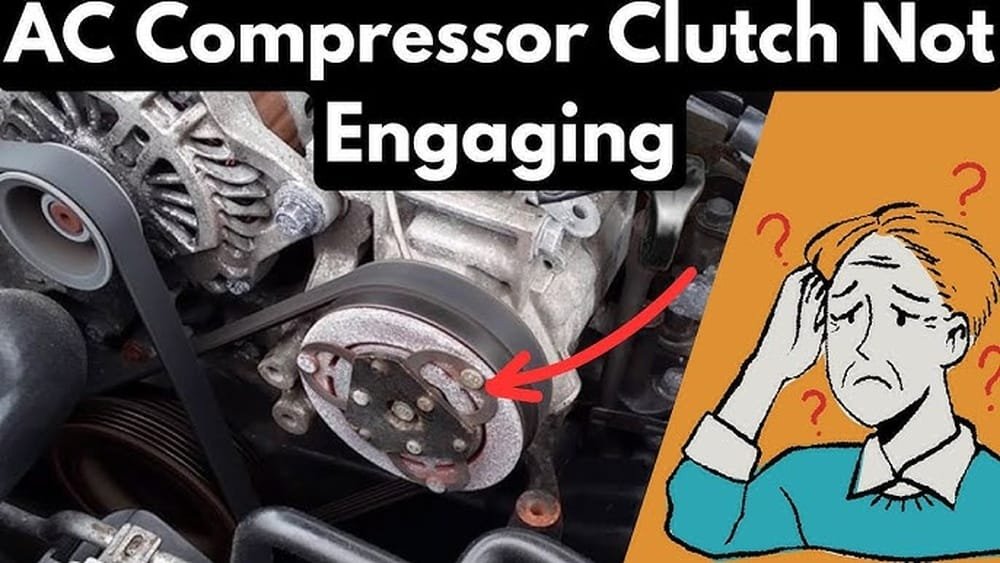
The air con compressor clutch is like a switch. It connects and disconnects the compressor from the engine. When you press the A/C button, the clutch gets power, pulls in, and starts spinning the compressor. Cold air follows. When the clutch doesn’t engage, the compressor doesn’t run, and you get nothing but hot air.
Signs The Compressor Clutch Isn’t Engaging
The first time my A/C stopped working, I noticed a few signs. Here’s what tipped me off:
- Warm air only: Even with the A/C on full, the air never got cold.
- No clicking sound: Usually, there’s a small click when you turn on the A/C. This time, silence.
- Compressor pulley spins, but clutch plate doesn’t: I looked under the hood and saw the pulley moving, but the plate in the middle wasn’t turning.
If you notice these signs, your clutch might not be engaging either.
Why Does The Air Con Compressor Clutch Not Engage?
After hours of research, talking to mechanics, and some trial-and-error, I learned there are a few main reasons:
- Low refrigerant: The A/C system needs enough refrigerant to work. If it’s low, the pressure switch won’t let the clutch engage. I checked my system with a cheap gauge from the auto parts store.
- Blown fuse or relay: The clutch needs power. If a fuse or relay is bad, it won’t get any.
- Bad clutch coil: The coil inside the clutch can burn out. When this happens, the clutch won’t move, no matter what.
- Electrical problems: Broken wires, corroded connectors, or a bad A/C switch can all stop the clutch from working.
- Faulty pressure switch: This switch tells the system if there’s enough refrigerant. If it’s faulty, it can keep the clutch off, even when the system is full.
- Worn clutch or compressor: Sometimes, the clutch itself wears out, or the compressor seizes, stopping everything.
How I Diagnosed My Air Con Compressor Clutch Problem
Let me walk you through how I figured out my problem. I’m not a professional mechanic, but I love learning about cars.
Step 1: Checked The Refrigerant Level
First, I bought a can of refrigerant with a pressure gauge. I hooked it up to the low-side port and checked the reading. It was very low. This meant the system might not have enough pressure for the clutch to engage.
Step 2: Listened For The Click
I started the car, turned the A/C to max, and listened. No click. This told me the clutch wasn’t moving at all.
Step 3: Inspected The Clutch
I popped the hood and found the compressor. The pulley was spinning, but the clutch plate wasn’t moving. This confirmed my suspicions.
Step 4: Checked The Fuses And Relays
I opened the fuse box and looked for the A/C fuse and relay. One fuse was blown. I replaced it, but still no click.
Step 5: Tested For Power At The Clutch
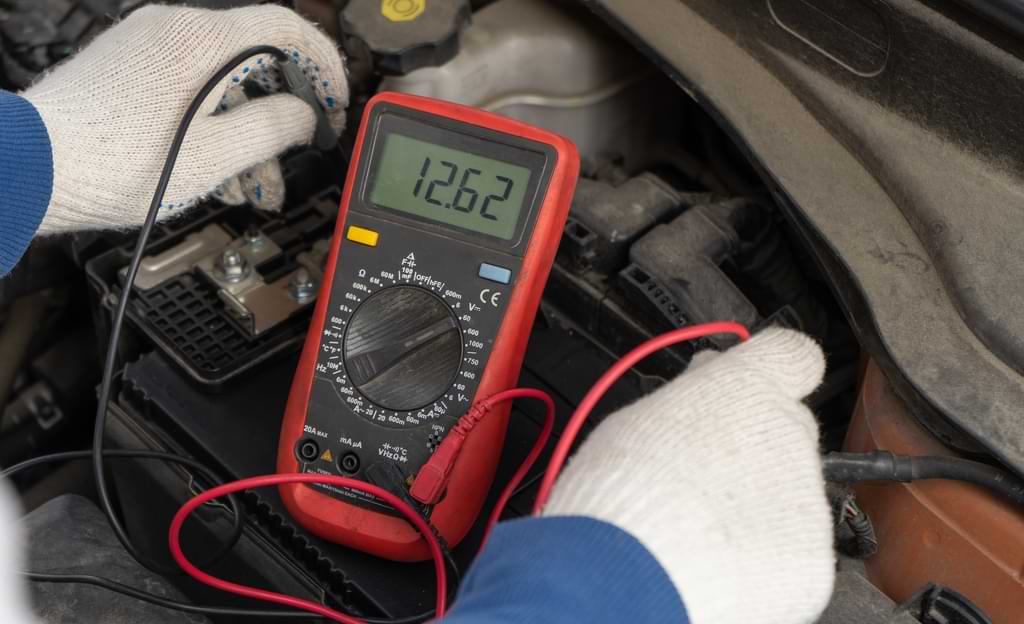
With a multimeter, I checked for voltage at the clutch’s connector. There was power when the A/C was on, but the clutch still didn’t engage. This pointed to a bad clutch coil.
Step 6: Tried Manual Engagement
Some people suggest gently tapping the clutch or jumping the relay to see if it will engage. I tried this, but nothing happened. At this point, I knew the clutch coil was likely dead.
Common Causes And How To Fix Each One
I want to break down each cause, so you know where to start if you’re having the same problem.
1. Low Refrigerant
If your system is low on refrigerant, the clutch won’t engage. This protects the compressor from running dry.
- How to fix: Check the pressure with a gauge. If it’s low, add refrigerant. If it drops again, you probably have a leak.
- Tip: Don’t just keep adding refrigerant. Find and fix leaks first.
2. Blown Fuse Or Relay
A blown fuse or relay will cut power to the clutch.
- How to fix: Check the fuse box. Replace any bad fuses or relays. If they blow again, you may have a short.
3. Bad Clutch Coil
The coil inside the clutch pulls it in when powered. If it’s burnt out, it won’t work.
- How to fix: You can test the coil with a multimeter. If it’s open (infinite resistance), it’s bad. Replacing the clutch coil is tricky and may require special tools.
4. Electrical Problems
Wires, connectors, and switches can all fail.
- How to fix: Check for loose or broken wires. Clean corroded connectors. Test the A/C switch on the dash.
5. Faulty Pressure Switch
If the pressure switch is bad, it can send the wrong signal.
- How to fix: Test the switch with a multimeter. Replace if it’s not working.
6. Worn Clutch Or Compressor
If the clutch is worn out or the compressor is seized, you’ll need to replace them.
- How to fix: This is a bigger job and often best left to a pro.
How The Compressor Clutch Works (simple Explanation)
To better understand why things go wrong, it helps to know how the compressor clutch works. Here’s what I learned:
- The compressor pulley always spins when the engine runs.
- The clutch plate is attached to the compressor shaft.
- When you turn on the A/C, an electric current goes to the clutch coil.
- The coil acts like a magnet and pulls the clutch plate against the pulley.
- Now, the pulley turns the compressor, and your A/C blows cold air.
If any step fails, the clutch won’t engage.
My Own Repair Experience
After finding out my clutch coil was dead, I had to decide: fix it myself or pay a shop. I love working on cars, so I gave it a shot.
- I bought a new clutch kit online.
- I used a set of snap ring pliers to remove the old clutch and coil.
- I installed the new parts and put everything back together.
It took me about two hours. The A/C worked perfectly afterward. But I must say, this job can be tough if you’re not used to car repairs. Sometimes, the compressor must come out, which means recovering the refrigerant first.
Cost Of Repair: Diy Vs. Professional
I always want to know what things cost before I start. Here’s a rough idea based on my experience and what I found online:
| Repair Option | Estimated Cost | Pros | Cons |
|---|---|---|---|
| DIY Clutch Replacement | $50 – $150 (parts) | Cheaper, sense of achievement | Time-consuming, needs special tools |
| Professional Repair | $200 – $600 | Quick, less hassle | More expensive |
| Full Compressor Replacement | $500 – $1200 | Fixes all compressor issues | Most expensive, may need A/C recharge |

Common Mistakes I Made (and How You Can Avoid Them)
It’s easy to make mistakes with A/C repairs. Here are some things I learned the hard way:
- Guessing without testing: I wasted time and money replacing parts that weren’t bad. Always test before replacing.
- Not checking for leaks: I added refrigerant, but it just leaked out. Use a leak detector or UV dye to find leaks first.
- Ignoring safety: Refrigerant can hurt your skin or eyes. Wear gloves and safety glasses.
- Forgetting about the relay: I thought my clutch was bad, but it was just a $5 relay.
When To Call A Professional
Some repairs are best left to the experts. If you need to recover or recharge refrigerant, or if you’re not comfortable with car repairs, don’t risk it. Air conditioning systems are under high pressure and can be dangerous if handled wrong.
Real-world Example: Before And After
To give you a clear picture, here’s what happened before and after my repair:
| Before Repair | After Repair |
|---|---|
| Warm air from vents No clutch engagement Silent A/C system | Cold air from vents Clutch clicks and spins Happy passengers! |
What I Wish I Knew Earlier
Looking back, I wish I had known a few things:
- Always check the simple things first: Fuses, relays, and refrigerant.
- Don’t ignore signs of leaks: Oily spots on hoses often mean refrigerant is escaping.
- Sometimes, it’s cheaper to replace the whole compressor if the car has high miles.
How To Keep Your Air Con Compressor Clutch Working
Now I try to avoid this problem by:
- Running the A/C for 10 minutes each week, even in winter. This keeps seals lubricated.
- Checking for leaks every spring.
- Using a sunshade to keep the car cooler, so the A/C doesn’t work as hard.
- Servicing the A/C every two years.
Key Differences: Compressor Clutch Vs. Compressor Failure
Many people mix up a bad clutch and a bad compressor. Here’s how they’re different:
| Compressor Clutch Failure | Compressor Failure |
|---|---|
| Clutch doesn’t engage Usually cheaper to fix Compressor may still be good | Compressor locked up or noisy Higher cost Often needs full replacement |
Practical Tips For Troubleshooting
If you want to check your own system, here’s what worked for me:
- Use a flashlight to watch the clutch as someone turns the A/C on and off.
- Swap the A/C relay with another relay of the same type to test quickly.
- Use a multimeter to check voltage at the clutch connector.
- If you find a problem you can’t fix, take notes and share them with your mechanic. It saves time and money.
When To Replace Vs. Repair
Sometimes, you can replace just the clutch. Other times, the whole compressor needs to go. If your car is older, or if the compressor is noisy, it’s often better to replace the entire unit. This avoids more problems down the road.

Frequently Asked Questions
Why Does My A/c Compressor Clutch Click But Not Engage?
A click without engagement often means the clutch is trying to work but can’t. This could be low refrigerant, a weak coil, or a worn clutch plate.
Can I Drive With A Bad Compressor Clutch?
Yes, you can drive your car, but you won’t have cold air. If the clutch is stuck on, it could damage the compressor or engine belt.
How Do I Know If The Clutch Coil Is Bad?
Test the coil with a multimeter. No continuity means the coil is open and needs replacing.
Should I Replace Just The Clutch Or The Whole Compressor?
If the compressor is quiet and works when forced, replacing just the clutch is fine. If it’s noisy or seized, replace the whole compressor.
Can I Fix The Compressor Clutch Myself?
Yes, if you have tools and patience. But some cars make it hard to access, and you might need to remove the compressor.
If you want more details, you can check out the official explanation at Wikipedia.
Solving an air con compressor clutch not engaging issue can be a rewarding project. Whether you do it yourself or go to a pro, understanding the basics will save you time, money, and frustration. I hope my experience helps you keep your cool—literally—on your next drive.