
When you walk into a factory, garage, or even a small workshop, you might hear the rhythmic hiss and hum of air compressors at work. These machines are the backbone of many industries, quietly powering tools, machines, and even some automation systems. But all air compressors are not the same. The two most common types—the rotary screw air compressor and the reciprocating air compressor—look similar from the outside but are very different inside. Choosing the right one can affect your energy bills, maintenance needs, and even the quality of your work.
Many people make quick decisions based on price or popularity, but that can lead to bigger problems later. By understanding how these two compressor types work, their strengths, weaknesses, and ideal use cases, you can make a smarter choice for your business or personal needs. This article will explore every important aspect of rotary screw air compressors vs reciprocating models, from technical details to real-world performance, so you get clear answers—not just sales talk.
How Each Compressor Works
Understanding the core mechanism helps explain why each type behaves differently in real life. Let’s break down the basics first.
Rotary Screw Air Compressor
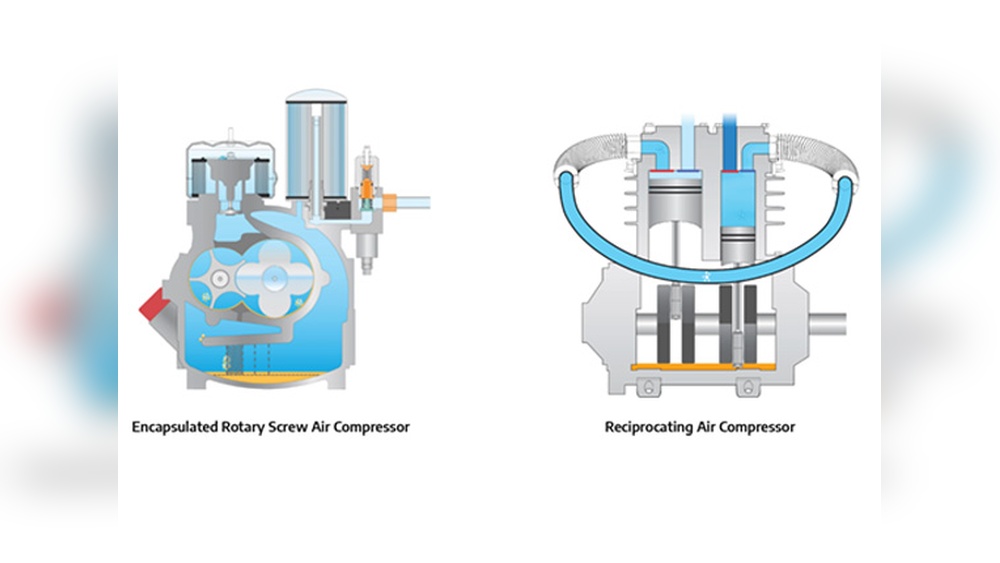
A rotary screw air compressor uses two large, interlocking screws (also called rotors). As these screws turn, they trap and squeeze air between them and the compressor’s housing. This action reduces the space for the air, which increases its pressure.
One non-obvious advantage is that this process is continuous and smooth. There’s no stopping and starting inside the machine, so the airflow is steady. This is ideal for jobs that need a constant, reliable supply of compressed air.
Another overlooked detail: rotary screw compressors can start and stop under full system pressure, so you don’t have to wait for pressure to drop before restarting. This makes them well-suited for automated systems where air demand can change suddenly, and production lines can’t afford delays.
Reciprocating Air Compressor
A reciprocating air compressor (also called a piston compressor) works more like a car engine. Inside, a piston moves up and down inside a cylinder. On the downstroke, the piston pulls air in through a valve. On the upstroke, the piston pushes the air out, compressing it and sending it to a storage tank.
This design creates a pulsing airflow—more like bursts than a steady stream. The compressor cycles on and off as it fills up the tank and waits for pressure to drop before starting again.
One thing many first-time buyers don’t realize: reciprocating compressors often use multiple pistons in larger models, which can slightly smooth out airflow, but they never match the true steadiness of rotary screw machines. This can matter if you’re running delicate tools or production processes that don’t tolerate pressure fluctuations.
Performance And Output Differences
The real test for any compressor is how well it does the job. Here’s where rotary screw and reciprocating compressors start to show their differences.
Airflow Consistency
- Rotary screw compressors provide a continuous, non-stop flow of air. There is no pulsing or waiting for a tank to refill, so tools and machines work more smoothly.
- Reciprocating compressors deliver air in bursts. After the tank is full, the compressor stops. When the pressure drops, it starts again. This can cause uneven tool performance for sensitive applications.
If you’re painting, sandblasting, or running automated machinery, uneven airflow can lead to visible defects or wasted materials. That’s why many production shops refuse to use reciprocating compressors for these jobs, even though the up-front cost is lower.
Pressure And Flow Rate
Most reciprocating compressors are best for lower air flow (measured in CFM—cubic feet per minute) but can provide higher pressures if needed. Rotary screw compressors, in contrast, are excellent at maintaining high airflow at moderate pressures for long periods.
Here’s a quick comparison:
| Compressor Type | Typical CFM Range | Pressure Range (PSI) |
|---|---|---|
| Rotary Screw | 15 – 2,000+ | 80 – 150 |
| Reciprocating | 1 – 50 | 90 – 175 |
Another detail to consider is how pressure drops over distance. If you have long hoses or pipes, a rotary screw compressor’s steady flow helps keep pressure consistent at the tool end, while reciprocating compressors may show more pressure loss between cycles.
Duty Cycle
- Rotary screw compressors are built for a 100% duty cycle. This means they can run all day, every day, without needing a break.
- Reciprocating compressors usually have a 50–60% duty cycle. If you run them too long, they overheat and wear out faster.
This is a big reason why factories and busy shops often use rotary screw models—they can keep up with constant demand.
The importance of duty cycle is sometimes underestimated by new buyers. For example, if your tools or machines require compressed air for hours at a time, a reciprocating compressor will quickly heat up, shut down, or even break. Rotary screw compressors are designed with internal cooling and oil circulation to avoid this problem.
Energy Efficiency
Energy costs are a huge part of operating any compressor. Over time, small efficiency differences can add up to big savings—or losses.
- Rotary screw compressors are generally more efficient at higher workloads. Their design means less energy is wasted as heat, and they do not have to stop and start as often.
- Reciprocating compressors can be less efficient, especially if used for long, continuous tasks. Starting and stopping uses more energy, and heat buildup wastes even more.
One insight beginners often miss: running a reciprocating compressor at full load all day is not just inefficient—it can shorten its life by years.
In addition, rotary screw compressors with variable speed drives can adjust their motor speed to match the air demand. This technology can save a lot of electricity, especially in workplaces where the need for compressed air goes up and down during the day.
Reciprocating compressors usually run at a fixed speed, which means they often use more energy than they need to.
Noise And Vibration
Noise matters more than you think, especially if you work near the compressor or need to follow workplace safety rules.
- Rotary screw compressors are quieter, usually producing 60–75 decibels. Their continuous operation also means less vibration.
- Reciprocating compressors are noisier, often reaching 80–90 decibels. The piston’s movement creates vibrations and sometimes even shakes the floor.
For offices, labs, or shops where people work close by, rotary screw compressors are usually the better choice for comfort and communication.
Another factor: rotary screw compressors can be placed closer to where the air is needed, reducing the cost and complexity of long piping. With reciprocating compressors, you may need to put them in a separate room or use soundproofing, which adds to installation costs.
Maintenance Needs
Maintenance is not just about cost—it’s also about how much downtime you can afford.
Rotary Screw Compressors
- Need regular oil changes (for oil-lubricated models)
- Require air/oil separator and filter replacements
- Must check for leaks and ensure the cooling system works
The good news: these tasks are usually predictable, and if maintained well, rotary screw compressors can last 60,000+ hours.
An extra point: many rotary screw models have maintenance alarms or reminders built in. This helps prevent missed services and reduces the risk of sudden breakdowns. Some even allow remote monitoring, so service teams can spot problems before they become serious.
Reciprocating Compressors
- Need frequent oil changes (unless oil-free)
- Valves, piston rings, and gaskets wear out faster and need replacement
- More moving parts mean more things can go wrong
A hidden detail: many reciprocating compressors are less forgiving if you skip maintenance. One missed oil change can cause major damage.
Parts for reciprocating compressors are usually cheaper and easier to find, but you may need them more often. Also, repairs can take longer if a failure happens during a busy time, causing more lost productivity.
Size, Weight, And Footprint
Physical space and portability are often overlooked until installation day.
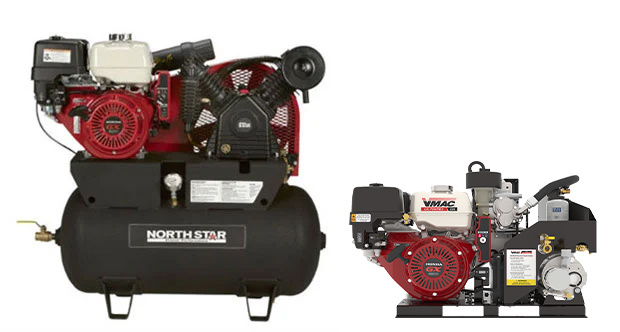
- Rotary screw compressors are usually larger and heavier for the same power rating. They are often stationary and need a dedicated space.
- Reciprocating compressors are lighter and more portable, especially in smaller sizes. Many models have wheels or handles for easy movement.
If you need a mobile compressor for job sites, reciprocating is typically the winner. For permanent workshops with space, rotary screw is better.
Also, keep in mind that rotary screw compressors need good ventilation and sometimes cooling systems, as they can get hot during long use. Planning for airflow and service access is important during installation.
Initial Cost And Long-term Value
Many buyers focus on the sticker price, but that’s only part of the story.
Purchase Price
- Reciprocating compressors are usually cheaper at first. A small shop model can start around $300–$500.
- Rotary screw compressors cost more, often starting above $2,000 for small commercial units.
Total Cost Of Ownership
Rotary screw models usually pay off in the long run with:
- Lower energy bills
- Less frequent repairs
- Longer lifespan (with good maintenance)
Reciprocating models might seem like a bargain, but frequent downtime, repairs, and higher electricity use can make them more expensive over 5–10 years.
One overlooked factor: the cost of downtime. In a busy shop, every hour without compressed air can mean lost revenue far greater than the cost of a more reliable compressor. This is why many growing businesses upgrade to rotary screw models as soon as they can afford it.
Air Quality And Moisture Control
Compressed air is not always clean. Moisture, oil, and dust can damage tools or contaminate products.
- Rotary screw compressors often come with built-in dryers and filters. Their continuous airflow also helps with better moisture control.
- Reciprocating compressors can add more oil and moisture to the air. Extra filters and dryers may be needed, especially for sensitive equipment.
For food, medical, or paint shops, rotary screw compressors are usually preferred for their cleaner air output.
An extra tip: check if your compressor offers aftercoolers or integrated air treatment. These can reduce water and oil content, protecting your tools and ensuring product quality. For reciprocating compressors, adding an external dryer is often a must if you see water droplets at the tool or in the air lines.
Applications And Best Use Cases
Not every compressor fits every job. Here’s when to choose each type.
When To Choose Rotary Screw Compressors
- Manufacturing plants with high, continuous air demand
- Automotive shops running multiple tools at once
- Food and beverage factories (with oil-free models)
- Packaging lines or automation systems
- Hospitals and labs needing quiet, clean air
Rotary screw compressors also work well with applications that require precise air pressure, like electronics assembly or pharmaceutical manufacturing. The steady flow and low pulsation protect sensitive equipment.
When To Choose Reciprocating Compressors
- Small workshops or garages
- Construction sites needing portable power
- Hobbyist or DIY projects
- Tasks with short, infrequent air demands
Reciprocating compressors are a practical choice for backup air supply. Some factories keep a small reciprocating unit as an emergency option if the main system fails.
Choosing the wrong type can lead to wasted money, downtime, or even ruined tools. Think about how you’ll actually use the compressor before buying.
Real-world Examples
Let’s see how these compressors perform in actual work environments.
Factory Example
A metal fabrication factory runs 20 air tools from sunrise to sunset. They switched from four reciprocating compressors to a single rotary screw model. Their energy bills dropped by 20%, and they cut maintenance downtime by half. The rotary screw’s steady airflow also improved the quality of their welds.
They also reported fewer tool failures, since the air was drier and cleaner. Over three years, the cost savings paid for the new compressor and improved production reliability.
Small Garage Example
A two-person auto repair shop uses a reciprocating compressor for impact wrenches and tire inflation. Their air demand is not constant, and space is limited. The reciprocating model is easy to move and affordable, with only minor maintenance needs.
If the shop takes on more staff or installs more lifts, they may eventually outgrow the reciprocating unit and need to upgrade. For now, it’s the right balance of cost and convenience.
Painting Shop Example
A paint shop noticed that their reciprocating compressor was sending too much moisture and oil into their spray guns, ruining finishes. They upgraded to a rotary screw compressor with built-in drying. Their paint jobs became smoother, and they spent less time cleaning tools.
After the change, customer complaints dropped, and rework almost disappeared. The investment in higher-quality compressed air paid off in happier clients and more repeat business.
Key Differences At A Glance
Here’s a compact summary for quick reference.
| Feature | Rotary Screw | Reciprocating |
|---|---|---|
| Operation | Continuous | Pulsed |
| Duty Cycle | 100% | 50–60% |
| Noise Level | Low (60–75 dB) | High (80–90 dB) |
| Maintenance | Predictable, less frequent | More frequent, more parts |
| Initial Cost | High | Low |
| Energy Efficiency | High | Medium–Low |
| Air Quality | Cleaner | More moisture/oil |
| Best For | Industrial, continuous use | Small shops, intermittent use |
Common Mistakes When Choosing
Even experienced buyers can fall into these traps:
- Focusing only on price: A cheap compressor can cost more in repairs and downtime.
- Ignoring duty cycle: Running a reciprocating compressor all day can destroy it quickly.
- Overestimating future needs: Buying a huge rotary screw compressor “just in case” wastes money and energy.
- Skipping air quality checks: Not all compressors deliver clean air. Add filters or dryers if needed.
- Neglecting noise levels: A loud compressor can harm worker health and lower productivity.
A mistake many miss: not considering local support or spare parts. Even the best compressor can cause headaches if you can’t get it fixed quickly.
Environmental Impact
With rising energy costs and stricter regulations, environmental impact is now a real concern.
- Rotary screw compressors are often designed with energy-saving controls (like variable speed drives) and better sealing. This means less electricity used for the same output.
- Reciprocating compressors are less efficient and sometimes leak oil or create more waste heat.
Proper maintenance and choosing the right size for your needs can lower the carbon footprint for both types.
Some industries are now required to report energy usage and emissions. Upgrading to a modern, efficient compressor can help meet these rules and even qualify for energy-saving incentives in some regions.
Innovations And Trends
Air compressor technology is always evolving. Here are some newer developments:
- Variable speed rotary screw compressors: These adjust their motor speed to match air demand, saving up to 35% on energy.
- Oil-free designs: Both types now offer oil-free options for food, medicine, and electronics.
- Smart controllers: Modern compressors come with digital screens, remote monitoring, and automatic error alerts.
A useful resource to learn more about industry trends is the CAGGIA Srl website.
Remote diagnostics and predictive maintenance are also becoming common. These features help prevent breakdowns and optimize performance by analyzing data and sending alerts before problems get serious.

How To Choose The Right Compressor For You
Selecting the best air compressor is not just about specs. Here are practical steps:
- Calculate your actual air needs (CFM and PSI). Add up all tools and machines that will run at the same time.
- Think about duty cycle. Will the compressor run all day, or just now and then?
- Check your space. Measure the area and check for ventilation needs.
- Consider future growth. But don’t buy a machine much larger than you need.
- List noise limits. If people work nearby, quieter is better.
- Plan for maintenance. Who will service the compressor? How easy are parts to get?
- Factor in air quality. Do you need extra filters or dryers?
If your business is likely to grow, discuss upgrade paths with your supplier. Sometimes it’s possible to add more compressors later or connect them in a network for increased flexibility.
A little planning goes a long way. Consult with a trusted distributor or technician before buying.
Frequently Asked Questions
What Is The Main Difference Between Rotary Screw And Reciprocating Air Compressors?
The main difference is in how they compress air. Rotary screw compressors use two interlocking screws for continuous airflow, while reciprocating compressors use a piston that moves up and down, creating pulsed airflow. Rotary screw models are better for constant, heavy-duty use, while reciprocating models suit lighter, intermittent jobs.
Which Type Lasts Longer With Proper Maintenance?
With good care, a rotary screw compressor can last over 60,000 hours of operation. Reciprocating compressors usually last around 10,000–15,000 hours, mainly because they have more moving parts that wear out faster.
Can I Use A Rotary Screw Compressor For Small, Occasional Tasks?
Yes, but it’s often overkill. Rotary screw compressors are designed for constant use and higher air demands. For small, infrequent jobs, a reciprocating compressor is more cost-effective and easier to move.
Are Rotary Screw Compressors Always Quieter?
Almost always, yes. The continuous motion of the screws makes rotary screw compressors quieter (60–75 dB) compared to the noisy operation (80–90 dB) of reciprocating compressors. However, enclosure and installation also affect noise.
How Important Is Air Quality From My Compressor?
Very important, especially for painting, food, medical, or electronic work. Rotary screw compressors usually produce cleaner air with less moisture and oil, but you may still need extra filters or dryers for sensitive tasks.
Choosing between a rotary screw and reciprocating air compressor is not just about price or brand. It’s about matching the machine to your real needs—now and in the future. By understanding the differences, performance, and hidden factors, you can invest with confidence and avoid costly mistakes.
The right choice will keep your tools running, your workers happy, and your business moving forward for years to come.
As an Amazon Associate, We earn from qualifying purchases