
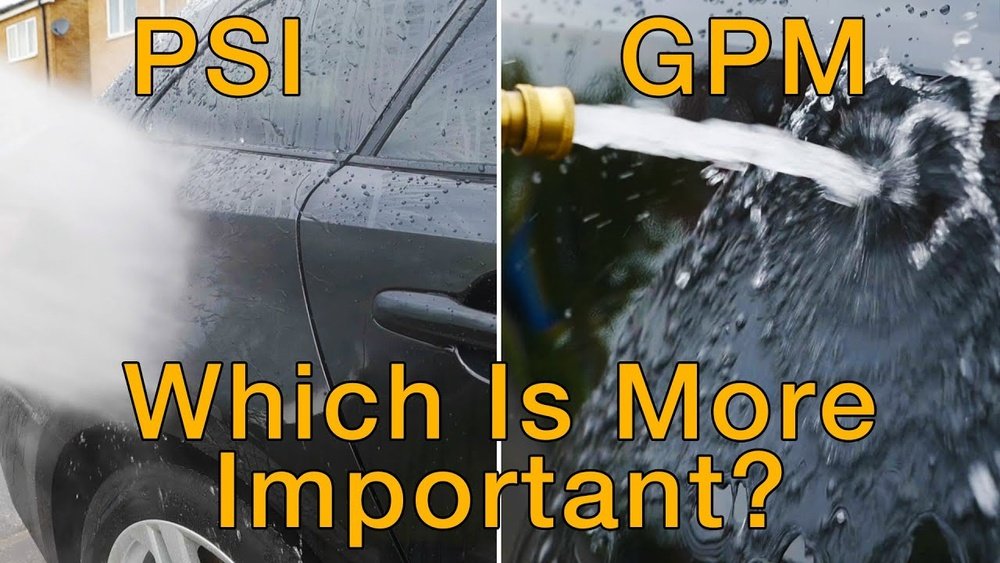
When you shop for a pressure washer, you’ll see two terms everywhere: GPM and PSI. These numbers look technical, but they are the keys to understanding a machine’s real cleaning power. If you want to clean a driveway, wash your car, or strip paint, you need to know what GPM and PSI mean—and how they work together. Most people focus only on PSI, but that’s a common mistake. Choosing the wrong combination can lead to wasted money or even damage to the surfaces you want to clean.
This article will guide you through everything about GPM vs PSI pressure washer ratings. We’ll explain what each means, why both matter, how they interact, and how to pick the right balance for your cleaning tasks. You’ll also see real-life examples, find out about common misunderstandings, and get answers to the most asked questions. By the end, you’ll shop with confidence and avoid the mistakes most beginners make.
What Is Psi In Pressure Washers?
PSI stands for pounds per square inch. It is a measurement of pressure—how much force the water applies when it hits a surface. The higher the PSI, the more powerful the water stream.
For example, a pressure washer with 2,000 PSI means the water is coming out with 2,000 pounds of force per square inch. That’s strong enough to clean concrete, but it might be too much for delicate surfaces like car paint or wood decks.
Key points about PSI:
- High PSI is useful for breaking up tough dirt, grime, and stains.
- Low PSI is safer for soft or painted surfaces.
- Most home pressure washers range from 1,300 to 3,000 PSI.
A common mistake: Many buyers think the highest PSI always means better cleaning. In reality, high PSI without enough water flow (GPM) can be ineffective and even damage the surface.
What Is Gpm In Pressure Washers?
GPM stands for gallons per minute. This measures the water flow rate—how much water the machine delivers every minute. Think of GPM as the amount of water moving dirt away after PSI breaks it up.
For example, a 2. 0 GPM pressure washer releases two gallons of water each minute. The more water, the faster you can wash away dirt.
Why GPM matters:
- High GPM covers more area and rinses faster.
- Low GPM means less water to wash away debris, so cleaning takes longer.
- Most residential pressure washers range from 1.2 to 2.8 GPM.
Non-obvious insight: Many stubborn stains don’t just need high pressure—they need enough water flow to flush dirt off the surface. That’s why a balance of GPM and PSI is vital.
How Psi And Gpm Work Together
PSI and GPM are often seen as separate, but they are closely linked. Cleaning power depends on both, not just one.
Cleaning Units (CU):
Manufacturers sometimes use a formula called cleaning units to show total cleaning power:
Cleaning Units (cu) = Psi × Gpm
For example, a washer with 2,000 PSI and 2. 0 GPM has 4,000 cleaning units.
What this means for you:
- High PSI + low GPM: Great for small, tough spots but slow over large areas.
- Low PSI + high GPM: Good for rinsing and general cleaning, not for tough stains.
- Balanced PSI and GPM: Best for most household tasks.
Real-world example:
Two washers:
- Washer A: 3,000 PSI, 1.5 GPM = 4,500 CU
- Washer B: 2,000 PSI, 2.5 GPM = 5,000 CU
Washer B has more cleaning units, even though its PSI is lower. It will clean faster over a larger area because of its higher water flow.
Why Both Gpm And Psi Matter For Different Cleaning Jobs
Not all cleaning tasks need the same balance of PSI and GPM. Here’s what you need for common jobs:
- Washing Cars:
- Safe PSI: 1,200–1,900
- GPM: 1.2–1.6
- Reason: High PSI can damage paint. A gentle stream with good water flow is best.
- Cleaning Driveways/Concrete:
- PSI: 2,500–3,000
- GPM: 2.0–2.5
- Reason: Tough stains need high pressure and enough water to flush away debris.
- Decks and Wood Fences:
- PSI: 1,500–2,000
- GPM: 1.3–2.0
- Reason: Too much pressure can splinter wood, but decent water flow is needed to rinse.
- Siding and House Exteriors:
- PSI: 1,300–2,400
- GPM: 1.4–2.0
- Reason: Lower PSI protects siding from damage, while GPM helps wash away mold and dirt.
- Removing Paint:
- PSI: 2,500–3,000
- GPM: 2.0–2.5
- Reason: Both high pressure and high flow are needed to strip paint efficiently.
Non-obvious insight:
Trying to use a high PSI, low GPM machine for jobs like washing a large driveway can be frustrating. You’ll spend much more time because you’re not moving enough water to clear away loosened dirt.
Psi And Gpm Recommendations By Surface Type
To help you match the right specs to your cleaning task, see this comparison:
| Surface | Recommended PSI | Recommended GPM | Notes |
|---|---|---|---|
| Car/Truck | 1,200–1,900 | 1.2–1.6 | Avoid damaging paint |
| Deck/Fence (Wood) | 1,500–2,000 | 1.3–2.0 | Prevent wood splintering |
| Concrete/Driveway | 2,500–3,000 | 2.0–2.5 | Remove tough stains |
| Vinyl Siding | 1,300–2,400 | 1.4–2.0 | Protect siding material |
| Paint Removal | 2,500–3,000 | 2.0–2.5 | High power needed |
| Outdoor Furniture | 1,200–1,800 | 1.2–1.6 | Gentle cleaning |
How To Choose The Right Psi And Gpm For Your Needs
When you buy a pressure washer, don’t just pick the highest numbers. Here’s how to decide:
1. List Your Main Cleaning Tasks.
Are you washing cars, cleaning patios, removing paint, or something else?
2. Check The Manufacturer’s Recommendations.
Look at the specs for your surfaces (car manual, deck instructions, etc. ).
3. Balance Is Better Than Extremes.
A machine with 2,000–2,500 PSI and 1. 5–2. 0 GPM is often the most versatile for home use.
4. Prioritize Gpm For Large Areas.
If you clean big patios or driveways, a higher GPM (water flow) will save time.
5. Consider Future Needs.
Will you want to clean something tougher next year? A slightly higher spec may be worth it.
6. Check Your Water Supply.
Some homes have low water pressure. A high-GPM washer may not work well if your outdoor faucet can’t supply enough water.
Common mistake:
Many people buy a powerful commercial washer for small tasks. It’s overkill and can cause accidental damage. Match the tool to the job.
Electric Vs Gas Pressure Washers: How Psi And Gpm Differ
Electric and gas-powered washers often have different PSI and GPM ranges.
| Type | Typical PSI Range | Typical GPM Range | Main Uses |
|---|---|---|---|
| Electric | 1,300–2,000 | 1.2–1.6 | Cars, decks, light cleaning |
| Gas | 2,500–4,000 | 2.3–4.0 | Driveways, paint removal, heavy cleaning |
Electric washers are quieter, lighter, and easier to use for most people. They have enough power for cars, siding, and small patios.
Gas washers are stronger and can handle big jobs like concrete, large driveways, and heavy stains. They usually have higher GPM and PSI but need more maintenance.
How Nozzles And Tips Affect Psi And Gpm
Pressure washer nozzles change the way water sprays. The nozzle you use can lower or raise the effective PSI at the surface.
- Narrow nozzles (0° or 15°): Increase pressure in a tight spot. Useful for tough stains, but can damage surfaces if used carelessly.
- Wide nozzles (25° or 40°): Spread out the water, lowering PSI and making them safe for cars, windows, and decks.
Nozzle size does not change GPM; your machine’s pump controls that. But the shape of the water flow can affect cleaning speed and safety.
Pro tip: Start with a wider nozzle, then test a smaller one if you need more cleaning power. This helps avoid accidental damage.

Gpm Vs Psi: Which Is More Important?
Many beginners ask: “Is PSI or GPM more important for a pressure washer?” The answer depends on your task.
- For removing heavy stains (like oil or paint), both high PSI and high GPM are needed.
- For washing away loose dirt or cleaning large areas, higher GPM matters more.
- For delicate surfaces, lower PSI is safer, but you still want decent GPM for rinsing.
Non-obvious insight:
Some commercial washers focus on very high GPM (up to 5. 0 or more) with moderate PSI. These are used for washing vehicles or large equipment where rinsing is the main job, not blasting.
Common Mistakes When Choosing Gpm And Psi
1. Focusing Only On Psi:
Many people think “bigger is better,” but too much pressure can destroy paint, wood, or even concrete.
2. Ignoring Gpm:
A high-pressure jet with low water flow can take forever to clean a driveway. You want enough water to move loosened dirt away.
3. Mismatching Machine And Water Supply:
If your home’s water supply can’t keep up with a high-GPM washer, you’ll get weak performance and could even damage the pump.
4. Using The Wrong Nozzle:
Even with the right washer, using too narrow a tip can cause injury or damage surfaces.
5. Buying Commercial Units For Small Jobs:
Commercial washers are heavier, louder, and often too strong for home use. They need more maintenance, too.

Real-world Scenarios: Gpm And Psi In Action
Scenario 1: Cleaning A Muddy Driveway
You have a 2,800 PSI, 2. 4 GPM gas washer. Mud and oil are stuck on the concrete.
- High PSI breaks up the tough stains.
- High GPM quickly washes mud away, covering the whole driveway in less time.
- Total cleaning units: 2,800 × 2.4 = 6,720 CU.
Scenario 2: Washing Your Car
You use a 1,500 PSI, 1. 2 GPM electric washer with a 40° nozzle.
- Lower PSI prevents paint damage.
- Moderate GPM is enough to rinse off soap and loose dirt.
- A wide nozzle spreads pressure, making it safer.
Scenario 3: Cleaning House Siding
You have a 2,000 PSI, 1. 5 GPM washer.
- Medium PSI removes mildew without harming siding.
- Decent GPM flushes away growth and dust quickly.
Tip: For mold on siding, add a cleaning solution with a soap nozzle, then rinse with a wide spray.
How To Measure Gpm And Psi At Home
If you want to check your pressure washer’s specs or your home’s water supply, here’s how:
Measuring Psi
- Buy a pressure gauge at a hardware store.
- Attach it to your outdoor faucet.
- Turn on the water fully.
- Read the PSI on the gauge.
Measuring Gpm
- Place a 5-gallon bucket under your faucet or pressure washer.
- Turn on the water fully.
- Time how long it takes to fill the bucket.
- Divide 5 by the number of seconds, then multiply by 60 to get GPM.
Example:
If it takes 40 seconds to fill, 5 ÷ 40 = 0. 125 gallons per second.
- 125 × 60 = 7.5 GPM.
*Note: Most pressure washers will have lower GPM than your faucet, due to pump limits.*

Gpm, Psi, And Cleaning Efficiency
The right combination of GPM and PSI means more than just power—it affects your cleaning speed and water usage.
- High GPM means faster cleaning, but uses more water per minute.
- High PSI can make tough jobs easier, but risks damage and sometimes wastes water if not needed.
Efficiency tip:
For most home users, a washer in the 1,800–2,200 PSI and 1. 5–2. 0 GPM range gives the best balance of speed, safety, and water use.
Safety Tips When Using High Psi Or Gpm
Pressure washers are powerful tools. Used wrong, they can cause injury or property damage.
- Always wear shoes and eye protection.
- Never point the spray at people or pets.
- Test on a small area first, especially with high PSI.
- Use the right nozzle for the surface.
- Keep hands away from the spray, even at low PSI.
- Store the washer safely, away from children.
How To Maintain Proper Gpm And Psi
To keep your machine working at full power:
- Check and clean filters regularly. Clogged filters lower GPM.
- Inspect hoses and fittings for leaks. Leaks reduce both GPM and PSI.
- Use recommended nozzle sizes. Wrong nozzles can lower pressure or overload the pump.
- Flush out the pump after using detergents.
- Store hoses and machine in a dry place to prevent freezing and damage.
Top Brands And Their Typical Gpm And Psi Specs
Some leading brands offer different combinations for different needs:
| Brand | Model Example | PSI | GPM |
|---|---|---|---|
| Sun Joe | SPX3000 | 2,030 | 1.76 |
| Simpson | MegaShot MSH3125 | 3,200 | 2.5 |
| Ryobi | RY141900 | 2,000 | 1.2 |
| Generac | 6565 | 4,200 | 4.0 |
| Karcher | K5 Premium | 2,000 | 1.4 |
These specs give you an idea of the variety on the market. Always compare both PSI and GPM, not just one number.
Environmental Impact: Water Use And Runoff
Higher GPM means more water use. For eco-conscious users:
- Use the lowest GPM that still gets the job done.
- Sweep away loose dirt before washing.
- Use biodegradable cleaning solutions.
- Avoid letting runoff enter storm drains.
Some cities have rules about water use and runoff from pressure washing. Check local guidelines before you start.
When To Rent Vs Buy A Pressure Washer
If you only need a pressure washer once or twice a year for small jobs, renting may be smarter than buying. Rental units often have higher GPM and PSI, but you can pick the right one for your task.
Buy if:
- You clean often (cars, patios, decks)
- You want the convenience of owning your machine
- You have many surfaces to maintain
Rent if:
- You need very high power for a one-time big job
- You don’t have space to store a washer
- You want to try different PSI/GPM combos before buying
Renting can also let you test whether you prefer electric or gas, or what level of power feels right.
Frequently Asked Questions
What Does Gpm Mean On A Pressure Washer?
GPM stands for gallons per minute. It measures the water flow—the amount of water your pressure washer uses every minute. A higher GPM helps rinse away dirt faster, especially over large areas.
Is A Higher Psi Always Better?
No, higher PSI is not always better. Too much pressure can damage paint, wood, or even concrete. The best choice depends on what you are cleaning. Balance PSI with GPM for safe and effective cleaning.
How Much Gpm Do I Need For Driveway Cleaning?
For most driveways, a pressure washer with 2.0–2.5 GPM and 2,500–3,000 PSI is ideal. This combination gives enough force and water flow to remove dirt, oil, and stains quickly.
Can I Increase My Pressure Washer’s Gpm Or Psi?
No, you cannot safely increase GPM or PSI beyond the machine’s design. Using smaller nozzles can increase pressure but risks damaging the pump. If you need more power, consider a different model.
Where Can I Find More Technical Details About Pressure Washers?
You can find more technical details and research about pressure washers and their specs at the Wikipedia pressure washer page.
Final Thoughts
Understanding GPM vs PSI pressure washer ratings is key to picking the right machine and getting the best cleaning results. Both numbers matter. PSI tells you about the force, GPM about the water flow. The best pressure washer is the one that matches your tasks—not just the one with the biggest numbers. Now that you know how to compare, balance, and use these ratings, you’re ready to clean smarter, safer, and faster. Choose wisely and enjoy the results.
As an Amazon Associate, We earn from qualifying purchases