
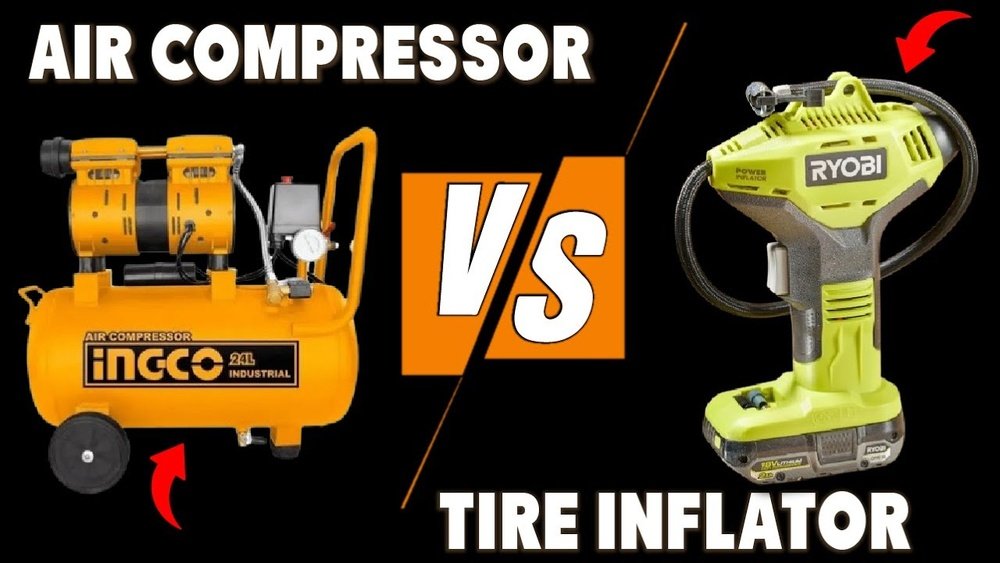
Air Compressor Vs Tire Inflator: Which One Should You Choose?
Getting a flat tire is never fun, whether you’re on the road or at home. Many people wonder which tool is better for fixing this problem: an air compressor or a tire inflator. While both devices can add air to tires, they are not the same. Choosing the right device can save you money, time, and headaches. This article will help you understand the differences, benefits, and best uses for each tool. You’ll also learn how to select the right one for your needs, see real-life examples, and avoid common mistakes. By the end, you’ll know exactly which device fits your lifestyle and garage.
What Is An Air Compressor?
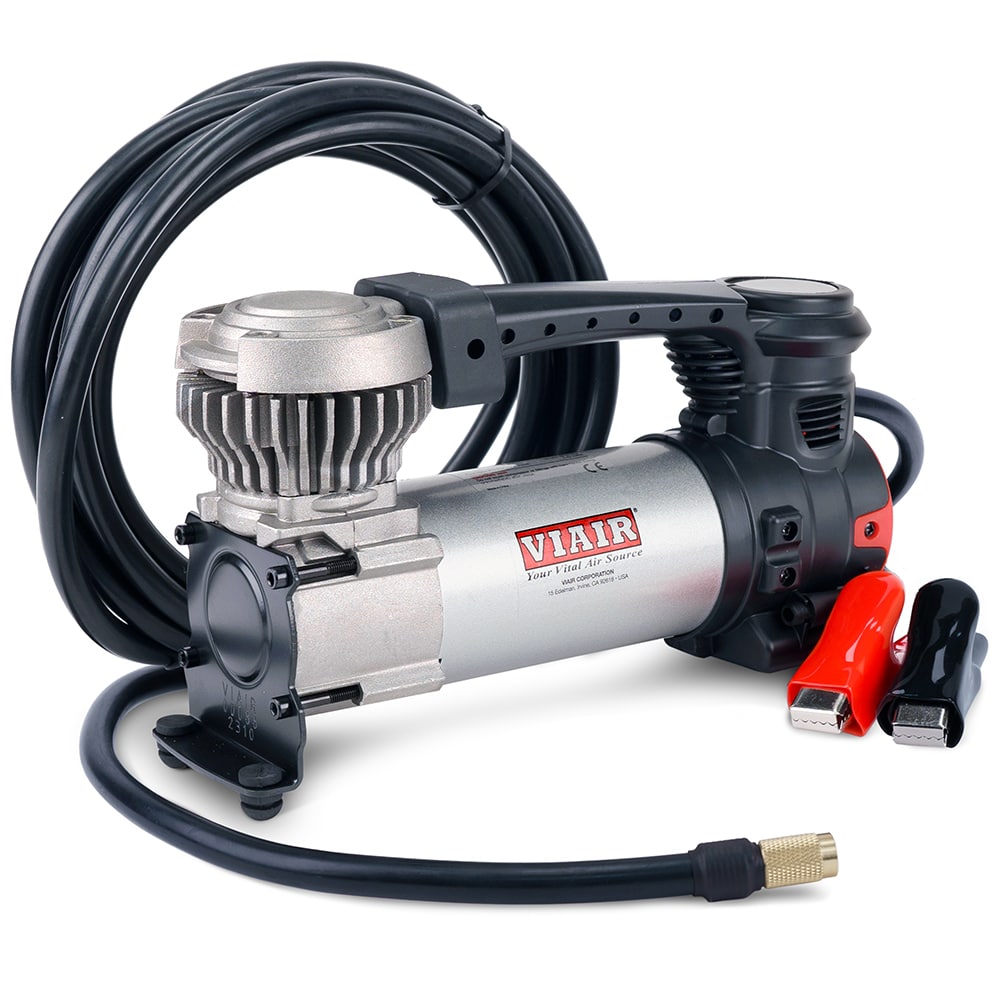
An air compressor is a machine that takes in air, pressurizes it, and stores it in a tank. It can power many tools, inflate tires, and even clean surfaces. Most air compressors are larger and heavier than tire inflators. They come in different sizes, from small portable models to industrial units.
Air compressors work by pulling air into a chamber, compressing it, and sending it to a storage tank. You can then use the air for different tasks. The pressure is measured in PSI (pounds per square inch), and the amount of air is measured in CFM (cubic feet per minute).
Types Of Air Compressors
- Pancake Compressors: These have a flat, round tank. They are small and portable.
- Hot Dog Compressors: Shaped like a cylinder, they are easy to carry and store.
- Twin Stack Compressors: These have two tanks for more air. Good for bigger jobs.
- Wheelbarrow Compressors: Large and powerful. Usually used for construction.
- Stationary Compressors: Heavy-duty. They stay in one place, like a workshop.
Typical Uses
- Powering nail guns, paint sprayers, and impact wrenches
- Inflating car, truck, and bike tires
- Cleaning with high-pressure air
- Operating airbrushes
Key Features
- High PSI and CFM: Can inflate large tires fast
- Versatility: Used for many tasks beyond tires
- Tank Capacity: Usually 1–80 gallons
- Power Source: Most plug into wall outlets; some run on gas
Example
A 3-gallon air compressor can inflate a car tire in about 1–2 minutes, but it can also run tools like a brad nailer. A larger 30-gallon compressor can handle truck tires and multiple tools at once.
What Is A Tire Inflator?
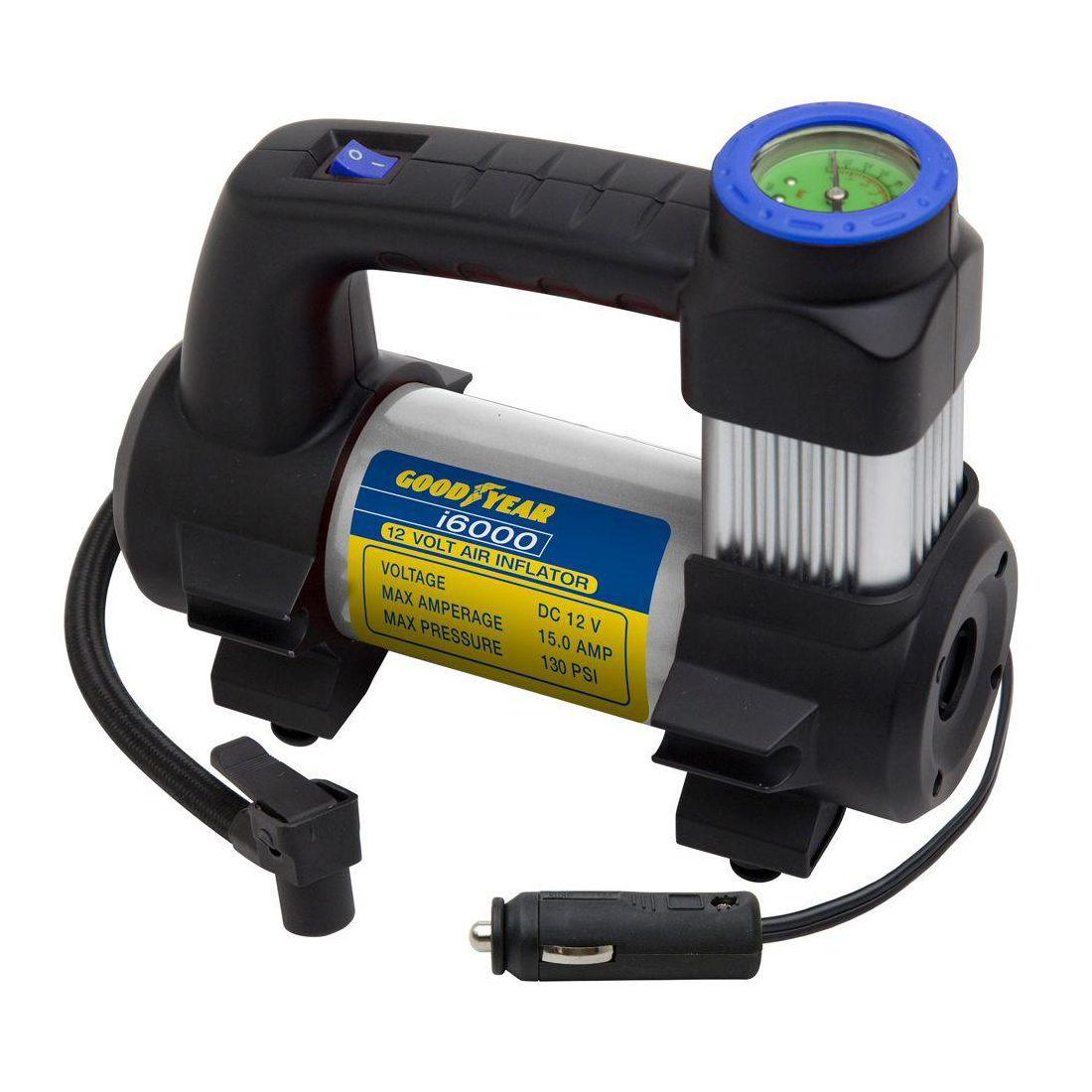
A tire inflator is a small, portable device made mainly for inflating tires. Most inflators are lightweight and easy to carry. They do not have a tank; instead, they use a motor to push air directly into the tire.
Tire inflators are usually powered by a car’s 12V outlet or sometimes batteries. They are designed to provide enough pressure for tires, but not for heavy-duty tools.
Types Of Tire Inflators
- Corded Inflators: Plug into car or wall outlets.
- Cordless Inflators: Run on rechargeable batteries.
- Manual Pumps: Hand or foot-powered. Used for bikes or emergencies.
Typical Uses
- Inflating car, motorcycle, and bicycle tires
- Pumping up sports balls (football, basketball, etc.)
- Filling air mattresses and inflatable toys
Key Features
- Compact size: Fits in glove boxes or trunks
- Easy operation: One-button or digital controls
- Pressure gauge: Shows PSI
- Auto shut-off: Stops when tire reaches set PSI
Example
A digital tire inflator can inflate a flat car tire from 0 to 35 PSI in about 4–8 minutes. Some models have built-in lights for night use.
Air Compressor Vs Tire Inflator: Core Differences
To make a smart choice, you need to know how these devices compare. Let’s look at the main differences in size, power, speed, versatility, and price.
| Feature | Air Compressor | Tire Inflator |
|---|---|---|
| Size | Large, heavy (5–80 lbs) | Small, portable (1–5 lbs) |
| Power | High PSI (up to 150+) | Medium PSI (up to 120) |
| Speed | Fast for large tires | Slower for large tires |
| Versatility | Many uses (tools, cleaning, etc.) | Mainly tires, balls, inflatables |
| Price | $50–$500+ | $20–$120 |
| Power Source | Wall outlet/gas | 12V car outlet/battery |
| Storage | Needs space | Fits in trunk/glove box |
Size And Portability
Air compressors are much larger, often weighing from 5 to 80 pounds. They need space in a garage or workshop. Tire inflators are light and small, often fitting in a car’s glove box or trunk. If you need to travel or want something easy to carry, a tire inflator is best.
Power And Speed
Air compressors provide more power and higher pressure, usually up to 150 PSI or more. This means they inflate large tires faster. Tire inflators max out at around 120 PSI, which is enough for most cars but slower for big tires.
Versatility
Air compressors are versatile. You can use them for many jobs: powering tools, cleaning, and inflating. Tire inflators are designed mainly for tires and small inflatables.
Price
Air compressors cost more, from $50 to over $500 for big models. Tire inflators are cheaper, usually $20 to $120.
Storage And Convenience
Air compressors need space and may be hard to move. Tire inflators are easy to store and use anywhere.
Which Is Best For Inflating Car Tires?
If your main goal is to inflate car tires, which device is best? The answer depends on your needs.
For Home Use
If you have a garage and want to inflate tires quickly, an air compressor is better. It’s faster and more powerful. You can also use it for other jobs.
For Emergencies And Travel
If you want something for emergencies or road trips, a tire inflator is ideal. It’s small, light, and easy to use. You can keep it in your car and plug it into the 12V outlet.
For Large Tires (trucks, Rvs)
For larger tires like trucks or RVs, you need higher PSI and more air. Air compressors are best here. Some heavy-duty tire inflators can handle these tires, but they are slower and may overheat.
For Bikes And Sports Equipment
Both devices can inflate bike tires and sports balls, but tire inflators are easier and safer for these jobs.
Real-life Examples And Case Studies
Let’s look at how each device performs in real situations.
Example 1: Daily Commuter
Sarah drives to work every day. She keeps a cordless tire inflator in her trunk. When her tire pressure drops, she plugs it in and inflates the tire in 6 minutes. She doesn’t own an air compressor because she doesn’t need to power tools.
Example 2: Diy Mechanic
Tom owns a 20-gallon air compressor. He uses it to inflate tires, run his impact wrench, and clean his garage. When his truck tire goes flat, he fills it in 2 minutes. Tom likes the speed and power, but his compressor is too big to carry in his car.
Example 3: Road Trip
Maria and her family travel often. They bring a digital tire inflator for emergencies. It fits in their glove box and works well for car tires and air mattresses. They don’t need a compressor because they want something portable.
Example 4: Construction Worker
James works at a construction site. His team uses wheelbarrow air compressors to run nail guns and inflate tires. The compressors are powerful but too heavy for personal use.
Technical Specifications: What Matters Most?
When comparing air compressors and tire inflators, you should check a few key specs.
| Specification | Air Compressor | Tire Inflator |
|---|---|---|
| PSI (Pressure) | 100–150+ | 80–120 |
| CFM (Air Flow) | 1–5+ CFM | 0.3–1 CFM |
| Tank Size | 1–80 gallons | No tank |
| Power Source | 120V/240V/gas | 12V/battery |
| Noise Level | 60–90 dB | 40–70 dB |
| Weight | 5–80 lbs | 1–5 lbs |
Psi (pressure)
PSI tells you how much pressure the device can create. Most car tires need 32–35 PSI. Air compressors can deliver much more, making them faster for big tires.
Cfm (air Flow)
CFM measures how quickly the device moves air. Higher CFM means faster inflation. Air compressors have higher CFM, so they work quickly.
Tank Size
Air compressors store air in a tank. Bigger tanks can inflate more tires without stopping. Tire inflators have no tank, so they work continuously but at a slower rate.
Noise Level
Air compressors are louder. Tire inflators are quieter, making them better for home or night use.
Pros And Cons: Air Compressor Vs Tire Inflator
Understanding the advantages and disadvantages will help you decide.
Air Compressor Pros
- Fast inflation for large tires
- Can power other tools
- Higher PSI and CFM
- Durable and long-lasting
- Great for workshops
Air Compressor Cons
- Heavy and bulky
- Expensive
- Needs storage space
- Not portable
Tire Inflator Pros
- Portable and easy to store
- Affordable
- Simple operation
- Ideal for emergencies
- Works on most car tires
Tire Inflator Cons
- Slower for large tires
- Limited to tires and small inflatables
- Can overheat if used too long
- Lower PSI and CFM
Common Mistakes When Choosing
Many buyers make mistakes when picking between an air compressor and tire inflator. Here are some to avoid:
- Overestimating Needs: Some people buy a big air compressor when they only need to inflate tires. This wastes money and space.
- Ignoring Portability: If you travel often, a compressor is not practical. Tire inflators are much easier to carry.
- Underestimating Tire Size: If you own a truck or RV, make sure your inflator or compressor can handle high PSI.
- Not Checking Power Source: Some air compressors need 240V outlets. Tire inflators usually run on 12V. Make sure your device matches your power supply.
- Skipping Auto Shut-Off: Tire inflators with auto shut-off prevent over-inflation. Without this feature, you can damage tires.
- Buying Cheap Models: Very cheap inflators may break or fail to inflate tires fully. Invest in a reliable device.
How To Choose: Key Factors To Consider
Before buying, think about these important points:
1. Purpose
What will you use it for? Only tires, or other tools? If you want more than tire inflation, an air compressor is better.
2. Portability
Do you need to carry it in your car? Tire inflators are perfect for travel. Air compressors are best for home or shop.
3. Tire Size
For standard cars, most tire inflators work fine. For trucks or RVs, choose an air compressor or a heavy-duty inflator.
4. Speed
Do you want fast inflation? Air compressors are quicker, especially for large tires.
5. Budget
Air compressors cost more. Tire inflators are affordable for most people.
6. Power Source
If you have easy access to wall outlets, a compressor works. If you need to use it on the road, pick a tire inflator.
Air Compressor And Tire Inflator Maintenance
Both devices need care to last longer.
Air Compressor Maintenance
- Check oil levels (for oil-lubed models)
- Drain the tank to remove water
- Clean air filters
- Inspect hoses for leaks
- Store in a dry place
Tire Inflator Maintenance
- Keep it clean and dry
- Check power cord and plug
- Test auto shut-off
- Replace batteries (for cordless models)
- Store in your car or garage
Safety Tips For Using Air Compressors And Tire Inflators
Safety is important with both devices.
Air Compressor Safety
- Wear eye protection
- Keep fingers away from moving parts
- Don’t overfill tires; check PSI
- Keep children away from compressor
Tire Inflator Safety
- Use on flat surfaces
- Don’t leave running unattended
- Let it cool if it overheats
- Always check pressure gauge
Real Data: Inflation Speed Comparison
Let’s compare how long each device takes to inflate a flat tire from 0 to 35 PSI.
| Device | Time (0–35 PSI) | Comments |
|---|---|---|
| 3-gallon Air Compressor | 1–2 minutes | Fast, powerful |
| Corded Tire Inflator | 4–8 minutes | Good for emergencies |
| Cordless Tire Inflator | 5–10 minutes | Portable, slower |
| Manual Pump | 10–20 minutes | Best for bikes |
As you can see, air compressors are much faster, but tire inflators are still practical for most cars.
Non-obvious Insights Beginners Often Miss
- Duty Cycle Matters: Tire inflators have a “duty cycle”—how long they can run before needing a rest. Many can only run for 5–10 minutes at a time. If you ignore this, your inflator may overheat or wear out.
- CFM Is Often Overlooked: Most people focus on PSI, but CFM is just as important. Low CFM means slower inflation, even if PSI is high. Always check both numbers.
- Air Compressors Can Cause Over-Inflation: Because they inflate tires fast, it’s easy to overfill and damage tires. Always check the pressure as you go.
- Noise Can Be a Problem: Air compressors are loud, often reaching 90 decibels. If you live in an apartment or use it late at night, this can be a real issue.
- Tire Inflators Are Limited by Car Battery: If you use a 12V inflator for too long, it can drain your car battery. It’s best to keep the engine running during use.
Environmental Impact
Air compressors use more electricity and create more noise, which affects energy consumption and comfort. Tire inflators use less power and are quieter, making them better for regular home use and travel.

When You Might Need Both
Some people own both devices. For example, you may keep a tire inflator in your car for emergencies and use an air compressor at home for bigger jobs. This covers all your needs and gives you peace of mind.
Expert Recommendations
- Casual drivers: Tire inflator is enough.
- DIY mechanics: Air compressor is better.
- Truck/RV owners: Air compressor or heavy-duty inflator.
- Travelers: Tire inflator is best for emergencies.
For more detailed technical info, you can visit the Wikipedia page on air compressors.
Frequently Asked Questions
What Is The Main Difference Between An Air Compressor And A Tire Inflator?
The main difference is power and versatility. Air compressors are larger, more powerful, and can handle many tasks besides inflating tires. Tire inflators are smaller, portable, and made mainly for tires.
Can A Tire Inflator Be Used For Truck Or Rv Tires?
Some heavy-duty tire inflators can inflate truck or RV tires, but they are slower and may overheat. For regular use, an air compressor is better for large tires.
Is It Safe To Keep A Tire Inflator In The Car?
Yes, it’s safe and recommended. Most tire inflators are compact and designed for travel. Always store it in a dry place and check it regularly.
How Long Does It Take To Inflate A Car Tire With Each Device?
A small air compressor takes about 1–2 minutes, while a tire inflator takes 4–8 minutes. Manual pumps may take 10–20 minutes.
What Happens If I Use A Tire Inflator For Too Long?
Tire inflators have a duty cycle. If you run it too long, it can overheat and stop working. Always let it cool after every 5–10 minutes of use.
Choosing between an air compressor and a tire inflator depends on your needs, space, and budget. Both devices have unique strengths, and understanding these can help you make the best choice for your home, car, or workshop. With the right device, you’ll stay prepared for flat tires and enjoy more convenience in your daily life.
As an Amazon Associate, We earn from qualifying purchases