
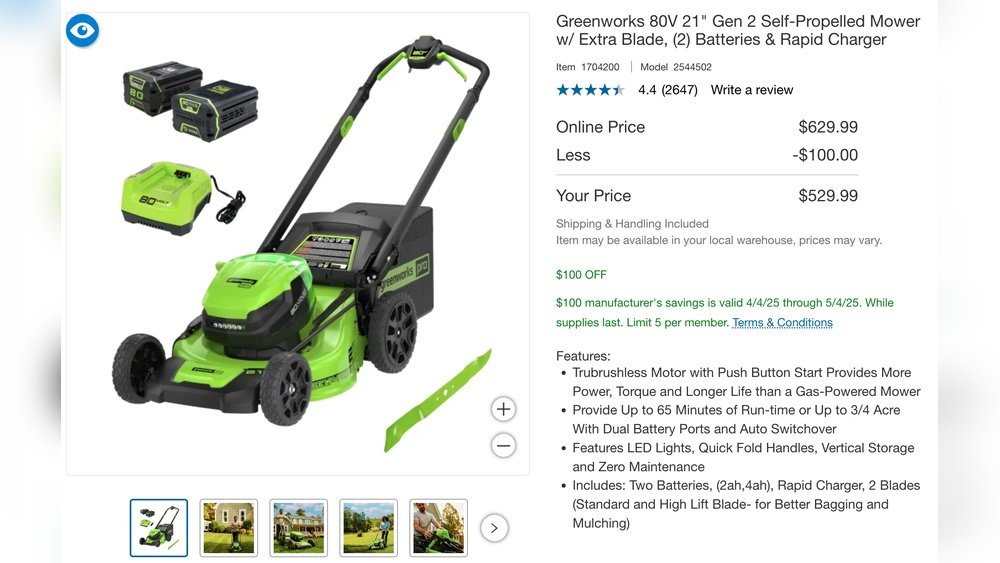
Choosing the right lawn mower can make yard work feel effortless or like an endless chore. For anyone looking to switch to battery-powered models, two brands often come up: Greenworks and Ryobi. Both have strong reputations, but their mowers offer distinct experiences. If you want to cut grass efficiently, avoid common buyer mistakes, and get the best value, understanding the differences between Greenworks and Ryobi is essential.
This guide takes you deep into the details. You’ll learn how both brands compare in performance, battery life, cutting quality, design, price, and more. Along the way, you’ll find honest insights, real-world user feedback, and non-obvious factors you won’t see in most reviews.
By the end, you’ll have a clear idea which mower fits your yard, lifestyle, and budget best.
Brand Background: Greenworks And Ryobi
Greenworks focuses almost entirely on battery-powered outdoor tools. Their lineup includes mowers, blowers, trimmers, and even snow throwers. Greenworks is known for innovation in lithium-ion batteries, aiming for eco-friendly and quiet operation. Most of their tools share the same battery platform, making them popular among homeowners who want a “one battery fits all” solution.
This focus on battery technology means Greenworks invests heavily in improving energy efficiency and battery safety. They often update battery chemistry and management systems to reduce overheating and extend battery life. Their branding is also more targeted at people who want to transition fully away from gas-powered tools.
Ryobi is a giant in the power tool world. Their outdoor lineup includes both corded and cordless mowers, plus a huge variety of tools for DIYers. Ryobi’s 18V and 40V battery systems are used across dozens of products, from drills to chainsaws. They focus on reliability, wide product compatibility, and often target people who want one set of batteries for all home projects.
Ryobi’s strong presence in major retailers and their long history in the tool industry make them a go-to brand for both new and experienced homeowners. Ryobi also invests in user education, offering easy-to-understand guides and strong customer support.
Knowing this, your choice isn’t just about the mower—it’s about the whole system behind it. If you plan to expand your tool collection in the future, the brand ecosystem matters as much as the mower itself.
Key Product Lineups Compared
Both Greenworks and Ryobi offer several battery-powered walk-behind mowers. Here’s an overview of their most popular models:
Greenworks Popular Models
- Greenworks 40V 16-Inch: Compact, lightweight, good for small lawns. Its small deck makes it easy to store and maneuver around garden beds.
- Greenworks 40V 21-Inch Self-Propelled: Mid-range, handles slopes better. Offers enough power for most suburban yards and reduces fatigue with self-propulsion.
- Greenworks Pro 60V 21-Inch: More power, best for larger or tougher yards. The 60V system is also used in their trimmers and blowers.
- Greenworks Commercial 82V Series: For pros or large properties. These mowers are built for heavy daily use and can tackle thick, weedy grass with ease.
Ryobi Popular Models
- Ryobi 18V ONE+ 13-Inch: Super compact, light-duty, great for tiny yards. Perfect for townhouses or users who want the lightest possible mower.
- Ryobi 40V 20-Inch Push Mower: Versatile, handles medium-sized lawns well. Good balance of price and performance.
- Ryobi 40V 21-Inch Self-Propelled: Competes directly with Greenworks’ similar models. Features ergonomic controls and a comfortable grip.
- Ryobi 40V HP Brushless 21-Inch: Advanced features, for dense or hilly lawns. This model stands out for its brushless motor and high torque.
Both brands upgrade their lineups regularly. It’s wise to look at the latest models and check if batteries and chargers are included—sometimes they aren’t. Also, newer models may have improved blade design or updated battery management that make a real difference in performance.

Power And Performance
Motor Technology
Greenworks uses brushless motors in most of their mid- and high-end mowers. Brushless motors are more efficient, run cooler, and tend to last longer than traditional brushed motors. This technology also helps the mower maintain power as the battery drains, so you don’t experience a sudden drop in performance near the end of mowing.
Ryobi also offers brushless motors, especially in their “HP” (High Performance) models. Lower-priced Ryobi mowers may still use brushed motors, which are less efficient and noisier. Brushless motors are also more resistant to wear and tear, which means less maintenance over time.
Cutting Power
- Greenworks Pro 60V: Cuts through thick grass without bogging down. The torque is similar to a small gas mower. Many users note it rarely stalls, even in wet patches.
- Ryobi 40V HP Brushless: Comparable cutting power, but some users notice a slight drop in speed when the battery is low.
For average suburban lawns, both perform well. For overgrown or wet grass, Greenworks’ 60V and Ryobi’s 40V HP stand out. However, neither brand is immune to the limitations of battery power—you may need to slow down or overlap passes in very tough areas.
One thing beginners often miss: the importance of blade sharpness. Even the best mower will struggle if the blade is dull. Both brands make it easy to remove and sharpen or replace blades.
Runtime And Battery Life
Battery runtime is a major concern. Here’s how they typically compare:
| Model | Battery Voltage | Estimated Runtime (Single Charge) |
|---|---|---|
| Greenworks 40V 21-Inch | 40V (4.0Ah) | 45 minutes |
| Greenworks Pro 60V 21-Inch | 60V (5.0Ah) | 60 minutes |
| Ryobi 40V 20-Inch | 40V (6.0Ah) | 50 minutes |
| Ryobi 40V HP 21-Inch | 40V (6.0Ah) | 55 minutes |
Actual runtime depends on grass length, moisture, and if you use self-propelled features. If you have a yard over 1/3 acre, consider buying extra batteries. Some users find that mowing in the early morning, when grass is wet, can reduce runtime by 10–20%.
Another overlooked tip: charge batteries right after mowing, not days later. Lithium-ion batteries last longer when kept charged—not left empty.
Battery Compatibility
One area where Ryobi shines: their batteries fit a huge range of tools. If you already own Ryobi drills, saws, or trimmers, you can share batteries across devices. Greenworks also has cross-compatibility, but mainly within their outdoor tool lines.
Pro tip: Check if your mower’s battery can be used with other gear you own. This saves money and storage space. For example, a Ryobi 40V battery will fit their blower, trimmer, and chainsaw—so you don’t need to buy extra batteries for each.
Extra insight: Not all batteries charge at the same speed, even if the voltage matches. Some Greenworks chargers have a “rapid charge” option, which can halve the charging time. Check the specs if you want the quickest turnaround.
Cutting Quality And Features
Deck Size And Material
The deck is the part that covers the blade. Here’s how they compare:
- Greenworks: Often uses steel or high-impact plastic decks. Their 21-inch models are ideal for faster mowing, while 16-18 inch decks suit tight spaces.
- Ryobi: Similar options. Plastic decks are lighter but may crack if abused; steel is more durable but heavier.
Larger decks cut a wider path, reducing mowing time. For lawns with lots of obstacles, a smaller deck is easier to maneuver. If you have narrow gates or lots of landscaping, measure the tightest spot before buying a 21-inch model.
Some users find steel decks less likely to warp if you hit a root or rock, but they can rust if left wet. Greenworks sometimes coats their steel decks to resist corrosion—helpful in rainy climates.
Height Adjustment
Both brands offer single-lever height adjustment—you can change the cutting height with one hand. This is a big time saver compared to older mowers with multiple levers.
- Greenworks: Usually offers 5-7 height settings, ranging from about 1.5 to 4 inches.
- Ryobi: Similar range, often with 7 settings.
A non-obvious benefit: adjusting height for the season. Mowing higher in summer helps grass stay healthy, while a lower cut in spring can remove thatch. Both brands make switching heights easy.
Bagging, Mulching, And Side Discharge
Most models from both brands support all three cutting modes:
- Bagging: Collects clippings for a clean look.
- Mulching: Chops grass finely, returning nutrients to the soil.
- Side Discharge: Throws clippings to the side—good for fast mowing or tall grass.
Switching modes is quick and tool-free. Mulching blades are included on many models, but for best results, mow when the grass is dry.
Tip: If your lawn grows fast, bagging every time will fill quickly and slow you down. Many users alternate mulching and bagging, depending on how long the grass is.
Special Features
- Greenworks: Some models have “Turbo” buttons for extra power, LED headlamps for dusk mowing, and easy-fold handles for storage. The LED lights are surprisingly useful if you mow after work.
- Ryobi: Offers “Smart Trek” self-propelled tech that adjusts speed to your walking pace, onboard battery storage, and easy-lift bag removal. Smart Trek is especially helpful if you have family members with different walking speeds.

User Experience: Handling And Comfort
Weight And Maneuverability
Battery mowers are lighter than gas models, but there’s still a difference:
- Greenworks 16-Inch: Weighs about 37 lbs—easy for most users to lift and push.
- Greenworks 21-Inch Self-Propelled: Around 62 lbs.
- Ryobi 18V 13-Inch: Just 27 lbs—great for elderly users or tight yards.
- Ryobi 40V 21-Inch Self-Propelled: About 60 lbs.
Self-propelled models are easier on slopes or large lawns. For flat, small yards, a push model saves money and is less likely to break.
Don’t overlook handle design—Greenworks and Ryobi both use padded, adjustable handles, but Greenworks handles are sometimes thicker and more comfortable for long sessions.
Noise Level
Both Greenworks and Ryobi are much quieter than gas mowers—about 70-75 decibels. You can mow early or late without disturbing neighbors.
Some users with sensitive hearing notice a slight whir from the blade but find conversation easy even while mowing. If you have kids or pets, this quieter operation makes the mower less intimidating.
Ease Of Storage
Handles fold down on all recent Greenworks and Ryobi models. Some stand upright for vertical storage, saving garage space.
If storage is tight, check the exact folded dimensions. Ryobi’s vertical stand is especially stable, making it safe to store against a wall.
Extra tip: Greenworks includes a carry handle on some models, which helps if you need to lift the mower onto a shelf or into a car.
Price And Value
Price ranges vary with features, battery size, and deck material:
- Greenworks 40V 16-Inch: $220–$280 (with battery/charger)
- Greenworks Pro 60V 21-Inch: $400–$550
- Ryobi 18V ONE+ 13-Inch: $200–$250
- Ryobi 40V 21-Inch Self-Propelled: $400–$600
Batteries and chargers are expensive ($100–$200 each) if not included. Always check what’s in the box.
Non-obvious insight: Sometimes, buying a “tool only” mower (no battery/charger) and a separate battery kit is cheaper. Check for sales on battery packs if you plan to buy multiple tools.
Also, consider long-term savings. Battery mowers cost less to run—no gas, oil, or spark plugs. Over three years, these savings can offset the higher initial price.
Some local governments offer rebates for electric mowers, especially when trading in a gas mower. Check your area for programs that could save you $50–$100.
Durability And Warranty
Build Quality
- Greenworks: Steel decks last longer, but avoid dropping or banging plastic models. Wheel axles are sturdy but can loosen if stored on uneven ground.
- Ryobi: Similar, but some users report plastic handles feeling flimsy on entry-level models. Higher-end models use reinforced plastics and thicker metal brackets.
Pay attention to the type of wheels—larger rear wheels help on uneven lawns and last longer over time.
Warranty
- Greenworks: Offers a 4-year tool warranty, 2 or 4 years on batteries (model dependent).
- Ryobi: 5-year tool warranty, 3 years on batteries for 40V mowers.
Warranty coverage is only as good as the support network. Both brands have large service networks in the US.
Tip: Register your mower after purchase to activate the full warranty. Keep your receipt and registration email—service centers will ask for them.
Real-world User Feedback
It’s easy to get lost in specs, but actual users reveal the truth:
- Greenworks 21-Inch 60V: “Cuts my 1/2 acre yard in one go. Quiet and strong. Mulching works well, but bag fills quickly with tall grass.”
- Ryobi 40V HP 21-Inch: “Love the self-propelled feature. Handles thick Florida grass. Battery life drops if you use self-propelled at max speed.”
Other user notes:
- People with arthritis or joint pain like the light push models, especially Ryobi’s 18V.
- Some wish Greenworks had a built-in battery life indicator on the handle—Ryobi does on most models.
- Ryobi users appreciate easy access to replacement parts at Home Depot.
Common complaints for both brands:
- Batteries sometimes don’t last as long as claimed—especially in hot weather.
- Wet grass can clog the deck (true for most battery mowers).
- Service wait times can be long if repairs are needed.
A few users mention that Greenworks’ customer service is very responsive by email, while Ryobi’s in-store support is faster if you live near a large retailer.
Who Should Choose Greenworks?
Greenworks excels if you:
- Want maximum power for tough or large lawns (Pro 60V or Commercial 82V).
- Prefer a simple, yard-focused battery platform.
- Value longer warranty on tools.
- Like quieter operation and eco-friendly design.
Non-obvious insight: Greenworks’ higher voltage batteries (60V/82V) often charge faster, letting you mow again sooner if you have multiple batteries.
Another plus: Greenworks deck height settings are sometimes higher than Ryobi’s, which helps if you like to keep your grass longer in hot weather.
Who Should Choose Ryobi?
Ryobi is the better fit if you:
- Already own Ryobi power tools and want to share batteries.
- Need a huge range of compatible tools for home and yard.
- Value “Smart Trek” auto-speed control (great if you walk at different speeds).
- Want the longest tool warranty.
Pro tip: Ryobi’s 18V ONE+ mower is best for tiny yards or users who need something extremely light and easy to lift.
Also, Ryobi’s in-store presence means you can easily check handle comfort and wheel height before buying—an advantage for people who like to try before they buy.
Side-by-side Feature Comparison
Here’s a direct comparison of two best-selling self-propelled models:
| Feature | Greenworks Pro 60V 21-Inch | Ryobi 40V HP 21-Inch |
|---|---|---|
| Cutting Width | 21 inches | 21 inches |
| Self-Propelled | Yes | Yes (Smart Trek) |
| Battery Included | 5.0Ah | 6.0Ah |
| Estimated Runtime | Up to 60 min | Up to 55 min |
| Height Settings | 7 positions | 7 positions |
| Warranty | 4 years (tool), 2-4 years (battery) | 5 years (tool), 3 years (battery) |
| Weight | 62 lbs | 60 lbs |
| Storage | Vertical | Vertical |
| Special Features | Turbo button, LED lights | Smart Trek, Onboard storage |
Both models offer premium performance and features, but the user experience can differ based on your yard’s needs.
Common Buyer Mistakes To Avoid
- Ignoring Battery Compatibility: Don’t buy a mower that uses a different battery system from your other tools unless you want to manage extra chargers.
- Underestimating Lawn Size: Smaller batteries may not finish a medium or large yard on one charge.
- Skipping Self-Propelled for Hilly Yards: Manual mowers are tiring on slopes or uneven ground.
- Not Checking What’s Included: Some “bare tool” versions don’t include a battery or charger—read the fine print.
- Forgetting About Storage Space: Measure your shed or garage to be sure the mower will fit, especially with the handle folded.
Other mistakes:
- Not considering how often you mow. If you mow weekly, runtime matters less than if you mow every two weeks and the grass is always tall.
- Overlooking warranty registration. Unregistered tools may get only a basic warranty.
Environmental Impact
Both brands offer zero emissions during mowing—no fumes, and much quieter than gas. This makes them ideal for environmentally conscious users. Greenworks especially markets their products as eco-friendly, using recyclable packaging and less plastic in newer models.
Ryobi also works on reducing plastic use and improving battery recycling. If you want to recycle old batteries, both brands offer take-back programs at major retailers.
Extra tip: Battery mowers reduce neighborhood air pollution, but don’t forget to recycle batteries properly at the end of life.
Service, Support, And Parts
- Greenworks: Has a US-based support line and growing dealer network. Some repair parts can be slow to arrive. Their online manuals are detailed and easy to follow.
- Ryobi: Supported by Home Depot stores, making it easy to get parts or repairs. Their website also has troubleshooting tips and manuals.
Insider tip: If you live far from a major city, check if there’s a local service center before buying.
Also, some Ryobi parts (like blades and bags) are kept in stock at big retailers, so you don’t have to wait for shipping.
Which Brand Wins? Final Thoughts
Both Greenworks and Ryobi make excellent battery lawn mowers. The right choice depends on your needs:
- For maximum power, yard-focused tools, and longer tool warranty, Greenworks is the clear pick.
- For tool compatibility, advanced self-propelled tech, and broader support, Ryobi leads.
If you’re still unsure, visit a local retailer to test the handle feel, weight, and controls. Comfort matters more than stats on paper, especially if you mow every week.
For further research, visit the brands’ official sites or check independent reviews at Consumer Reports.
Frequently Asked Questions
Is A Greenworks Or Ryobi Mower Better For Large Lawns?
For large lawns (over 1/3 acre), Greenworks Pro 60V or Ryobi 40V HP with extra batteries perform best. Greenworks often has slightly longer runtime, but Ryobi’s “Smart Trek” self-propel helps with big yards. Consider the size of your battery pack and if you want to swap batteries mid-mow.
If your yard is very uneven, self-propelled features are worth the extra cost and battery use.
Are Greenworks And Ryobi Mower Batteries Interchangeable?
No, Greenworks and Ryobi batteries are not interchangeable. Each brand uses its own unique battery design and voltage. However, batteries within the same brand and voltage series (like Ryobi 40V) can be shared across that brand’s tools.
It’s best to choose a brand based on the tools you already own or plan to buy.
Which Mower Is Quieter: Greenworks Or Ryobi?
Both brands are much quieter than gas mowers. The difference between Greenworks and Ryobi models is small—usually only 2-3 decibels. Most users find either brand comfortable without ear protection.
If you are especially sensitive to noise, choose a model with a brushless motor, as these are slightly quieter.
How Long Do Greenworks And Ryobi Mower Batteries Last Before Needing Replacement?
Battery lifespan depends on use and storage. Most lithium-ion batteries last 3-5 years or about 500 charge cycles. Storing batteries in a cool, dry place and not leaving them fully discharged helps extend life.
A common mistake: leaving batteries in a hot shed over summer. High heat shortens battery life.
What’s The Best Way To Maintain A Greenworks Or Ryobi Battery Mower?
- Clean grass from the deck after each use.
- Charge batteries only with the recommended charger.
- Store mower and batteries indoors when possible.
- Check for loose bolts or dull blades every few months.
- Register your warranty for faster support.
Also, inspect wheels and handle joints each season—tighten if needed to prevent wobble.
With proper care, both Greenworks and Ryobi mowers can provide years of reliable, eco-friendly mowing. Choosing the right model for your yard size and tool system makes all the difference.
As an Amazon Associate, We earn from qualifying purchases