
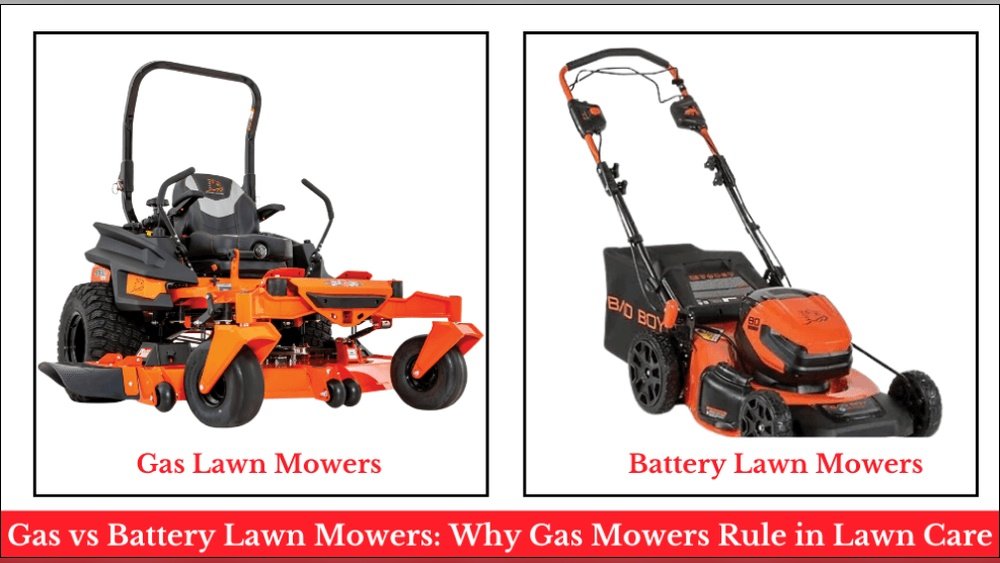
For many homeowners, keeping the yard tidy is a regular task. Choosing the right lawn mower can make this job much easier—or harder. Today, two main types stand out: battery lawn mowers and gas lawn mowers. Each has advantages and disadvantages, but picking the best one depends on your yard, your needs, and your budget.
The market has changed quickly in the last decade. Battery technology improved, and gas mowers became more efficient. But confusion is common. Many people wonder: Is battery really strong enough? Does gas make more sense for bigger lawns? Is maintenance easier with one type? If you want clear answers, this article will help you make a confident choice.
What Is A Battery Lawn Mower?
A battery lawn mower uses rechargeable batteries to power an electric motor. The motor spins the blade and moves the wheels if the model is self-propelled. Most battery mowers use lithium-ion batteries, which are lighter and hold more charge than older battery types.
You simply charge the battery, insert it, and start mowing. These mowers are often quieter and don’t emit fumes. They’re designed for ease and convenience, but there are limits to their power and run time.
Key Features
- Quiet operation: Typically 60-70 decibels, much less than gas mowers.
- No emissions: No exhaust or smell, making them suitable for eco-friendly users.
- Push-button start: No pulling a cord—just press a button.
- Lightweight design: Often 10-20 pounds lighter than gas models.
- Rechargeable battery: Most offer 30-60 minutes of mowing per charge.
Common Battery Types
- Lithium-ion: Most common. Offers quick charging, long life, and light weight.
- Nickel-cadmium: Older, heavier, less common. Slower to charge and less efficient.
Typical Battery Specs
- Voltage: 18V, 40V, 56V, or 80V. Higher voltage means more power.
- Amp-hours (Ah): Defines how long the battery lasts. Commonly 4-7 Ah.
What Is A Gas Lawn Mower?
A gas lawn mower uses a small gasoline engine to drive the blade and, if self-propelled, the wheels. These mowers have been popular for decades and are known for their power and long run time. They can handle thick grass and large yards, but require more maintenance.
Key Features
- Powerful engine: Usually between 140cc and 190cc for walk-behind models.
- Long run time: Can mow for hours with a full tank.
- Cord-pull start: Most require pulling a starter cord.
- Heavy-duty build: Often heavier and sturdier, made for tough jobs.
- Regular maintenance: Oil changes, air filter replacements, spark plug checks.
Typical Gas Engine Specs
- Engine size: 140cc to 200cc (cubic centimeters).
- Horsepower: 2.5 to 5 HP for most residential models.
- Fuel tank: 0.5 to 1 gallon, enough for 1-2 hours of mowing.

Battery Vs Gas Lawn Mower: Core Differences
To help you see the main contrasts, here’s a clear comparison.
| Feature | Battery Mower | Gas Mower |
|---|---|---|
| Noise Level | 60-70 dB | 85-95 dB |
| Start Type | Push-button | Pull-cord |
| Run Time | 30-60 min (per charge) | 1-2 hrs (per tank) |
| Emissions | None | Yes |
| Maintenance | Minimal | Regular (oil, filter, spark plug) |
| Weight | 35-60 lbs | 55-90 lbs |
| Cutting Power | Moderate | High |
| Price Range | $200-$600 | $250-$600 |
Performance: Cutting Power And Run Time
Battery Lawn Mower
Most battery mowers are strong enough for typical home lawns—grass up to 6 inches tall. Their power depends on battery voltage and motor quality. A 40V mower can handle regular jobs, while 56V or 80V models can tackle thicker grass.
But run time is limited. A single battery usually allows mowing for 30-60 minutes. Some models let you swap batteries for longer sessions. This is useful for bigger yards, but you need spare batteries charged and ready.
Gas Lawn Mower
Gas mowers excel in power. They can cut tall, thick, or wet grass without slowing down. Run time is rarely a problem—refill the tank and keep mowing. If you have a large yard (over 1/2 acre), gas may be better.
Gas mowers also have faster blade speeds, making them effective for challenging lawns.
Noise And Environmental Impact
Battery Lawn Mower
Battery mowers are much quieter—about as loud as a conversation. This matters if you mow early, live near neighbors, or dislike loud machines. There are no emissions or fuel smells, so they’re better for the environment.
Gas Lawn Mower
Gas mowers are loud, usually louder than traffic. They emit carbon monoxide and other gases, contributing to air pollution. According to the EPA, one hour of gas mower use can produce as much pollution as driving a car for hundreds of miles.
If you care about eco-friendliness, battery mowers have a clear advantage.
Maintenance: Time And Cost
Battery Lawn Mower
Maintenance is simple. There’s no oil, spark plug, or air filter. You only need to:
- Sharpen the blade once or twice a year.
- Clean the deck after use.
- Recharge batteries.
Some batteries last for hundreds of cycles. When they wear out, replacing a battery can cost $100-$150. But overall, battery mowers need less care.
Gas Lawn Mower
Gas mowers require regular maintenance:
- Change oil every 25-50 hours of use.
- Replace air filter once per season.
- Replace spark plug once per year.
- Clean or replace fuel filter.
Neglecting maintenance leads to poor performance and short lifespan. Some repairs can cost $50-$200. Over time, you spend more money and effort on upkeep.
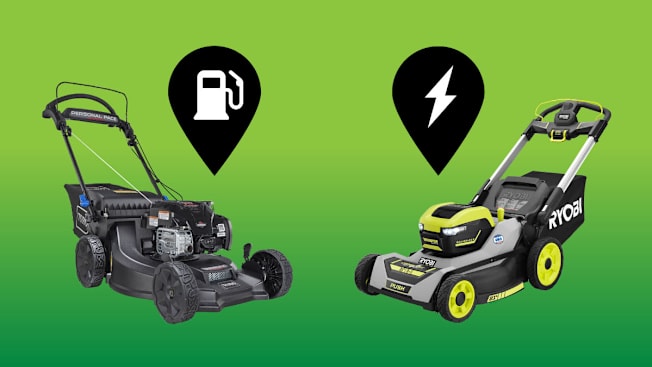
Ease Of Use
Battery mowers are easier for most users. Their lighter weight makes them simple to push or maneuver. Push-button start is a big advantage—no effort needed.
Gas mowers are heavier and harder to start. Pulling the cord can be tough, especially for older users. Some models have electric start, but these are rare and cost more.
Cost: Purchase Price And Lifetime Value
Battery Lawn Mower
Most battery mowers cost between $200-$600. High-end models with powerful batteries can cost $700+. You may need extra batteries ($100-$150 each) for larger lawns.
But you save money on fuel and maintenance. Over five years, battery mowers often cost less than gas models, especially for small yards.
Gas Lawn Mower
Gas mowers cost about $250-$600 for residential models. Commercial mowers can cost $1,000+. You need to buy gas (about $2-$4 per mow), oil, filters, and occasional repairs.
In the long run, gas mowers are more expensive for small lawns but may be more cost-effective for large properties.
Lawn Size And Terrain
Battery Lawn Mower
Battery mowers work best on:
- Yards up to 1/3 acre (about 15,000 square feet).
- Flat or gently sloped terrain.
- Grass heights up to 6 inches.
If you have a bigger yard, you’ll need extra batteries or a model with a long run time.
Gas Lawn Mower
Gas mowers are suited for:
- Yards up to 1 acre or more.
- Uneven, hilly, or rough terrain.
- Thick, tall, or wet grass.
Their power and endurance make them the better choice for tough jobs.
Safety
Battery mowers are safer. There’s no flammable fuel, and they stop quickly when you release the handle. Some have automatic blade stops for added security.
Gas mowers have risks. Handling gasoline can be dangerous. Engines stay hot and can cause burns. There’s also a risk of carbon monoxide if used in enclosed spaces.
Storage And Winterizing
Battery Lawn Mower
Battery mowers don’t require special storage. Just remove the battery and keep it indoors during winter. No need to drain fuel or oil.
Gas Lawn Mower
Gas mowers need careful winterizing:
- Drain fuel or add stabilizer.
- Change oil before storage.
- Clean the mower thoroughly.
Failure to winterize can cause engine problems.
Pros And Cons Summary
To help you decide, here’s a quick pros and cons comparison.
| Type | Pros | Cons |
|---|---|---|
| Battery Mower | – Quiet – Easy start – Low maintenance – Eco-friendly – Lightweight | – Limited run time – Battery replacement cost – Less cutting power – Not ideal for big lawns |
| Gas Mower | – Powerful – Long run time – Handles tough grass – Suitable for large lawns | – Loud – Requires maintenance – Emits fumes – Heavy |
Non-obvious Insights Beginners Miss
- Battery compatibility matters: Not all batteries fit all mowers. Some brands use unique battery shapes, so check before buying extras or replacement batteries.
- Charging time can affect workflow: If you use a battery mower and the battery runs out, you may need to wait 1-2 hours for a full recharge unless you own a spare. Planning ahead is important, especially for larger lawns.
- Gas engine power isn’t always fully used: Many homeowners buy gas mowers for power but don’t need it. If your grass is short and your yard is flat, a battery mower may actually be more efficient and easier.
- Deck size affects mowing time: Both types come in sizes from 14-22 inches. A bigger deck means fewer passes and quicker mowing but requires more strength to push.
Longevity And Durability
Battery Lawn Mower
Battery mowers typically last 5-7 years. The battery itself may need replacing every 3-5 years. The mower’s body and motor are often durable, but plastic parts can crack if handled roughly.
Gas Lawn Mower
Gas mowers can last 8-12 years or more with proper maintenance. Engines can be repaired, parts replaced, and the steel deck is tough. But neglect shortens their life.
User Experience And Comfort
Battery mowers are easier on the body. They’re lighter, create less vibration, and have ergonomic handles. Many users report less fatigue after mowing.
Gas mowers vibrate more, are harder to push, and can cause arm pain after long use. Some models have self-propelled wheels, but these add weight.
Popular Brands And Models
Battery Lawn Mower
- EGO Power+: Known for strong batteries and wide decks.
- Greenworks: Offers affordable models and easy battery swaps.
- Ryobi: Good for medium lawns, with many battery tools compatible.
- DeWalt: Durable, often used by professionals.
Gas Lawn Mower
- Honda: Reliable engines, long life.
- Toro: Strong cutting power, popular self-propelled models.
- Craftsman: Affordable, good for home use.
- Briggs & Stratton: Many engines used in different brands.
How To Choose: Key Factors
When deciding between battery and gas, consider these factors:
- Lawn size: Small to medium yards (under 1/3 acre) fit battery mowers. Large yards need gas.
- Grass type: Thick, wet, or tall grass may require gas power.
- Noise tolerance: If you dislike loud machines, battery is better.
- Maintenance willingness: If you don’t want regular maintenance, battery wins.
- Budget: Both types cost about the same, but battery mowers save on fuel and upkeep.
- Environmental concerns: Battery mowers are greener.
- Storage space: Battery mowers are smaller and easier to store.
Real-life Examples
- Mary, suburban homeowner: Mary has a 1/4 acre yard. She switched from gas to battery and found mowing easier, quieter, and faster. She needs to recharge after every mow but prefers the push-button start.
- Tom, rural property owner: Tom has 1 acre of thick grass. His gas mower handles tough spots and lasts all afternoon. He spends more on maintenance but needs the power and endurance.
Mistakes To Avoid
- Buying too much mower: Many people buy a gas mower for a tiny yard. This leads to wasted money and effort.
- Ignoring battery specs: Not all battery mowers are equal. Check voltage and amp-hours before buying.
- Skipping maintenance: Both types need blade sharpening. Gas mowers need more care—don’t neglect it.
- Forgetting about storage: Gas mowers need winterizing; battery mowers need battery care.
Battery Vs Gas: Comparison By Situation
Here are recommendations based on different needs.
| Situation | Best Choice | Reason |
|---|---|---|
| Small, flat yard | Battery mower | Easy, quiet, no maintenance |
| Large, uneven yard | Gas mower | More power, longer run time |
| Eco-friendly user | Battery mower | No emissions |
| Budget conscious | Battery mower | Lower lifetime cost for small yards |
| Commercial use | Gas mower | Endurance and durability |

Battery Vs Gas Lawn Mower: Future Trends
Battery mower technology is improving fast. Batteries are getting stronger and lasting longer. Some models now offer up to 90 minutes of run time. Manufacturers are developing fast chargers and swappable batteries.
Gas mowers are also evolving. New engines are more fuel-efficient and produce fewer emissions. But many cities are considering bans on gas mowers due to pollution.
California plans to phase out gas-powered lawn equipment by 2024, which could influence other states. If you want a future-proof mower, battery models are becoming more popular.
Battery Vs Gas Lawn Mower: Which Should You Choose?
For most homeowners, the decision comes down to lawn size and personal priorities.
- Choose a battery lawn mower if you want quiet, low-maintenance operation, and your lawn is small to medium.
- Choose a gas lawn mower if you need power, long run time, and handle big or tough lawns.
Think about how much noise you can tolerate, how much maintenance you’re willing to do, and how important eco-friendliness is to you. Test both types if possible before buying.
If you want more technical details and current regulations, visit the EPA’s official site.
Frequently Asked Questions
What Is The Average Lifespan Of A Battery Lawn Mower?
Most battery lawn mowers last 5-7 years. The battery may need replacing after 3-5 years, depending on use and care. Proper storage and avoiding deep discharge can extend battery life.
Can Battery Mowers Handle Thick Or Wet Grass?
High-voltage battery mowers (56V or 80V) can cut thick or wet grass, but their performance drops if the grass is very tall or dense. For challenging lawns, gas mowers are usually better.
Is Maintenance Really Easier With Battery Mowers?
Yes. Battery mowers don’t require oil changes, spark plug replacements, or fuel management. Blade sharpening and cleaning are still needed, but overall maintenance is much simpler.
How Long Does It Take To Charge A Battery Lawn Mower?
Charging time depends on the battery and charger. Most lithium-ion batteries take 1-2 hours to fully charge. Fast chargers can reduce this to under an hour.
Are Gas Lawn Mowers Being Banned?
Some cities and states, like California, are planning to ban gas-powered lawn equipment due to pollution concerns. Regulations are changing, so check local rules before buying.
Choosing between battery lawn mower and gas lawn mower isn’t always easy. But now you have the facts, examples, and advice to make a smart decision. Take your lawn size, needs, and priorities into account, and your yard will thank you for years to come.
As an Amazon Associate, We earn from qualifying purchases