
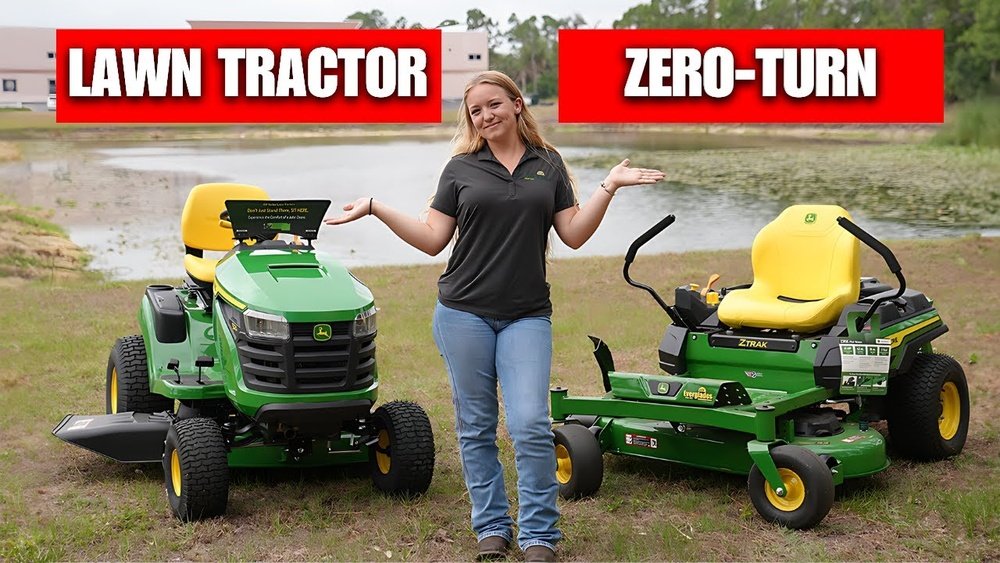
Riding Lawn Mower Vs Zero Turn: A Complete Guide
Choosing the right mower for your lawn is more than just picking a machine. You want something that makes mowing easier, saves time, and fits your budget. For most homeowners, the big question is: Should you buy a riding lawn mower or a zero turn mower? Both are popular, but they work very differently. Understanding these differences helps you avoid buying the wrong machine and wasting money.
Many buyers only look at price or brand, but there’s much more to consider. The size of your yard, the shape, obstacles like trees, and how much time you want to spend mowing—all these matter. Also, some mowers are much better for hills, while others shine on flat land.
If you want neat stripes, or need to mow fast, your choice will change.
This article breaks down everything you need to know. You’ll see clear comparisons, real examples, and expert advice. By the end, you’ll know exactly which mower suits you best.
What Is A Riding Lawn Mower?
A riding lawn mower is a machine you sit on and drive to cut grass. It looks a bit like a small tractor. The blades are under the mower, and you steer using a wheel. Riding mowers are popular for yards bigger than half an acre. They’re easy to use and less tiring than pushing a mower.
Key Features
- Steering wheel: Like a car, simple to control.
- Mid-mounted deck: Blades are under your seat.
- Speed: Usually 3–5 mph.
- Transmission: Manual or automatic.
- Attachments: Can pull carts, sweepers, or snow blades.
Ideal Uses
Riding mowers are best for:
- Medium to large yards (up to 2 acres)
- Simple shapes (rectangles or squares)
- Gentle slopes
- Few obstacles
They’re not as fast as zero turns, but they’re stable and easy to learn.
What Is A Zero Turn Mower?
A zero turn mower is a special riding mower made for speed and precision. Instead of a steering wheel, it uses two levers to control the wheels. This lets you turn in place, with a turning radius of zero. Zero turn mowers are designed for bigger lawns and professional use.
Key Features
- Two steering levers: Control each wheel separately.
- Rear-mounted engine: Often more powerful.
- Turning radius: Zero—can spin around without moving forward.
- Speed: Usually 5–8 mph.
- Wide decks: Often 42–72 inches.
Ideal Uses
Zero turn mowers work best for:
- Large lawns (1 acre and up)
- Complex shapes
- Lots of obstacles (trees, flower beds)
- Flat land
They mow fast and leave neat edges, but they are trickier to use on steep hills.

Main Differences Between Riding Lawn Mower And Zero Turn
Understanding the differences is key. Here’s a comparison in simple terms:
| Feature | Riding Lawn Mower | Zero Turn Mower |
|---|---|---|
| Steering | Wheel (like car) | Levers (each wheel) |
| Turning Radius | 12–18 inches | Zero |
| Mowing Speed | 3–5 mph | 5–8 mph |
| Deck Size | 30–54 inches | 42–72 inches |
| Best For | Simple yards, gentle slopes | Complex yards, flat land |
| Attachments | Many (carts, blades, sweepers) | Few (mostly mowing) |
| Learning Curve | Easy | Medium (needs practice) |
| Price Range | $1,500–$3,500 | $2,500–$6,000+ |
Performance: Speed, Efficiency, And Cut Quality
Speed
Zero turn mowers are much faster. Most models mow at 5–8 mph, while riding mowers average 3–5 mph. If you mow a big lawn, speed saves time. But remember, mowing too fast can leave uneven cuts.
Efficiency
Zero turn mowers are more efficient for complex yards. They turn quickly around trees, fences, and flower beds. Riding mowers need more space to turn, so you might have to go back and mow missed spots.
Cut Quality
Both types can cut well, but zero turn mowers tend to leave a cleaner finish. Their decks are wider and designed for even cuts. However, riding mowers are more forgiving for beginners. If you rush with a zero turn, you can scalp the grass or leave lines.
Non-obvious insight: Wide decks on zero turns help you mow faster, but they’re harder to use in tight spaces. If your yard has lots of narrow paths, a smaller deck may be better—even on a zero turn.
Maneuverability: Turning, Obstacles, And Hills
Turning
Zero turn mowers win here. Their turning radius is zero, so you can spin around without moving forward. This is perfect for mowing around obstacles and making sharp turns.
Riding mowers need space to turn. You may have to do a three-point turn or back up. This slows you down and can leave patches of grass uncut.
Obstacles
Zero turns handle obstacles well. Trees, bushes, and flower beds are easier to mow around. Riding mowers struggle with tight corners and circles.
Practical tip: If you have many obstacles, measure the smallest space you need to mow. Make sure your mower’s deck fits through.
Hills
This is where riding mowers do better. They have more weight in front and lower centers of gravity. On hills, zero turn mowers can slide, especially if the grass is wet. If your yard has steep slopes, a riding mower is safer.
Non-obvious insight: Some zero turn mowers have special tires or weight kits for hills, but they still don’t match riding mowers for stability.
Comfort And Ease Of Use
Riding Lawn Mower
These machines are comfortable and easy to learn. The steering wheel is familiar, and you don’t need much practice. Seats are padded, and controls are simple.
Zero Turn Mower
Zero turns can be harder for beginners. The levers take time to master. At first, you might jerk or spin too quickly. But after practice, they feel very natural.
Both types offer:
- High-back seats
- Cup holders
- Headlights (on some models)
- Cruise control (mainly riding mowers)
Practical tip: Try sitting on both types before buying. Some stores let you test drive in the parking lot.
Attachments And Versatility
Riding mowers are more versatile. You can attach carts, spreaders, snow blades, and sweepers. They work year-round, not just for mowing.
Zero turn mowers focus on mowing. Some can pull small carts, but attachments are limited. If you want a machine for all seasons, riding mowers are better.
| Attachment Type | Riding Mower | Zero Turn |
|---|---|---|
| Baggers | Yes | Yes |
| Mulching Kits | Yes | Yes |
| Snow Blades | Yes | No/rare |
| Carts/Trailers | Yes | Limited |
| Aerators | Yes | No |
| Sweepers | Yes | No |
Maintenance And Durability
Maintenance Needs
Both machines need regular care: oil changes, blade sharpening, air filter cleaning, and tire checks. Zero turn mowers often have more complex parts, especially in the steering. If something breaks, repairs can be costly.
Riding mowers are simpler. Parts are easy to find, and repairs are usually cheaper. If you plan to do your own maintenance, riding mowers are easier.
Durability
Zero turn mowers are built for heavy use. They have stronger frames and thicker decks. Professional landscapers use them every day. Riding mowers are made for homeowners and lighter work.
Non-obvious insight: Some riding mowers last 10–15 years if cared for. Zero turn mowers can last longer, but only if you follow strict maintenance.
Price, Value, And Cost Of Ownership
Initial Price
Riding mowers start at $1,500–$3,500 for most models. Zero turn mowers start at $2,500–$6,000 and can go higher.
Long-term Value
Zero turn mowers save time, so they can be worth the extra cost for big lawns. Riding mowers are cheaper and more versatile, but slower.
Cost Of Ownership
Include fuel, maintenance, repairs, and attachments. Zero turns use more fuel, and their parts can be expensive. Riding mowers use less fuel and need simpler repairs.
Practical tip: Calculate how much time and money you spend mowing each year. Sometimes buying the faster mower pays off in saved hours.
Safety Considerations
Riding Lawn Mowers
These are safer on hills and rough terrain. The steering wheel gives you more control, and the front-heavy design keeps you stable.
Zero Turn Mowers
Zero turns can tip or slide on hills. Their rear wheels drive the machine, so if the ground is slippery, you may lose control. Always mow up and down hills, not across.
Practical tip: Read the manual carefully. Many accidents happen because people mow too fast or ignore slope warnings.
Non-obvious insight: Some zero turn models have safety switches that stop the blades if you leave the seat. Riding mowers also have this, but zero turns are stricter.
Choosing The Right Mower: Step-by-step Guide
Picking the best mower is not just about specs. Here’s a simple guide to help you:
- Measure your yard: Find out the size, shape, and slope.
- List obstacles: Trees, flower beds, fences.
- Decide on attachments: Do you need to haul, sweep, or clear snow?
- Think about speed: How much time do you want to spend mowing?
- Check your budget: Include fuel, repairs, and extras.
- Test drive: Try both types if possible.
- Read reviews: Look for feedback on your chosen model.
Common mistake: Many buyers pick a zero turn for speed, but regret it when mowing hills. Always match your mower to your yard.
Real-world Examples
Let’s look at two homeowners:
Example 1: Mark’s Suburban Yard
Mark has a 1-acre yard, mostly flat, with trees and flower beds. He tried a riding mower first, but spent hours going around obstacles. After switching to a zero turn, his mowing time dropped from 90 minutes to 45. He learned the levers in a week. Mark says the zero turn leaves a cleaner cut, and he can mow around trees easily.
Example 2: Lisa’s Hilly Property
Lisa lives on 2 acres with hills and rough spots. She bought a zero turn for speed, but it slid on slopes. After two weeks, she switched to a riding mower. The steering wheel made her feel safer, and she could mow up and down hills without slipping. She uses attachments for hauling mulch in spring and clearing snow in winter.
Non-obvious insight: Test your mower on wet grass. Some zero turns lose grip, while riding mowers keep steady.
Pros And Cons Of Each Type
Here’s a summary:
Riding Lawn Mower
Pros:
- Easy to use
- Stable on hills
- Many attachments
- Lower price
Cons:
- Slower mowing
- Harder to turn around obstacles
- Less precise cut
Zero Turn Mower
Pros:
- Fast mowing
- Turns on a dime
- Clean, even cut
- Great for complex yards
Cons:
- Harder to use on hills
- Fewer attachments
- Higher price
- Steeper learning curve
Advanced Features To Look For
Modern mowers come with extras. Here are some features that matter:
- Hydrostatic transmission: Smooth speed control, no gears.
- LED headlights: Mow early or late.
- High-back seat: More comfort for long jobs.
- Hour meter: Tracks usage for maintenance.
- Electric blade engagement: Easier to start blades.
- Suspension system: Reduces bumps (mainly zero turns).
Practical tip: Don’t pay extra for fancy features you won’t use. Sometimes simple is better.

Environmental Impact
Both mowers use gas, but some newer models are electric. Electric zero turn mowers are rare and expensive. Gas mowers produce emissions, but riding mowers use less fuel. If you want to reduce your footprint, look for models with efficient engines.
Non-obvious insight: Zero turn mowers can mow faster, so they use less fuel per job, but their engines are bigger. Check EPA ratings for your model.
Comparing Popular Models
Here’s a look at well-known brands:
| Brand | Riding Mower Model | Zero Turn Model | Deck Size | Price (USD) |
|---|---|---|---|---|
| John Deere | E130 | Z335E | 42 in / 42 in | $2,399 / $2,999 |
| Husqvarna | YTH24V54 | Z254 | 54 in / 54 in | $2,999 / $3,199 |
| Craftsman | T240 | Z5400 | 46 in / 50 in | $2,499 / $3,499 |
| Cub Cadet | XT1 LT42 | ZT1 50 | 42 in / 50 in | $2,099 / $3,499 |
Practical tip: Compare deck sizes, prices, and features—not just brands. Sometimes smaller brands offer more for less.
Are Zero Turn Mowers Worth The Price?
Many buyers ask if zero turn mowers are worth paying more. If your lawn is big, flat, and full of obstacles, yes. You’ll save hours each month. But for small or hilly yards, a riding mower is smarter.
Non-obvious insight: Professional landscapers use zero turns because time is money. For homeowners, value depends on your yard.
How To Avoid Common Buying Mistakes
- Don’t buy a zero turn just for speed. Make sure your yard is right for it.
- Don’t pick a riding mower if you need fast, precise mowing around many obstacles.
- Try before you buy. Test steering and comfort.
- Check warranty and service. Repairs can be expensive.
- Ask about local dealer support. Some brands have better parts availability.
Where To Learn More
If you want to dive deeper into mower types, yard care, or expert reviews, check this helpful resource: Wikipedia: Lawn Mower.
Frequently Asked Questions
What Is The Main Difference Between A Riding Lawn Mower And A Zero Turn Mower?
The biggest difference is how you steer. Riding mowers use a steering wheel; zero turn mowers use levers. Zero turns can spin in place, making mowing around obstacles easy.
Which Mower Is Better For Hills?
A riding lawn mower is safer and easier on hills. Zero turn mowers can slide or tip, especially if the grass is wet.
Can I Use Attachments With Zero Turn Mowers?
Zero turn mowers can use baggers and mulching kits, but most other attachments (carts, sweepers, snow blades) are made for riding mowers.
How Fast Do Zero Turn Mowers Go?
Most zero turn mowers mow at 5–8 mph. Riding mowers are slower, at 3–5 mph.
How Long Do These Mowers Last?
With good care, riding mowers last 10–15 years, zero turn mowers can last 15–20 years. Maintenance is key.
Choosing the right mower makes lawn care easier, faster, and safer. Always match your mower to your yard, not just your budget. With the right machine, you’ll enjoy mowing—and have more time for other things.

As an Amazon Associate, We earn from qualifying purchases