
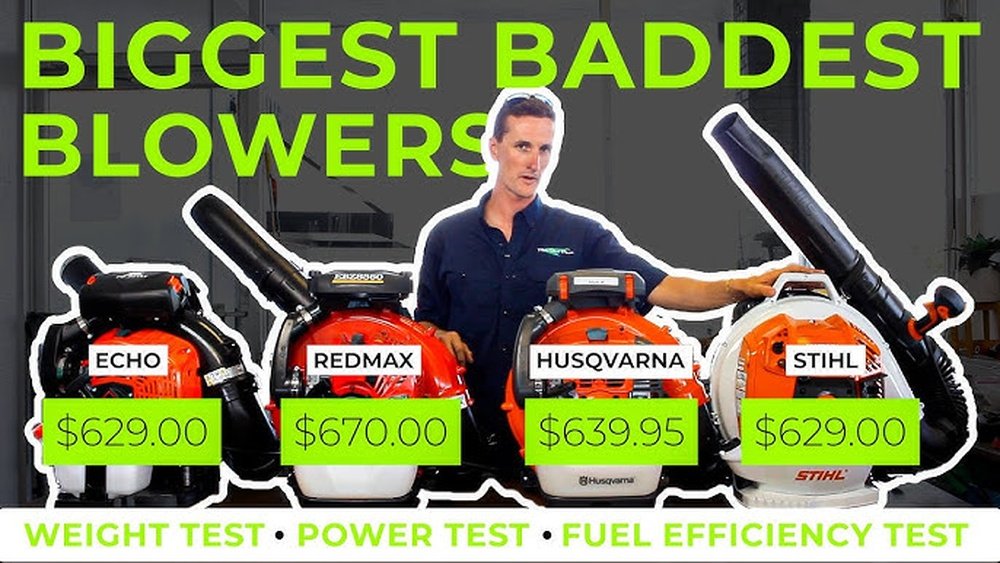
If you’re searching for a leaf blower, you’ve probably seen two big names: Echo and Husqvarna. Both brands are trusted by homeowners, landscapers, and professionals who want to clear leaves and debris quickly. But deciding between Echo and Husqvarna isn’t always simple. Each company offers a wide range of models, with different features, strengths, and prices. Some people want raw power, others care about noise, weight, or ease of use. And most shoppers have questions: Which brand lasts longer? Which is easier to start? Do they really differ in fuel efficiency, or is it just marketing?
This guide dives deep into the Echo vs Husqvarna leaf blower debate. You’ll get clear comparisons, real-world insights, and practical advice. Whether you’re a first-time buyer or upgrading after years of use, you’ll learn what actually matters—and how to avoid common mistakes. By the end, you’ll know exactly which brand and model fits your needs.
Brand Backgrounds: Echo And Husqvarna
Echo and Husqvarna both have long histories, but their roots and reputations are a bit different.
Echo is a Japanese company, part of the Yamabiko Corporation. They’ve been making outdoor power tools since the 1970s, focusing on reliability and user-friendliness. Echo’s leaf blowers are popular in the US, especially with homeowners who want machines that “just work” and last for years.
Husqvarna is a Swedish brand with centuries of experience (founded in 1689). They started with weapons, then sewing machines, and now are famous for chainsaws, trimmers, and blowers. Husqvarna targets both professionals and serious DIYers who want durability, performance, and innovation.
What does this mean for you? Both brands are trustworthy and have excellent service networks. But their design philosophies show in how the machines feel and operate.
Types Of Leaf Blowers Offered
Both Echo and Husqvarna make several types of leaf blowers. Understanding these will help you narrow your choices.
Handheld Blowers
Handheld blowers are small, lightweight, and easy to use for quick cleanups. They come in gas-powered and battery-powered versions.
- Echo: Their handhelds are known for easy starts and low vibration. Popular models: PB-2520, PB-250LN.
- Husqvarna: Focus on balance and ergonomic design. Popular models: 125B, 320iB (battery).
Backpack Blowers
Backpack blowers are larger and more powerful. They’re worn like a backpack, so the weight is on your shoulders, not your arms.
- Echo: Known for their pro-grade power and long life. Models like the PB-580T and PB-770 are favorites among landscapers.
- Husqvarna: Offer both homeowner and commercial models. The 350BT and 570BTS are standouts.
Battery (cordless) Blowers
Both brands now have cordless battery models—quiet, no fumes, and easy to start. These are best for small yards or places where noise is a concern.
- Echo: Their 58V lineup, like the CPLB-58V2AH, targets homeowners wanting less hassle.
- Husqvarna: The 320iB is a strong performer with low weight.
Walk-behind/wheeled Blowers
Echo does not focus on this type, while Husqvarna offers a few for commercial users, but these are less common and not the main choice for most people.

Comparing Power And Performance
Most buyers want a leaf blower that’s strong enough to move wet leaves, pine needles, or even small debris. But what does “power” really mean? Two main specs matter:
- CFM (Cubic Feet per Minute): Measures air volume—how much air the blower moves.
- MPH (Miles Per Hour): Measures air speed—how fast the air comes out.
But a high MPH with low CFM (or vice versa) is not always better. It’s the combination that matters. Here’s a head-to-head look at top models:
| Model | Type | CFM | MPH | Engine Size |
|---|---|---|---|---|
| Echo PB-580T | Backpack (Gas) | 510 | 215 | 58.2 cc |
| Husqvarna 350BT | Backpack (Gas) | 494 | 180 | 50.2 cc |
| Echo PB-2520 | Handheld (Gas) | 453 | 170 | 25.4 cc |
| Husqvarna 125B | Handheld (Gas) | 425 | 170 | 28 cc |
Looking at these numbers, Echo often leads in CFM (volume), while Husqvarna is competitive in MPH (speed). But the differences are often small in real-world use.
Non-obvious insight: Higher CFM can help more with large piles or heavy, wet leaves, while higher MPH is better for moving stuck debris or cleaning cracks.
Weight, Comfort, And Ergonomics
A powerful leaf blower is useless if it’s too heavy or uncomfortable to use. Both brands invest in ergonomic design, but their approaches differ.
Handheld Models
- Echo handhelds are usually lighter, with cushioned handles and low vibration. For example, the PB-2520 weighs about 8.6 lbs.
- Husqvarna handhelds like the 125B are close (9.4 lbs) but often praised for balance—meaning less fatigue over long sessions.
Backpack Models
Backpack units are heavier but spread the load across your shoulders and hips.
- Echo PB-580T: Around 22.6 lbs. Well-padded straps, back padding, and accessible controls.
- Husqvarna 350BT: Roughly 22.5 lbs. Known for its harness system and hip belt, which reduces strain.
Non-obvious insight: Test the harness fit if possible. Some people find Echo straps better for broad shoulders; others prefer Husqvarna’s hip support for long use.
Starting Systems And Ease Of Use
Nobody likes fighting with a pull cord, especially on cold mornings. Both Echo and Husqvarna use advanced starting tech, but there are differences.
- Echo: Features like “i-30” starting system reduce pulling effort by 30%. Most models start in 2-3 pulls, even if cold.
- Husqvarna: Uses “Smart Start” and air purge systems. This removes air from the carburetor and fuel system, so the engine fires up faster and with less resistance.
Tip: Always use fresh fuel, and follow maintenance tips to keep starting easy—stale gas is the #1 cause of hard starting.
Noise Levels
Leaf blowers are noisy—there’s no way around it. But some are quieter than others. Noise is measured in decibels (dB), and even small differences matter.
- Echo handhelds: Usually around 70 dB(A) at 50 feet (PB-250LN is a “low noise” model).
- Husqvarna handhelds: The 125B is about 94 dB(A) at the operator’s ear.
- Backpack models: Generally 70-75 dB(A) at 50 feet.
Practical point: If you have close neighbors or noise restrictions, check your city rules. Battery models are always quieter but less powerful.
Fuel Efficiency And Runtime
Gas blowers burn fuel, but how much varies a lot.
- Echo: Models like the PB-580T run about 2 hours on a full tank (62 fl oz).
- Husqvarna: The 350BT gets close to 2 hours (42.27 fl oz tank), thanks to their X-Torq engine which uses up to 20% less fuel.
Battery models (both brands): Typically 20–40 minutes per charge, depending on power setting and battery size.
Tip: For large properties, gas models win for runtime. For small yards, batteries are fine—and you can buy extra batteries for longer jobs.
Durability And Maintenance
Both Echo and Husqvarna are built to last if you maintain them, but there are some differences.
- Echo: Metal parts in key areas (fan, housing) and commercial-grade engines. Owners report 5–10 years with proper care.
- Husqvarna: Also uses quality materials, with a focus on rust-resistant parts and easy-to-access air filters.
Maintenance:
- Change air filters every season.
- Use the correct oil mix for gas models (usually 50: 1).
- Keep the carburetor clean and check spark plugs yearly.
Practical mistake to avoid: Forgetting to run the engine dry or use fuel stabilizer before storage leads to gummed carbs and hard starting.

Special Features And Innovations
Both brands add features that make leaf blowing easier, but each has its focus.
- Echo: Offers cruise control (locks throttle), vibration reduction, and easy-to-access tubes for cleaning.
- Husqvarna: Highlights include adjustable tube length, easy-to-reach controls, and the “X-Torq” engine (lower emissions, better fuel use).
Some models have unique extras:
- Echo PB-770: Has a leaf guard to prevent clogging, and a see-through fuel tank.
- Husqvarna 570BTS: Dual-stage air filter for dusty environments, and a commercial-grade harness.
Price And Value
Price varies by model, power, and features. Here’s a quick comparison of popular units:
| Model | Average Price | Warranty (Consumer/Commercial) |
|---|---|---|
| Echo PB-580T | $330–$370 | 5 yrs / 2 yrs |
| Husqvarna 350BT | $320–$370 | 2 yrs / 1 yr |
| Echo PB-2520 | $150–$170 | 5 yrs / 2 yrs |
| Husqvarna 125B | $140–$170 | 2 yrs / 1 yr |
Echo usually offers longer warranties, which shows confidence in their durability. Husqvarna tends to price similarly but sometimes includes extra accessories (like extra tubes or harnesses).

Service, Parts, And Support
A leaf blower is only as good as the support you get when something goes wrong.
- Echo: Hundreds of service centers across the US. Parts are widely available, and repairs are straightforward.
- Husqvarna: Also has a large dealer network, plus good online support and manuals.
Tip: Buy from a local dealer if possible. They can help with warranty work and give practical tips.
Real-world User Feedback
What do actual owners say? Online reviews, forums, and YouTube videos reveal a lot.
- Echo: Praised for reliability, easy starts, and long life. People like the strong airflow and simple maintenance.
- Husqvarna: Loved for comfort, smooth operation, and innovative engines. Some users mention easier handling during long jobs.
Common complaint for both: Both brands’ gas models are heavy for elderly users or those with physical limits. Battery models solve this but are less powerful.
Non-obvious insight: Many users recommend wearing hearing protection and eye safety glasses—something first-time buyers forget.
Choosing The Right Brand And Model For You
How do you decide between Echo and Husqvarna? Start with your needs:
- Yard Size: For large lots or lots of debris, go backpack. Small yards? Handheld or battery models are fine.
- User Strength: If you have back or shoulder issues, test a few models for comfort.
- Noise and Regulations: Battery models are best for quiet neighborhoods. Some cities ban gas blowers.
- Budget: Both brands offer good value, but Echo’s longer warranty adds peace of mind.
- Power Needs: Wet leaves, pine needles, or heavy debris? Go for higher CFM.
Don’t buy on specs alone. Visit a dealer, lift the units, and try the controls. Sometimes the “feel” matters more than numbers.
Head-to-head: Echo Vs Husqvarna—who Wins?
There’s no single winner—it depends on what you value. Here’s a quick summary:
- Echo: Best for those wanting maximum reliability, easy starts, and long warranty.
- Husqvarna: Great for comfort, balance, and fuel efficiency.
Experience-based advice: If you need a tool that will start after months of storage and work for 10 years, Echo is a top pick. If you plan to use your blower for hours at a time, Husqvarna’s ergonomic harness may save your back.
Comparing Specific Models
Let’s look at two direct rivals: Echo PB-580T vs Husqvarna 350BT.
- Echo PB-580T: More CFM, slightly more power, longer warranty. Good for heavy-duty jobs.
- Husqvarna 350BT: Lighter, better harness, uses less fuel. Good for long sessions.
For handhelds:
- Echo PB-2520: Lighter, easy to start, strong airflow.
- Husqvarna 125B: Balanced, reliable, good for basic yard work.
Tip: If you want “plug and play,” Echo’s i-30 start and long warranty are hard to beat. If you want comfort and lower fuel use, Husqvarna’s Smart Start and X-Torq engine shine.
Environmental Impact
Gas blowers create emissions, but both brands are working to reduce their footprint.
- Echo: Meets CARB and EPA standards. Their engines are cleaner than old models.
- Husqvarna: X-Torq engine cuts emissions by up to 60% and uses up to 20% less fuel.
Battery models are even greener, with zero direct emissions.
Tip: If you want the smallest footprint, go battery or use your gas blower only when needed.
Where To Buy And What To Look For
You can buy both brands at big box stores, local dealers, or online. Dealers often provide better support and can show you how to use or maintain your blower.
Watch out for:
- Gray market imports (models not meant for your country)
- Refurbished units with short warranties
- Too-good-to-be-true deals—often missing key accessories
Always register your purchase for warranty coverage.
For more in-depth technical info, check the Consumer Reports leaf blower reviews.
Frequently Asked Questions
Which Leaf Blower Is More Durable, Echo Or Husqvarna?
Both brands are built to last, but Echo often edges out Husqvarna for durability thanks to commercial-grade parts and longer warranties. With proper care, either can last 5–10 years or more.
Are Echo Or Husqvarna Leaf Blowers Easier To Start?
Both brands have easy-start systems. Echo uses the i-30 system (less pulling effort), while Husqvarna features Smart Start and air purge. In practice, Echo models are slightly more likely to start on the first or second pull.
Which Brand Makes Quieter Leaf Blowers?
Echo offers some “low noise” models like the PB-250LN, while Husqvarna’s battery models are also quiet. In general, battery blowers from both brands are the quietest, but among gas models, the difference is small.
Is It Worth Paying Extra For A Backpack Blower?
If you have a large yard, lots of leaves, or plan to use your blower often, a backpack model is worth the price. They are more comfortable and more powerful than handhelds, but heavier and louder.
Can I Use The Same Gas And Oil In Both Echo And Husqvarna Blowers?
Yes, both brands require a 50:1 mix of gasoline to 2-cycle oil. Use high-quality oil and fresh gas for best results. Always check your manual for specific recommendations.
Whether you choose Echo or Husqvarna, you’re getting a quality tool that will make yard work faster and easier. Focus on your own needs, try the models if you can, and you’ll end up with a blower that works for you for years to come.
As an Amazon Associate, We earn from qualifying purchases