
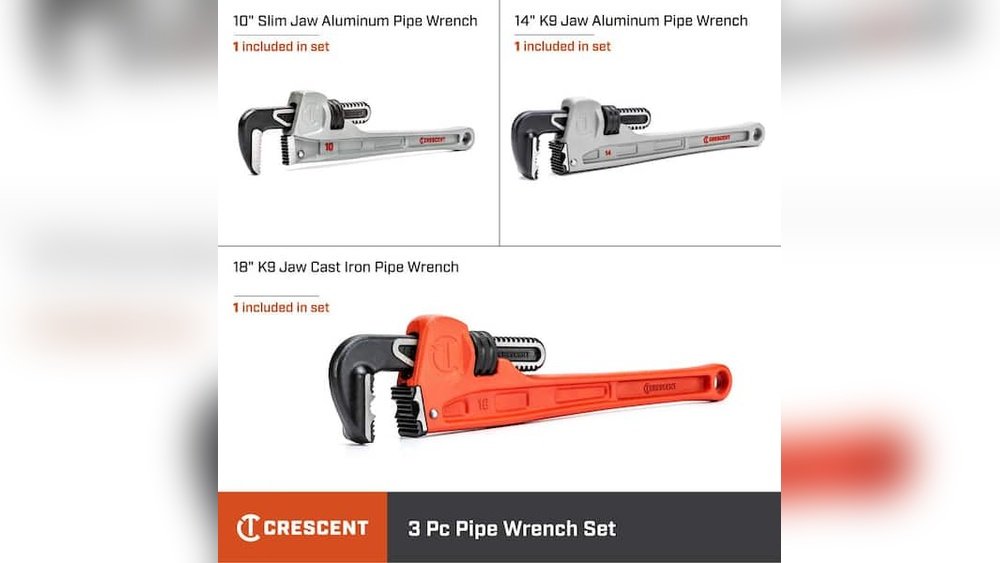
When you’re about to fix a leaking pipe or tighten a stubborn joint, the tool you pick can make a big difference. In plumbing, the pipe wrench is one of the most essential hand tools. But when you stand in the tool aisle or scroll online, you’ll see pipe wrenches made from two main materials: cast iron and aluminum. At first glance, they may look similar, but their differences matter a lot—especially if you use them often or for tough jobs.
Choosing between a cast iron and aluminum pipe wrench is not just about weight. It’s about durability, price, safety, and even how you feel at the end of a long workday. Many plumbers and DIYers don’t realize the hidden advantages and trade-offs until they’ve used both for years. In this guide, you’ll get a complete comparison of cast iron vs aluminum pipe wrench—so you can buy confidently, work smarter, and avoid common mistakes.
What Is A Pipe Wrench?
A pipe wrench is a heavy-duty tool designed to turn threaded pipes and pipe fittings. It uses adjustable jaws and serrated teeth to grip round objects tightly. When you apply force, the wrench bites into the pipe, making it easier to twist and loosen or tighten plumbing connections.
Pipe wrenches come in different sizes (from 8 inches to 48 inches or more) and are widely used by plumbers, HVAC technicians, and even in oil fields. The choice of material—cast iron or aluminum—affects everything from grip strength to fatigue.
Cast Iron Pipe Wrench: Features And Benefits
A cast iron pipe wrench is the traditional standard in plumbing. Most classic models, like the original Stillson wrench, are made from strong cast iron. Here’s why professionals trust them:
1. High Strength And Durability
Cast iron is extremely tough. These wrenches can handle heavy torque and resist bending, even when used on large or stuck pipes. They’re less likely to break under pressure.
2. Long Lifespan
Because of their rugged construction, cast iron wrenches can last for decades—sometimes even passed down through generations. As long as you keep them clean and oil the moving parts, they rarely wear out.
3. Stable Grip
The extra weight of cast iron helps the wrench grip pipes more securely. The tool’s mass reduces slippage, especially on bigger pipes where more force is needed.
4. Cost-effective
Cast iron wrenches are often less expensive than their aluminum counterparts. This makes them a good choice for people starting out or those who need several sizes.
5. Heat Resistance
Cast iron handles high temperatures better than aluminum. This is important in some industrial settings where pipes may be hot.
Drawbacks Of Cast Iron Pipe Wrenches
- Heavy: The biggest downside is weight. A 24-inch cast iron wrench can weigh over 5 pounds, which gets tiring during long jobs or overhead work.
- Rust Prone: Cast iron rusts more easily if not cared for properly. Regular oiling helps, but it’s a real concern in humid environments.
- Less Portable: The bulk makes it less convenient for tool bags or working in tight spaces.
Aluminum Pipe Wrench: Features And Benefits
The aluminum pipe wrench is a newer alternative, popular for being much lighter. Manufacturers like RIDGID and Milwaukee have made aluminum models that rival cast iron in everyday use.
1. Lightweight Design
Aluminum wrenches are typically 30% to 50% lighter than cast iron. For example, a 24-inch aluminum wrench might weigh just 3. 5 pounds. This makes a huge difference when you’re working overhead or carrying multiple tools.
2. Reduced Fatigue
Because they’re lighter, aluminum wrenches are ideal for all-day use. You’ll notice less arm and shoulder strain, especially in repetitive tasks or awkward positions.
3. Corrosion Resistance
Aluminum doesn’t rust like cast iron. It handles wet environments better, and you can store it with less worry about maintenance.
4. Easy To Handle
The lighter weight and often slimmer design make aluminum wrenches easier to maneuver in tight or awkward spots.
5. Modern Engineering
Many aluminum wrenches have improved ergonomics, such as comfortable grips or spring-loaded jaw adjustments, making them user-friendly.
Drawbacks Of Aluminum Pipe Wrenches
- Lower Maximum Strength: Aluminum is strong, but not as tough as cast iron. It’s more likely to bend or deform if pushed past its limit—especially on large, stuck pipes.
- Higher Price: Aluminum models often cost more, sometimes 20–40% higher than a similar cast iron wrench.
- Possible Slippage: The lighter weight can mean less bite on large pipes, requiring more hand pressure.
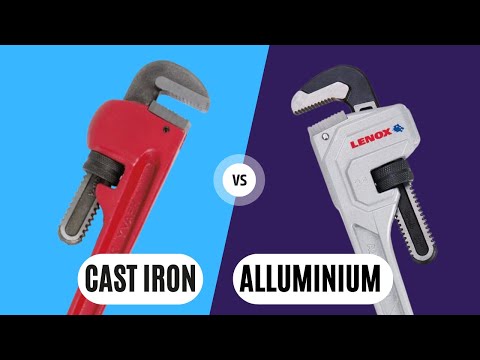
Direct Comparison: Cast Iron Vs Aluminum Pipe Wrench
To help you see the differences at a glance, here’s a side-by-side comparison:
| Feature | Cast Iron Pipe Wrench | Aluminum Pipe Wrench |
|---|---|---|
| Weight | Heavy (e.g., 24” = 5 lbs) | Light (e.g., 24” = 3.5 lbs) |
| Strength | Very high (less likely to bend) | High but less than cast iron |
| Rust Resistance | Rusts easily if not maintained | Highly resistant to rust |
| Price | Usually lower | Usually higher |
| Fatigue | More tiring for long use | Much less tiring |
| Typical Use | Heavy-duty, large pipes | Frequent, overhead, or mobile work |
When To Choose Cast Iron Pipe Wrenches
A cast iron pipe wrench is best for situations where power and durability are more important than weight. Here are some scenarios where cast iron shines:
1. Large-diameter Pipes
When you’re working with pipes 2 inches or bigger, or fittings that are old and stuck, the extra strength of cast iron is a big advantage.
2. Industrial And Commercial Jobs
In factories, shipyards, or oil refineries, heavy-duty tools are a must. Cast iron wrenches handle abuse, high torque, and rough conditions.
3. Occasional Use
If you only need a pipe wrench for rare repairs, the heavier weight is less of a problem. Cast iron gives you reliability without extra cost.
4. Budget Constraints
Cast iron is the way to go if you need to buy several sizes or keep costs low.
Non-obvious Insight
Many new users overlook that cast iron wrenches provide better balance when used with heavy pipes. The weight helps stabilize the tool, reducing the risk of slippage or injury.
When To Choose Aluminum Pipe Wrenches
An aluminum pipe wrench is the best fit for users who value comfort, speed, and portability.
1. Long Shifts Or Repetitive Work
If you’re a plumber working full days, the reduced weight adds up. You’ll finish jobs faster and with less pain.
2. Overhead And Tight Spaces
Aluminum wrenches are easier to hold above your head or squeeze into cramped areas.
3. Tool Bag Or Mobile Use
If you move between sites or climb ladders often, carrying lighter tools saves energy and reduces injury risk.
4. Wet Or Humid Environments
Because aluminum resists corrosion, it’s the smarter choice if you work in basements, outdoors, or anywhere moisture is common.
Non-obvious Insight
Some pros don’t realize that aluminum wrenches are less likely to damage delicate pipe coatings. The lighter weight means less accidental gouging, which matters for copper or decorative piping.

Real-world Examples
Let’s look at two common jobs and see which wrench works better:
Changing A Water Heater
You need to disconnect old 1. 5-inch steel pipes in a basement. The joints are rusty and tight.
- Best Choice: Cast iron pipe wrench
- Why: The strength and weight help break the joint loose without damaging the wrench.
Installing A Bathroom Sink
You’re working under a vanity, connecting small 0. 75-inch pipes in a tight space.
- Best Choice: Aluminum pipe wrench
- Why: The lighter tool is less tiring and easier to maneuver in confined areas.
Safety Considerations
Both types of wrenches require respect and proper technique, but the material affects safety in subtle ways.
Cast Iron
- Can shatter if dropped: Cast iron is hard but brittle. A hard fall on concrete can crack the frame.
- Heavy impact: If the wrench slips or falls, it can cause serious injury because of its weight.
- Handle with care: Avoid over-tightening, which can stress the metal.
Aluminum
- Potential for bending: If you use an aluminum wrench on a pipe that’s too large or stuck, the handle can bend.
- Less risk of injury from dropping: It’s lighter, so less dangerous if it slips.
- Don’t use as a hammer: Aluminum is softer and can deform if used to hit objects.
General Safety Tips
- Always use the right size wrench for the pipe.
- Keep jaws clean and sharp for better grip.
- Wear gloves and eye protection.
- Don’t add extension pipes (“cheater bars”) for extra leverage—this can damage both types.
Cost Comparison
Price is often a deciding factor, especially for new plumbers or DIYers. Here’s a look at typical retail prices (as of 2024):
| Wrench Size | Cast Iron Price | Aluminum Price |
|---|---|---|
| 10 inch | $18–$25 | $28–$35 |
| 18 inch | $35–$45 | $55–$70 |
| 24 inch | $55–$70 | $80–$110 |
| 36 inch | $105–$140 | $150–$210 |
Aluminum wrenches are generally 20–60% more expensive, depending on the brand and size.
Longevity And Maintenance
Both types of wrenches can last many years if cared for, but they have different needs.
Cast Iron
- Needs regular oiling to prevent rust.
- Check for cracks after drops or heavy use.
- Clean teeth to keep grip sharp.
Aluminum
- Less maintenance needed due to rust resistance.
- Inspect for bends in handle after tough jobs.
- Clean moving parts to prevent seizing.
Neglecting maintenance can shorten the lifespan of both types. One common beginner mistake is storing a wet cast iron wrench in a closed toolbox, which leads to rapid rust.
Environmental Impact
Few people consider the environmental effects, but material choice matters:
- Cast iron is made from recycled metal in many cases and is fully recyclable, but production is energy-intensive.
- Aluminum requires more energy to produce from raw ore, but it’s also highly recyclable and lighter, saving fuel in transport.
If you want the most eco-friendly option, look for brands that use recycled materials and manufacture locally.
User Experience: What Do Plumbers Prefer?
Surveys show a split: about 60% of professional plumbers own both types and pick based on the job. Many start with cast iron for value and add aluminum as they do more overhead or mobile work.
In online reviews, users often mention:
- Cast iron’s reliability for big jobs
- Aluminum’s comfort for long days
- Some complain about bent aluminum handles, but this is usually due to using the wrong size or too much force
Common Mistakes When Choosing A Pipe Wrench
1. Buying Only By Price
Cheaper isn’t always better—some no-name brands use poor-quality metal.
2. Picking The Wrong Size
A 10-inch wrench won’t handle a 2-inch pipe, no matter the material.
3. Ignoring Weight
If you do a lot of overhead work, even a small weight difference adds up.
4. Using One Wrench For Everything
Even pros need a set—one cast iron for heavy jobs, one aluminum for light or mobile work.
5. Not Checking For Brand Quality
Stick to well-known brands like RIDGID, Milwaukee, or Bahco for reliability and safety.
How To Choose The Right Pipe Wrench For You
Here are some steps to help you make a smart choice:
1. Assess Your Work Type
Are you doing home repairs, or big commercial jobs? Occasional or daily use?
2. Consider Physical Strength And Fatigue
If you tire easily or have wrist issues, aluminum is a better choice.
3. Think About Environment
If you work in wet or humid areas, aluminum’s rust resistance is valuable.
4. Budget
If you’re on a tight budget, start with cast iron, then add aluminum as needed.
5. Try Before You Buy
If possible, handle both types in-store. The feel in your hand matters.
6. Start With A Middle Size
An 18- or 24-inch wrench covers most plumbing needs.
Advanced Tips For Pipe Wrench Owners
- Sharpen or replace jaws when they get dull—good grip is key to safety.
- Mark your tools with your name or color to prevent loss on job sites.
- Store wrenches hanging or in a dry place to prevent rust or bending.
- Use the right jaw opening—too wide or too tight reduces grip and wears out the teeth.
- Never use a pipe wrench on nuts or bolts—it will round them off. Use a proper wrench instead.
The Bottom Line
Both cast iron and aluminum pipe wrenches have their place in the toolbox. Cast iron wins on raw strength, lower price, and stability on big jobs. Aluminum is the clear choice for long, repetitive, or overhead work where fatigue and portability matter. The best professionals own both, and choose based on the job.
If you’re just starting, go with a quality cast iron wrench in a medium size. If you find yourself working often or in challenging positions, invest in a good aluminum wrench next. Remember, the right tool not only makes the job easier but also keeps you safer and working longer.
For deeper technical details about pipe wrenches, visit the Wikipedia page on Pipe Wrenches.
Frequently Asked Questions
What Size Pipe Wrench Should I Buy First?
Most people start with an 18-inch or 24-inch pipe wrench. This size works for common plumbing tasks at home. It can handle pipes from about 0.75 to 2 inches. If you only buy one, this is the most versatile.
Can Aluminum Pipe Wrenches Break Easily?
Aluminum wrenches rarely break, but they can bend if used on pipes that are too large or stuck. Always use the correct size and avoid using excessive force. Never use a cheater bar with an aluminum wrench.
How Do I Prevent My Cast Iron Pipe Wrench From Rusting?
After use, wipe your wrench dry and apply a thin layer of oil to the metal parts. Store it in a dry place. If rust appears, remove it with a wire brush and oil again. Keeping the tool clean is the key to long life.
Is A Cast Iron Pipe Wrench Better For Professionals?
Many professionals prefer cast iron for heavy-duty work or large pipes because of its strength and stability. However, most own both types and use aluminum for light, overhead, or frequent jobs to reduce fatigue.
Are All Pipe Wrenches The Same, Except For The Material?
No. Besides material, wrenches vary by jaw design, handle shape, weight, and brand quality. Always check for strong teeth, smooth jaw movement, and a comfortable grip before buying.
With this guide, you should now feel ready to pick the best pipe wrench for your needs—and avoid the mistakes that cost beginners time, money, and safety.
As an Amazon Associate, We earn from qualifying purchases