
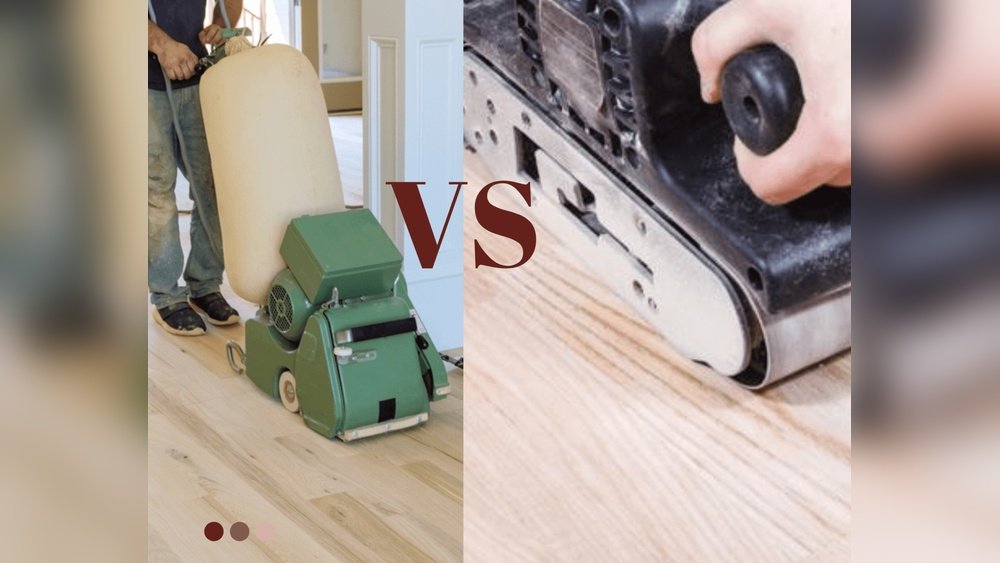
Drum Sander Vs Belt Sander: Which Tool Should You Choose?
If you work with wood, you probably know how important sanding is for a smooth, beautiful finish. But when it comes to large sanding jobs, choosing between a drum sander and a belt sander can be confusing. Each tool has its own strengths, weaknesses, and ideal use cases. Making the right choice can save you time, money, and even prevent costly mistakes in your woodworking projects.
In this article, you’ll discover how drum sanders and belt sanders compare in terms of design, performance, ease of use, cost, and more. We’ll look at real-world examples, discuss maintenance, and help you understand which sander fits your needs best.
Whether you’re a hobbyist, contractor, or someone tackling a home renovation, this guide will give you the clarity and confidence to pick the right sander for the job.
What Is A Drum Sander?
A drum sander is a power tool designed to sand large, flat surfaces. It uses a rotating drum wrapped with sandpaper. As you push the machine over wood, the abrasive surface removes material quickly and evenly.
Drum sanders are often found in professional workshops and are used for tasks like:
- Smoothing hardwood floors
- Leveling table tops
- Flattening glued panels
They come in both stationary models (where you feed wood into the machine) and walk-behind floor versions. Drum sanders are heavy, powerful, and can remove a lot of material in a short amount of time.
Key features of drum sanders:
- Heavy-duty motors, usually 1–5 HP
- Large sanding drums (8–12 inches wide)
- Adjustable pressure and speed controls
- Require a dust collection system
What Is A Belt Sander?
A belt sander uses a continuous loop of sandpaper stretched over rollers. The belt moves at high speed, sanding the material underneath. Belt sanders come in handheld or stationary versions and are valued for their versatility.
Common uses include:
- Stripping paint or finishes from wood
- Smoothing rough boards
- Fitting doors and panels
Belt sanders are lighter than drum sanders and are easier to control for smaller jobs or edges.
Key features of belt sanders:
- Lighter, portable design
- Sanding belts from 3–6 inches wide
- Quick belt-change mechanisms
- Available in both handheld and benchtop models
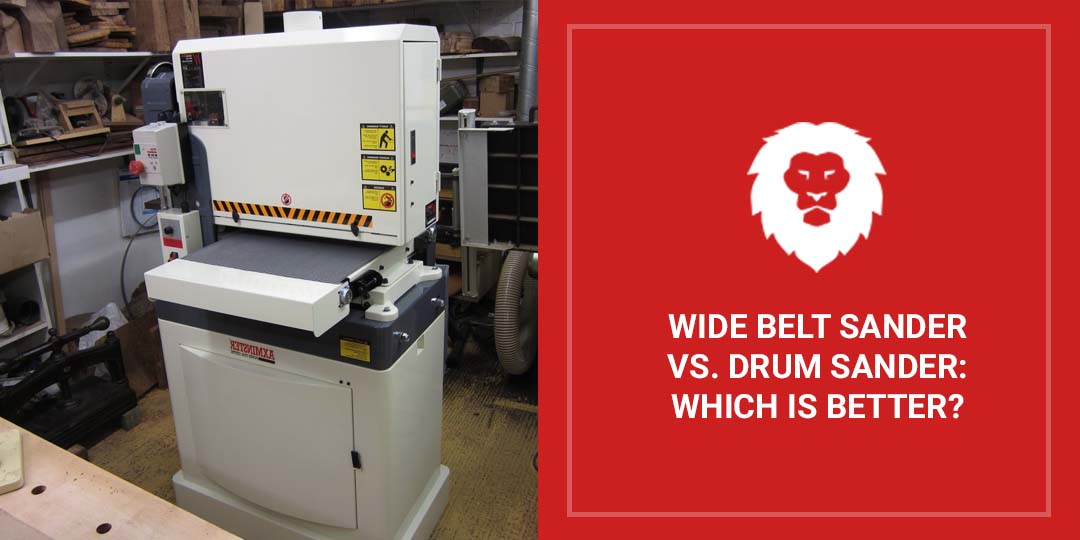
Drum Sander Vs Belt Sander: Head-to-head Comparison
Choosing between a drum sander and a belt sander depends on your project needs. Let’s compare the two across several important factors.
Design And Construction
| Feature | Drum Sander | Belt Sander |
|---|---|---|
| Size & Weight | Large, heavy (50–200 lbs) | Compact, light (5–20 lbs) |
| Type | Stationary or floor | Handheld or benchtop |
| Sandpaper | Wraps around drum | Continuous belt |
| Motor Power | 1–5 HP | 0.5–1.5 HP |
Drum sanders are built for power and stability. They can handle thick stock and large surfaces. However, they are bulky and may require two people to move.
Belt sanders are designed for portability and versatility. You can use them vertically, horizontally, or even upside down for tricky spots.
Performance And Speed
Material removal: Drum sanders remove more material per pass. They are ideal for flattening and leveling large boards or floors.
Precision: Belt sanders give you more control for edges, corners, and curves. They are less likely to leave gouges if handled properly.
Finish quality: Drum sanders can leave sanding marks if the drum isn’t set up correctly. Belt sanders may create swirl marks if you move the tool in circles or stay too long in one spot.
Ease Of Use
- Drum sander: Requires practice. If you stop moving, you can easily gouge the wood. Setting the right pressure is crucial.
- Belt sander: Easier for beginners. Portable models are simple to start with, though you still need to keep the sander moving to avoid uneven sanding.
Applications: When To Use Each Sander
Drum Sander
Best for:
- Hardwood floor refinishing – Quickly strips old finish and smooths out uneven boards.
- Leveling large panels – Useful for doors, tables, or wide planks.
- Removing tough imperfections – Can handle cupped or warped boards.
Belt Sander
Best for:
- Quick material removal on small surfaces – Perfect for edges, corners, and narrow boards.
- Stripping paint or varnish – Great for doors, windows, and furniture.
- Shaping and rounding – Works well on curved pieces.
Cost Comparison
| Sander Type | Average Price (USD) | Maintenance Cost (Annual) | Sandpaper Cost (Per Unit) |
|---|---|---|---|
| Drum Sander | $1,000–$4,000 (stationary) | $100–$300 | $5–$15 |
| Belt Sander | $50–$300 (handheld) | $20–$50 | $2–$8 |
Drum sanders are a big investment, mostly for professionals or serious DIYers. Rentals are available, costing about $40–$60 per day.
Belt sanders are affordable for most hobbyists. Replacement belts are cheap and easy to find.
Maintenance And Care
Drum sanders need regular drum cleaning, sandpaper changes, and dust collection. Incorrect setup can cause uneven sanding or machine damage. Always check the drum alignment before starting.
Belt sanders require frequent belt checks, dust bag cleaning, and sometimes roller adjustments. Jammed belts or worn rollers can reduce performance.
Non-obvious tip: For both sanders, use a vacuum system or dust extractor. Fine dust can damage lungs and ruin the machine’s motor over time.
Safety Considerations
- Drum sanders: Always wear hearing protection. These machines are loud and produce lots of dust.
- Belt sanders: Wear eye protection and avoid loose clothing. The exposed belt can catch fabric or hair.
Pro insight: Never leave a running sander stationary on wood. It only takes a few seconds to burn or gouge the surface.
Common Mistakes Beginners Make
- Using too coarse sandpaper: This can leave deep scratches. Start with medium grit and finish with fine.
- Pushing down too hard: Let the sander do the work. Excess pressure causes uneven surfaces and wears out sandpaper quickly.
- Ignoring dust collection: Dust buildup leads to poor sanding and possible machine failure.
- Not checking for nails or staples: Any metal left in the wood can destroy sandpaper and damage the sander.
Which Sander Is Right For You?
It depends on your main projects:
- For floor refinishing or large tabletops, a drum sander is best. It’s fast and powerful.
- For furniture, small pieces, or detail work, choose a belt sander. It’s versatile and easy to handle.
If you do both types of work, consider owning a belt sander and renting a drum sander for big jobs.
Real-world Examples
Example 1: A contractor refinishing a 1,500 sq ft hardwood floor used a drum sander first to remove the old finish and level the boards. Afterward, they switched to a belt sander for the edges and corners the drum sander couldn’t reach.
Example 2: A hobbyist building a dining table used a belt sander to shape the legs and smooth the edges. For flattening the tabletop, they rented a stationary drum sander, which saved hours compared to hand sanding.
Interesting fact: Some woodworkers use both sanders in a single project. The drum sander handles the heavy lifting, and the belt sander finishes with detail work.
Pros And Cons Of Drum Sanders
Pros:
- Extremely efficient for large surfaces
- Delivers a flat, even finish
- Saves time on big jobs
Cons:
- Expensive to buy and maintain
- Heavy and hard to move
- Requires skill to avoid mistakes
Pros And Cons Of Belt Sanders
Pros:
- Affordable and portable
- Good for detail and edge work
- Easy to change belts and adjust speed
Cons:
- Not suitable for very large surfaces
- Can leave marks if not used correctly
- Less powerful than drum sanders
Environmental And Health Considerations
Both sanders produce a lot of fine dust. Always use a dust mask or respirator, and connect your sander to a dust collection system. Some woods, like oak or walnut, produce dust that can cause allergies or breathing problems.
Extra tip: Clean your workspace after each sanding session. Dust can ruin finishes and affect air quality for days.
Choosing Sandpaper: Drum Vs Belt Sanders
| Sander Type | Grit Range | Best Uses |
|---|---|---|
| Drum Sander | 24–120 | Rough leveling, flattening, first sanding pass |
| Belt Sander | 40–220 | Edge work, paint removal, finishing passes |
Non-obvious insight: Always match the sandpaper grit to your project. Starting with too fine a grit wastes time and wears out sandpaper. Finish with a higher grit for a smooth surface.

Renting Vs Buying
Drum sanders are often rented due to their high price and limited use. Most hardware stores offer rental options, and some even include a quick tutorial.
Belt sanders are affordable to own and are a good investment for most woodworkers. They’re handy for repairs, renovations, and creative projects.
Trusted Resources For Further Learning
If you want to learn more about sanding tools and woodworking, check out this in-depth guide from Popular Woodworking. It covers tool reviews, setup tips, and advanced techniques.

Frequently Asked Questions
What Is The Main Difference Between A Drum Sander And A Belt Sander?
The main difference is that a drum sander is designed for large, flat surfaces and removes more material quickly, while a belt sander is more portable and versatile, suitable for edges, corners, and smaller areas.
Can I Use A Belt Sander Instead Of A Drum Sander For Floors?
You can use a belt sander for small floor sections or edges, but it will be much slower for large areas. Drum sanders are built for fast, even sanding of entire floors.
Which Sander Is Better For Beginners?
Most beginners find belt sanders easier to use. They are lighter, less aggressive, and easier to control, reducing the risk of damaging the wood.
How Do I Prevent Sanding Marks With Either Sander?
Always keep the sander moving, use the right grit sequence, and finish with finer sandpaper. Never press down too hard, and check for debris or nails before sanding.
Is It Worth Buying Both A Drum Sander And A Belt Sander?
For most people, owning a belt sander and renting a drum sander when needed is the best option. Professionals who do a lot of floor work or large panels may invest in both.
Choosing between a drum sander and a belt sander depends on your projects, budget, and workspace. By understanding their differences and best uses, you’ll achieve better results and enjoy your woodworking more.
As an Amazon Associate, We earn from qualifying purchases