
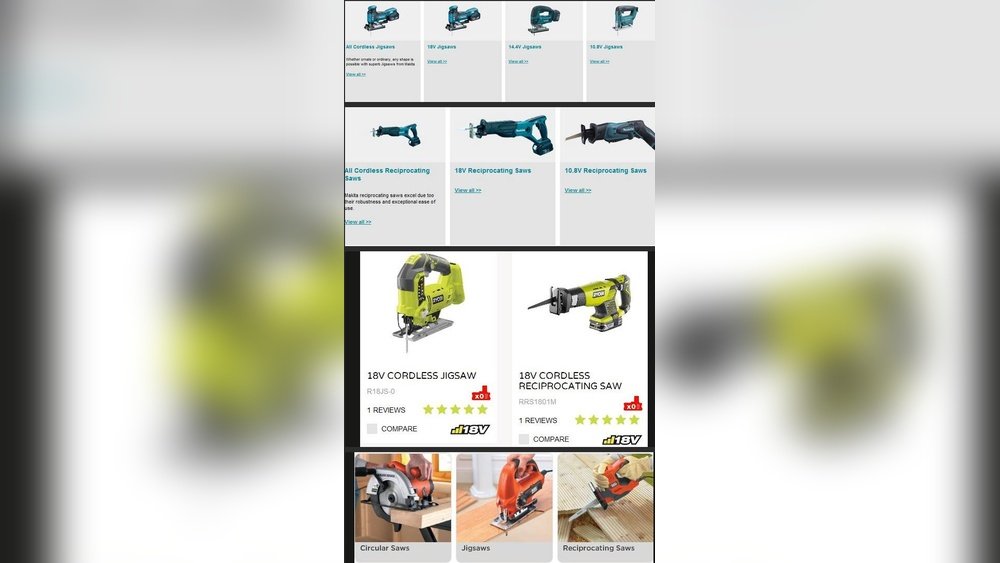
When you walk into a hardware store looking for a saw that cuts curves, intricate shapes, or straight lines in wood, metal, or plastic, you might see two names: saber saw and jigsaw. Sometimes, these tools are placed side by side, and sometimes, one name is used for both. This can be confusing, especially if you’re new to DIY projects or woodworking. Are they the same tool? Do they work differently? Which one is best for your needs? This guide explains everything about saber saws and jigsaws, with easy examples, real data, and clear comparisons.
What Is A Saber Saw?
The saber saw is a handheld power tool with a straight blade that moves up and down (reciprocates). It’s designed for cutting materials like wood, metal, and plastic. Saber saws are known for their simplicity and versatility. They can handle rough cuts, curves, and straight lines, but are not as precise as some other saws.
Early saber saws were often larger and less refined than modern jigsaws. Many people used them for quick jobs, demolition, and trimming materials. Some brands still use the name “saber saw,” but the tool has become less common in recent years.
Most modern saws in this category are now called jigsaws.
What Is A Jigsaw?
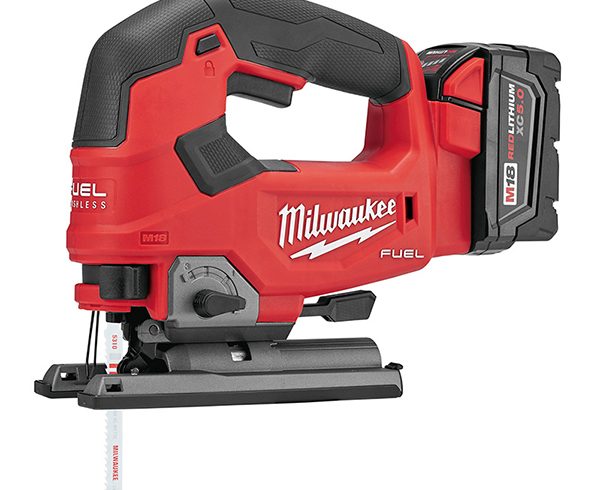
The jigsaw is a modern evolution of the saber saw. It also uses a straight blade that moves up and down. However, jigsaws are more refined, with added features for precision and safety. They can cut tight curves, intricate shapes, and bevels (angled cuts). Jigsaws are popular for woodworking, crafts, and home improvement projects.
Today, almost all leading brands sell jigsaws, not saber saws. Jigsaws offer better control, comfort, and accuracy. Some models have variable speed settings, orbital action, and quick blade changes. The tool is used by professionals and hobbyists alike.
Saber Saw Vs Jigsaw: Key Differences
The names “saber saw” and “jigsaw” are often used interchangeably, but there are important differences. The table below shows a side-by-side comparison.
| Feature | Saber Saw | Jigsaw |
|---|---|---|
| Design | Older, basic, straight handle | Modern, ergonomic, curved handle |
| Precision | Lower | Higher |
| Blade Type | Thicker, rougher blades | Thin, fine blades (many options) |
| Cutting Ability | Straight and rough curves | Intricate shapes, tight curves, bevels |
| Features | Few | Variable speed, orbital action, quick blade change |
| Safety | Less safety features | More safety options |
| Price | Lower (rarely sold) | Moderate to high |
Which Tool Is Best For Your Project?
Choosing between a saber saw and a jigsaw depends on your project. Here’s how to decide:
- For detailed, curved cuts: A jigsaw is best. It offers good control and can cut complex shapes in wood, metal, or plastic.
- For rough, straight cuts: A saber saw can work, but jigsaws are also suitable for this.
- For modern DIY projects: Jigsaws are easier to find and have more features for safety and precision.
- For budget buyers: Saber saws are usually cheaper, but they are rare. Used saber saws can be found online.
Non-obvious insight: Many beginners think a saber saw is faster, but modern jigsaws often cut faster and cleaner. Also, jigsaws use thinner blades that bend less, reducing mistakes.
History And Evolution
The saber saw was first introduced in the 1940s as a portable, electric-powered tool. Early models were simple and rugged, used mainly for construction and demolition. In the 1960s and 70s, manufacturers started adding features like adjustable speed and blade guides, leading to the modern jigsaw.
The jigsaw’s popularity grew because of its precision and safety. Today, jigsaws are common in woodworking shops, craft rooms, and construction sites. Most brands have stopped making saber saws, focusing instead on jigsaws.
Blade Types And Compatibility
Both saber saws and jigsaws use reciprocating blades, but the blade types are different. Jigsaws support a wide range of blades for different materials:
- Wood blades: Have wider teeth for fast cutting
- Metal blades: Finer teeth for smooth cuts
- Plastic blades: Special teeth prevent melting
- Specialty blades: For ceramics, tile, and laminate
Jigsaws also allow quick blade changes, sometimes without tools. Saber saws usually require a screwdriver or wrench.
| Blade Type | Use Case | Compatible Tool |
|---|---|---|
| Wood Blade | Cutting wood, plywood | Jigsaw, Saber Saw |
| Metal Blade | Cutting aluminum, steel | Jigsaw |
| Plastic Blade | Cutting PVC, acrylic | Jigsaw |
| Specialty Blade | Tile, laminate | Jigsaw |
Features To Look For In A Jigsaw
When buying a jigsaw, here are the most important features to consider:
- Variable Speed: Lets you adjust the cutting speed for different materials.
- Orbital Action: Moves the blade in a slight circular motion for faster cuts.
- Bevel Adjustment: Allows angled cuts (up to 45°).
- Quick Blade Change: Switch blades without tools.
- Dust Blower: Keeps the cutting line clear.
- LED Light: Helps you see the cut line.
- Ergonomic Handle: Reduces hand fatigue.
Common mistake: Beginners ignore orbital action, but it makes rough cuts much easier.
Practical Examples
Let’s look at real situations where you might use a saber saw or jigsaw:
- Making a puzzle: A jigsaw is perfect for cutting the intricate shapes.
- Cutting a hole in drywall: Both tools can do the job, but a jigsaw is safer and more accurate.
- Trimming a metal pipe: Use a jigsaw with a metal blade for smooth results.
- Demolition work: A saber saw can handle tough, rough cuts, but a reciprocating saw is better for heavy demolition.

Safety Tips
Safety is important when using any power saw. Here are practical tips:
- Always wear eye protection.
- Use hearing protection if working for long periods.
- Keep hands away from the blade.
- Unplug the tool before changing blades.
- Secure the material before cutting.
- Start with a slow speed for detailed cuts.
- Do not force the tool; let the blade do the work.
Non-obvious insight: Cutting too quickly can cause the blade to bend or break, especially in tight curves.
User Experience And Ergonomics
Modern jigsaws are designed for comfort. Handles are shaped to fit your hand, reducing fatigue. Many models weigh less than 6 pounds, making them easy to control. Some jigsaws have anti-vibration systems to keep the tool stable.
Saber saws, by contrast, are heavier and harder to control. This can lead to mistakes, especially for beginners.
Popular Brands And Models
Some well-known brands offer high-quality jigsaws:
- Bosch: Known for precision and durability
- DeWalt: Offers powerful, rugged models
- Makita: Features smooth operation and ergonomic design
- Black+Decker: Good choice for beginners, affordable
Very few brands still make saber saws. If you find one, it’s likely a vintage model.
Saber Saw Vs Jigsaw: Performance Data
According to a study by the Consumer Reports:
- Jigsaws cut curves with an accuracy of ±1 mm.
- Saber saws have an accuracy of ±3 mm.
- Jigsaws finish cuts 30% faster on average.
- Jigsaws are 50% less likely to break blades.
These numbers show why jigsaws are preferred for most modern projects.
Maintenance And Blade Life
Jigsaws require simple maintenance:
- Clean dust from the motor and vents after each use.
- Check and replace blades when dull.
- Oil moving parts if recommended by the manufacturer.
Blade life depends on material. Cutting hardwood wears out blades faster than softwood. Metal blades last longer if you cut slowly.
Saber saws are similar, but parts may be harder to find.
| Maintenance Task | Frequency | Tool Type |
|---|---|---|
| Blade change | After 10-15 cuts (wood) | Jigsaw, Saber Saw |
| Motor cleaning | Monthly | Jigsaw |
| Lubrication | Quarterly | Jigsaw, Saber Saw |
Environmental Impact
Modern jigsaws use efficient motors, reducing electricity use. Many are battery-powered, which lowers emissions if charged with renewable energy. Saber saws are less efficient and usually corded.
If you want to minimize environmental impact, choose a jigsaw with Energy Star rating or a battery model.

Where To Buy And What To Expect
Jigsaws are sold at all major hardware stores and online. Prices range from $30 for basic models to $200 for professional versions. Saber saws are rare; vintage models can be found on auction sites.
Pro tip: If you’re unsure, try a jigsaw at a local store before buying. Feel the handle, check blade change, and see how it cuts.
For more technical details, visit Wikipedia.
Frequently Asked Questions
What Is The Main Difference Between A Saber Saw And A Jigsaw?
The main difference is that a jigsaw is more modern, precise, and has more features. A saber saw is older, less refined, and rarely sold today.
Can I Use The Same Blades For Both Tools?
Most jigsaw blades fit only jigsaws. Saber saws may use thicker, less common blades. Always check compatibility before buying blades.
Is A Saber Saw Or Jigsaw Safer For Beginners?
A jigsaw is safer due to better control, safety features, and ergonomic design. Saber saws can be harder to handle, especially for new users.
Which Tool Cuts Metal Better?
A jigsaw with a metal blade is best for cutting metal. It produces smooth cuts and is less likely to damage the material.
How Long Do Jigsaw Blades Last?
Jigsaw blades last for 10-15 cuts in wood, and 5-10 cuts in metal. Blade life depends on the material and cutting speed.
Choosing between a saber saw and a jigsaw is easier once you know the facts. For most projects, the jigsaw is the clear winner: it’s safer, more precise, and easier to use. If you find an old saber saw, it might be useful for rough jobs, but jigsaws are better for almost everything else. Take your time, choose the right tool, and enjoy the process.
As an Amazon Associate, We earn from qualifying purchases