
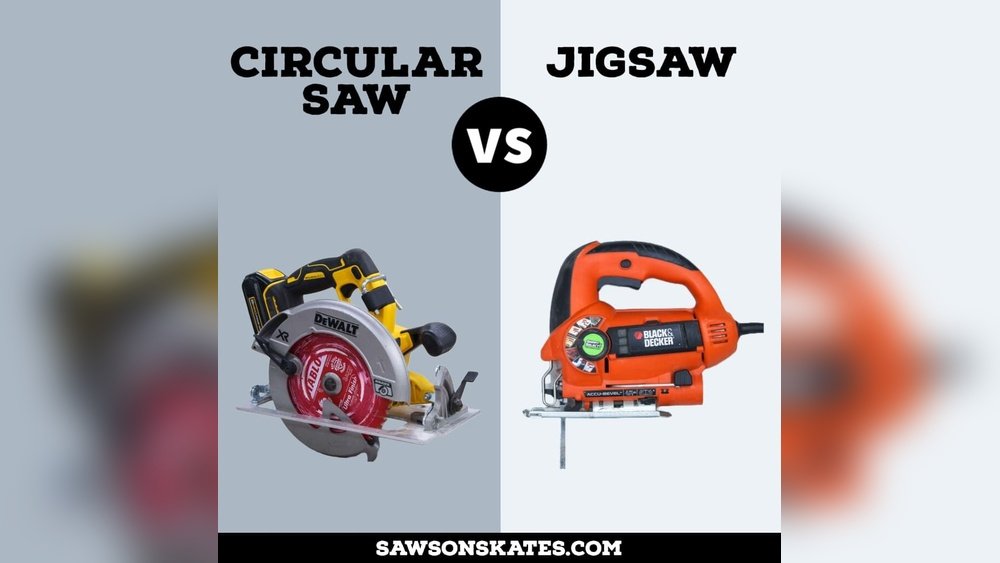
When you start working with wood or home projects, you quickly realize that not all saws are the same. Two of the most popular power tools are the jigsaw and the circular saw. Both can cut wood, plastic, and even metal, but they do the job in very different ways. Choosing between them can be confusing, especially for beginners. If you want to know which one is best for your DIY tasks, understanding their strengths, weaknesses, and main uses is essential.
This guide will break down everything you need to know about jigsaws and circular saws. You’ll learn how each tool works, what jobs they handle best, and the differences that matter most in real projects. By the end, you’ll have the confidence to pick the right saw for your next job—and avoid mistakes that cost time and money.
What Is A Jigsaw?
A jigsaw is a handheld power tool that uses a small, straight blade moving up and down quickly. It’s designed for making curved cuts, detailed shapes, and even straight lines in a variety of materials. Jigsaws are lightweight and easy to control, which makes them popular for both beginners and experienced woodworkers.
Jigsaws are especially useful for:
- Cutting complex patterns (like circles or waves)
- Making inside cuts (starting from a drilled hole)
- Cutting in tight spaces where larger tools won’t fit
They are often used for installing sinks in countertops, making craft projects, or trimming laminate flooring.
Key Features Of A Jigsaw
- Blade moves vertically: The up-and-down motion allows for curved and intricate cuts.
- Variable speed: Many models let you adjust how fast the blade moves.
- Easy blade changes: Most jigsaws have tool-less systems for swapping blades.
- Bevel cuts: Some jigsaws tilt to cut at angles, usually up to 45 degrees.
Jigsaws work with many blade types for wood, metal, or plastic. The right blade makes a big difference in cut quality.
What Is A Circular Saw?
The circular saw is a powerful tool with a round, spinning blade. It’s designed mainly for straight cuts in wood, sheet goods, and other building materials. Because of its speed and power, it’s a favorite for jobs like cutting plywood, building decks, or framing walls.
Circular saws are best for:
- Long, straight cuts (cross-cuts and rip cuts)
- Cutting large sheets of wood or plywood
- Quick work on construction sites
Most circular saws are handheld, but some are mounted on tables for even straighter cuts.
Key Features Of A Circular Saw
- Rotating blade: Makes fast, smooth straight cuts.
- Adjustable depth: You can set how deep the blade goes.
- Bevel capability: Most models tilt for angled cuts, often up to 45 degrees.
- High power: Cuts thick materials quickly.
Blades for circular saws come in different sizes and tooth counts, designed for specific materials and results.
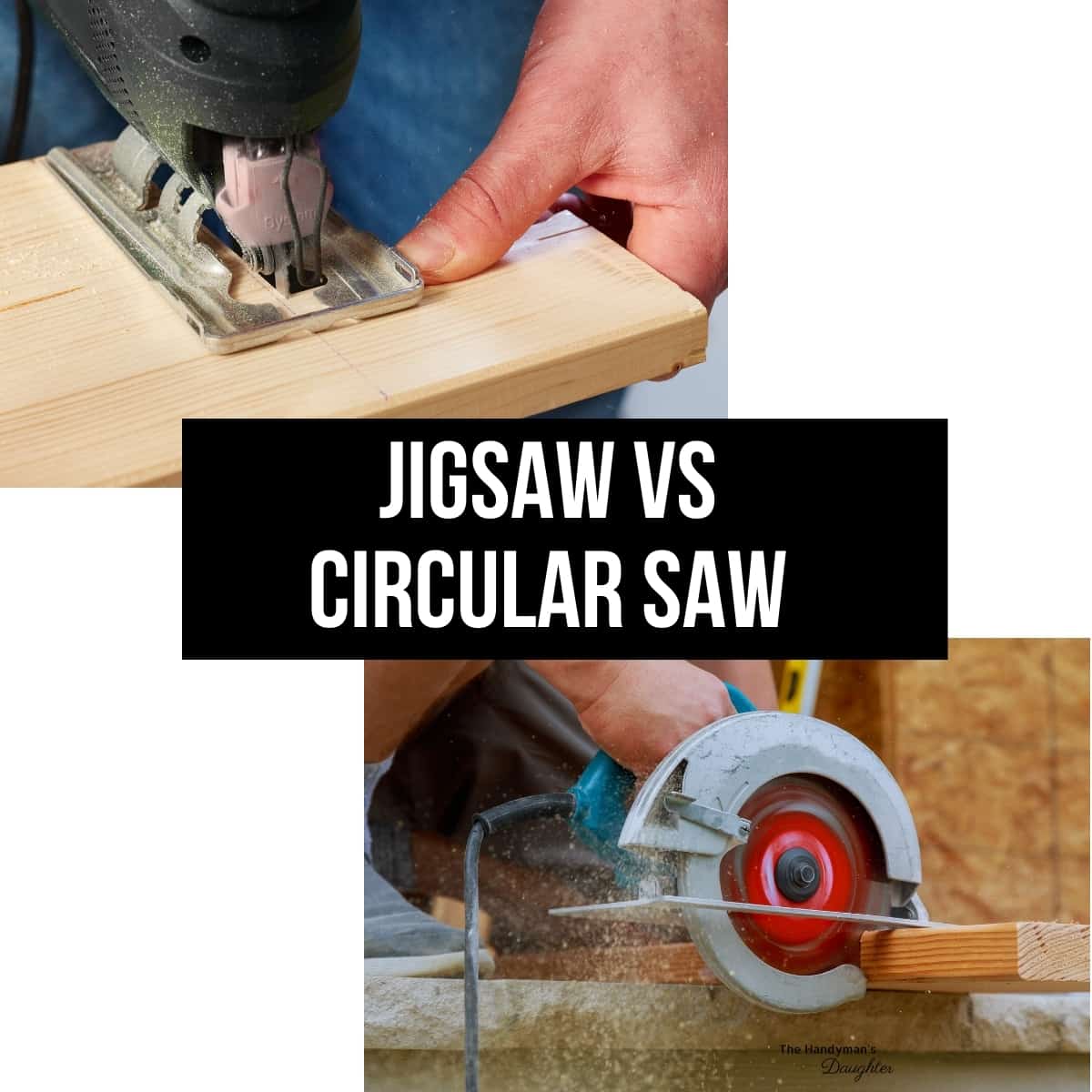
Head-to-head: Jigsaw Vs Circular Saw
To help you choose the right tool, let’s compare the jigsaw and circular saw in several key areas.
| Feature | Jigsaw | Circular Saw |
|---|---|---|
| Main Cut Type | Curved & intricate | Straight & long |
| Best For | Detail work, patterns | Sheet goods, framing |
| Typical Blade Size | 2-4 inches (straight) | 6.5-7.25 inches (circular) |
| Cutting Depth | Up to 2 inches | Up to 2.5 inches |
| Ease of Use | Beginner-friendly | Requires steady hand |
| Portability | Very portable | Portable, but heavier |
| Noise Level | Moderate | Louder |
Cutting Styles And Applications
Jigsaw Uses
Jigsaws shine when you need to cut shapes, curves, or custom designs. For example, if you want to cut a circle in plywood for a speaker or make a wavy edge on a shelf, a jigsaw is your best choice.
You can start a cut inside a piece of wood by drilling a hole and inserting the blade, something most other saws can’t do.
Jigsaws are also safer for beginners. The blade is small, exposed only in the cutting area, and stops quickly when you release the trigger.
Circular Saw Uses
When you need to cut straight lines, especially in large pieces of wood, the circular saw is much faster and more accurate. If you’re building a deck or cutting sheets of plywood for a shed, this saw will save you hours.
Many professionals use a guide rail or straight edge to make perfect cuts.
Circular saws can also make bevel cuts (angled edges), but they are less flexible for detail work. They are more powerful, so you must be careful and use both hands.
Strengths And Weaknesses
Let’s look closer at what each tool does best—and where it falls short.
Advantages Of A Jigsaw
- Versatility for curves: No other common power saw is as good for curves, circles, and patterns.
- Compact and light: Easy to control, even for small hands.
- Can start in the middle: Great for cutouts in countertops or flooring.
- Safer for detail work: Less risk of kickback or severe injury.
- Works on many materials: Just swap the blade for metal, plastic, or laminate.
Disadvantages Of A Jigsaw
- Not great for straight cuts: Hard to keep perfectly straight over long distances.
- Limited depth: Usually cuts up to 2 inches thick.
- Slower: Takes longer to cut big pieces.
- Rougher edges: Cuts may need sanding after.
Advantages Of A Circular Saw
- Fast straight cuts: Best tool for long, straight lines in wood.
- Powerful: Can cut thick lumber, plywood, or even some masonry.
- Adjustable depth and angle: Versatile for different tasks.
- Time-saving: Much faster for big jobs.
Disadvantages Of A Circular Saw
- Not for curves: Can’t make tight turns or cut shapes.
- Heavier and louder: More tiring for long jobs, and requires hearing protection.
- More dangerous: Exposed blade and kickback risk.
- Learning curve: Takes practice for perfect cuts.
Which One Should You Choose?
Choosing between a jigsaw and a circular saw depends on your projects. Think about what you’ll use the tool for most.
- If you need to cut shapes, curves, or designs—or want a safer tool to start with—choose a jigsaw.
- If you plan to cut straight lines in big pieces of wood (like for furniture, floors, or framing), a circular saw is the better tool.
Many serious DIYers eventually own both. If your budget is limited, pick the one that matches your most common tasks. If you’re setting up a new workshop, a circular saw is often the first saw purchased.
Key Factors To Consider Before Buying
Buying a saw is an investment. Here are important things to think about before you choose:
1. Project Type
- Jigsaw: Best for craft work, home repairs, and projects with lots of curves.
- Circular Saw: Best for construction, renovations, and woodworking.
2. Material
Both saws can cut wood, plastic, and even metal. But for thicker materials, the circular saw is more efficient. For thin or delicate materials, the jigsaw is easier to control.
3. Accuracy Needs
- For straight, clean lines, a circular saw (with a guide) is much better.
- For intricate shapes, only the jigsaw will do.
4. Safety
Jigsaws are generally safer. If you’re working with kids or are new to power tools, this is a big plus. Circular saws need more care and respect.
5. Space And Portability
Jigsaws are smaller and fit into tight spaces or awkward corners. If you have a small workshop, this can make a big difference.
6. Cost
Entry-level jigsaws usually cost less than circular saws. However, quality circular saws are a good long-term investment if you plan to build furniture or work on large projects.
Real-world Examples
Imagine you’re building a bookshelf. You need to cut plywood panels to size. A circular saw makes this easy and straight. Now, you want to add a decorative curved edge to the shelves. A jigsaw is perfect for this detail work.
Or, you’re installing a kitchen sink. You’ll use a circular saw to cut the main rectangle, then a jigsaw to round the corners and finish the hole.
Many professionals keep both saws on hand. Each tool has its place, and using the right tool for the job makes work faster and safer.
How To Use Each Saw Safely
Safety is the most important part of any power tool use.
Jigsaw Safety Tips
- Always wear eye protection and avoid loose clothing.
- Let the blade reach full speed before touching the material.
- Keep your hands away from the blade path.
- Secure your workpiece to prevent slipping.
- Use the right blade for the material.
Circular Saw Safety Tips
- Wear eye and hearing protection.
- Always use both hands.
- Set the blade depth just deeper than the material.
- Stand to the side, not behind the saw, to avoid kickback.
- Wait for the blade to stop before setting the saw down.
Common Mistakes Beginners Make
Even experienced DIYers sometimes make mistakes. Here are common errors with these tools:
With Jigsaws
- Using the wrong blade for the material.
- Forcing the saw through curves too quickly (can break blades).
- Not securing small workpieces, leading to rough or uneven cuts.
With Circular Saws
- Not using a guide for straight cuts.
- Setting blade depth too deep, which increases the risk of kickback.
- Starting the saw with the blade touching the material (wait for full speed).
Data: Popularity And Usage
According to a 2022 survey by DIY magazine, about 62% of home woodworkers own a jigsaw, while 78% own a circular saw. Circular saws are the most common first power saw because of their ability to handle larger projects. However, jigsaws are the preferred second saw for those who want to add detail work or try creative projects.
Table: Typical Tasks And Best Saw Choice
Here is a quick look at which saw works best for common DIY tasks:
| Task | Best Tool | Reason |
|---|---|---|
| Cutting plywood sheets | Circular Saw | Fast, straight cuts |
| Cutting out a circle | Jigsaw | Curved cut ability |
| Trimming door bottoms | Circular Saw | Straight, clean edge |
| Cutting laminate flooring shapes | Jigsaw | Handles curves and small pieces |
| Making angled cuts in wood | Both | Both can bevel, but circular saw is more precise |

Two Insights Beginners Usually Miss
Many new DIYers believe they can use a jigsaw for everything. But even though jigsaws are very flexible, they are not meant for long, straight cuts in thick wood. The blade can bend, leading to a cut that isn’t square or clean.
Another common oversight is blade choice. Both jigsaws and circular saws need the right blade type for the material. A dull or wrong blade makes the job much harder and can even damage your tool.
Summary: Jigsaw Vs Circular Saw
To sum up, jigsaws are your go-to tool for curves, detail work, and safer, smaller cuts. Circular saws are best for straight, fast cuts in large pieces of wood or sheet goods. Each has its own strength, and the best tool depends on your project needs. Over time, having both in your toolkit will make you ready for almost any woodworking or home improvement task.
To learn more about woodworking tools and safety, check out this guide from Family Handyman.
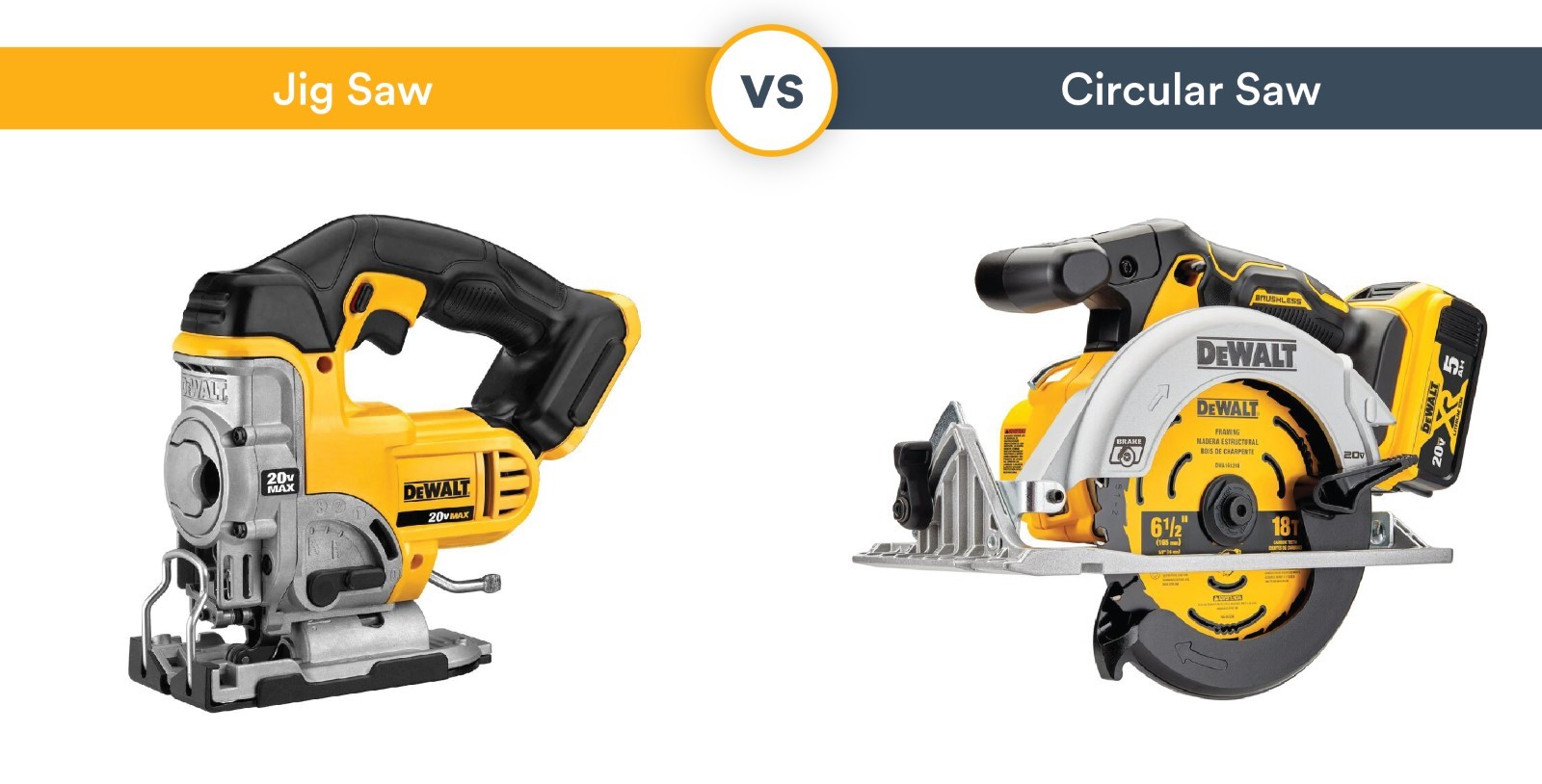
Frequently Asked Questions
What Materials Can A Jigsaw Cut?
A jigsaw can cut wood, plastic, metal, and even ceramic tile if you use the right blade. Always match the blade to your material for the cleanest and safest cut.
Is A Circular Saw More Dangerous Than A Jigsaw?
Yes, a circular saw is more powerful and has a higher risk of kickback and injury. Always use two hands, wear safety gear, and follow the manual’s instructions.
Can I Cut A Straight Line With A Jigsaw?
You can cut a straight line with a jigsaw, but it’s harder to get a perfect edge, especially on long cuts. A circular saw (with a guide) is much better for straight lines.
What Size Blade Should I Use For Each Saw?
Most jigsaws use blades 2-4 inches long. Circular saws usually use 7.25-inch blades for standard projects. Choose the blade size and tooth count based on your material and the finish you want.
Should I Buy A Jigsaw Or Circular Saw First?
If you plan mostly straight cuts in large wood pieces, start with a circular saw. If you want to make shapes, crafts, or safer cuts, choose a jigsaw. Over time, having both is ideal for a complete workshop.
As an Amazon Associate, We earn from qualifying purchases