
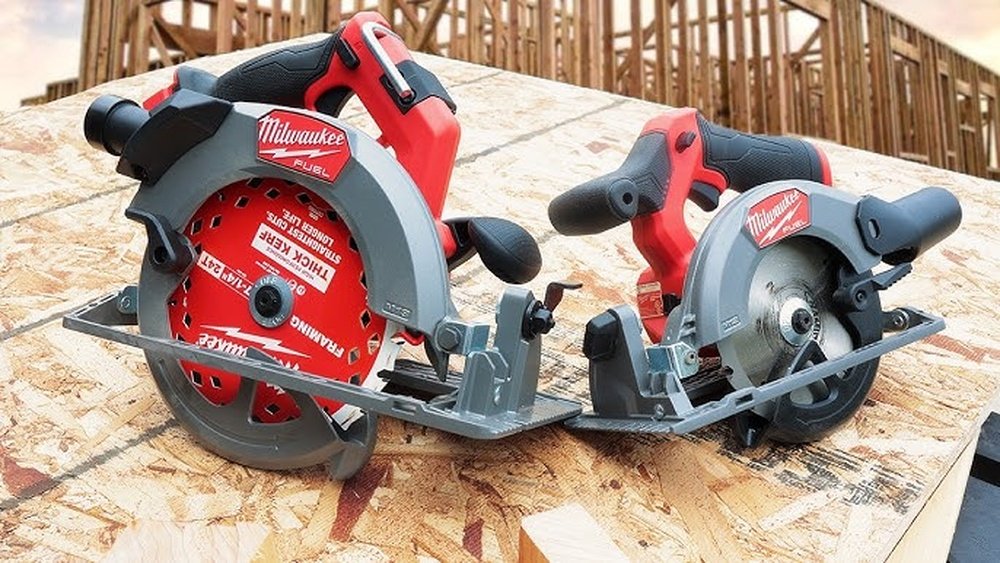
When you start shopping for a circular saw, one of the first choices you face is the blade size. Two of the most popular sizes are the 7 1/4-inch and the 6 1/2-inch circular saws. This decision isn’t just about numbers—it affects everything from how deep you can cut to how heavy the saw feels in your hand. Some people think the difference is small, but there are practical reasons why professionals and DIYers lean toward one or the other.
If you’re building a deck, remodeling your home, or just need a reliable saw for your toolbox, understanding the true differences will save you time, money, and frustration. This guide compares the 7 1/4 and 6 1/2 circular saws in depth, with real-world examples and data.
By the end, you’ll know which saw is right for your projects—and why the little details matter more than you might think.
Blade Size And Cutting Depth
The most obvious difference is the blade size. A 7 1/4-inch blade is larger than a 6 1/2-inch blade, but the impact goes far beyond just numbers.
A 7 1/4-inch circular saw can usually cut up to 2 1/2 inches deep at 90 degrees. That means you can cut through standard 2×4 and even some 2×6 lumber in a single pass. This is important for jobs like framing, deck building, or when working with thick plywood.
A 6 1/2-inch saw typically cuts up to 2 1/16 inches at 90 degrees. While this still covers most common cuts—like 2x4s or sheet goods—you might struggle with anything thicker. If you need to cut a 2×6, for example, you may need to flip the board and cut twice. That takes more time and can lead to less precise results.
Here’s a direct comparison for clarity:
| Blade Size | Max Cutting Depth (90°) | Common Materials (Single Pass) |
|---|---|---|
| 7 1/4-inch | 2 1/2 inches | 2×4, 2×6, plywood, OSB |
| 6 1/2-inch | 2 1/16 inches | 2×4, plywood, OSB |
The 7 1/4-inch saw has a clear advantage for jobs that require thicker materials. But for most home projects, the 6 1/2-inch may be enough.
Power And Motor Strength
Blade size influences power needs. Most 7 1/4-inch circular saws have more powerful motors, typically ranging from 13 to 15 amps for corded models and higher voltage batteries for cordless versions. This extra power helps maintain speed and torque, especially when cutting dense wood.
On the other hand, 6 1/2-inch saws usually come with less powerful motors—often around 10 to 12 amps for corded, or 18V batteries for cordless tools. While they still handle most softwoods and plywood, they may bog down with hardwoods or thick lumber.
A key insight: Motor strength isn’t just about speed, but also about how long the saw can run before overheating, especially during big jobs. If you’re working on a large construction project, the 7 1/4-inch saw’s power can save you time and reduce frustration.

Weight And Handling
A larger blade and motor usually mean a heavier saw. 7 1/4-inch models tend to weigh between 8 to 12 pounds, depending on features and battery size. This extra weight can add stability, helping you make straighter cuts, but it can also cause fatigue if you’re cutting above your head or working for long periods.
6 1/2-inch saws are known for being lightweight and compact—often between 6 to 8 pounds. Many users find them easier to control with one hand, or when making cuts in tight spaces. If you value maneuverability over raw cutting power, the smaller saw wins here.
Here’s a weight comparison:
| Saw Size | Average Weight | Best For |
|---|---|---|
| 7 1/4-inch | 8–12 lbs | Long, straight cuts; thick materials |
| 6 1/2-inch | 6–8 lbs | Quick tasks; overhead work; portability |
A non-obvious tip: If you work on ladders, rooftops, or carry your saw all day, the weight difference feels much bigger than it looks on paper.
Portability And Cordless Options
Portability is a big reason many users choose a 6 1/2-inch saw. Because they’re smaller and lighter, these saws are often the go-to for cordless models. The batteries can be smaller and lighter, too, making the whole tool easier to carry to remote job sites or move around the house.
7 1/4-inch saws are available in cordless versions, but the larger blade and motor require bigger batteries. This adds weight and sometimes limits runtime because larger blades use more power.
A key insight for beginners: If you travel between job sites, or do a lot of quick cuts in different places, the 6 1/2-inch cordless saw can save you a lot of hassle. But if you work mainly in one place and need to cut thick wood, the extra size and power of the 7 1/4-inch could be worth carrying.

Blade Availability And Cost
The market for 7 1/4-inch blades is much larger. You’ll find more blade types—carbide-tipped, fine finish, framing, laminate, and more. Prices are competitive due to high demand, and you can usually find replacement blades at any hardware store.
6 1/2-inch blades are less common. While you can still find quality options, your choices are narrower, especially if you want specialty blades. These blades can also cost a bit more per unit, simply because fewer are made.
Here’s a look at blade availability:
| Blade Size | Types Available | Average Price Range |
|---|---|---|
| 7 1/4-inch | Many (framing, finish, specialty) | $8–$35 |
| 6 1/2-inch | Fewer options | $10–$40 |
A practical tip: If you often need a special blade—like one for cutting metal or plastic—the 7 1/4-inch saw will make your life easier.
Accuracy And Versatility
Both saws can deliver accurate cuts, but accuracy depends on more than just blade size. The 7 1/4-inch saw, thanks to its weight and longer base plate, often feels more stable, especially on long, straight cuts. Professionals prefer them for tasks like ripping plywood sheets because of this stability.
6 1/2-inch saws are easier to maneuver and great for quick, short cuts or working in awkward positions. They excel in places where a big saw would be clumsy—like cutting roof decking on a ladder or trimming floorboards in a tight hallway.
Versatility depends on your needs:
- For general construction and remodeling, the 7 1/4-inch shines.
- For finish carpentry, craftwork, or light framing, the 6 1/2-inch can be more convenient.
A common mistake: Many beginners assume a bigger saw is always better. Sometimes, the smaller saw’s ease of handling will help you make more accurate cuts, especially if you’re new to circular saws.

Price And Long-term Value
Budget is always a factor. 7 1/4-inch saws often cost slightly more upfront—expect to pay $80 to $200 for a solid model, with higher-end tools reaching $300+. But their flexibility, power, and blade selection may save you money (and time) over years of use.
6 1/2-inch saws are usually cheaper, with prices from $60 to $150 for most models. If you don’t need the cutting depth or power, this can be a smart buy.
However, consider the total cost:
- Replacement blades for 7 1/4-inch are often cheaper and easier to find.
- If you later need more power or cutting depth, upgrading from a 6 1/2 to a 7 1/4 can cost more than buying the right saw the first time.
A non-obvious insight: Think about your next few years of projects, not just your immediate need. Buying a more capable saw once often costs less than buying twice.
Which Should You Choose?
Choosing between a 7 1/4-inch and a 6 1/2-inch circular saw isn’t just about specs. It’s about how you work, what you build, and how often you use your tools.
- Pick a 7 1/4-inch if you:
- Cut thick wood often (like 2×6 or larger)
- Need maximum versatility for many types of jobs
- Want the widest range of blades and accessories
- Don’t mind a bit more weight
- Pick a 6 1/2-inch if you:
- Value light weight and portability
- Mostly cut thinner wood or sheet goods
- Need a saw for quick jobs or tight spaces
- Want the best cordless runtime
Here’s a summary of strengths:
| Feature | 7 1/4-inch | 6 1/2-inch |
|---|---|---|
| Cutting Depth | Deep | Medium |
| Power | High | Medium |
| Weight | Heavier | Lighter |
| Blade Options | Many | Fewer |
| Price | Higher | Lower |
| Portability | Less | More |
If you’re still unsure, try to borrow or handle both saws before buying. The way a tool feels in your hand can matter as much as any specification.
Frequently Asked Questions
What Is The Main Difference Between A 7 1/4 And A 6 1/2 Circular Saw?
The main difference is blade size, which affects how deep you can cut in one pass. The 7 1/4-inch saw cuts deeper and usually has a more powerful motor. The 6 1/2-inch is lighter and easier to handle, but can’t cut as thick material.
Can A 6 1/2-inch Saw Cut Through A 2×4?
Yes, a 6 1/2-inch circular saw can cut through a standard 2×4 (which is 1.5 inches thick) in a single pass. But it may struggle with thicker boards, needing two passes.
Are Blades For 6 1/2-inch Saws Easy To Find?
Blades are available, but you’ll find more variety and better prices for 7 1/4-inch blades. Specialty blades are easier to find for the larger size.
Which Saw Is Better For Beginners?
Many beginners find the 6 1/2-inch saw easier to handle because it’s lighter and less intimidating. But if you plan to work with thick wood, the 7 1/4-inch may be a better long-term investment.
Can I Use A 7 1/4-inch Blade In A 6 1/2-inch Saw?
No, you should never use a blade larger than the saw’s design. It’s unsafe and can damage the tool. Always use the blade size specified by the manufacturer.
For more technical information about circular saws, you can check the Wikipedia page on Circular Saws.
In the end, the choice between a 7 1/4-inch and a 6 1/2-inch circular saw depends on your work style, materials, and how much you value power versus portability. Choose carefully, and your saw will serve you well for years.
As an Amazon Associate, We earn from qualifying purchases