
Hacksaw Vs Handsaw: Which Tool Should You Choose?
When you need to cut something by hand, choosing the right saw can save you time, effort, and even prevent mistakes. Two of the most common tools for manual cutting are the hacksaw and the handsaw. At first glance, they may seem similar—they both have a handle and a blade, and both are used to cut materials. But look closer, and you’ll see important differences in their design, purpose, strengths, and even the way you use them.
Many beginners wonder which tool is better for their project. Maybe you’re building a wooden shelf, cutting metal pipes, or doing home repairs. Understanding the differences between a hacksaw and a handsaw will help you finish your work faster and more accurately.
Let’s explore everything you need to know before picking up one of these saws.
What Is A Hacksaw?
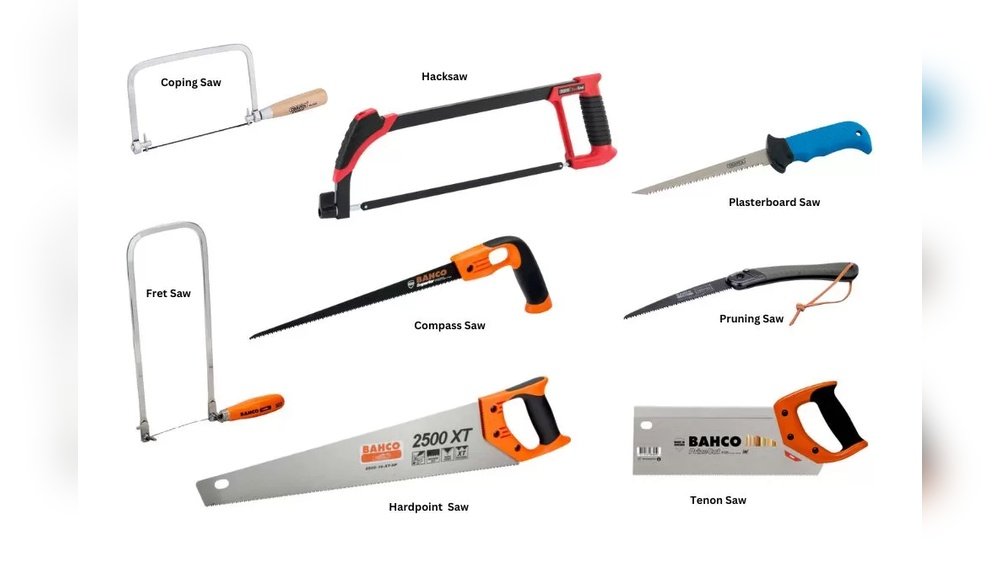
A hacksaw is a special type of saw designed mainly for cutting metal and plastic. It has a thin, straight blade held tightly in a metal frame. The blade can be replaced easily, and its teeth are small and sharp. You hold the hacksaw by the handle and move it back and forth across the material.
Typical hacksaw blades are 10 to 12 inches long, and you can find blades with different numbers of teeth per inch (TPI). More teeth per inch mean a smoother cut, while fewer teeth make faster, rougher cuts.
Key Features Of A Hacksaw
- Frame and tension: The metal frame keeps the blade straight and tight. You can adjust the tension for different blades.
- Replaceable blades: You can swap out old or damaged blades quickly.
- Fine teeth: The small teeth make it easier to cut through metal without chipping or breaking it.
- Lightweight: Most hacksaws are light and easy to carry.
Common Uses For A Hacksaw
- Cutting metal pipes (like copper or steel)
- Trimming bolts, rods, or screws
- Cutting plastic pipes (PVC)
- Shaping thin pieces of sheet metal
- DIY repairs that involve metal or hard plastics
One thing many people miss: hacksaws are not good for thick wood. The thin blade can bend, and the fine teeth get stuck easily.
What Is A Handsaw?
A handsaw (sometimes called a panel saw) is a classic carpenter’s tool. Its broad, stiff blade is usually 20 to 26 inches long, and it has a comfortable wooden or plastic handle. The teeth are bigger and more widely spaced than those of a hacksaw.
Handsaws are designed to cut wood—both softwood and hardwood. They can make straight cuts, crosscuts (across the grain), or rip cuts (with the grain).
Key Features Of A Handsaw
- Stiff blade: The wide, thick blade stays straight as you push and pull.
- Large teeth: Fewer teeth per inch (usually 5–12 TPI) for faster wood cutting.
- Fixed blade: Unlike a hacksaw, the blade is usually not replaceable.
- Ergonomic handle: Designed for a firm grip during long cuts.
Common Uses For A Handsaw
- Cutting timber, plywood, and lumber
- Trimming branches or logs
- Making furniture or shelves
- General woodworking tasks
A common beginner mistake: trying to cut metal or plastic with a handsaw. The wide teeth can’t handle hard materials and will dull quickly.
Direct Comparison: Hacksaw Vs Handsaw
To really understand the differences, it helps to see how hacksaws and handsaws stack up against each other in key areas.
| Feature | Hacksaw | Handsaw |
|---|---|---|
| Main Material | Metal, plastic | Wood, soft materials |
| Blade Type | Thin, replaceable | Wide, fixed |
| Teeth Per Inch (TPI) | 14–32 | 5–12 |
| Common Length | 10–12 inches | 20–26 inches |
| Typical Uses | Metal pipes, rods, plastic | Wood, branches, plywood |
| Cutting Motion | Back and forth | Push or pull (depending on saw type) |
| Blade Replacement | Easy | Usually not possible |
When Should You Use A Hacksaw?
Choosing the right saw is about matching the tool to the material.
Use a hacksaw if:
- You need to cut metal. This is the main job for a hacksaw. Whether it’s steel, aluminum, or copper, the hacksaw’s fine teeth give you a clean cut.
- You want to cut hard plastic. PVC pipes or plastic rods are easy to cut with a hacksaw, and the blade won’t chip the plastic.
- You need a precise, narrow cut. The thin blade lets you make detailed cuts in small spaces.
- You’re working in tight areas. The compact size and frame fit where larger saws can’t reach.
A pro tip: If you need to cut stainless steel, use a blade with more teeth per inch (at least 24 TPI). This gives a smoother finish and protects the blade.
When Should You Use A Handsaw?
A handsaw is your go-to tool for almost any woodworking project.
Use a handsaw if:
- You’re cutting wood. From thick boards to thin plywood, handsaws handle wood with ease.
- You need fast, rough cuts. The large teeth remove material quickly, perfect for trimming lumber or rough shaping.
- You want straight or angled cuts. Handsaws excel at making long, straight cuts, but with practice, you can cut angles too.
- You’re working outdoors. Cutting tree branches or logs for firewood? A handsaw is light and portable.
For fine woodworking, choose a handsaw with more teeth per inch (like 10–12 TPI) for smoother edges.
Types Of Hacksaws And Handsaws
Both tools come in different styles for special tasks. Knowing these can save you time and help you get a better finish.
Types Of Hacksaws
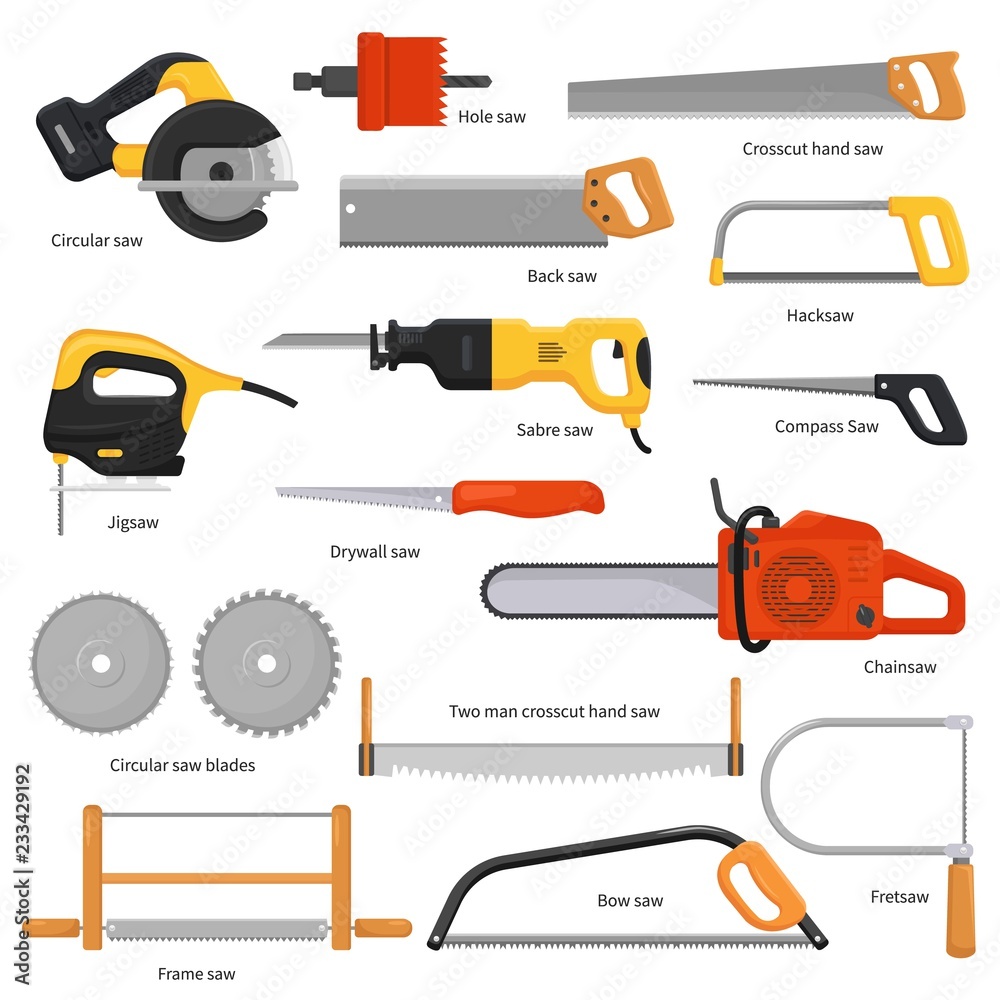
- Standard hacksaw: The most common type, good for most metal and plastic cutting.
- Junior hacksaw: Smaller frame and blade, for tight spaces or lighter jobs.
- Power hacksaw: A machine version for heavy-duty metal cutting (not hand-held).
Types Of Handsaws
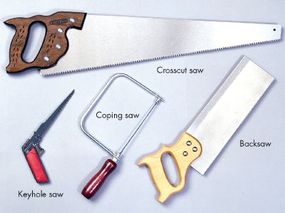
- Crosscut saw: Cuts across the wood grain; teeth are angled for smooth cuts.
- Rip saw: Cuts along the grain; teeth are shaped for fast, straight cuts.
- Backsaw: Short blade with a stiff backing, used for precise cuts like in making joints.
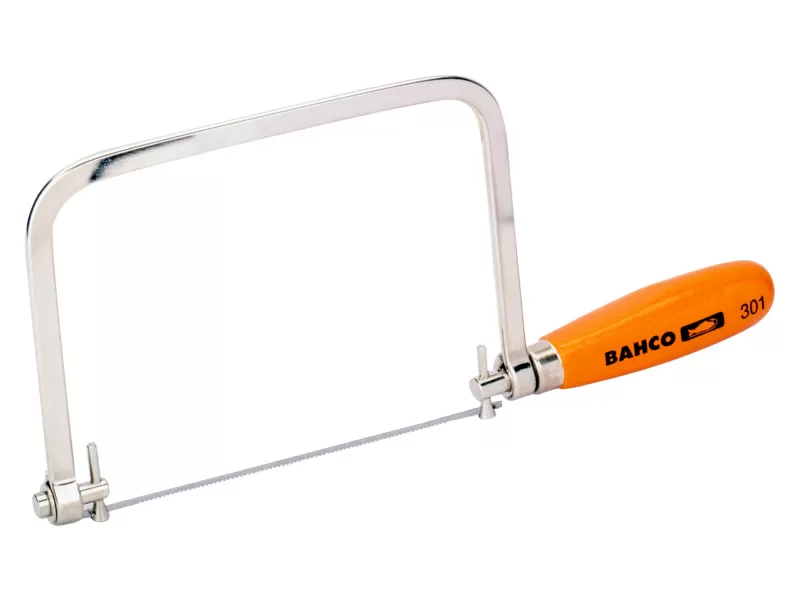
- Coping saw: Thin, flexible blade for curved cuts in wood or plastic.
A surprising fact: Many beginners think any handsaw can make any cut. But using the wrong type (like a rip saw for crosscuts) makes work harder and less accurate.
Advantages And Disadvantages
No tool is perfect for every job. Here’s a look at the pros and cons of each:
| Hacksaw | Handsaw | |
|---|---|---|
| Advantages | – Cuts metal and plastic – Replaceable blades – Compact and lightweight | – Fast wood cutting – Simple to use – Good for large pieces |
| Disadvantages | – Struggles with thick wood – Can bend if forced – Slower for big jobs | – Dulls quickly on metal/plastic – Blade usually not replaceable – Less precise on small materials |
Safety Tips For Both Saws
Cutting tools can be dangerous if you don’t use them correctly. Here’s how to stay safe:
- Wear gloves to protect your hands from sharp edges.
- Wear safety glasses. Metal or wood chips can fly up and hurt your eyes.
- Clamp your workpiece. Make sure the material won’t move while you cut.
- Use slow, steady strokes. Rushing can bend the blade or make it slip.
- Check the blade. Make sure it’s sharp and tight before starting.
- Don’t force the saw. If it’s stuck, back up and try again.
An often-overlooked tip: If your blade is dull, replace it immediately. Dull blades are more likely to slip and cause injury.
Maintenance Tips
Taking care of your saw means it will last longer and give cleaner cuts.
- Clean after use. Wipe the blade with a dry cloth to remove dust or metal shavings.
- Oil the blade. A drop of light oil stops rust and makes cutting smoother.
- Store in a dry place. Water causes rust, which weakens the blade.
- Sharpen handsaws. If your handsaw is not cutting well, get it sharpened by a pro or use a saw file.
- Replace hacksaw blades. Don’t try to use a worn-out blade; it will slow you down and make rough cuts.
Cost Comparison
Many people want to know: which saw is cheaper? The answer depends on quality and brand, but here’s a typical range:
| Saw Type | Price Range (USD) |
|---|---|
| Hacksaw (frame + blade) | $10–$30 |
| Extra hacksaw blades | $5–$15 (pack of 5) |
| Handsaw | $15–$40 |
A key insight: While hacksaws may seem cheaper at first, you’ll need to buy new blades over time. Handsaws last longer but can cost more upfront if you choose a premium brand.
Common Mistakes To Avoid
New users often make these errors:
- Using the wrong saw for the material. Don’t try to cut metal with a handsaw or thick wood with a hacksaw.
- Not securing the material. If it moves, you could slip and ruin your cut (or get hurt).
- Forcing the blade. This causes bends or breaks. Let the saw do the work.
- Ignoring TPI. Using a blade with the wrong number of teeth will make the job harder.
Real-world Example: Fixing A Leaky Pipe
Imagine you have a metal pipe under your sink that’s leaking. A handsaw would barely scratch it, but a hacksaw slices through in minutes. On the other hand, if you need to cut a wooden shelf to fit under that same sink, a handsaw will do the job smoothly, while a hacksaw would take forever and leave a rough edge.
Expert Tips For Better Results
- Choose the right blade. For hacksaws, match the blade TPI to your material. For handsaws, use a crosscut for smooth edges.
- Mark your line. Use a pencil or marker for straight, accurate cuts.
- Start slow. Let the blade “bite” into the material before going faster.
- Replace blades often. A sharp blade cuts cleaner and is safer.
If you want more in-depth information on saw types and their uses, visit the Wikipedia Saw article.
Frequently Asked Questions
What Is The Main Difference Between A Hacksaw And A Handsaw?
A hacksaw is mainly for cutting metal and plastic with its thin, replaceable blade and fine teeth. A handsaw is for cutting wood, using a wide, stiff blade with large teeth.
Can I Cut Wood With A Hacksaw?
Technically, yes, but it’s not recommended. The hacksaw blade is too thin and the teeth are too fine, making wood cutting slow, rough, and hard on the blade.
Can I Use A Handsaw On Metal?
No, handsaws are not designed for metal. The large teeth and soft blade will dull quickly and may not even cut hard metals.
How Often Should I Replace My Hacksaw Blade?
Replace it when you notice it’s getting dull, bending, or is missing teeth. For frequent use, you may need a new blade every few weeks.
What Safety Gear Should I Use With These Saws?
Always wear safety glasses and work gloves. Secure your material with a clamp and work on a stable surface.
Choosing between a hacksaw and a handsaw doesn’t have to be confusing. Think about what you’re cutting, the finish you need, and how often you’ll use the tool. By matching the right saw to your project, you’ll get better results and enjoy your work more.
Whether you’re a beginner or a seasoned DIYer, the right tool makes all the difference.
As an Amazon Associate, We earn from qualifying purchases