
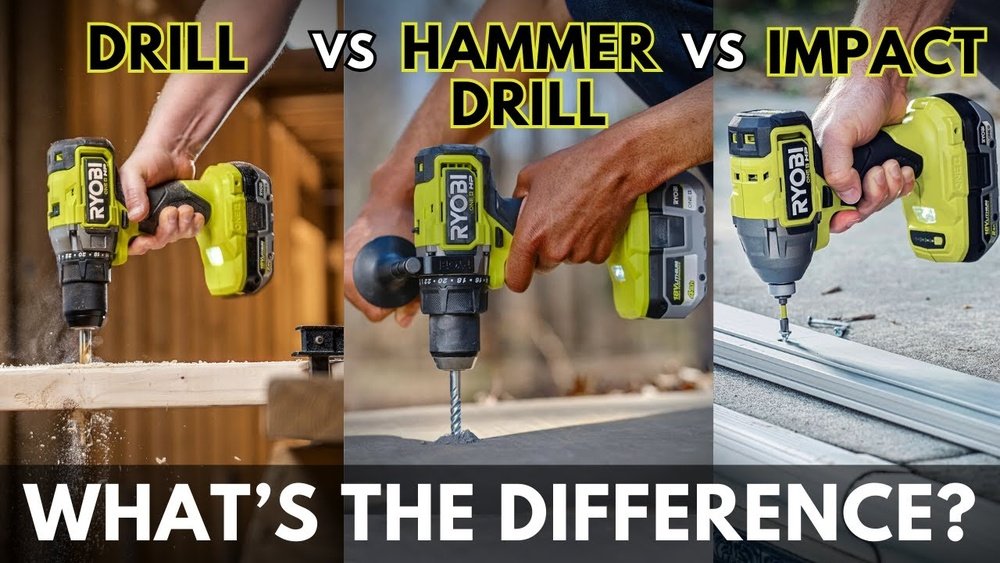
Hammer Drill Vs Impact Driver: What’s The Real Difference?
Choosing between a hammer drill and an impact driver can feel confusing, especially if you’re new to power tools. Both tools look similar and use powerful motors, but they are designed for very different jobs. Using the wrong tool can make your work much harder, or even damage your materials. If you want to build shelves, hang pictures, or work on home improvements, knowing the difference between these tools is essential.
This guide will make everything clear. You’ll learn how each tool works, what jobs they do best, and how to decide which one you need. You’ll also get some practical tips, non-obvious advice, and real-world examples to help you get better results and avoid common mistakes.
What Is A Hammer Drill?
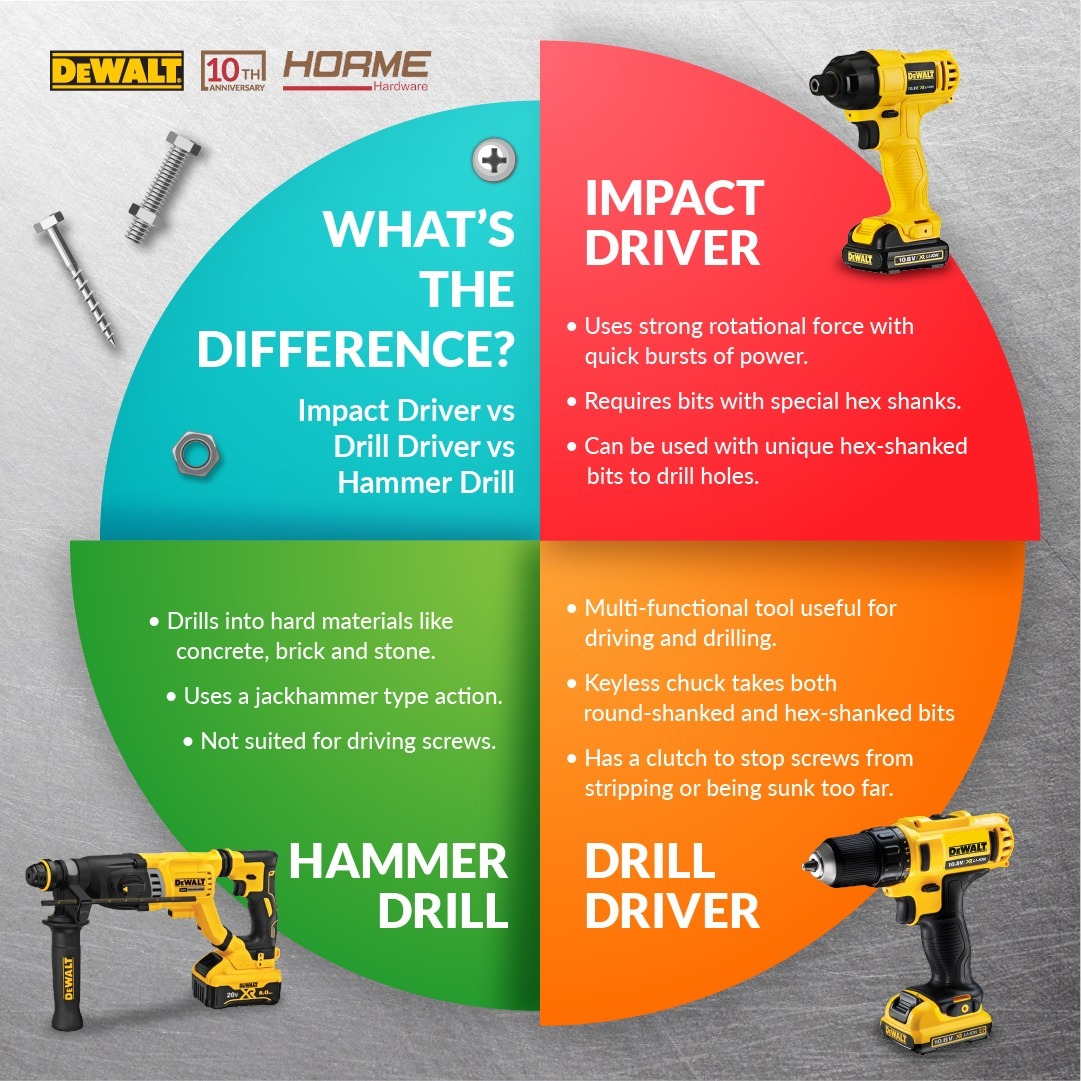
A hammer drill is a power tool made for drilling into hard materials like concrete, stone, or brick. It looks a lot like a regular drill, but with one big difference: it uses a hammering action. When you pull the trigger, the drill bit not only spins—it also moves forward and backward very fast, like a hammer striking the surface thousands of times per minute.
This hammering motion breaks up hard materials so the bit can cut deeper with less effort. Most hammer drills let you turn the hammer function on or off, so you can use them as a regular drill too. This makes them more flexible for different tasks.
Common Uses For Hammer Drills
- Drilling holes in concrete walls to hang shelves or pictures
- Installing anchors or screws in masonry
- Making holes in stone or brick for plumbing or electrical work
- Occasional drilling in wood or metal (with hammer function off)
Key Features
- Hammer action for fast drilling in masonry
- Can switch off hammer mode for regular drilling
- Usually heavier and larger than standard drills
- Often has a side handle for better control
What Is An Impact Driver?
An impact driver is also a powerful tool, but it’s built for driving screws and bolts, not drilling holes in hard surfaces. Instead of a hammering motion into the material, an impact driver delivers quick, strong twists (impacts) to the screw or bolt as it turns. This twisting action helps you drive long or tough screws with less effort, and without stripping the screw head.
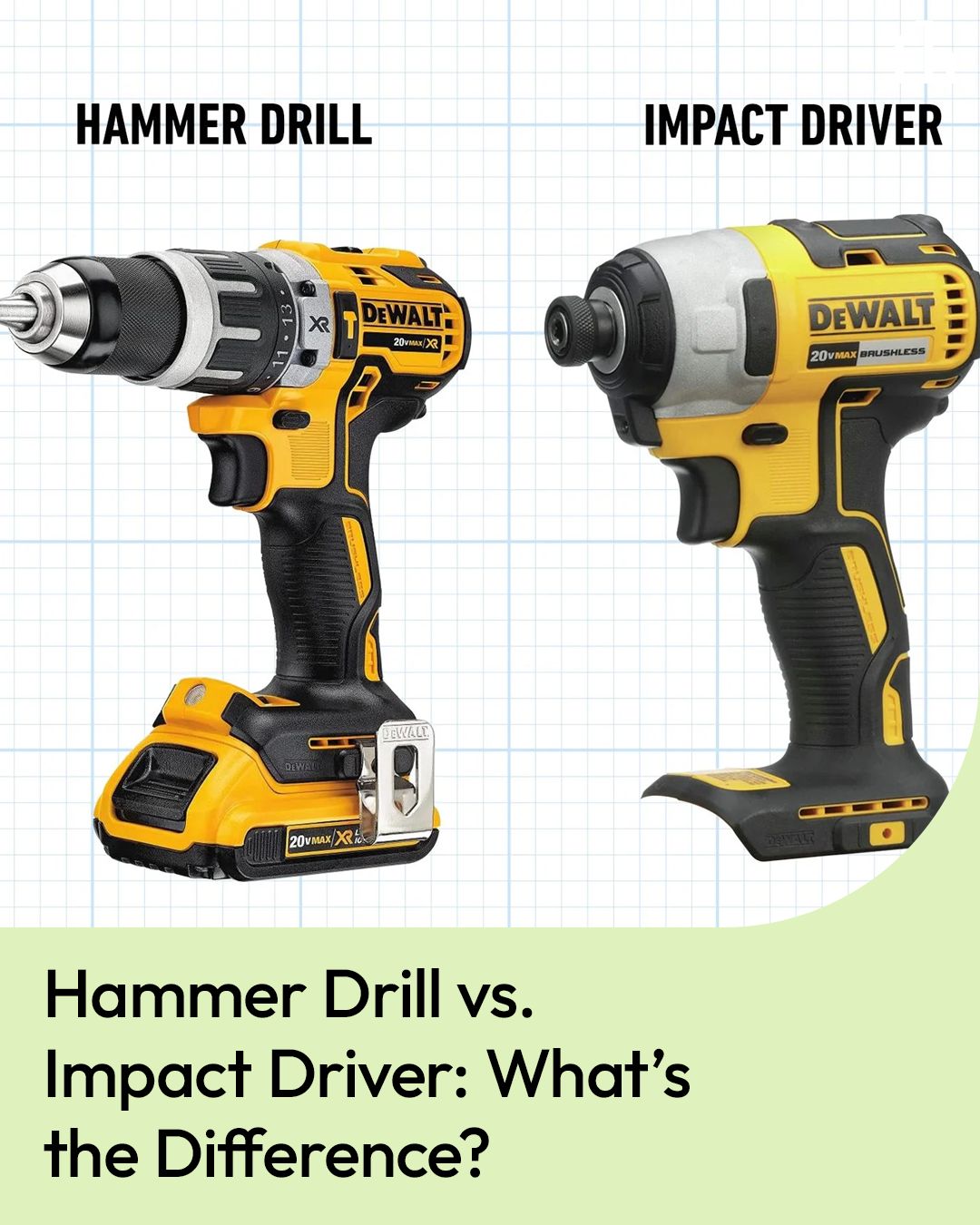
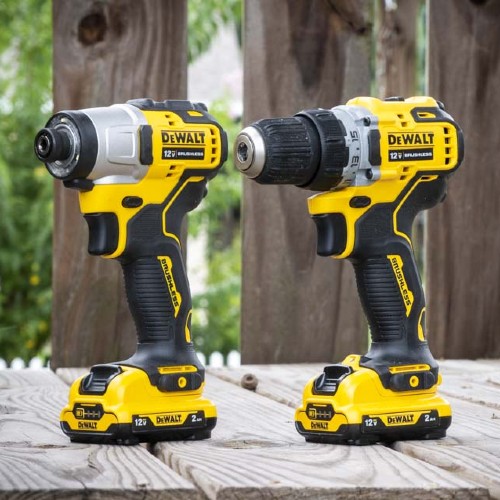
Impact drivers are smaller, lighter, and easier to handle in tight spaces than hammer drills. They almost always have a hex chuck (instead of a round one) and use special drill bits with hexagonal shanks.
Common Uses For Impact Drivers
- Driving long screws into wood, metal, or plastic
- Fastening lag bolts or large fasteners
- Assembling furniture, decks, or framing
- Removing stubborn or rusted screws
Key Features
- High torque for tough fastening jobs
- Delivers rapid twisting impacts
- Compact and lightweight design
- Uses hex shank bits (quick change)
How Do Hammer Drills And Impact Drivers Work?
Understanding the basic mechanics helps you pick the right tool for your job.
Hammer Drill Mechanics
A hammer drill combines two actions:
- Rotary motion – The bit spins like a regular drill.
- Hammering motion – The bit moves forward and backward, striking the surface.
This combination lets you drill into hard surfaces quickly, but it can be noisy and create a lot of vibration. That’s why many hammer drills include a side handle for extra control.
Impact Driver Mechanics
An impact driver spins the bit, but when it senses resistance (like a stubborn screw), it delivers rapid twisting blows. These are called “impacts,” and they can happen up to 3,500 times per minute. This makes it much easier to drive screws without straining your wrist or stripping the screw head.
Non-obvious insight: Impact drivers are not meant for drilling into concrete or brick. They can drill holes in wood or metal with the right bit, but they are not as precise as a drill.
Key Differences At A Glance
Here’s a side-by-side comparison to highlight the main differences:
| Feature | Hammer Drill | Impact Driver |
|---|---|---|
| Main Job | Drilling into hard materials | Driving screws and bolts |
| Hammering Action | In and out (forward/backward) | Rotational (twisting) |
| Chuck Type | Standard (round) chuck | Hex (quick change) chuck |
| Best Material | Concrete, brick, stone | Wood, metal, plastic |
| Size | Bigger and heavier | Compact and light |
When To Use A Hammer Drill
A hammer drill is your go-to tool for any job that involves tough materials like concrete, brick, or stone. For example, if you’re mounting a heavy mirror in a masonry wall, you’ll need to drill holes and insert anchors. A regular drill may not have enough power, but a hammer drill’s pounding action makes the job much easier.
Practical tip: Always use a masonry bit with your hammer drill for concrete or stone. Standard bits can break or wear out quickly.
You can also use a hammer drill for:
- Installing wall plugs for heavy shelves
- Running electrical cables through brick walls
- Making pilot holes for outdoor anchors
Non-obvious insight: Many people forget to switch off the hammer action when drilling into wood or metal. Leaving it on creates unnecessary noise and can damage both the bit and the material.
When To Use An Impact Driver
An impact driver is perfect for driving a lot of screws quickly, or for working with tough fasteners. For example, building a deck or assembling cabinets often means driving hundreds of screws. An impact driver will save your wrist and drive each screw smoothly, even if the wood is dense.
Other ideal uses include:
- Driving long deck screws or lag bolts
- Removing rusted or stuck screws
- Fastening drywall or sheet metal
Practical tip: Use impact-rated bits with your impact driver. Standard bits can break under the high torque.
Non-obvious insight: Impact drivers don’t have a clutch, so they can overdrive screws if you’re not careful. Practice on scrap wood to get a feel for the tool’s power.
Pros And Cons: Hammer Drill
Understanding the strengths and weaknesses of a hammer drill helps you know when to use it.
Pros
- Excellent for drilling in masonry
- Can be used as a regular drill
- More powerful for tough jobs
Cons
- Heavier and less comfortable for long use
- Noisy and creates strong vibrations
- Not ideal for driving screws
Pros And Cons: Impact Driver
Let’s look at the impact driver’s pros and cons.
Pros
- High torque for driving tough screws
- Compact and easy to handle
- Reduces wrist strain
Cons
- Not designed for drilling into hard masonry
- No clutch—risk of overdriving screws
- Needs special hex bits
Which Tool Should You Buy First?
If you’re setting up a basic tool kit, you may wonder which tool is more important. Here’s a simple way to decide:
- Mostly working with wood, assembling furniture, or driving a lot of screws? Get an impact driver first.
- Need to drill into concrete, brick, or stone? Choose a hammer drill.
Many home improvement projects require both tools eventually. But if you must choose, think about your most common tasks. For example, a DIYer building a deck will get more use from an impact driver, while someone hanging shelves on brick walls will need a hammer drill.
Real-world Examples
Let’s look at a few common tasks and the best tool for each:
- Installing shelves in drywall: Regular drill or impact driver
- Drilling holes in concrete for anchors: Hammer drill
- Building a wooden fence: Impact driver (for screws), regular drill (for pilot holes)
- Securing a heavy TV mount to a brick wall: Hammer drill for drilling, impact driver for lag bolts
Hammer Drill Vs Impact Driver: Detailed Specs
Here’s a table with typical specifications for each tool type:
| Spec | Hammer Drill | Impact Driver |
|---|---|---|
| Max Torque | ~50-80 Nm | ~150-200 Nm |
| Hammer Impacts/Min | ~40,000 bpm | ~3,500 ipm |
| Typical Weight | 4-6 lbs | 2-4 lbs |
| Chuck Size | 1/2″ or 3/8″ | 1/4″ hex |
| Bit Type | Masonry, wood, metal bits | Hex shank bits |
Common Mistakes To Avoid
Many beginners use the wrong tool or the wrong bit for the job. Here are mistakes to watch out for:
- Using a hammer drill on wood with hammer mode on: This can split the wood or burn out the bit.
- Using an impact driver with standard bits: Non-impact-rated bits can snap or wear out quickly.
- Trying to drive masonry anchors with an impact driver: This usually fails; use a hammer drill for anchor holes.
- Not wearing hearing protection: Hammer drills are very loud—protect your ears.
Safety Tips
Power tools are powerful but can be dangerous if used incorrectly. Keep these tips in mind:
- Always wear safety glasses to protect your eyes from flying debris.
- Use hearing protection with hammer drills.
- Keep both hands on the tool for better control.
- Don’t force the tool—let the motor do the work.
- Check that your bits are properly secured before starting.
The Cost Factor: What To Expect
Price can influence your decision. A hammer drill usually costs more than an impact driver because of its heavy-duty design. Entry-level hammer drills start around $60, but high-end models can go over $200. Impact drivers are often $50–$150 depending on power and features.
Pro tip: If you buy cordless tools, stick with the same brand for batteries and chargers. This saves money and reduces clutter.
Maintenance And Longevity
Both tools can last many years with proper care:
- Clean dust and debris after each use.
- Lubricate chucks or moving parts as needed.
- Replace worn bits promptly.
- Store tools in a dry place to prevent rust.
Summary Table: Hammer Drill Vs Impact Driver
To wrap up, here’s a final summary comparing the two tools:
| Use Case | Hammer Drill | Impact Driver |
|---|---|---|
| Drilling in Concrete | Yes | No |
| Driving Long Screws | Not ideal | Yes |
| Drilling in Wood/Metal | Yes (hammer off) | Yes (with hex bits) |
| Best for Masonry Work | Yes | No |
| Best for Fastening | No | Yes |
Frequently Asked Questions
What’s The Main Difference Between A Hammer Drill And An Impact Driver?
A hammer drill is for drilling into hard materials like concrete and brick, using a forward hammering action. An impact driver is for driving screws and bolts, using a twisting impact motion. They are designed for different jobs and are not interchangeable.
Can I Use An Impact Driver As A Drill?
Yes, you can use an impact driver as a drill with the right hex shank bits, especially for wood and light metal. However, it’s not as precise as a regular drill and not suitable for masonry.
Should I Buy A Hammer Drill Or An Impact Driver First?
Choose based on your main tasks: get a hammer drill if you need to drill in concrete or masonry often; get an impact driver if you drive many screws or bolts, such as for woodworking or furniture assembly.
Do I Need Special Bits For Each Tool?
Yes. Hammer drills use masonry bits for concrete and standard bits for other materials. Impact drivers need impact-rated hex shank bits for safety and performance.
Can I Use A Hammer Drill As A Regular Drill?
Yes, most hammer drills can switch off the hammer action and work as a regular drill for wood, metal, or plastic. Just be sure to use the right bit and setting.
Choosing between a hammer drill and an impact driver is all about knowing your main jobs and picking the right tool for each. Both tools make home improvement easier and more efficient. For more details on how these tools work, you can check the Wikipedia Drill Guide. With the right tool and a little practice, you’ll handle tough tasks like a pro.
As an Amazon Associate, We earn from qualifying purchases