
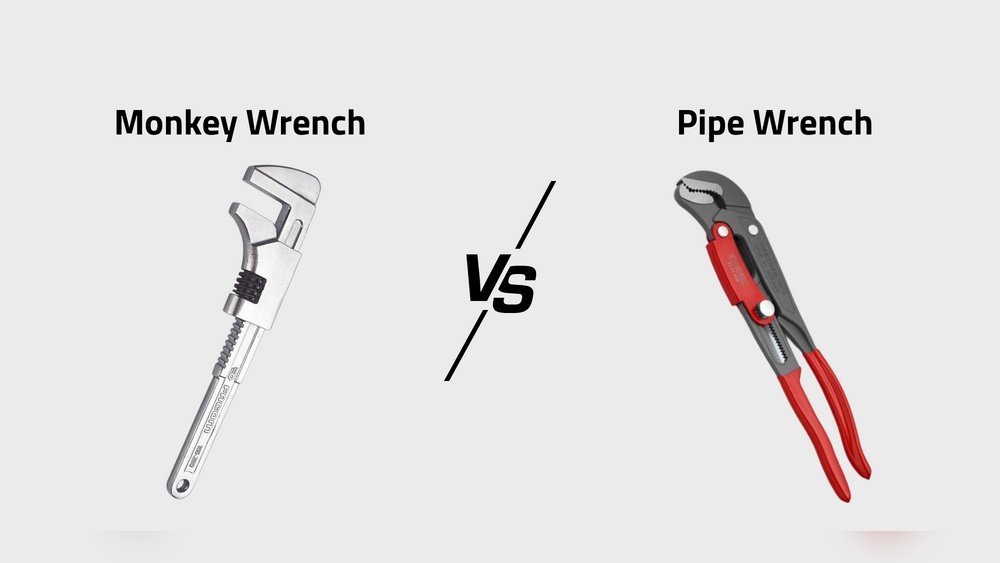
Stillson Wrench Vs Monkey Wrench: Understanding The Key Differences
When you walk into a hardware store, the wall of tools can be overwhelming—especially when two wrenches look almost identical: the Stillson wrench and the monkey wrench. Both are classic hand tools, often confused by beginners and even some experienced users. However, their designs, uses, and histories are surprisingly different. Choosing the right tool can save you time, prevent damage, and even keep you safer on the job.
Whether you’re a home DIYer, an apprentice plumber, or just curious about hand tools, this guide will help you clearly understand the differences, strengths, and best uses for each wrench. We’ll also cover history, how each works, where they shine, and what mistakes to avoid.
By the end, you’ll know exactly which wrench to grab for any job.
What Is A Stillson Wrench?
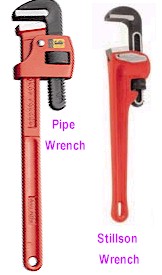
The Stillson wrench is a type of adjustable pipe wrench invented by Daniel Stillson in 1869. It’s famous for its serrated jaws and self-tightening action. When you turn the wrench, the jaws grip the pipe tighter, making it perfect for working with round metal pipes.
The main features of a Stillson wrench:
- Adjustable jaw: You can open or close the wrench to fit different pipe sizes.
- Serrated teeth: Sharp, angled teeth on the jaws bite into metal surfaces.
- Pivoting head: The top jaw pivots, increasing gripping force when pressure is applied.
- Long handle: Offers leverage for tough jobs.
The design is so effective that most people simply call all pipe wrenches “Stillsons,” even though it’s a brand name.
What Is A Monkey Wrench?
The monkey wrench is another adjustable wrench, but it’s designed for flat-sided nuts and bolts, not pipes. Its origins date back to the 19th century, and it was a standard tool for many mechanics and engineers before modern adjustable wrenches became common.
Key features of a monkey wrench:
- Parallel, smooth jaws: Both jaws are flat, not serrated, to avoid damaging nuts.
- Adjustable jaw with screw mechanism: Turning a knurled knob changes the jaw width.
- Rigid head: Unlike the Stillson, the head does not pivot.
- Heavy build: Monkey wrenches are often heavier and bulkier than modern adjustable wrenches.
Monkey wrenches are now less common but are still used for large nuts and bolts in some industrial settings.

Design And Construction: Comparing The Details
To see the differences at a glance, here’s a side-by-side look at the main design features:
| Feature | Stillson Wrench | Monkey Wrench |
|---|---|---|
| Jaw Type | Serrated, curved | Smooth, parallel |
| Jaw Movement | Pivots to increase grip | Rigid, does not pivot |
| Best For | Round pipes, plumbing | Flat nuts and bolts |
| Adjustability | Thumbwheel or nut | Knurled screw |
| Handle Shape | Usually straight | Usually straight, sometimes heavy |
Non-obvious insight: Many beginners think a monkey wrench can replace a Stillson wrench for pipes. However, monkey wrenches often slip on pipes because their jaws are not designed to “bite” into round surfaces.
Historical Background
The Stillson wrench was patented in the United States in 1870 by Daniel Stillson, a mechanic working at the Walworth Company in Massachusetts. His invention changed plumbing, making it much easier to grip and turn pipes without slipping.
The monkey wrench has an older, less clear history. Some historians believe the term “monkey wrench” comes from “Moncky,” the name of a British tool maker. Others say it refers to the wrench’s simple, “monkey-like” operation. It was a common tool for mechanics, railroad workers, and engineers from the mid-1800s to the early 1900s.
Interesting fact: The monkey wrench was the main adjustable wrench for many years, but has been mostly replaced by smaller, lighter adjustable wrenches and the Stillson pipe wrench in most toolboxes.

How Each Wrench Works
Stillson Wrench In Action
When you use a Stillson wrench, you adjust the jaw to fit the pipe. As you turn the wrench, the jaw pivots and the teeth dig into the pipe, creating a firm grip. The harder you pull, the tighter the grip—up to a point. This makes it almost impossible for the wrench to slip, even on tough or rusty pipes.
Tip: Stillson wrenches come in many sizes, from small 8-inch models to huge 48-inch versions for industrial use. Always choose the smallest size that fits the job for better control.
Monkey Wrench In Action
Using a monkey wrench is like using a large adjustable spanner. You turn the knurled knob to open or close the jaws around a flat nut or bolt head. Because the jaws are smooth and parallel, they won’t damage the hardware. However, if the nut is very tight or rusted, the wrench can slip or round off the corners.
Practical insight: Monkey wrenches are best for large, old-style square or hexagonal nuts, not for pipes or rounded surfaces.
Typical Uses: When To Choose Each Wrench
Knowing when to use each wrench can save you headaches and prevent tool damage.
When To Use A Stillson Wrench
- Plumbing: Tightening or loosening threaded pipe connections.
- Automotive repair: Removing stubborn round parts (rare, but sometimes needed).
- Industrial maintenance: Working with large metal piping in factories or refineries.
- Construction: Pipe fitting and assembly.
When To Use A Monkey Wrench
- Machinery maintenance: Adjusting large nuts and bolts on old equipment.
- Railroad work: Historically used for track bolts and large fasteners.
- Farm equipment: Some tractors and machines still have bolts that fit a monkey wrench.
- Antique restoration: Working with old hardware where exact wrench sizes are hard to find.
Beginner mistake: Using a monkey wrench on a pipe often causes slipping and can damage both the tool and the pipe.
Common Mistakes And How To Avoid Them
- Using the wrong wrench on pipes: Only the Stillson wrench is designed for round pipes. Monkey wrenches lack the gripping teeth and will slip.
- Over-tightening with a Stillson: The teeth can bite too deeply, damaging soft pipes. Use just enough force to turn.
- Using a monkey wrench on modern nuts: Many modern nuts are smaller and thinner than the old style. A monkey wrench may not fit or may round off the edges.
- Not checking jaw alignment: Both wrenches can wear out. Make sure jaws meet evenly for a secure grip.
- Ignoring tool size: Bigger isn’t always better. Large wrenches can be hard to control and may break smaller parts.
Hidden detail: Some professional plumbers lightly file the teeth on their Stillson wrenches to reduce pipe damage, especially when working with softer metals like copper.
Pros And Cons
Here’s a simple table to help you compare the advantages and disadvantages of each wrench:
| Stillson Wrench | Monkey Wrench | |
|---|---|---|
| Pros |
|
|
| Cons |
|
|
Which Wrench Should You Buy?
Your choice depends on the jobs you expect to do.
- If you work with plumbing pipes, a Stillson wrench is essential.
- If you restore old machines or work with very large nuts, a monkey wrench is useful.
- For general home repair, a modern adjustable wrench or a set of open-end wrenches may be more flexible.
Important tip: Stillson wrenches are widely available at hardware stores and are made by many brands. Monkey wrenches are now harder to find and sometimes sold as collector’s items.
Care And Maintenance
Both wrenches last a long time with proper care.
- Clean after use: Wipe off oil, dirt, and debris.
- Check for worn teeth or jaws: Replace if the grip weakens.
- Oil moving parts: Keep the adjustment mechanisms smooth.
- Store in a dry place: Prevent rust and corrosion.
Professional insight: If you use a Stillson wrench every day, invest in a quality brand. Cheaper wrenches often have soft teeth or weak pivots that wear out quickly.
Price And Availability
Stillson wrenches are common and affordable. Depending on size and brand:
- Small models: $10–$20
- Medium/large models: $25–$50
- Heavy-duty/industrial: $100+
Monkey wrenches are less common. Prices range:
- Vintage/used: $20–$80 (depending on age and condition)
- New (rare): $40–$100+
Data point: According to a 2022 survey by the Hand Tools Institute, over 80% of professional plumbers in the US use Stillson wrenches as their main pipe tool.
If you want to see photos and more technical details about these wrenches, you can visit the Wikipedia page on pipe wrenches.
How To Identify Quality Wrenches
- Look for forged steel: Stronger and longer-lasting than cast iron.
- Test the adjustment: It should move smoothly, not wobble.
- Check jaw hardness: Harder teeth grip better and last longer.
- Brand reputation: Stick to well-known toolmakers when possible.
Beginner tip: Avoid very cheap wrenches with plastic parts or thin handles—they can break under heavy force.
Real-world Examples
- Plumber replacing a sink drain: Uses a 14-inch Stillson wrench to loosen a corroded steel pipe.
- Antique car restoration: Uses a monkey wrench to adjust large square nuts on a 1930s engine block.
- Steamfitter in a factory: Relies on a 36-inch Stillson wrench for heavy pipes, never a monkey wrench.
Non-obvious detail: In many movies and cartoons, the monkey wrench is shown as a “classic” tool, but in real construction today, you’re much more likely to see a Stillson wrench.
Frequently Asked Questions
What’s The Main Difference Between A Stillson Wrench And A Monkey Wrench?
The biggest difference is the jaw design. A Stillson wrench has serrated, self-tightening jaws for gripping pipes. A monkey wrench has smooth, parallel jaws for nuts and bolts. Each is best for its specific job.
Can I Use A Monkey Wrench On Pipes?
No, it is not recommended. A monkey wrench will slip on round pipes because its jaws are smooth. For pipes, always use a Stillson wrench or another pipe wrench.
Are Monkey Wrenches Still Used Today?
Monkey wrenches are now rare in modern toolboxes. They are sometimes used for antique machines, large bolts, or as collectibles. Most people use adjustable wrenches or Stillson wrenches for daily work.
Which Wrench Is Best For Home Plumbing Repairs?
A Stillson wrench (or any good-quality pipe wrench) is the best choice for home plumbing. It grips pipes tightly and is easy to use in tight spaces.
How Do I Prevent Damaging Pipes With A Stillson Wrench?
Use only enough force to turn the pipe—don’t over-tighten. For soft materials like copper, place a cloth or thin cardboard between the pipe and the wrench’s teeth to reduce marks.
Both the Stillson wrench and monkey wrench have their unique place in tool history and practice. Understanding the differences lets you work faster, safer, and with better results. Now, when you see these classic tools, you’ll know exactly which one to reach for—and why.
As an Amazon Associate, We earn from qualifying purchases