
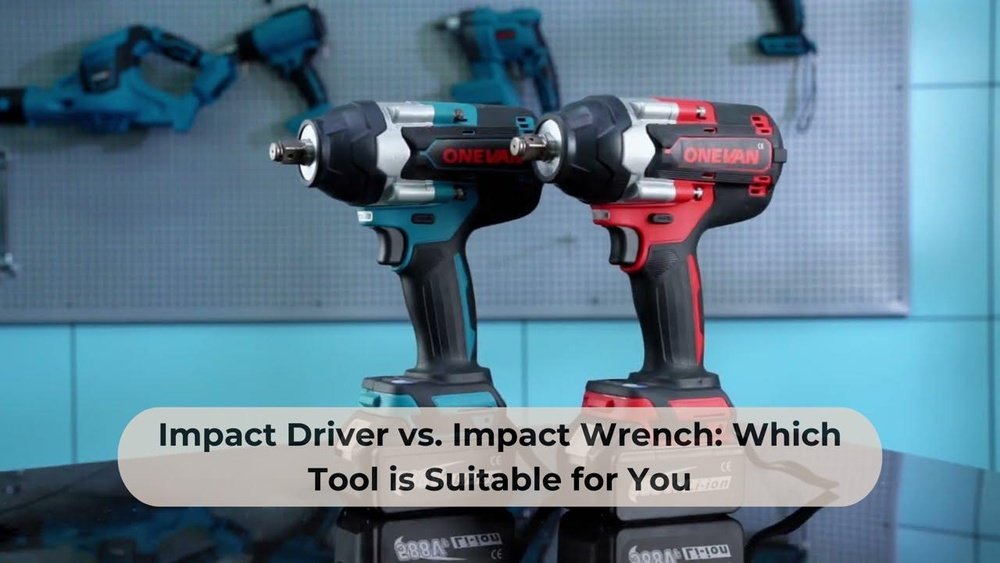
If you have ever worked with screws, bolts, or construction projects, you know how important the right power tool can be. For many jobs, both impact wrenches and impact drivers look similar and sound similar, but they are not the same. Choosing the wrong tool can slow you down, damage materials, or leave you frustrated. Understanding their differences is essential if you want to work faster, safer, and smarter.
What Is An Impact Wrench?
An impact wrench is a powerful tool designed to loosen or tighten nuts and bolts. It is most common in automotive repair, heavy equipment maintenance, and construction. The tool uses a rotating hammering action to deliver high torque, which means it can remove stubborn or rusted bolts that would be hard to move with a regular wrench or by hand.
Impact wrenches come in different types—pneumatic (air-powered), electric, and cordless. Pneumatic models are the most powerful and are often seen in professional garages. Cordless electric models are popular for home users because they are easy to carry and do not need a compressor.
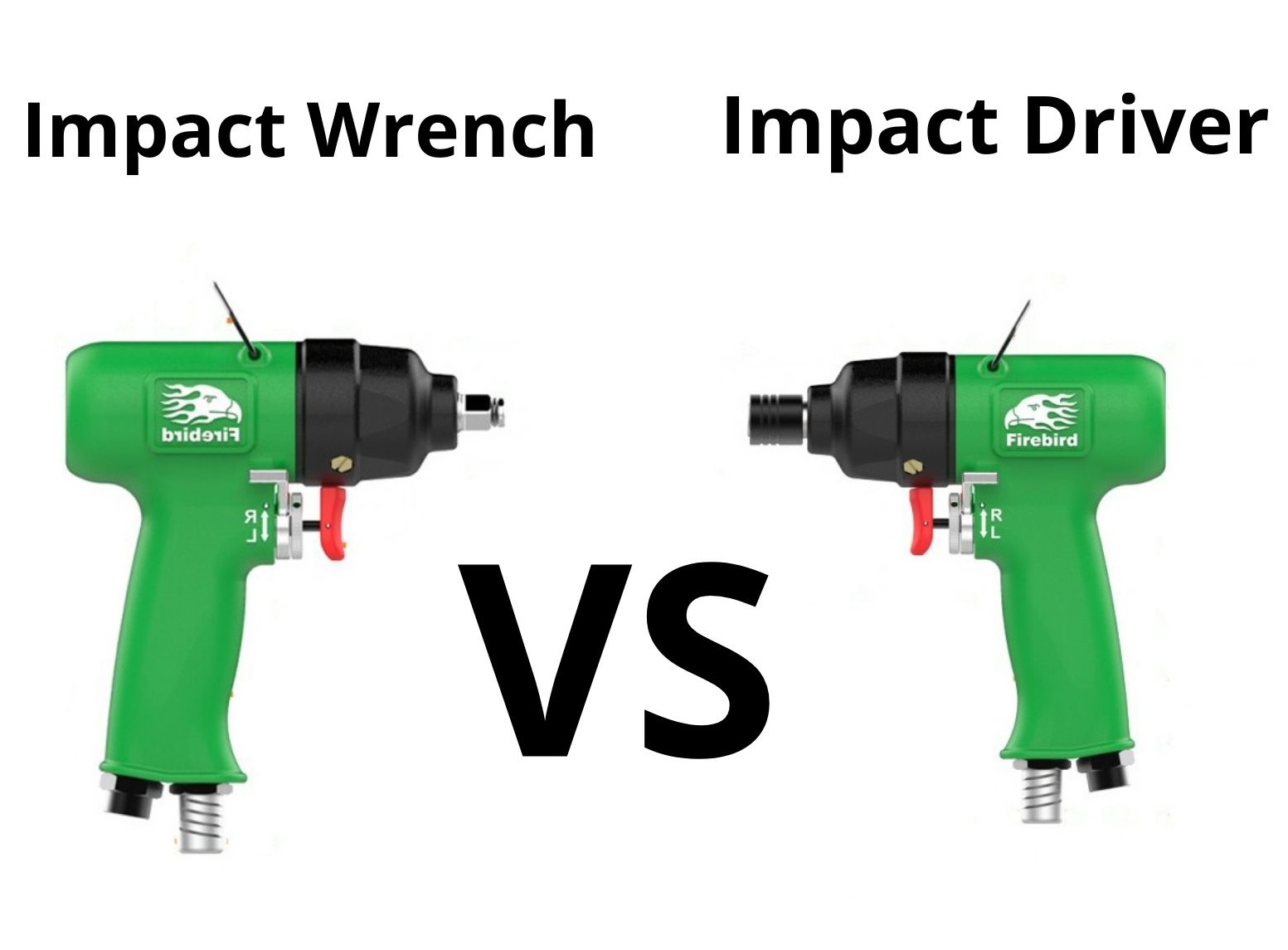
A unique feature of impact wrenches is their square drive (often 1/2-inch or 3/8-inch). This allows the use of sockets to grip the nut or bolt head securely.
What Is An Impact Driver?
An impact driver is designed for driving screws and fasteners into wood, metal, or plastic. While it also uses a hammering action, the torque it delivers is lower compared to an impact wrench. Impact drivers are lighter, smaller, and easier to handle in tight spaces.
The tool has a hex collet (usually 1/4-inch), which accepts hex-shank drill bits and driver bits. This makes changing bits fast and easy, especially if you have lots of screws to drive.
Carpenters, DIYers, and construction workers use impact drivers for tasks like building decks, installing cabinets, or assembling furniture. It is much more efficient than a regular drill when dealing with long screws or working with dense materials.
Key Differences Between Impact Wrench And Impact Driver
To understand which tool is best for your job, you need to know where they differ. Here’s a direct comparison:
| Feature | Impact Wrench | Impact Driver |
|---|---|---|
| Drive Type | Square (1/2″, 3/8″) | Hex (1/4″) |
| Torque | High (up to 1,000 ft-lbs or more) | Medium (100-200 ft-lbs typical) |
| Main Use | Loosening/tightening nuts & bolts | Driving screws & fasteners |
| Weight | Heavier | Lighter |
| Size | Larger | Compact |
| Bit Change | Sockets only | Quick-change bits |
| Precision | Low | High (for small screws) |
When To Use An Impact Wrench
The impact wrench is the tool to grab when you need pure power. Some situations where it is the best choice:
- Automotive Work: Removing or tightening lug nuts on car wheels. Mechanics use impact wrenches to change tires quickly.
- Heavy Machinery: Loosening large, rusted bolts on machines, tractors, or industrial equipment.
- Construction: Fastening heavy-duty anchors or lag bolts into concrete and steel.
- Demolition: Breaking down old structures where large bolts or nuts must come out.
It is important to note: Using an impact wrench on small screws or delicate materials will likely cause damage. The tool is not designed for precision.
When To Use An Impact Driver
The impact driver excels at tasks where speed, control, and repetitive work matter. Choose an impact driver for:
- Woodworking: Driving wood screws into studs, plywood, or framing.
- Deck Building: Installing hundreds of deck screws quickly and efficiently.
- Drywall Installation: Fixing drywall with screws where precise depth control matters.
- Home Repairs: Hanging shelves, assembling furniture, or fixing cabinets.
- Tight Spaces: Its compact size lets you work in corners or between joists where a wrench will not fit.
Many users do not realize that an impact driver can also handle small bolts with the right bit, but it is not meant for automotive lug nuts or large fasteners.
How Impact Wrenches And Impact Drivers Work
Both tools use a similar impact mechanism—a motor spins the shaft, and a hammer inside strikes an anvil, transferring force suddenly. This action creates the “rattling” sound you hear. The big difference is torque output and the way the tool grips the fastener.
An impact wrench uses strong, repeated blows to break loose or tighten large bolts. Most models can deliver over 1,000 foot-pounds (ft-lbs) of torque, which is enough for car axles or heavy machinery.
An impact driver delivers smaller, rapid impacts—about 50 to 200 ft-lbs. This is perfect for driving screws quickly without stripping the head or requiring lots of hand force.
Power Source Comparison
Both tools are available in corded, cordless, and (for wrenches) pneumatic versions. Here’s a side-by-side look:
| Power Source | Impact Wrench | Impact Driver |
|---|---|---|
| Battery (Cordless) | Common for home/field use | Most popular, lightweight |
| Electric (Corded) | Unlimited runtime, more power | Less common, mostly for workshops |
| Pneumatic (Air) | Highest power, used in garages | Rare, not practical |
Cordless tools now dominate the market. Lithium-ion batteries have made them lighter and longer-lasting. However, pneumatic impact wrenches are still the standard for professional mechanics who need maximum power all day.
Which Tool Is Right For You?
Choosing between an impact wrench and an impact driver depends on the jobs you do most. Here’s how to decide:
- If you work mostly with nuts and bolts—especially large or rusted ones—get an impact wrench.
- If your main tasks involve driving screws, lag bolts, or small fasteners, pick an impact driver.
- For car repairs, the impact wrench is essential; for home repairs and woodworking, the impact driver is more useful.
Common Mistakes When Choosing
Many beginners make these mistakes:
- Using the wrong tool for the job: Trying to use an impact driver for car lug nuts will not work well, and may break the tool.
- Ignoring drive size: Sockets (for wrenches) and bits (for drivers) are not interchangeable without adapters, which can reduce performance and safety.
- Underestimating torque: Too much torque can damage materials, snap bolts, or strip threads.
- Neglecting battery size: For cordless models, bigger jobs need bigger batteries. Small batteries will die quickly under heavy load.
Real-world Examples
Let’s look at how these tools are used in practice:
- Changing Tires: A mechanic uses a 1/2-inch impact wrench to remove lug nuts in seconds. An impact driver would not have enough force and could damage the bit.
- Building a Deck: A homeowner uses an impact driver with a 3-inch deck screw bit. The tool drives hundreds of screws without hand fatigue or stripping the heads.
- Home Appliance Repair: An impact driver helps open panels and drive screws in tight spots. A wrench would be too large and clumsy.
Safety And Maintenance
Both tools are powerful and require basic safety precautions:
- Wear eye protection to guard against flying debris.
- Hold the tool firmly; impacts can cause twisting.
- Do not use worn or incorrect bits and sockets.
- For impact wrenches, make sure sockets are rated as “impact” sockets; regular sockets may shatter.
- Keep batteries charged and motors clean for longer life.
Regular maintenance is simple: wipe down the tool, check for loose parts, and store in a dry place.

Price And Value
Impact drivers are generally less expensive. You can find a quality cordless impact driver for $60–$150. Impact wrenches, especially high-torque or pneumatic models, often cost $100–$300 or more.
If you only need to drive screws, do not overspend on a wrench. But if you change car tires or work with metal, investing in a good impact wrench will save time and effort.
Non-obvious Insights
Many new users do not realize:
- Adapters exist to use sockets with drivers and driver bits with wrenches, but this often reduces tool life and can damage fasteners.
- Noise levels are high for both tools, but impact wrenches are usually louder. Hearing protection is a good idea for long jobs.

Environmental Impact
Cordless tools have batteries that need proper recycling. Old pneumatic tools consume more energy, but have a longer lifespan. Consider these factors if you care about sustainability.
Recommendations For Beginners
Start with an impact driver if you are new to power tools. It is versatile, easier to control, and will cover most household tasks. Upgrade to an impact wrench only if you regularly work on cars or large machinery.
If you want to learn more about how these tools work and their history, visit the Wikipedia Impact Wrench page.
Frequently Asked Questions
What Is The Main Difference Between An Impact Wrench And An Impact Driver?
The main difference is torque and their primary use. Impact wrenches deliver much more torque and are used for loosening or tightening nuts and bolts. Impact drivers are made for driving screws and small fasteners.
Can I Use An Impact Driver For Changing Car Tires?
No, impact drivers do not have enough torque to remove car lug nuts. Use an impact wrench for this job to avoid damaging the tool or the fastener.
Are Sockets And Bits Interchangeable Between The Two Tools?
No, impact wrenches use square drive sockets, while impact drivers use hex-shank bits. Adapters are available, but they are not recommended for heavy work.
Which Tool Is More Suitable For Home Diy Projects?
An impact driver is usually better for home projects like building furniture, hanging shelves, or basic repairs. It is lighter, easier to use, and more versatile for small tasks.
Do I Need Ear Protection When Using These Tools?
Yes, both tools are loud, especially impact wrenches. Using ear protection is a good idea, especially during long jobs or in enclosed spaces.
Choosing the right tool makes work easier, safer, and more enjoyable. With this knowledge, you can confidently pick the best power tool for your next project.
As an Amazon Associate, We earn from qualifying purchases