
Choosing the right torque wrench is an important decision for anyone working with bolts, nuts, or machinery. Whether you are a professional mechanic, a DIY car enthusiast, or someone who wants to assemble furniture accurately, you’ve likely heard about digital and click torque wrenches. Both tools are designed to help you tighten fasteners to a specific torque, but they use different technologies and offer unique benefits and drawbacks. Understanding these differences can help you avoid over-tightening, under-tightening, and costly mistakes.
In this article, we’ll dive deep into the world of torque wrenches, focusing on the differences between digital and click torque wrenches. You’ll learn how each type works, their pros and cons, important features to look for, and practical tips for choosing the best one for your needs. By the end, you’ll be able to make a smart, confident choice for your workshop or garage.
What Is A Torque Wrench?
A torque wrench is a tool used to apply a precise amount of force (torque) to a bolt or nut. This is essential for safety and reliability, especially in automotive, aerospace, and construction work. Using the correct torque prevents parts from coming loose or getting damaged. There are several types of torque wrenches, but digital and click models are the most popular today.
How Click Torque Wrenches Work
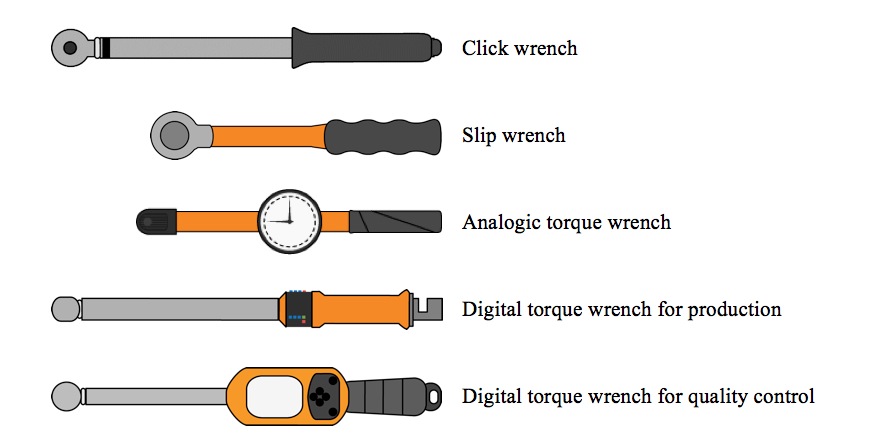
A click torque wrench is a mechanical tool that makes a noticeable “click” sound or sensation when the preset torque value is reached. This feedback tells you to stop tightening. Click wrenches have been around for decades and are trusted by many professionals.
Key Features
- Mechanical operation: Uses springs and levers, does not require batteries.
- Preset torque: You set the desired torque by turning the handle or dial.
- Audible and tactile feedback: The click is both heard and felt.
- Simple design: Fewer electronics, making it durable and reliable.
Typical Use Cases
Click wrenches are popular in automotive repair, bicycle maintenance, and assembly lines. Their robustness and simplicity make them suitable for tough environments.

How Digital Torque Wrenches Work
A digital torque wrench (sometimes called an electronic torque wrench) uses sensors and electronic circuits to measure torque. The result is displayed on a screen, often in real-time.
Key Features
- Electronic measurement: Uses strain gauges or sensors for high accuracy.
- Digital display: Shows the current torque value on an LCD screen.
- Multiple units: Can switch between Nm, ft-lb, in-lb, and more.
- Audio/visual alerts: Some models beep, vibrate, or flash lights when the preset torque is reached.
- Data storage: Advanced models save measurements for later review.
Typical Use Cases
Digital wrenches are favored in precision engineering, electronics assembly, and applications where exact records of torque are needed.
Detailed Comparison: Digital Vs Click Torque Wrench
Understanding the real differences requires looking at accuracy, ease of use, cost, durability, and other factors. Here’s a side-by-side comparison:
| Feature | Click Torque Wrench | Digital Torque Wrench |
|---|---|---|
| Accuracy | ±4% typical | ±2% typical |
| Feedback | Click sound/feel | Beep, light, or vibration |
| Display | No digital display | LCD/LED screen |
| Ease of Use | Simple, manual adjustment | Easy-to-read values, presets |
| Price Range | $30–$150 | $80–$500+ |
| Durability | Very robust | More sensitive to drops, water |
| Battery | None needed | Requires batteries |
Advantages Of Click Torque Wrenches
Click wrenches remain popular because they are:
- Reliable: Their mechanical design means fewer parts can fail.
- Affordable: Often less expensive, making them accessible for beginners.
- No batteries: Always ready to use, even in remote locations.
- Easy to calibrate: Most models can be recalibrated with simple tools.
- Durable: Withstand rough handling, dust, and oil.
However, beginners sometimes miss the click, especially in noisy environments. Also, click wrenches do not record torque data, which can be a drawback for technical audits.
Advantages Of Digital Torque Wrenches
Digital wrenches offer several modern benefits:
- High accuracy: Sensors provide more precise measurements.
- Data logging: Some models save torque values for quality control.
- Multiple alerts: Beep, light, or vibration helps in noisy places.
- Easy to read: Large digital displays reduce reading errors.
- Preset memory: Store common torque values for faster work.
These features are excellent for professionals needing documentation or working with strict tolerances. But, the electronics are vulnerable to water and drops, and batteries can run out at the wrong moment.
When To Choose A Click Torque Wrench
A click torque wrench is the better choice if you:
- Work outdoors or in rough environments
- Have a limited budget
- Prefer mechanical tools over electronics
- Need a tool that works in any condition, without worrying about batteries
For example, if you are repairing a car on the side of the road, a click wrench won’t fail you due to dead batteries or a broken screen.
When To Choose A Digital Torque Wrench
A digital torque wrench is best if you:
- Need high accuracy for critical tasks
- Want to record or track your torque data
- Often switch between different units (Nm, ft-lb, in-lb)
- Work in a factory or lab where standards are strict
If you build racing bikes or work on aircraft, digital precision and record-keeping are often required.
Common Mistakes When Using Torque Wrenches
Many users, especially beginners, make mistakes that can lead to inaccurate results or tool damage:
- Not resetting to zero: Always return the torque setting to its lowest value after use (for click wrenches) to keep the spring accurate.
- Ignoring calibration: Both types should be calibrated at least once a year or as recommended by the manufacturer.
- Using as a breaker bar: Never use a torque wrench to loosen bolts. This can damage the mechanism.
- Not reading instructions: Each brand and model may have unique features or quirks.
- Skipping battery checks: For digital models, always check battery life before starting a big job.
Paying attention to these small details can extend your tool’s life and keep your work precise.
Key Buying Factors
Selecting the right torque wrench goes beyond price. Here are essential factors to compare:
| Factor | Why It Matters | What to Look For |
|---|---|---|
| Accuracy | Ensures proper tightness | ±2% (digital), ±4% (click) or better |
| Range | Covers your most common tasks | Example: 10–150 ft-lb for cars |
| Size/Drive | Fits your sockets and workspace | 1/4″, 3/8″, 1/2″ drives |
| Build Quality | Lasts longer, stays accurate | Steel construction, clear markings |
| Ease of Use | Reduces mistakes | Clear scale, readable display, feedback |
| Extra Features | Adds value for advanced users | Memory, alerts, multiple units (digital) |
Practical Examples
Let’s look at two real-world scenarios to see how these differences play out.
Automotive Repair
A home mechanic is changing a car’s wheels. The lug nuts need 100 ft-lb of torque. A click torque wrench is simple, reliable, and doesn’t need batteries. If you hear and feel the click, the job is done. But, if you want to log each wheel’s torque for safety records, a digital wrench with memory is better.
Bike Assembly
You’re assembling a carbon fiber bicycle. The bolts are small, and over-tightening can ruin expensive parts. A digital torque wrench, accurate to 0. 1 Nm, helps avoid mistakes. The display and alerts make it easy to stay within safe limits.
Maintenance Tips
To keep your torque wrench working accurately:
- Clean after each use, especially the head
- Store in a protective case
- Don’t drop or expose to water (especially digital)
- Calibrate regularly
- For click wrenches, always set to the lowest value after use
These habits prevent wear and keep your readings trustworthy.

Cost Comparison
Price is often a deciding factor. Here’s a typical range:
- Click torque wrench: $30–$150 for quality brands
- Digital torque wrench: $80–$500+, depending on features and brand
While digital models cost more, they may save time and improve accuracy in professional settings.
Which One Is Right For You?
Consider your needs, budget, and working environment:
- Choose click if you want simplicity, durability, and value.
- Choose digital if you need top accuracy, advanced features, or work in regulated industries.
No tool is perfect for every situation. Many professionals own both types and use them as needed.
Non-obvious Insights
- Calibration isn’t forever: Even new wrenches can drift out of spec with heavy use or rough handling. Check accuracy with a calibration device if you notice inconsistent results.
- Digital wrenches can show peak and trace values: Some models display the highest torque reached and let you see how torque was applied. This is helpful for training or quality checks—something a click wrench cannot do.
- Unit switching matters for global work: If you work with international specs (Nm vs ft-lb), a digital wrench makes switching easy. With a click wrench, conversion errors are more likely.
- Some click wrenches allow dual-direction use: Not all do. If you need to tighten left-handed threads, check this before buying.
Further Reading
For more technical details on torque wrenches and their history, you can visit the Wikipedia Torque Wrench page.
Frequently Asked Questions
What Is The Main Difference Between A Digital And A Click Torque Wrench?
The main difference is how they indicate torque. A click wrench gives a mechanical click when the set torque is reached. A digital wrench shows the value on a screen and often gives a beep or vibration as an alert.
Which Type Is More Accurate?
Digital torque wrenches are usually more accurate, with errors as low as ±2%. Click wrenches are typically accurate to ±4%, which is still good for most jobs.
Do I Need To Calibrate My Torque Wrench?
Yes, regular calibration is essential for both types. Professional users should calibrate once a year or after heavy use. Home users can calibrate less often, but if you drop the tool, check it immediately.
Can I Use A Torque Wrench To Loosen Bolts?
No, never use a torque wrench as a breaker bar. This can damage the internal mechanism and affect accuracy.
Are Digital Torque Wrenches Worth The Higher Price?
They are worth it for precision work or where you need to log or switch units often. For basic home or automotive use, a quality click wrench is usually enough.
Choosing between digital and click torque wrenches is a matter of matching the tool to your real needs. Both have their place, and understanding the details will help you get the best results in your work.
As an Amazon Associate, We earn from qualifying purchases