
Have you ever stood in your garage or workshop, holding two pieces of wood, and wondered, “How do I make this joint strong and neat? ” That was me a few years back. I saw videos of people using biscuit joiners, and I thought, “Do I need a biscuit joiner, too?
” If you’re asking yourself the same thing, let me walk you through what I learned, the mistakes I made, and what finally helped me decide.
What Is A Biscuit Joiner?
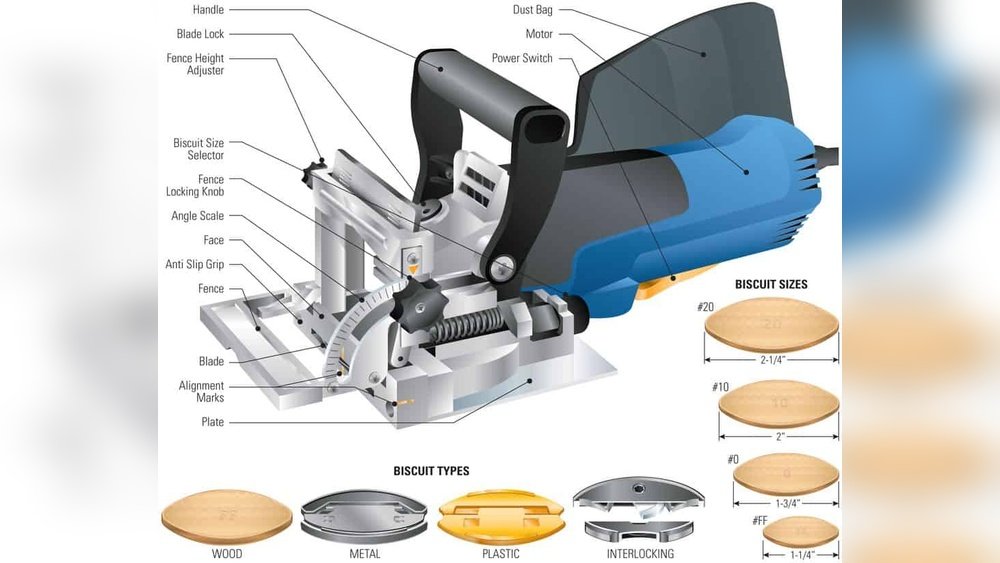
A biscuit joiner (sometimes called a plate joiner) is a woodworking tool. It helps join two pieces of wood edge-to-edge or at right angles. It cuts a small, football-shaped slot in both pieces. Then you glue a thin wooden “biscuit” into the slots. When the glue dries, the biscuit swells, locking the pieces together.
I remember the first time I saw one in action. The join looked so neat—almost invisible. But I also wondered if it was worth buying another tool.
Why People Use Biscuit Joiners
There are a few reasons why biscuit joiners are popular:
- Stronger joints: The biscuit adds surface area for glue, making the joint stronger.
- Easy alignment: The biscuit helps keep the wood flush. No more shifting during glue-up.
- Fast assembly: Once you cut the slots, the pieces go together quickly.
- Neater look: The joint is almost hidden, with no nails or screws showing.
I noticed these benefits when I started making shelves and small cabinets. The pieces lined up much better.
When A Biscuit Joiner Helps Most
You might not need a biscuit joiner for every project. Here’s when I found it especially useful:
- Edge joining boards: Making a wide tabletop from narrow boards is much easier with biscuits.
- Cabinet carcasses: The sides and shelves fit together cleanly.
- Picture frames: Biscuit joiners help keep the corners square and strong.
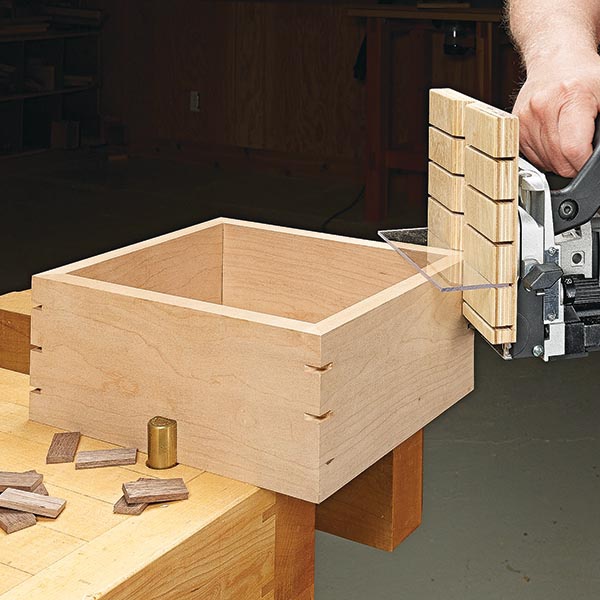
- Simple boxes: Biscuits add strength to miter or butt joints.
Let’s say you want to glue up a tabletop. Without biscuits, the boards can slip up or down. Biscuits help keep the surface flat.
When You May Not Need One
Not every project needs biscuits. Here’s what I found:
- Small repairs: For simple fixes, wood glue alone often works.
- Very thin wood: If the material is too thin, a biscuit slot can weaken it.
- Fancy joinery: If you’re making dovetails or mortise-and-tenon joints, a biscuit joiner isn’t needed.
Sometimes, clamps and glue are enough. I once tried biscuits on a tiny jewelry box. The wood split! Now I know: biscuits are for larger pieces.
Alternatives To A Biscuit Joiner
Before I bought my biscuit joiner, I tried other methods. Here’s how they compare:
| Method | Strength | Skill Needed | Tools Required |
|---|---|---|---|
| Wood Glue Only | Medium | Low | Clamps |
| Pocket Holes | High | Medium | Pocket Hole Jig |
| Dowels | High | High | Dowel Jig, Drill |
| Biscuit Joiner | High | Medium | Biscuit Joiner |
I tried pocket holes, but sometimes the screws showed. Dowels were tricky to align. For me, biscuits felt like the right balance of strength and simplicity.
My First Time Using A Biscuit Joiner
Let me share a quick story. I wanted to build a bookshelf. I tried gluing the shelves and sides together, but the boards slipped, and the joints were weak. I borrowed a biscuit joiner from a friend. Cutting the slots was simple.
The biscuits helped line everything up. After gluing and clamping, the bookshelf was rock solid. That’s when I realized the value.
Key Benefits I Noticed
After using a biscuit joiner for a few projects, here’s what stood out for me:
- Faster setup: I spent less time fighting misaligned boards.
- Cleaner results: The joints were flush and almost invisible.
- Less stress: I didn’t worry about boards slipping during glue-up.
- Repeatable accuracy: Every shelf and side fit the same way.
One thing beginners might miss: biscuits don’t add much structural strength in all directions. They mainly help with alignment and holding pieces together until the glue dries.
Common Mistakes I Made (so You Don’t Have To)
I wish someone had warned me about these:
- Cutting slots too deep: This can weaken the wood. Make sure the slots are centered.
- Not enough glue: Dry biscuits don’t swell. Always add glue to the slot and the biscuit.
- Mixing up biscuit sizes: #0, #10, and #20 are common. Use the right size for your material.
- Skipping dry assembly: Always fit the pieces together before gluing. I once glued before checking, and the boards didn’t line up.
If you’re careful, you’ll get better joints and less frustration.
How A Biscuit Joiner Compares To Other Joinery Tools
I often get asked, “Why not just use pocket holes or dowels?” Here’s a quick comparison based on my experience:
| Feature | Biscuit Joiner | Pocket Hole Jig | Dowel Jig |
|---|---|---|---|
| Speed | Fast | Fast | Slow |
| Strength | Good | Excellent (in one direction) | Excellent |
| Skill Level | Easy | Easy | Hard |
| Visibility | Hidden | Visible (unless plugged) | Hidden |
| Alignment Help | Excellent | Poor | Good |
For me, biscuits are great when looks matter and you want fast assembly. Pocket holes are strong but can show. Dowels are very strong but take longer.
When I Don’t Use My Biscuit Joiner
I love my biscuit joiner, but I don’t grab it for every job. If I’m fixing a broken chair or making a quick jig, I use screws or glue. For fine boxes or when I want to show off fancy joinery, I use hand-cut dovetails.
Sometimes, if you’re only doing one or two projects a year, you can get by without a biscuit joiner. But if you love building furniture or want your projects to look professional, it’s a handy tool.

How Much Does A Biscuit Joiner Cost?
Let’s talk money. My first biscuit joiner was a mid-range model. It cost around $100. There are cheaper options for about $50, but they may not be as accurate. Top brands can cost $200 or more.
Don’t forget: you’ll also need biscuits (the wooden pieces). They come in packs of 100 or more and cost about $10–$20 a box.
Here’s a quick breakdown:
| Tool | Price Range (USD) | Notes |
|---|---|---|
| Basic Biscuit Joiner | $50–$80 | Entry-level, less durable |
| Mid-Range Biscuit Joiner | $90–$150 | Good for most DIYers |
| Pro Biscuit Joiner | $200–$300+ | Heavy use, more features |
| Biscuits (box of 100) | $10–$20 | Lasts many projects |
I started with a mid-range model and was happy. If you’re just starting, you don’t need the most expensive one.
What To Look For If You Buy One
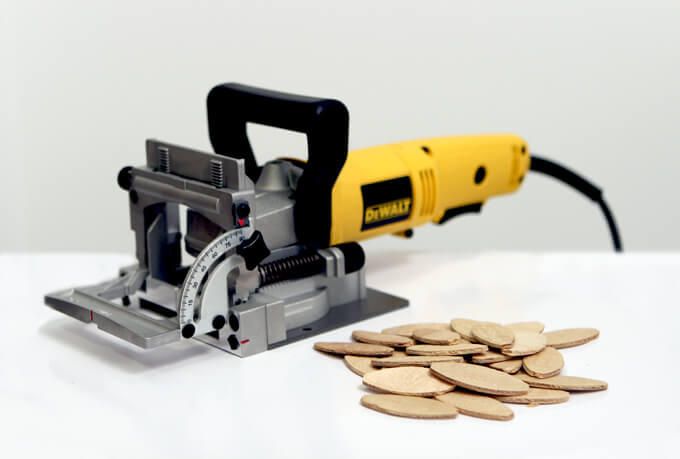
If you decide to get a biscuit joiner, here’s what I recommend:
- Adjustable fence: Helps you cut slots at different angles.
- Easy depth adjustment: Important for using different biscuit sizes.
- Good dust collection: Biscuit joiners make a lot of sawdust.
- Solid feel: Cheap models can vibrate or drift.
Before buying, I watched reviews and visited stores to hold the tool. Make sure it feels comfortable in your hands.
Is A Biscuit Joiner Right For You?
Here are a few questions I asked myself:
- Do I want to make furniture, shelves, or cabinets?
- Do I care about neat, professional-looking joints?
- Will I use it more than once or twice a year?
- Do I mind spending around $100 for a new tool?
If you answered “yes” to these, a biscuit joiner is a good investment. If you mostly do repairs or small crafts, you can skip it.
Non-obvious Insights I Wish I Knew Earlier
- Biscuits are not for heavy load joints: They work best for alignment and light to medium strength. For table legs or chair rungs, use stronger joints.
- Humidity matters: If your workshop is very dry or damp, biscuits can swell or shrink before use. Keep them sealed until you need them.
I once left biscuits in my humid garage. They expanded and wouldn’t fit in the slots. Now, I only open the package when I’m ready to glue up.
Final Thoughts
So, do you need a biscuit joiner? If you want clean, aligned joints and faster assembly for furniture or cabinets, it’s a fantastic tool. I use mine often and love the results. But you can get by with other methods if your projects are small or simple.
Don’t be afraid to try one. Borrow from a friend or rent before buying. For me, once I used a biscuit joiner, I didn’t want to go back.
If you want more details on biscuit joiners, check out this helpful guide on Wikipedia.
Frequently Asked Questions
What Size Biscuits Should I Use?
Most of the time, I use #20 biscuits. They fit well in standard 3/4-inch wood. For smaller pieces, use #10 or #0. Always match the biscuit size to your material thickness.
Can I Use A Biscuit Joiner On Plywood?
Yes, but be careful. Plywood can split if you cut too deep. Use a shallow slot and plenty of glue. I’ve had good results with #10 biscuits in 1/2-inch plywood.
Do Biscuits Make The Joint Stronger?
Biscuits mostly help with alignment and add some strength. For heavy-duty joints, use dowels, screws, or mortise-and-tenon joints. For shelves and panels, biscuits are great.
Is It Hard To Use A Biscuit Joiner?
No, it’s actually simple. Mark your slots, line up the tool, and cut. My first try was a bit slow, but after a few joints, I got much faster.
How Do I Store Biscuits?
Keep them in a sealed bag or container. Moisture can make them swell. I learned this the hard way—swollen biscuits won’t fit in the slots!
If you have more questions, feel free to ask in the comments. I hope my experience helps you decide if a biscuit joiner is right for your projects. Happy building!
As an Amazon Associate, We earn from qualifying purchases