
If you’ve ever pulled out your Echo leaf blower on a sunny weekend, ready to clear your yard, and then—nothing happens when you pull the cord—you know the frustration I’ve felt. I’ve been there more than once. The engine just coughs, sputters, or stays silent. I learned, often the hard way, that there are many reasons why an Echo leaf blower won’t start. Let me walk you through my journey of fixing this problem, step by step, with all the little details and tips I wish someone had told me earlier.
First Steps: Don’t Panic, Check The Basics
Before you start opening things up or buying new parts, make sure you haven’t missed something simple. I know it sounds obvious, but sometimes we forget these basics, especially if we’re in a hurry.
- Check the fuel. Is there enough gas in the tank? I’ve forgotten this more times than I’d like to admit. Echo blowers need fresh, clean fuel. Old gas can make starting almost impossible.
- Power switch. Make sure the blower is actually set to “on.” I’ve bumped mine to “off” by accident before.
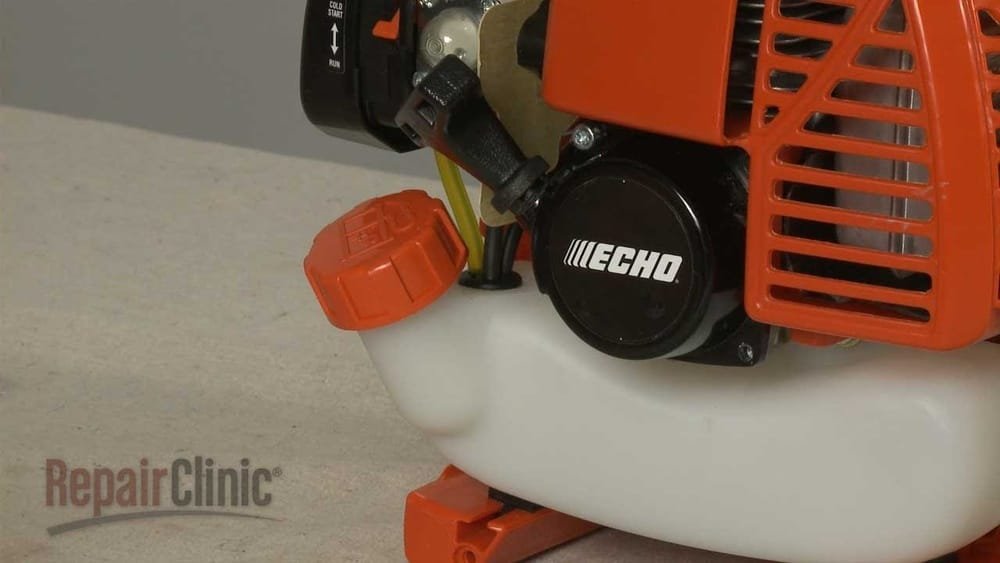
- Primer bulb. Press the primer bulb several times before trying to start. If it doesn’t fill with gas, there’s a fuel delivery problem.
- Choke lever. For a cold start, the choke should be in the “start” position. For a warm start, move it to “run.” This little lever is easy to forget.
If all these are set and you still get nothing, it’s time to go a bit deeper.
Fuel Issues: The Main Culprit
Most of the time, when my Echo leaf blower wouldn’t start, it was fuel-related. Two-cycle engines like Echo’s are picky about fuel.
Old Or Bad Gas
If the gas has been sitting in the tank for more than a month, it can go stale. Stale gas doesn’t burn well. It smells sour and sometimes turns dark. I once tried to use gas left over from last fall, and my blower just wouldn’t start.
After draining and adding fresh gas, it fired right up.
Wrong Oil Mix
Echo blowers use a gasoline-oil mix, usually at a 50:1 ratio. If you use straight gas, you can damage the engine. Too much oil, and it won’t burn cleanly. I recommend using Echo’s premixed fuel if you’re not sure how to measure.
Clogged Fuel Lines And Filter
Sometimes fuel lines crack or get blocked. Once, I found a tiny crack in a fuel line that was letting in air. The engine just sputtered. Replacing the line fixed it. The fuel filter, usually inside the tank, can also get clogged with dirt.
I check and clean mine every few months.
Here’s a quick comparison of fuel problems I’ve run into:
| Problem | Symptom | Solution |
|---|---|---|
| Old gas | Engine won’t start or runs rough | Drain and refill with fresh gas |
| Wrong mix | Smoke, poor running, or no start | Use correct 50:1 mix |
| Clogged filter | Hard to start, engine dies | Replace or clean filter |

Spark Plug: Tiny Part, Big Role
A bad spark plug can stop your blower cold. I always check the spark plug if the fuel is fresh and the blower still won’t start. Here’s what I look for:
- Remove the plug with a socket wrench.
- Check for fouling. If the tip is black or wet, clean it with a wire brush or replace it.
- Proper gap. The gap should match Echo’s manual (usually about 0.025 inches). Too wide or too narrow, and the engine won’t fire right.
- Spark test. Attach the plug wire, hold the plug against metal, and pull the starter. You should see a blue spark.
I’ve had cases where the blower only started after putting in a new spark plug. These cost just a few dollars and can make a huge difference.
Air Filter: Breathing Easy
Engines need air to run. If the air filter is dirty, the blower won’t start or will run poorly. I once found my filter packed with dust and leaves after a dry fall. Cleaning or replacing it did the trick.
- Remove the filter cover.
- Wash foam filters with soap and water.
- Replace paper filters if dirty.
If you use your blower a lot, check the air filter every few weeks.
Carburetor Problems: The Hidden Troublemaker
When I ruled out fuel, spark, and air, my next suspect was the carburetor. It mixes air and fuel. If it’s clogged, the engine can’t start.
Symptoms Of Carburetor Issues
- Engine won’t start or runs only with choke on
- Surging or stalling
- Gas leaks
I once left gas in my blower all winter. The carb gummed up, and even after cleaning the plug and filter, it wouldn’t start. I had to remove the carburetor, spray it with carb cleaner, and poke out the tiny jets with a wire.
If cleaning doesn’t help, I buy a carburetor rebuild kit. These kits come with new gaskets and diaphragms. They cost less than a new carb, but can make old blowers run like new.
Here’s a quick look at when to clean versus rebuild:
| Condition | Action | Result |
|---|---|---|
| Minor dirt | Clean with spray | Often solves the problem |
| Old or hard gaskets | Rebuild kit | Restores carb function |
| Major damage | Replace carb | Best for very old units |
Recoil Starter: Can’t Pull? Won’t Start
One time, my blower’s starter rope wouldn’t budge. The recoil starter was jammed. Sometimes, the rope or spring inside breaks. If you can’t pull the cord, the engine can’t turn over.
To fix this, I unscrewed the starter assembly, checked for tangles, and rewound the spring. If it’s broken, you’ll need a new starter assembly. Luckily, these are easy to swap out with just a screwdriver.

Ignition System: Beyond The Spark Plug
If you change the spark plug and still get no spark, the ignition coil could be bad. This is rare but can happen. I check the coil with a multimeter. If there’s no continuity, it’s time for a new one. Coils can cost more than $30 but last a long time.
Flooded Engine: Too Much Of A Good Thing
Sometimes, I get impatient and pull the starter cord too many times with the choke on. This can flood the engine with fuel. The smell of gas is strong, and the engine won’t start.
To fix it, I set the blower on “run,” hold the throttle open, and pull the cord several times to clear excess fuel. Waiting 10–15 minutes also helps. Don’t keep choking a flooded engine, or you’ll make it worse.
Muffler And Spark Arrestor: Blockages Matter
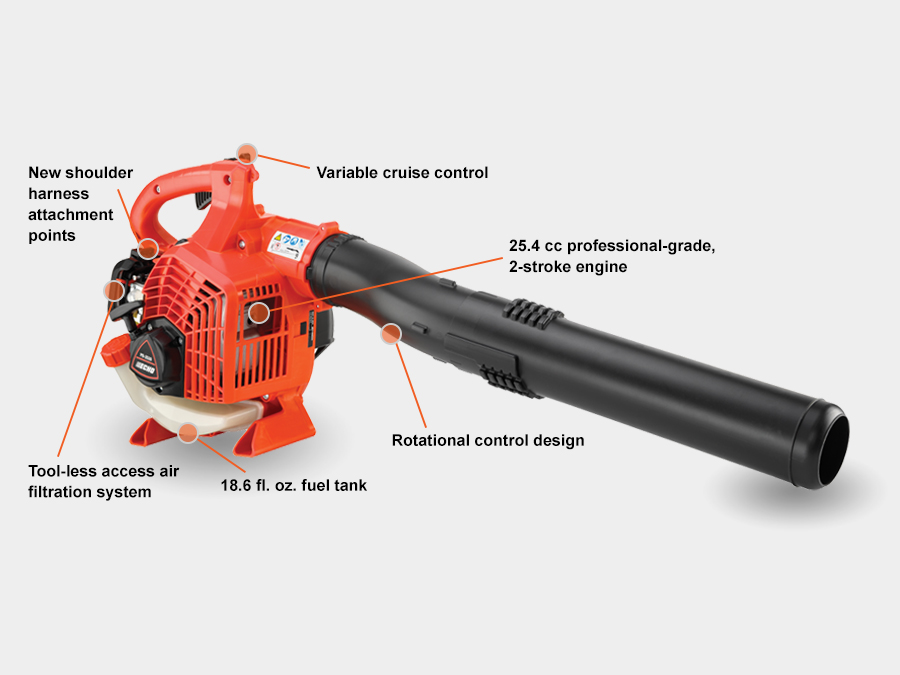
Echo blowers have a spark arrestor screen in the muffler. If it clogs with carbon, the engine can’t breathe. I once found my blower running weak, then refusing to start. Removing and cleaning the screen with a brush fixed it fast.
Compression: When The Engine Is Worn Out
After years of use, engines can lose compression. If you pull the cord and there’s little resistance, it might be time for a new blower. You can check compression with a gauge—most Echo blowers need at least 90 psi to start.
Here’s how key engine problems compare:
| Problem | How It Feels | Fix |
|---|---|---|
| Good compression | Strong pull, engine “pops” | Normal use |
| Low compression | Weak pull, no start | Major repair or replace |
Safety First: Don’t Skip Protection
When working on blowers, I always wear gloves and eye protection. Gasoline, carb cleaner, and small parts can be dangerous. Make sure the blower is cool before you open anything.
When To Call A Pro
If you’ve tried everything—fresh gas, new plug, clean filters, cleaned carb, checked compression—and it still won’t start, it might be time for a repair shop. Sometimes, an experienced mechanic can spot problems I miss. Don’t be afraid to ask for help.
Two Insights Most People Miss
- Seasonal storage is critical. Always drain the gas before storing your blower for winter. I ruined a carburetor by forgetting this one fall. Modern gas goes bad fast.
- Premixed fuel costs more but saves headaches. Echo’s own premix can last up to two years unopened. I switched to premix and my starting problems dropped a lot.
Maintenance Tips For Easy Starts
From my experience, regular care is the best way to avoid problems. Here’s what I do:
- Use only fresh, high-quality fuel.
- Clean or replace the air filter every month during heavy use.
- Replace the spark plug at the start of each season.
- Run the blower dry before storing for winter.
- Check for loose wires, screws, or cracked fuel lines often.
For more on Echo blower care, the official Echo site is packed with details.
Frequently Asked Questions
Why Does My Echo Leaf Blower Start Then Die?
This usually means there’s a fuel delivery problem, like a clogged carburetor or fuel filter. Make sure your gas is fresh and the air filter is clean.
How Often Should I Change The Spark Plug?
I change mine once a season, or anytime the engine won’t start and I suspect a bad plug. It’s a cheap fix and often solves the problem.
What’s The Right Gas And Oil Mix For An Echo Leaf Blower?
Echo recommends a 50:1 gasoline to oil mix. Using the wrong mix can cause starting problems or engine damage.
How Do I Prevent My Blower From Not Starting After Winter?
Drain the fuel before storage, use fresh gas in spring, and clean the air filter. This has saved me so much trouble over the years.
What If My Blower Still Won’t Start After All This?
If you’ve checked fuel, spark, air, carb, and compression, and it still won’t start, take it to a repair shop. Sometimes, deeper engine problems need a pro’s touch.
Nothing is more frustrating than a tool that won’t work when you need it. But after many tries (and plenty of mistakes), I’ve learned that most Echo leaf blower starting problems have clear solutions. With patience and the right steps, you can get back to clearing your yard and enjoying your weekend.
As an Amazon Associate, We earn from qualifying purchases