
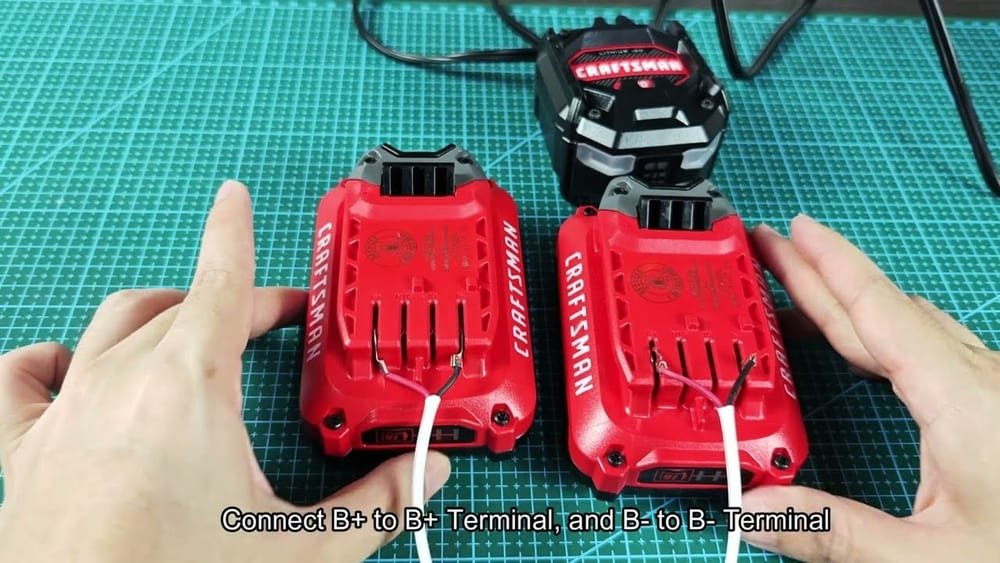
If you’ve ever grabbed your Craftsman leaf blower, ready to tackle that messy yard, and then found the battery just won’t charge, I know exactly how you feel. The first time it happened to me, I was frustrated and confused. I kept thinking, “Is my battery dead? Did I do something wrong?” Over the years, I’ve dealt with this problem more than once, and I’ve learned a lot by working through it myself. Today, I want to walk you through everything I know about why a Craftsman leaf blower battery won’t charge, how to fix it, and how to avoid it in the future. I’ll also share some tips I wish someone had told me from the start.
My First Encounter With A Dead Battery
The first time my Craftsman leaf blower battery wouldn’t charge, I felt lost. I had leaves piling up and no backup plan. I tried charging it overnight, but the next morning, the battery indicator was still red. I worried that I’d have to spend money on a new battery or, worse, a new blower.
After some trial and error, I started looking for answers, and I discovered that this is a common problem. It’s not always the battery’s fault, and sometimes, a simple fix is all you need. Let me walk you through what I’ve learned from both my mistakes and successes.
Common Reasons Your Craftsman Leaf Blower Battery Isn’t Charging
Let’s start with the basics. If your battery isn’t charging, it could be one of several things. Here’s what I’ve found to be the most common reasons:
1. Battery Not Seated Properly
Sometimes, the battery just isn’t clicked in all the way. I’ve made this mistake more than once. If the contacts aren’t touching, the charger can’t work.
2. Dirty Or Corroded Contacts
Leaf blowers get dusty. Dirt or corrosion on the battery or charger contacts will stop the flow of power.
3. Charger Issues
I once spent an hour blaming my battery, only to find out my charger was broken. Chargers can fail—sometimes from drops, water, or just old age.
4. Battery Is Too Hot Or Too Cold
Extreme temperatures can fool you. If the battery is hot from use or has been in the garage during winter, it might not charge until it’s at room temperature.
5. Faulty Battery
Batteries don’t last forever. After a few years, they can stop holding a charge.
6. Power Source Problems
One time, my outlet was dead, not the charger. It’s easy to forget to check the basics.
7. Wrong Charger Or Battery Mismatch
Using the wrong charger or a non-compatible battery can cause problems. It’s happened to me when I borrowed a neighbor’s charger.

Troubleshooting Steps That Work
I’ve learned to approach the problem step by step. Here’s what I do when my Craftsman leaf blower battery won’t charge:
1. Check The Battery Placement
First, I remove the battery and put it back in the charger. I make sure it “clicks” into place. If it’s not fully seated, it won’t charge.
2. Inspect Battery And Charger Contacts
I always check for dirt, dust, or green corrosion on the metal contacts. Sometimes, I use a soft brush or a cotton swab with a little rubbing alcohol to clean them. I let everything dry before trying again.
3. Test The Power Source
I’ve been fooled by a tripped breaker or a bad extension cord. Now, I always try plugging the charger into a different outlet I know works.
4. Swap The Charger
If possible, I borrow a charger from a friend or neighbor who has the same model. If the battery charges on their charger, mine is the problem.
5. Let The Battery Rest
If the battery is hot or cold, I let it sit indoors for an hour. Most modern chargers have temperature sensors and won’t charge if the battery is too far from room temperature.
6. Try A Different Battery
If I have a second Craftsman battery, I put it on the charger. If it charges, I know my first battery is likely the problem.
7. Look For Warning Lights
Most Craftsman chargers have indicator lights. A flashing red light usually means an error—like a bad battery or charger. The manual often explains what each light means.
Comparing Battery And Charger Issues
At first, I had trouble telling if my battery or charger was broken. Here’s a simple way I compare them:
| Symptom | Charger Problem | Battery Problem |
|---|---|---|
| No lights on charger | Yes | No |
| Flashing red light | Sometimes | Yes |
| Battery won’t charge on any charger | No | Yes |
| Another battery charges fine | No | Yes |
| Charger gets hot or smells | Yes | No |
This table has helped me decide if I need a new battery or a new charger. If the charger has no lights or gets hot, I replace it. If another battery works fine, my original battery is the issue.
How To Clean Battery And Charger Contacts
I used to ignore the contacts, but now I clean them every few months. Here’s how I do it:
- Unplug the charger.
- Remove the battery.
- Use a cotton swab and a little rubbing alcohol.
- Gently clean the metal contacts on both battery and charger.
- Let them dry fully before plugging in.
Even a small amount of dirt can block charging. I once thought my battery was dead, but cleaning the contacts fixed it.
Common Mistakes I’ve Made (and How To Avoid Them)
Over the years, I’ve made some rookie errors. Here are a few, so you don’t have to repeat them:
- Leaving the battery in the charger for weeks: This can shorten its life. I now remove it once it’s charged.
- Charging in the garage during winter: Cold batteries don’t charge well. I now charge inside where it’s warm.
- Using the wrong charger: Not all Craftsman chargers are the same. I always double-check model numbers.
- Ignoring warning lights: The charger’s lights tell you what’s wrong. The manual is your friend.
How Long Should A Craftsman Leaf Blower Battery Last?
From my experience, a Craftsman 20V lithium-ion battery usually lasts 2-3 years with normal use. If you use the blower every weekend, maybe less. Extreme heat, cold, and overcharging can shorten its life.
Here’s a comparison of battery lifespans by type:
| Battery Type | Average Lifespan (Years) | Charge Cycles |
|---|---|---|
| Lithium-ion (Li-ion) | 2-4 | 300-500 |
| Nickel-cadmium (NiCad) | 1-3 | 200-300 |
| Nickel-metal hydride (NiMH) | 2-3 | 300-500 |
Most modern Craftsman leaf blowers use lithium-ion batteries. They’re lighter and last longer than older types.
Signs You Need A New Battery
Sometimes, no amount of cleaning or troubleshooting helps. Here’s how I know it’s time for a new battery:
- It won’t charge on any charger.
- It charges, but the blower only runs for a few minutes.
- The charger flashes error lights every time.
- The battery looks swollen or leaks.
When I see these signs, I buy a new battery. It’s safer and saves time.
Tips To Extend Battery Life
I’ve learned a few tricks to make my batteries last longer:
- Store batteries indoors. Avoid heat, cold, and moisture.
- Charge after each use. Don’t let them sit empty for months.
- Don’t overcharge. Remove from charger once full.
- Clean contacts regularly.
- Use the right charger.
Following these steps has saved me money and hassle.
What To Do If Nothing Works
If you’ve tried all the above and your battery still won’t charge, here’s what I suggest:
- Double-check your warranty. Craftsman batteries often have a 1- or 2-year warranty. I once got a free replacement this way.
- Contact Craftsman support. Sometimes they can help troubleshoot or recommend a service center.
- Recycle old batteries. Don’t throw them in the trash—most hardware stores have recycling bins.
I once spent hours trying to fix a battery that was simply worn out. Don’t be afraid to replace it if it’s past its prime.
Battery And Charger Compatibility
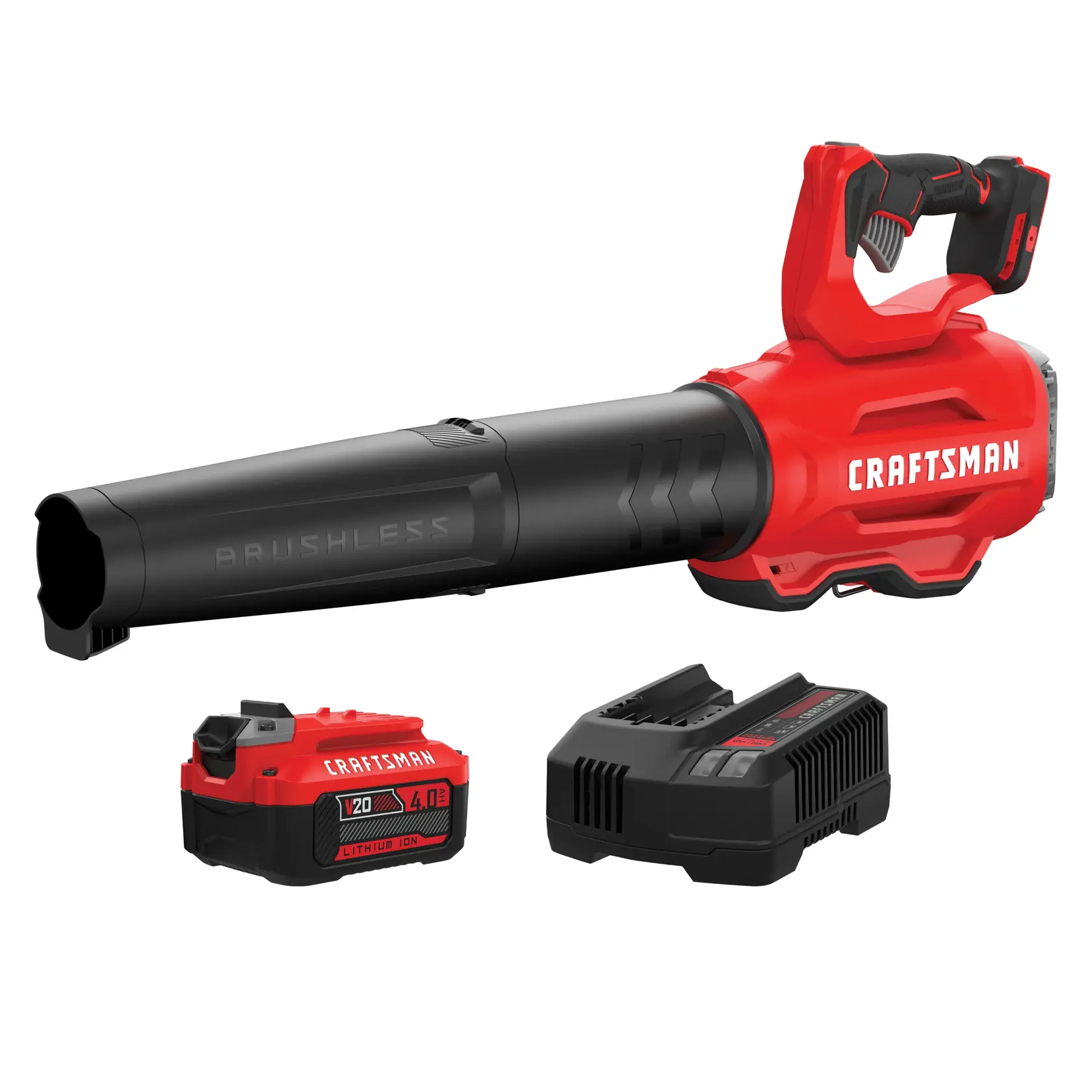
Not all Craftsman batteries and chargers are the same. Over the years, I’ve seen different voltages and connectors. Here’s a quick guide I use:
| Charger Model | Compatible Battery Voltage | Connector Type |
|---|---|---|
| CMCB104 | 20V | Slide-on |
| CMCB102 | 20V | Slide-on |
| CMCB1102 | 20V/40V | Slide-on (dual) |
| Older NiCad Charger | 19.2V | Snap-in |
Always check your model numbers. I once bought a battery that didn’t fit my charger—lesson learned.
When To Call A Professional
Most battery charging issues can be fixed at home. But if your charger smells burnt, sparks, or the battery leaks, stop using them. It’s time to call a pro or replace the parts. Safety always comes first.

Where To Find Official Help
If you’re stuck, Craftsman’s official support has manuals, troubleshooting guides, and warranty info. Here’s their site: Craftsman Support.
My Final Thoughts
Dealing with a Craftsman leaf blower battery not charging can be annoying, but it’s usually not the end of the world. Most problems are easy to fix once you know what to look for. Start with the simple things—clean the contacts, check the outlet, and use the right charger. Don’t forget to look at the charger’s warning lights and your warranty. If the battery is old or damaged, it’s okay to replace it. I hope my experiences help you get back to clearing your yard with less stress.
Frequently Asked Questions
Why Does My Craftsman Leaf Blower Battery Charger Blink Red?
A blinking red light usually means a problem with the battery—like it’s too hot, too cold, or faulty. Check the manual for your model’s codes.
Can I Use A Different Brand’s Charger For My Craftsman Battery?
No, you should always use the charger made for your battery’s voltage and connector type. Using the wrong charger can damage the battery or even cause it to overheat.
How Do I Know If My Battery Is Dead Or Just Needs Cleaning?
Try cleaning the contacts first. If that doesn’t help, test the battery in another charger. If it still won’t charge, it’s likely dead.
Is It Bad To Leave My Craftsman Battery On The Charger Overnight?
It’s best to remove the battery once it’s fully charged. Leaving it on the charger can shorten its life over time.
Where Can I Recycle My Old Craftsman Battery?
Most hardware stores have battery recycling bins. You can also check local recycling centers or the Craftsman website for options.
I hope this guide helps you fix your Craftsman leaf blower battery problems and keeps your yard looking great. If you have any other questions, feel free to ask!
As an Amazon Associate, We earn from qualifying purchases