
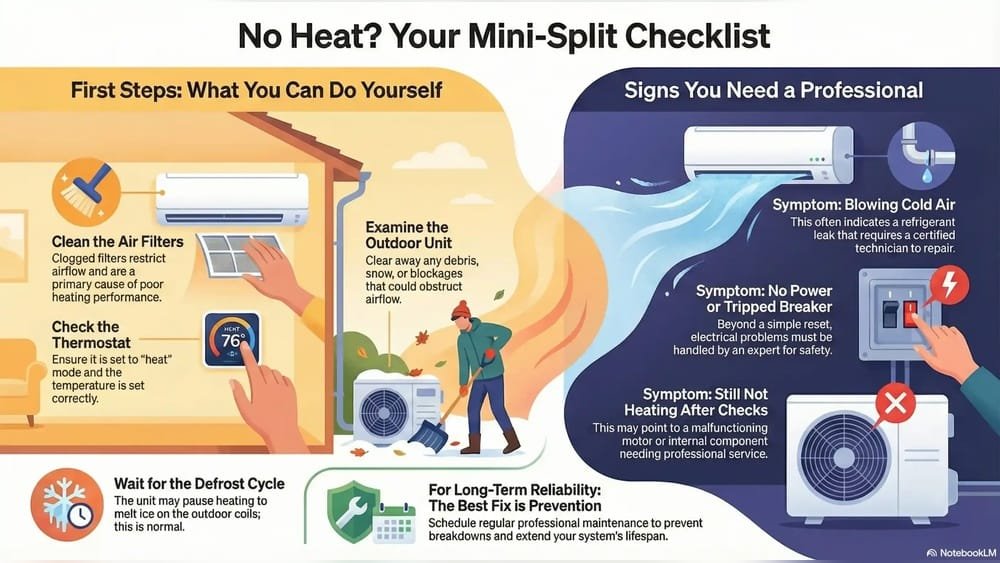
If you’re reading this, you probably own a Msz-Gl24Na mini split air conditioner, and you’re frustrated because it’s not blowing hot air when you need it. I’ve been in your shoes. I remember one chilly evening when I tried to warm my living room, but all I got was cold air. I panicked a bit, searched online, and tried everything I could. Over time, I learned a lot about what causes this problem and how to solve it. Let me walk you through what I discovered, step by step, so you don’t have to feel lost like I did.
Understanding The Msz-gl24na Mini Split
Before we dive into the fixes, let’s talk a bit about the unit itself. The Msz-Gl24Na is a wall-mounted mini split made by Mitsubishi Electric. It’s designed to cool and heat your home. Most of the time, it’s reliable and efficient. But like any machine, things can go wrong.
The heating function uses a heat pump system. Instead of burning fuel, it moves heat from outside to inside your home, even when it’s cold. This is great for saving energy, but it also means a few extra things can go wrong compared to a normal electric heater.
Common Reasons For No Hot Air
When my unit first stopped blowing hot air, I didn’t know where to start. After lots of trial and error, I found there are a handful of common reasons this happens:
- Incorrect mode setting
- Dirty air filters
- Low refrigerant
- Outdoor unit problems
- Faulty thermostat
- Defrost cycle confusion
- Blocked vents
- Electrical issues
Let’s look at each one in detail, and I’ll share what worked for me.
Checking The Mode And Settings
This may sound too simple, but double-checking the mode on your remote is step one. Once, I spent almost an hour fiddling with my unit, only to realize it was set to “Cool” instead of “Heat.” I felt silly, but I learned not to overlook the basics.
Make sure:
- The unit is in HEAT mode (not AUTO, COOL, or DRY).
- The temperature is set higher than the current room temperature.
- The fan is not set to “Low” if you want quick heat.
Sometimes, the mode button can be confusing. The heat symbol usually looks like a little sun. If you’re not sure, check your manual or look it up online.
Cleaning Or Replacing Air Filters
If your air filters are dirty, the unit can’t blow enough air. It may seem like it’s not heating, but actually, the airflow is blocked.
How I clean my filters:
- Open the front panel.
- Slide out the filters.
- Vacuum off the dust.
- If very dirty, wash with warm water and mild soap.
- Let them dry completely before putting them back.
I try to do this every month in winter. The first time I cleaned my filters, the air started blowing much stronger—and warmer—right away.
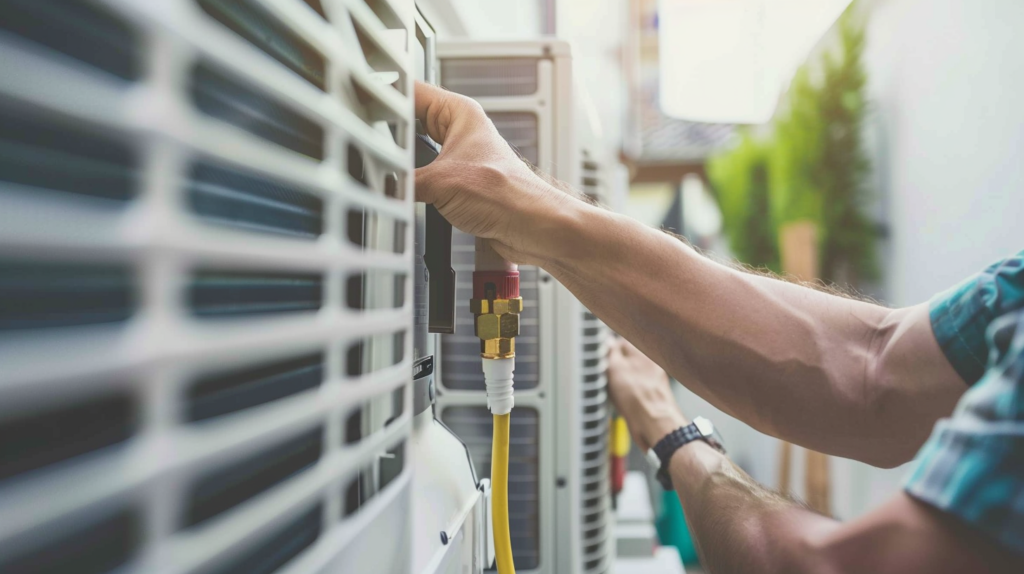
Checking For Low Refrigerant
One time, even after cleaning my filters, my unit still didn’t heat. The air felt cool, not warm. I called a technician, and he checked the refrigerant (the special fluid that moves heat). He found it was low.
Low refrigerant means the unit can’t transfer heat well. This is not something you can fix yourself. You need a professional to check for leaks and refill the system.
Here’s what I noticed:
- The outdoor unit was running, but no warm air came out inside.
- The pipes outside sometimes had ice on them.
- The unit would run, but never get the room warm.
If you see these signs, call a licensed HVAC pro.
Outdoor Unit Problems
The outdoor part of the mini split is just as important as the indoor part. Once, after a snowstorm, my unit stopped heating. I went outside and found the outdoor unit was covered in snow and ice.
The outdoor unit needs to be clear to work. If it’s blocked by snow, leaves, or debris, it can’t pull in air. I now check it after every storm.
I also learned that if the outdoor fan is not spinning, the unit won’t heat. Sometimes a stick or ice can jam the fan. If you’re comfortable, you can clear small debris, but be sure to turn off the power first.

Thermostat And Remote Issues
A faulty thermostat can confuse the unit. Once, my remote’s batteries were dying, and the settings didn’t “stick.” The unit looked like it was in heat mode, but it wasn’t actually heating.
Here’s what I check now:
- Replace remote batteries if the display is dim.
- Try setting the temperature a bit higher.
- Make sure nothing is blocking the temperature sensor.
If you have a wall thermostat, try resetting it. I once had to re-pair my remote with the unit, following steps in the manual.
Defrost Cycle Confusion
This one confused me a lot. Sometimes, my unit would stop blowing hot air for 10–15 minutes, and I could hear a faint hissing noise outside. I learned this is called the defrost cycle.
When it’s cold and damp, ice can build up on the outdoor unit. The system will automatically reverse itself to melt the ice. During this time, it may blow cool air inside or stop blowing at all. This is normal.
If your unit goes back to heating after 10–20 minutes, it’s probably just doing its job. If it stays cold, then there’s another problem.
Blocked Vents And Airflow Issues
One winter, I rearranged my furniture and accidentally blocked the indoor unit’s vent with a tall bookshelf. The room stayed cold, and I thought my heater was broken. Turns out, the airflow was blocked.
Make sure:
- Nothing is in front of the indoor unit.
- The louvers (the slats on the front) are open and pointing down.
- The air can move freely around the room.
It seems obvious, but it’s easy to miss.
Electrical And Power Problems
Mini splits need stable power. Once, after a power surge, my unit started acting strange. It would turn on, but not heat. I had to reset the breaker for the unit.
What I do now:
- If the unit is not working right, I turn off the breaker for one minute, then back on.
- I check for blinking error lights or codes. The Mitsubishi units often show a blinking pattern if there’s a fault.
If you get error codes, look them up in your manual. They can help you figure out what’s wrong.
Table: Quick Troubleshooting Steps
Here’s a quick comparison of symptoms and likely causes, based on what I’ve experienced:
| Symptom | Likely Cause | DIY Fix? |
|---|---|---|
| Blowing cold air only | Wrong mode, dirty filters, low refrigerant | Check mode, clean filters. Call pro for refrigerant. |
| No air blowing | Blocked vent, frozen coil, electrical issue | Clear vent, reset unit, call pro if needed |
| Stops heating after a while | Defrost cycle, blocked outdoor unit | Wait for cycle, clear snow/debris |
| Error lights or codes | Internal fault, power issue | Reset breaker, check manual |
When To Call A Professional
Some problems are easy to fix at home. But after my experience with a refrigerant leak, I know when to call for help. Here’s when you should get a pro:
- The unit runs but never blows hot air, even after basic checks.
- You see ice on the outdoor pipes or coils.
- There are error codes you don’t understand.
- The outdoor unit makes strange noises.
Don’t try to open the sealed parts of your unit. It can be dangerous and void your warranty.

Table: Diy Vs Professional Fixes
Let me share what you can do yourself and what needs expert help:
| Problem | DIY Fix | Needs Pro |
|---|---|---|
| Mode setting error | Yes | No |
| Dirty filters | Yes | No |
| Blocked vent | Yes | No |
| Low refrigerant | No | Yes |
| Faulty thermostat | Maybe | Yes (if part replacement) |
| Electrical fault | No | Yes |
Preventative Steps That Helped Me
After dealing with this issue a few times, I now do a few things every winter to keep my Msz-Gl24Na working:
- Clean filters monthly – It takes five minutes, but prevents problems.
- Check outdoor unit after storms – Clear off snow, leaves, or ice.
- Test heating in fall – I turn on the heat for a few hours before it gets really cold, to make sure it works.
- Keep vents clear – I don’t put furniture or curtains in front of the unit.
- Watch for error codes – If I see blinking lights, I grab my manual right away.
These steps take little time, but they keep my unit running well.
How The Msz-gl24na Compares To Other Heaters
I’ve used other types of heaters before, like baseboards and portable electric heaters. Here’s how the Msz-Gl24Na stacks up for heating:
| Heater Type | Efficiency | Speed | Noise |
|---|---|---|---|
| Msz-Gl24Na (heat pump) | Very high | Medium | Very quiet |
| Baseboard electric | Low | Fast | Silent |
| Portable heater | Low | Fast (small area) | Varies |
The heat pump system saves money but can be more sensitive to cold weather and blockages.
Two Common Mistakes I Made
I want to share two insights that took me a while to learn:
- I ignored regular filter cleaning. I thought it was only needed once a year, but dust builds up fast. Monthly cleaning makes a big difference.
- I didn’t understand the defrost cycle. The first winter, I thought my unit was broken every time it stopped blowing hot air. Now I know to wait 10–15 minutes during freezing weather.
These two small things would have saved me a lot of worry.
Reliable Resources For Help
When I was really stuck, I found great info on the official Mitsubishi Electric site and in the owner’s manual. For complex issues, I recommend reading the technical guides or calling a certified technician. You can also find official resources at Mitsubishi Comfort.
Wrapping Up
If your Msz-Gl24Na isn’t blowing hot air, don’t panic. Start with the simple stuff: check your settings, clean your filters, and look outside for snow or debris. Understand that the defrost cycle is normal. If those don’t fix it, call a professional for help with refrigerant, error codes, or electrical faults.
By sharing what I’ve learned, I hope you can avoid some of my headaches. A little regular care goes a long way. Stay warm!
Frequently Asked Questions
Why Is My Msz-gl24na Blowing Cold Air In Heat Mode?
This can happen if the unit is in the defrost cycle, has dirty filters, or if the outdoor unit is blocked. It can also be caused by low refrigerant or a mode setting error. Check the basics first, and wait a few minutes to see if it switches back to warm air.
How Often Should I Clean The Filters?
I recommend cleaning the air filters every month during the heating season. Dust builds up fast, and clean filters help the unit work efficiently.
What Does It Mean If The Outdoor Unit Is Covered In Ice?
A little ice is normal during cold weather, but thick or constant ice can signal a refrigerant problem or a blocked unit. Clear any snow or debris, but if the ice keeps coming back, call a technician.
Can I Add Refrigerant Myself?
No, you should not add refrigerant on your own. It’s dangerous and requires special tools. Always call a licensed HVAC professional for refrigerant issues.
What Should I Do If I See An Error Code?
Check your owner’s manual for the meaning of the code. Many codes can be solved by resetting the breaker. If the code stays or you’re not sure, call for service. Don’t ignore repeated error codes—they’re your unit’s way of asking for help.
As an Amazon Associate, We earn from qualifying purchases