
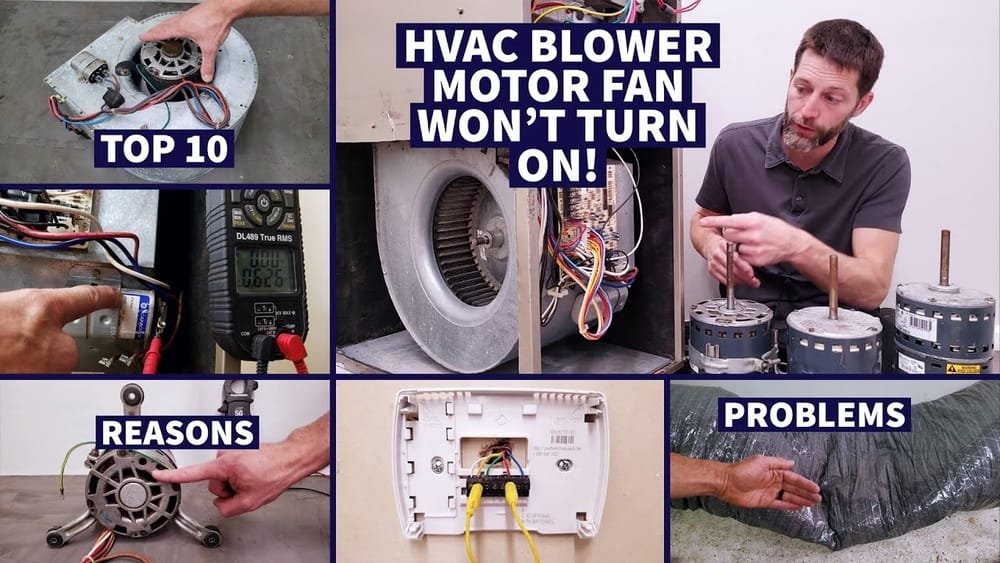
If your blower fan isn’t working, I know exactly how stressful that can feel. I’ve been there more times than I’d like to admit—sweating in a hot car, or sitting in a room where the air just won’t move. Over the years, I’ve learned what to check, what to fix, and—importantly—what mistakes to avoid. In this guide, I’ll walk you through everything I’ve learned, step by step. Whether your blower fan is in a car, an HVAC system, or even a home appliance, I’ll help you figure out what’s wrong and how to get it spinning again.
What Is A Blower Fan And Why Does It Matter?
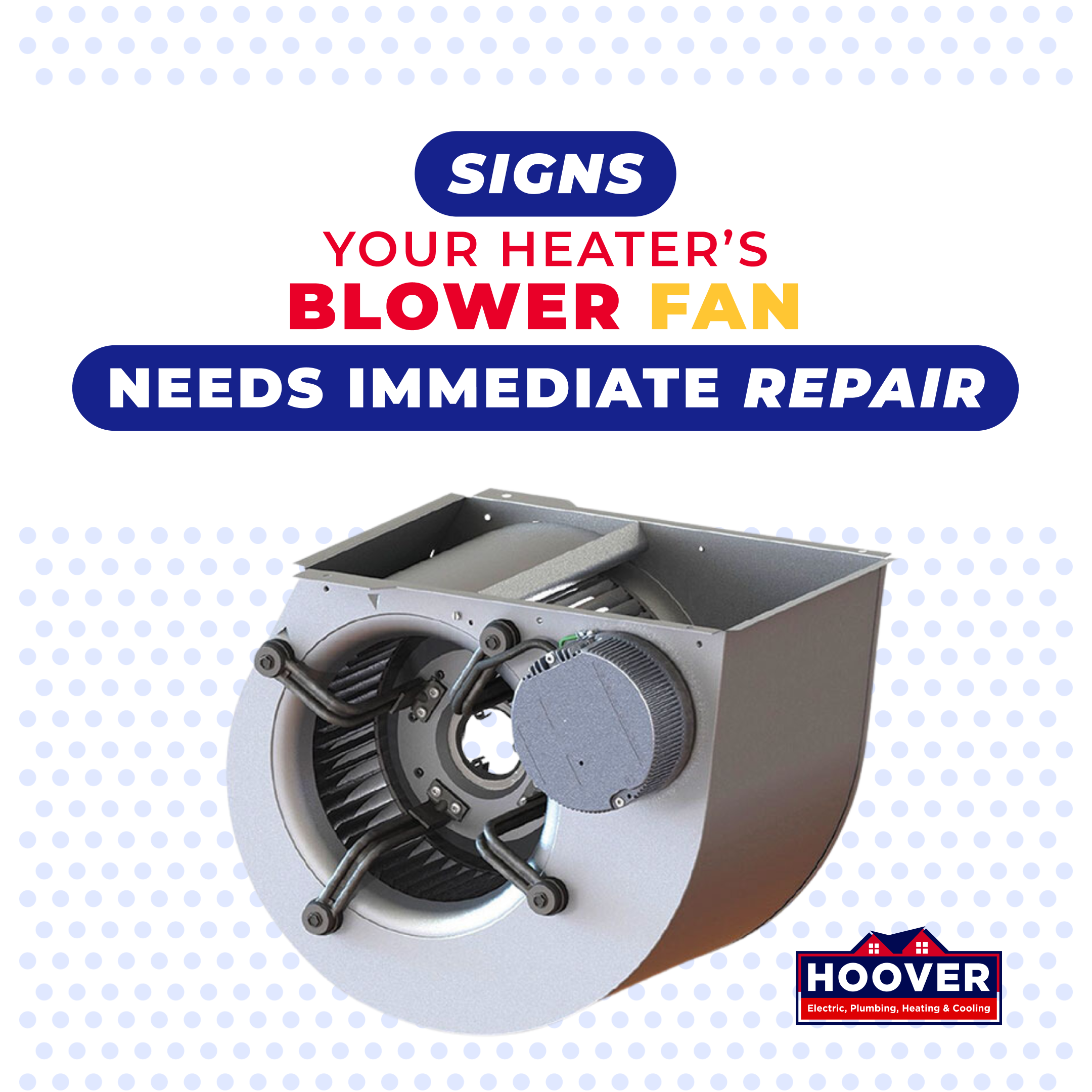
A blower fan is just what it sounds like—a fan that moves air. You find them in cars (for the heater and air conditioning), in home HVAC systems, and even in things like furnaces and air purifiers. When the blower fan stops working, you often lose heating, cooling, or fresh air. That’s not just uncomfortable. In some cases, it can even be dangerous, especially if it’s freezing or super hot.
I learned this the hard way during a summer road trip. My car’s A/C blower stopped working, and within minutes, I was sweating buckets. I had to pull over and figure out what was wrong. That’s when I started learning how to check and fix blower fans.
Common Signs Your Blower Fan Isn’t Working
Sometimes the signs are obvious. Other times, they sneak up on you. Here are the most common things I’ve noticed:
- No air coming from vents – You turn on the fan, but nothing happens. Silence.
- Weak airflow – Some air moves, but it’s much less than usual.
- Strange noises – Grinding, squeaking, or rattling sounds.
- Only works on certain speeds – For example, your car’s fan only works on “high.”
- Fan runs, but air isn’t cold or hot – The fan spins, but doesn’t change the room’s temperature.
If you spot any of these, it’s time to dig deeper.
Main Causes Of A Blower Fan Not Working
Over the years, I’ve seen many reasons for a blower fan failure. Here are the most common causes, with real examples from my life and work.
1. Power Supply Problems
The fan needs power to run. If it’s not getting electricity, it won’t spin. In cars, this could be a blown fuse. At home, it might be a tripped circuit breaker.
I remember once my home heater wasn’t blowing air. I checked the main panel and, sure enough, the breaker had tripped. Just flipping it back restored the airflow.
2. Blown Fuses Or Relays
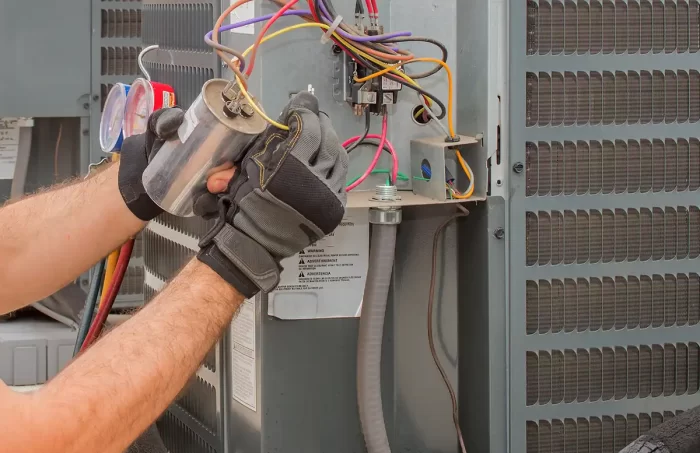
A fuse protects the blower motor from too much current. In my car, the blower once stopped cold. I looked in the fuse box, found the “blower” fuse, and saw it was blackened. After swapping it, the fan came back to life.
3. Bad Blower Motor Resistor
The resistor controls how fast the fan spins, especially in cars. If you can only use “high” or “off,” the resistor is a likely cause. I once changed this part in my old Honda in under 20 minutes after watching some videos.
4. Faulty Switches Or Controls
If you turn the dial and nothing happens, the control switch might be broken. These switches wear out, especially if you use them often.
5. Broken Blower Motor
Sometimes, the motor itself just wears out. This happened in my parents’ furnace. The motor made a humming sound, but the fan didn’t move. I replaced the motor and the heat came back.
6. Blocked Air Intake Or Vents
Leaves, dust, or pet hair can block the intake or vents. Once, my car’s air intake was full of leaves. After cleaning it, the fan worked better and quieter.
7. Wiring Issues
Loose wires, bad connectors, or corrosion can all stop the fan. I once found a green, corroded wire in my car’s fan circuit. Cleaning and tightening it fixed the problem.
8. Faulty Thermostat Or Sensors
Modern systems use thermostats to control the blower fan. If the thermostat fails, the fan won’t turn on at the right time. I had this happen in my apartment. The thermostat showed the wrong temperature, so the fan never started.
9. Seized Bearings Or Debris In Fan
If the fan makes noise but doesn’t spin, the bearings might be stuck. Or, something might be caught in the blades. I once found a pen lodged in my desk fan, stopping it from turning.
How I Troubleshoot A Blower Fan That’s Not Working
I always start with the easiest steps. Here’s the approach I use—simple, safe, and effective.
Step 1: Check The Power
First, I make sure the device is plugged in or the car’s key is in the “on” position. Then, I check if the circuit breaker or fuse is blown.
Step 2: Test The Controls
I turn the fan to every speed. If some speeds work and others don’t, it’s probably the resistor or control switch.
Step 3: Listen And Look
I listen for any sounds—humming, clicking, grinding. I look for debris near the fan or vents.
Step 4: Inspect Fuses And Relays
In cars and appliances, I check the fuses and relays. These are cheap and easy to replace.
Step 5: Check For Blockages
I open up the intake or vents and remove any leaves, dust, or objects.
Step 6: Test The Motor
If I can reach the motor, I try spinning the fan blades by hand (with the power off!). If they’re stuck, the motor might be bad.
Step 7: Check Wiring
I look for loose, disconnected, or corroded wires. Sometimes, just wiggling a connector brings the fan back for a second.
Step 8: Replace Bad Parts
If I find a bad fuse, resistor, or motor, I replace it. I always buy the right part for my make and model.
Handy Comparison: Common Causes Vs. Difficulty To Fix
Here’s a quick guide based on my experience:
| Cause | How Common? | Easy to Fix? |
|---|---|---|
| Blown Fuse | Very Common | Yes |
| Bad Resistor | Common | Yes |
| Broken Motor | Sometimes | No |
| Blocked Intake | Very Common | Yes |
| Wiring Issue | Uncommon | Sometimes |
What Tools Do I Need?
You don’t need a full workshop. Usually, I use:
- A screwdriver set
- Pliers
- Flashlight
- Replacement fuses (for cars or appliances)
- Multimeter (for checking power and continuity)
- Vacuum or brush (for cleaning debris)
For cars, I also keep the owner’s manual handy—it tells you where to find fuses and relays.
How I Fixed My Car’s Blower Fan
Let me share a quick story. My old Toyota’s fan just stopped working one day. No air, no noise—nothing. Here’s what I did:
- Checked the fuse box under the dashboard. The blower fuse was blown. I replaced it.
- The fan worked again, but only on “high.” I looked up the problem and found the resistor was likely bad.
- I bought a new resistor for about $20, swapped it out under the glove box, and the fan worked at all speeds.
It took me about an hour, and I saved at least $150 compared to going to a mechanic. The sense of relief was amazing.
Mistakes I’ve Made (and How To Avoid Them)
We all make mistakes. Here are some I’ve made, and what I learned:
- Ignoring small problems – Once, I heard a squeak but ignored it. The motor seized up soon after. Fix things early.
- Forgetting to turn off power – I shocked myself once by not unplugging an appliance. Always turn off the power first.
- Buying the wrong parts – I once bought a resistor for the wrong car model. Always check the part number.
- Not cleaning intakes – I used to skip cleaning. Blockages build up over time, so clean regularly.
When To Call A Professional
Sometimes, it’s best to get help. If you smell burning, see smoke, or the wiring is a mess, call a pro. I tried to fix a furnace blower once and got in over my head. The repair tech found a dangerous wiring issue I’d missed.
How Much Does It Cost To Fix A Blower Fan?
Costs can vary a lot. Here’s a rough guide based on my experience:
| Repair Type | DIY Cost | Shop/Pro Cost |
|---|---|---|
| Fuse Replacement | $2–$10 | $50–$100 |
| Blower Resistor | $10–$40 | $80–$200 |
| Blower Motor | $30–$100 | $200–$500 |
| Wiring Fix | $0–$20 | $100–$300 |
DIY saves a lot, but only if you’re comfortable and safe.
Non-obvious Insights That Helped Me
- Blower fans often fail gradually. If you notice weaker airflow or odd noises, act fast. Waiting usually means a bigger repair later.
- Humidity and moisture can cause fan parts to rust or corrode, especially in cars parked outside. I now check for water leaks after heavy rain.
- Not all fans are the same. For example, furnace fans may have a “limit switch” that stops them if the system overheats. Knowing how your system works helps you diagnose better.
How To Prevent Blower Fan Problems
Prevention is better than repair. Here’s what I do:
- Clean vents and intakes every few months.
- Check fuses and relays once a year.
- Listen for new noises and fix them right away.
- Lubricate fan bearings if possible (check your manual).
- Replace filters in HVAC systems often.
These steps add years to your blower fan’s life.

Where To Learn More
If you want deep technical info, or wiring diagrams, I recommend checking out Wikipedia’s Blower Fan page. It’s helped me understand the details when I’ve needed them.
Frequently Asked Questions
Why Does My Blower Fan Only Work On High Speed?
This usually means the blower motor resistor is bad. On most cars, the resistor controls the lower fan speeds. If it fails, only the “high” speed works because it bypasses the resistor.
Can I Drive My Car If The Blower Fan Isn’t Working?
Yes, your car will still run. But you might not have heat or A/C, which can be dangerous in extreme weather. Also, in some cars, the defroster relies on the blower fan, making it hard to clear the windshield.
How Do I Know If My Blower Motor Is Bad?
If there’s no sound or movement from the fan, even when you know it’s getting power, the motor may be dead. Sometimes, you’ll hear a humming or clicking, but the fan won’t spin.
Is It Safe To Replace A Blower Fan Myself?
If you’re comfortable with basic tools and follow safety steps (like turning off power), many fixes are safe to do yourself. But for wiring or furnace issues, I always recommend calling a pro.
How Often Should I Clean My Blower Fan And Vents?
I clean mine every three to six months. More often if you have pets, allergies, or live in a dusty area. Clean fans last longer and work better.
I hope this guide helps you as much as it’s helped me on my own blower fan adventures. If you’re patient and careful, you can solve most problems yourself—and stay cool or warm, just the way you like it.
As an Amazon Associate, We earn from qualifying purchases