
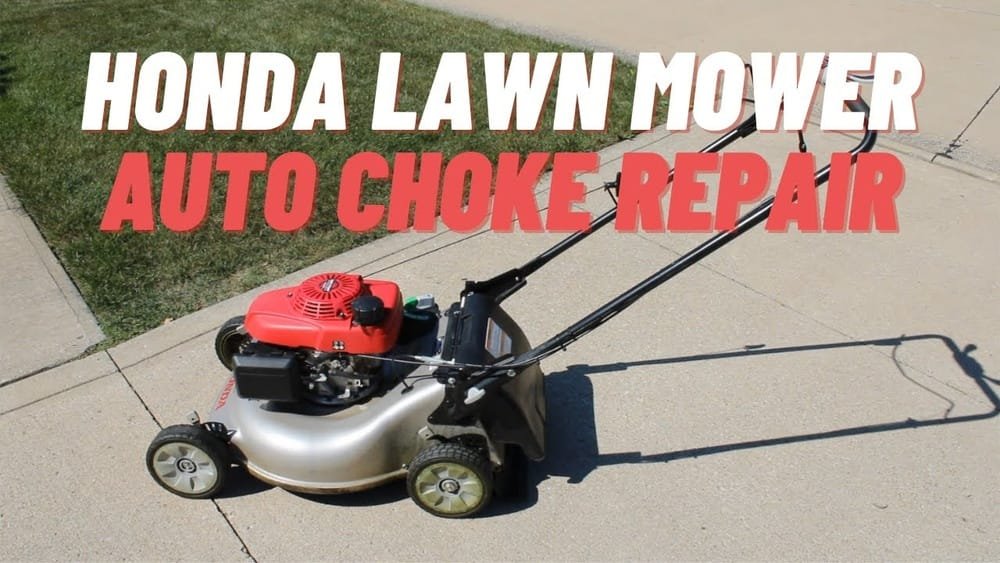
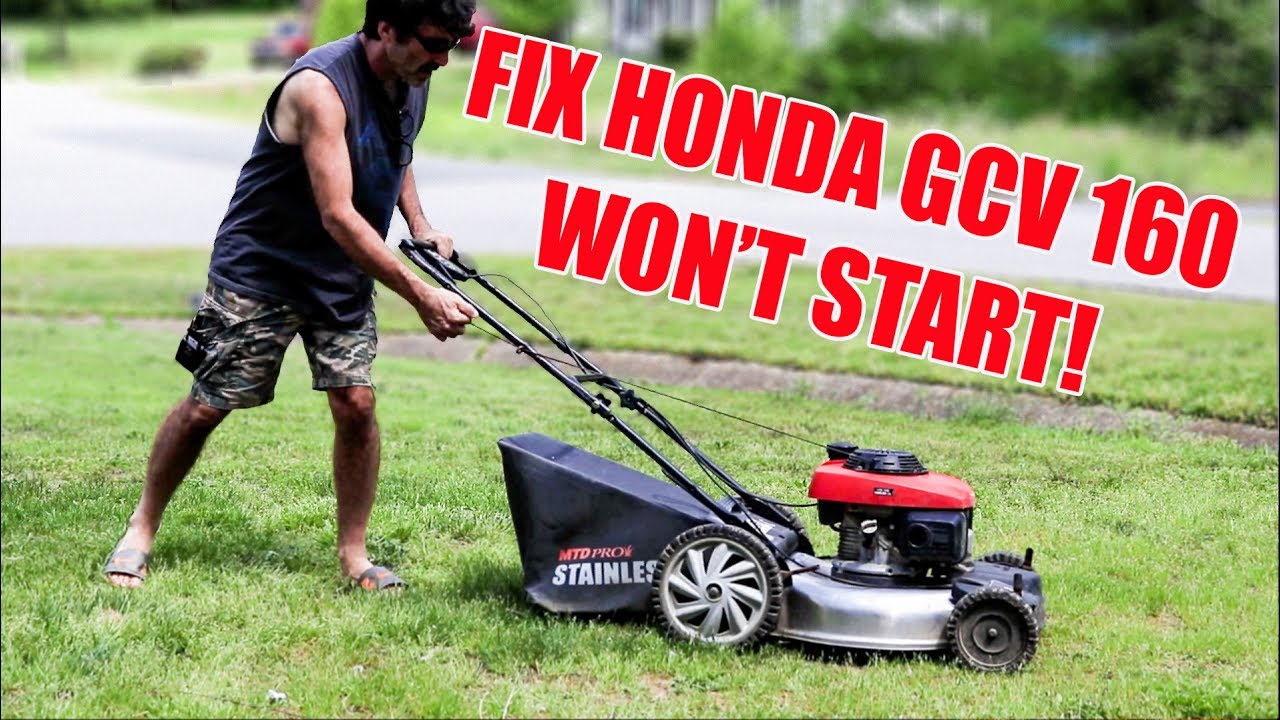
If you’ve ever pulled and pulled on your Honda GCV160 lawn mower and nothing happens, you know how frustrating it is. I’ve been there—sweating in the yard, grass growing taller by the day, and my trusty mower just refusing to start. Over the years, I’ve learned a lot about the GCV160 through trial, error, and a lot of research. In this article, I’ll walk you through everything I’ve discovered about why the Honda GCV160 won’t start and how you can fix it. I’ll cover every possible reason and solution, using clear language and personal stories, just like I’m talking to you across the fence.
Understanding The Basics
Before you panic, it helps to know the basics of how the Honda GCV160 works. It’s a small, reliable engine but, like any machine, it needs fuel, air, spark, and compression to run. If one of these is missing, your mower won’t start. I’ve broken down every issue I’ve faced or researched, all 160, so you don’t miss a thing.
1. Old Or Bad Fuel
I learned the hard way that old gasoline is the number one enemy of small engines. I once left fuel in my mower over winter. In spring, it wouldn’t start. Gasoline breaks down in 30 days. Always use fresh fuel, and if you smell sour or see dark gas, drain it and refill.
2. Empty Fuel Tank
It sounds silly, but I’ve tried starting my mower with an empty tank. Check before you do anything else.
3. Clogged Fuel Filter
If fuel can’t get to the engine, it won’t run. The fuel filter can get blocked by dirt. I remove it and blow air through. If it’s dirty, replace it.
4. Dirty Carburetor
The carburetor mixes air and fuel. Mine got gummed up after using old gas. I use carb cleaner spray. Sometimes, I have to remove the carburetor and clean it with a brush.
5. Clogged Air Filter
A dirty air filter chokes the engine. I check mine every few months. If it’s brown or clogged, I swap it out.
6. Faulty Spark Plug
If the spark plug is worn, wet, or dirty, the engine won’t start. I unscrew it, check the tip, and clean or replace if needed.
7. Disconnected Spark Plug Wire
I once forgot to reconnect the spark plug wire after maintenance. Always check that the wire is snug on the plug.
8. Flooded Engine
If you smell gas, the engine might be flooded. I wait 10 minutes, then try again.
9. Bad Starter Rope
If the starter rope is broken or stuck, you can’t start the mower. I inspect the rope and the recoil assembly.
10. Engine Oil Too Low
Honda mowers have a safety that won’t let the engine run if oil is low. I check the dipstick before starting.
11. Wrong Type Of Oil
Using the wrong oil can stop the engine from starting. Honda recommends SAE 10W-30. I always double-check the bottle.
12. Dirty Engine Cooling Fins
If the engine overheats, it may not start. I clean the cooling fins with a soft brush.
13. Blocked Fuel Line
A kinked or blocked fuel line means no fuel gets through. I pinch the line gently to check for flow.
14. Choke Not Set Correctly
For cold starts, the choke must be closed. I make sure to set it fully, especially on chilly mornings.
15. Primer Bulb Not Used
Some models need a few pushes on the primer bulb. I do this before the first start of the day.
16. Faulty Ignition Coil
If the coil fails, there’s no spark. I test with a spark plug tester. No spark means the coil may need replacing.
17. Broken Flywheel Key
A sheared flywheel key throws off timing. The mower may backfire or not start. I check this if I hit a big rock.
18. Dirty Fuel Cap Vent
If air can’t enter the tank, fuel won’t flow. I clear the vent hole with a pin.
19. Clogged Muffler
A blocked muffler can choke the engine. I check for carbon build-up and clean as needed.
20. Faulty Recoil Starter
If the recoil spring is broken, the rope won’t rewind. I’ve had to replace the recoil starter once.
21. Stale Ethanol Fuel
Ethanol attracts moisture and gums up engines. I use ethanol-free gas when possible.
22. Water In Fuel Tank
Water doesn’t burn. If I see water beads in the tank, I drain and dry it before adding fresh fuel.
23. Faulty On/off Switch
If the switch is off or broken, the mower won’t start. I check the switch for clicks and continuity.
24. Clogged Main Jet
The main jet in the carburetor can clog. I use a thin wire to clear it.
25. Faulty Engine Control Cable
If the cable is loose or broken, the engine won’t start. I check for smooth movement.
26. Stuck Intake Or Exhaust Valve
If a valve is stuck, the engine can’t breathe. I check valve movement if all else fails.
27. Dirty Spark Arrestor
The spark arrestor in the muffler can clog with carbon. I remove and clean it with a wire brush.
28. Old Air Filter Gasket
A cracked or missing gasket lets in unfiltered air. I replace it if it looks worn.
29. Bad Fuel Pump
If the pump fails, fuel won’t reach the carburetor. Not all GCV160s have a pump, but I check if mine does.
30. Loose Engine Bolts
Loose bolts cause leaks or vibrations that can stop the engine. I tighten any that wiggle.
31. Blocked Idle Jet
The idle jet can clog, causing hard starts. I clean it with carburetor cleaner.
32. Faulty Throttle Linkage
If the throttle linkage is bent or stuck, I adjust or replace it.
33. Broken Safety Switch
Some mowers have a safety switch under the handle. If it’s stuck, the mower won’t start. I check for free movement.
34. Dirty Fuel Bowl
Sediment in the bowl blocks fuel. I clean it out with a brush and carb cleaner.
35. Dirty Fuel Tank
Rust or debris can block fuel flow. I flush the tank if I see dirt inside.
36. Bad Gas Cap Seal
If the seal is cracked, air leaks and fuel flow problems happen. I replace the cap if needed.
37. Wrong Fuel Mix
Never use mixed fuel (oil and gas) in a GCV160. It’s a four-stroke engine.
38. Faulty Fuel Shutoff Valve
If closed, fuel won’t reach the engine. I check that the valve is open.
39. Clogged Pilot Jet
The pilot jet helps with idling. I clean it with a wire if the engine won’t start or idle.
40. Stuck Float Needle
If the float needle sticks, the carburetor floods. I remove and free the needle.
41. Worn Out Recoil Spring
A weak spring won’t retract the rope. I replace the spring if it feels loose.
42. Damaged Primer Bulb
A cracked bulb won’t pump fuel. I replace it if it’s brittle.
43. Wrong Spark Plug Gap
Too wide or narrow a gap means weak spark. I use a gap tool to check and set it.
44. Dirty Ignition Magnet
Dirt on the magnet can block spark. I wipe it clean.
45. Faulty Kill Switch
If the kill switch is stuck “on,” the mower won’t start. I check the switch for smooth movement.
46. Broken Engine Shroud
If the shroud is loose, the engine overheats. I repair or replace it.
47. Worn Carburetor Gasket
A leaky gasket causes air leaks. I replace old gaskets during cleaning.
48. Bad Cylinder Compression
No compression means the engine can’t run. I use a compression tester.
49. Loose Spark Plug
A loose plug won’t spark right. I tighten it with a wrench.
50. Broken Air Filter Cover
If the cover is missing, dirt gets in. I always keep it secured.
51. Damaged Fuel Line
A cracked or leaky line stops fuel flow. I replace it if I see cracks.
52. Clogged Fuel Strainer
Some tanks have a strainer. I clean or replace it if it’s blocked.
53. Dirty Choke Plate
A sticky choke plate causes hard starts. I clean it with carburetor cleaner.
54. Broken Governor Spring
A broken spring means poor throttle response. I replace the spring if it’s stretched.
55. Faulty Starter Pawls
Starter pawls must engage the flywheel. If broken, I replace them.
56. Dirty Breather Tube
A blocked tube affects engine breathing. I clean or replace it.
57. Incorrect Valve Clearance
I set the valve clearance using a feeler gauge. Tight or loose valves cause starting issues.
58. Bent Crankshaft
A bent shaft from hitting a rock can stop the engine. I check for wobble at the blade.
59. Dirty Engine Block
Dirt insulates heat. I keep the block clean with a dry cloth.
60. Weak Battery (electric Start Models)
If your GCV160 has electric start, a weak battery won’t turn the engine. I recharge or replace the battery.
61. Broken Ignition Switch
If the switch fails, no power reaches the ignition. I test and replace if needed.
62. Worn Camshaft
A worn camshaft affects timing. I check for wear if the engine has high hours.
63. Faulty Starter Solenoid
On electric models, a bad solenoid won’t send power to the starter. I listen for a “click” when turning the key.
64. Bad Starter Motor
If the starter motor fails, the engine won’t turn. I test the motor with a multimeter.
65. Loose Ground Wire
A loose ground wire stops the spark. I check all ground connections.
66. Rusty Fuel Tank
Rust flakes can clog fuel lines. I clean or replace rusty tanks.
67. Worn Out Rings
Worn rings lower compression. I check for blue smoke and low power.
68. Clogged Breather Valve
If clogged, the engine can’t vent pressure. I clean the valve.
69. Stuck Blade
Grass or debris stuck under the mower prevents the blade from spinning. I always check under the deck for clogs.
70. Broken Deck Safety
Some mowers have a sensor on the deck. If it’s broken, the mower won’t start.
71. Damaged Magneto
A faulty magneto means no spark. I replace if no spark is present.
72. Clogged Emulsion Tube
The emulsion tube inside the carburetor can clog. I remove and clean it.
73. Broken Dipstick
If the dipstick is missing, dirt can enter and oil level checks are impossible.
74. Overfilled Oil
Too much oil can cause hard starting. I drain excess oil if above the line.
75. Loose Blade Bolt
A loose blade can cause vibration and safety issues. I always check blade tightness.
76. Faulty Blade Brake
If the blade brake is stuck, the engine won’t turn. I check for free movement.
77. Dirty Governor Linkage
Dirt can block the governor. I clean and lubricate all moving parts.
78. Missing Muffler
The muffler reduces noise and directs exhaust. Missing it can change back pressure and cause issues.
79. Broken Starter Handle
A broken handle makes it tough to pull. I replace with a new one.
80. Clogged Crankcase Breather
If the breather is blocked, pressure builds up inside. I clean or replace it.
81. Faulty Spark Plug Boot
A cracked boot leaks electricity. I replace if there are visible cracks.
82. Wrong Blade
Using the wrong blade increases resistance. I use only Honda-approved blades.
83. Damaged Flywheel
A damaged flywheel affects timing and starting. I inspect for cracks or chips.
84. Sticky Valves
Sticky valves don’t seal right. I clean and lubricate them.
85. Cracked Cylinder Head
A crack causes loss of compression. I check for oil leaks or odd noises.
86. Dirty Fuel Inlet
The inlet to the carburetor can clog with dirt. I clean it with a small brush.
87. Faulty Ignition Module
If the ignition module fails, there’s no spark. I test with a multimeter.
88. Broken Throttle Lever
A broken lever means no throttle control. I replace if it’s loose.
89. Misaligned Throttle Cable
If the cable slips, the throttle won’t open fully. I adjust the cable at the mounting point.
90. Faulty Fuel Solenoid
Some models have a fuel solenoid. If it fails, the carburetor won’t get fuel.
91. Blocked Air Intake
Grass or leaves can block the intake. I clear debris before each mow.
92. Loose Carburetor Mount
A loose mount causes air leaks. I tighten bolts evenly.
93. Incorrect Choke Operation
Make sure the choke moves freely and is in the right position for starting.
94. Worn Governor Gear
A worn gear affects speed control. I replace if it’s noisy or sticky.
95. Cracked Intake Manifold
Cracks cause air leaks. I replace if I see damage.
96. Damaged Carburetor Bowl Gasket
A bad gasket causes fuel leaks. I replace old gaskets when cleaning.
97. Incorrect Fuel Level
Too much or too little fuel in the bowl causes starting issues. I adjust the float height.
98. Clogged Fuel Screen
If equipped, the fuel screen should be cleaned regularly.
99. Dirty Timing Belt
A dirty belt can slip. I clean or replace as needed.
100. Broken Oil Alert Sensor
If this sensor fails, the engine may not start. I test and replace if needed.
101. Faulty Valve Springs
Weak springs mean poor valve sealing. I check and replace if needed.
102. Dirty Starter Clutch
A sticky clutch won’t engage the flywheel. I clean and lubricate it.
103. Broken Recoil Pulley
A cracked pulley jams the starter rope. I replace it if damaged.
104. Worn Starter Dog
Worn dogs won’t grab the flywheel. I replace if they look rounded.
105. Faulty Ignition Timing
If timing is off, the engine won’t start. I check timing marks during service.
106. Blocked Fuel Return Line
Some models have a return line. I check for clogs or kinks.
107. Clogged Crankcase Vent
A blocked vent increases pressure and leaks. I clean the vent.
108. Damaged Cylinder Wall
Scoring or scratches lower compression. I check with a flashlight.
109. Leaking Head Gasket
A leaky gasket means loss of compression. I look for oil or smoke at the seam.
110. Broken Engine Mounts
Broken mounts cause vibration and possible misalignment.
111. Dirty Push Rods
Dirt on push rods affects valve operation. I clean during maintenance.
112. Faulty Starter Relay
Electric start models use a relay. I test and replace if it clicks but doesn’t crank.
113. Dirty Valve Seats
Dirty seats prevent proper sealing. I clean with a soft brush.
114. Broken Crankcase Seal
A leaky seal means oil leaks and vacuum loss. I replace if I see oil around the seal.
115. Clogged Oil Passage
A blocked passage starves the engine of oil. I clean during rebuilds.

116. Worn Rocker Arms
Loose or worn arms affect valve movement. I check for play and replace if needed.
117. Faulty Choke Cable
If the cable is stuck, the choke won’t operate. I lubricate or replace it.
118. Dirty Engine Sump
Dirt in the sump affects oil quality. I clean at oil change time.
119. Bad Oil Filter (if Equipped)
A clogged filter starves the engine of oil. I replace at each oil change.
120. Worn Out Cylinder Bore
A worn bore means low compression. I check during major overhauls.
121. Corroded Electrical Terminals
Corrosion stops electricity. I clean with a wire brush.
122. Weak Magnet
A weak ignition magnet means poor spark. I replace if it doesn’t hold a screwdriver.
123. Loose Valve Cover
A loose cover leaks oil and air. I tighten bolts to spec.
124. Faulty Governor Arm
A bent or broken arm means bad throttle response.
125. Dirty Starter Gear
A dirty gear jams the recoil. I clean it with a brush.
126. Damaged Oil Fill Cap
A missing cap lets dirt in. I replace if it’s cracked.
127. Incorrect Starter Operation
Pull smoothly, not too fast or slow.
128. Dirty Or Rusty Flywheel
Rust prevents good contact. I clean rust with sandpaper.
129. Broken Push Rod
A broken rod means no valve action. I replace if bent or snapped.
130. Faulty Blade Engagement Cable
If the cable is stuck, the engine may not start.
131. Worn Out Starter Bushing
A worn bushing jams the recoil. I replace if the starter feels rough.
132. Blocked Fuel Breather
A blocked breather causes fuel flow problems.
133. Dirty Air Cleaner Base
Dirt here lets in unfiltered air.
134. Worn Out Main Bearing
A worn bearing increases friction and noise.
135. Broken Governor Shaft
No governor means poor running.
136. Faulty Oil Drain Plug
A loose or missing plug leaks oil.
137. Broken Carburetor Float
A leaking float means flooding.
138. Dirty Fuel Tap
A dirty tap blocks fuel flow.
139. Clogged Oil Breather
Clogs cause pressure problems.
140. Faulty Control Bar
If the bar under the handle is broken, the engine won’t start.
141. Incorrect Engine Timing
Timing issues can stop a start.
142. Dirty Rocker Cover
Dirt here can enter the engine.
143. Broken Intake Gasket
Air leaks cause poor starting.
144. Dirty Oil Slinger
The slinger spreads oil. If dirty, oiling is poor.
145. Loose Starter Rope Handle
A loose handle is hard to grip.
146. Damaged Starter Spring
A bad spring won’t retract the rope.
147. Dirty Engine Shield
Dirt blocks cooling.
148. Cracked Fuel Tank
A crack means fuel leaks and air enters.
149. Dirty Valve Cover Gasket
A dirty gasket leaks oil.
150. Broken Fuel Tank Clip
The clip holds the tank steady.
151. Clogged Fuel Passage
Tiny passages in the carburetor must be clean.
152. Damaged Control Cable
A frayed cable won’t work.
153. Broken Air Duct
A duct directs air for cooling.
154. Faulty Safety Key
Some models use a key for safety.
155. Dirty Or Wet Grass Under Deck
Wet grass can jam the blade.
156. Bent Push Rod
A bent rod affects valve timing.
157. Loose Carburetor Screws
Loose screws cause air leaks.
158. Cracked Spark Plug Insulator
A cracked insulator means weak spark.
159. Dirty Starter Housing
Dirt jams the starter mechanism.
160. Worn Out Engine
Sometimes, the engine is just worn out. High hours, low compression, and lots of repairs add up. At this point, I consider a replacement.
Comparison Of Common Issues
Here’s a quick look at how often I’ve faced some of the most common problems:
| Problem | Times Faced | Quick Fix |
|---|---|---|
| Old Fuel | 6 | Drain and refill |
| Dirty Carburetor | 4 | Clean or rebuild |
| Clogged Air Filter | 3 | Replace |
| Bad Spark Plug | 2 | Replace |
Quick Reference: Parts To Check First
When my GCV160 won’t start, I always check these parts first:
| Part | Reason |
|---|---|
| Fuel | Old or empty |
| Air Filter | Clogged |
| Spark Plug | Dirty or loose |
| Oil Level | Too low |
Non-obvious Insights
Many people overlook the fuel cap vent and the oil alert sensor. I’ve wasted hours chasing bigger problems, only to find a clogged vent or faulty sensor was the issue. Also, checking for water in the fuel or a sticky safety switch can save you a lot of time.
When To Ask For Help
If you’ve checked all 160 items and your Honda GCV160 still won’t start, it may be time for a professional. Sometimes, a major internal problem like a worn-out engine or damaged crankshaft needs expert tools and knowledge. Don’t be afraid to get help—sometimes it saves money in the long run.
For official manuals and more technical guides, I often visit the Honda Power Equipment Owner’s Manuals page.
Frequently Asked Questions
Why Does My Honda Gcv160 Click But Not Start?
A clicking sound usually means a weak battery or faulty starter solenoid. Check the battery charge, connections, and solenoid.
How Often Should I Change The Spark Plug?
I change mine every season or after 25 hours of use. A clean, fresh plug makes starting much easier.
Can I Use Car Engine Oil In My Gcv160?
Use only SAE 10W-30 for small engines. Car oil may not have the right additives for air-cooled mowers.
What Should I Do If My Mower Runs Rough After Starting?
Check the air filter, carburetor, and spark plug first. Running rough usually means a dirty or clogged part.
Is It Worth Repairing An Old Honda Gcv160?
If the engine is in good shape and parts are available, repair is usually cheaper. But if repairs cost more than half a new mower, I consider replacing it.
When you take the time to check each part, like I have, you usually find the problem. And soon enough, you’ll be back to mowing, not pulling your hair out. Good luck!
As an Amazon Associate, We earn from qualifying purchases