
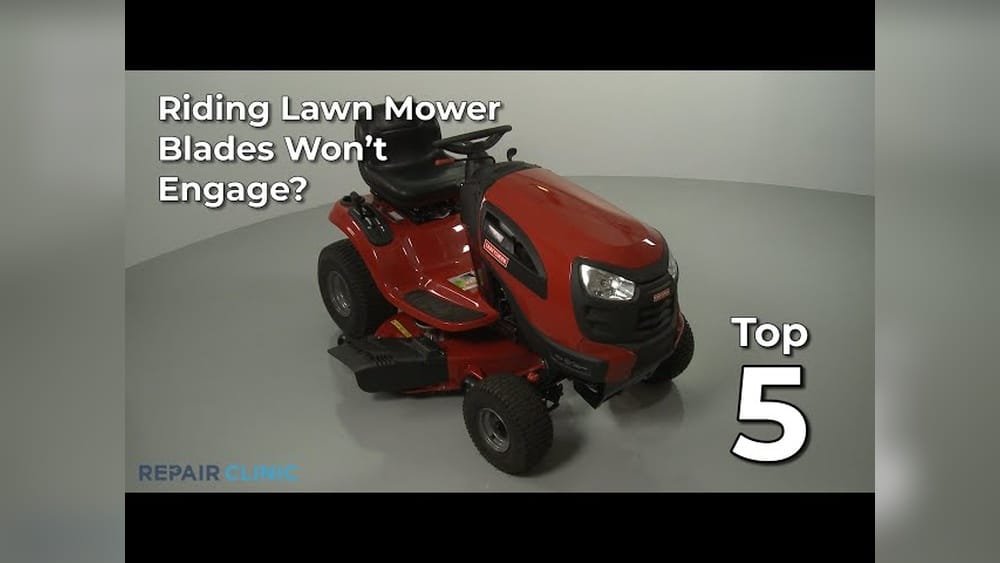
If you’ve ever stood in your yard, turned the key on your lawn mower, and realized the blades won’t engage, I know exactly how you feel. It happened to me one hot Saturday when I was ready to mow the grass before a family picnic. The engine roared to life, but the blades just sat there—silent and still. I had no idea what was wrong, but I learned a lot that day. Let me walk you through everything I discovered, so you can fix your own mower without too much stress.
What It Means When Mower Blades Will Not Engage
When I say “blades won’t engage,” I mean you start your lawn mower, but the spinning blades underneath don’t move. On most riding or zero-turn mowers, you have a lever or switch called a PTO (Power Take Off) switch. When you pull or press it, you expect the blades to spin. If nothing happens, it’s not just annoying—it stops you from cutting grass.
Common Reasons Mower Blades Refuse To Engage
I learned that a few main things can cause this. Let’s break them down.
1. Pto Switch Or Lever Problems
The PTO switch is what sends power to your mower’s blades. If it’s broken or stuck, the blades just won’t start. Once, my switch felt loose and didn’t “click” like it should. That was a big clue.
2. Faulty Pto Clutch
The PTO clutch connects the engine to the blades. On electric models, it’s a round device under your mower deck. If this fails, the engine runs, but the blades stay still. I once found the clutch wire disconnected after hitting a stump. Sometimes, it’s just wear and tear.
3. Blown Fuses Or Wiring Issues
Many mowers have a fuse that protects the blade system. If it blows, the blades stop working. I replaced a fuse once and, to my surprise, everything worked. Bad or broken wires can also stop power from reaching the blades.
4. Safety Switches Not Engaged
Modern mowers have safety switches on the seat, brake, or handles. If you’re not sitting down, or the brake isn’t on, the blades won’t spin. I once leaned too far forward and the seat switch turned off the blades. Sometimes, the switch goes bad and needs replacing.
5. Drive Belt Problems
The drive belt spins the mower blades. If it’s loose, broken, or slipped off, the blades won’t engage. I once found a belt hanging loose under the deck—easy to miss if you don’t look.
6. Damaged Blade Spindle Or Pulley
If the spindle or pulley is stuck or broken, the belt can’t spin the blades. I had a spindle freeze up after mowing thick, wet grass. It made a grinding sound first, then stopped moving.
7. Low Battery Or Weak Electrical System
On electric PTO mowers, a weak battery means not enough power to engage the clutch. I once tried mowing after leaving my lights on overnight. The blades didn’t move until I charged the battery.
8. Debris Under The Mower Deck
Sticks, rocks, and grass can get jammed under the deck and block the blades. Once, a small branch wedged itself so tightly the blades couldn’t move, even though the engine ran fine.
9. Bad Blade Engagement Cable (manual Mowers)
If you have a push mower with a handle you squeeze to engage the blades, the cable can stretch, break, or disconnect. I replaced one after it snapped, and suddenly my blades worked again.
10. Broken Or Worn Out Blades
Sometimes, the blades themselves are damaged or bent. This can lock them in place, especially if you hit a rock or hard object. I bent a blade once, and it jammed against the deck.
How I Diagnosed My Mower’s Blade Problem
Here’s how I figured out what was wrong, step by step:
- Checked the PTO switch – I made sure it clicked and wasn’t wobbly.
- Listened for noises – When engaging the blades, I listened for any clicks or hums from under the deck.
- Looked under the mower – I checked for loose or broken belts, and made sure nothing was stuck.
- Tested the seat and safety switches – I shifted my weight and checked the brake.
- Inspected the wiring and fuses – I followed wires and looked for burned fuses.
- Charged the battery – I topped up the battery just in case.
- Spun the blades by hand (with the engine off) – They should turn freely.
These steps helped me pinpoint the problem every time.
Step-by-step: What To Do When Blades Won’t Engage
Let me share a clear process anyone can follow. This is what I do every time.
Step 1: Safety First
Before anything, turn off the engine and remove the key. Disconnect the spark plug or battery cable. Safety comes first—blades are sharp.
Step 2: Inspect The Pto Switch
Try the switch or lever. If it feels loose or won’t stay in position, it might be broken. Replacement is usually easy.
Step 3: Listen For Pto Clutch Engagement
Start the engine and listen when you try to engage the blades. A healthy clutch will click or hum. If you hear nothing, check the wires going to the clutch.
Step 4: Check All Safety Switches
Sit fully on the seat and try engaging the blades. Wiggle the brake pedal and shift levers. If anything feels wrong, test each switch for clicks or loose connections.
Step 5: Look Under The Deck
Tip the mower (following the manual’s advice) and look for:
- Broken, loose, or missing belts
- Debris blocking the blades
- Damaged pulleys or spindles
Step 6: Test The Battery And Electrical System
If your mower has electric blade engagement, test the battery with a multimeter. It should read at least 12. 5 volts. Recharge if needed.
Step 7: Inspect Cables (push Mowers)
For walk-behind mowers, make sure the blade control cable is tight and connected at both ends.
Step 8: Spin The Blades
With the mower off, try turning the blades by hand. If they’re stuck, check for bent blades, jammed debris, or seized spindles.
:max_bytes(150000):strip_icc()/JohnDeere.mower-d4f6a4236eec4242b3be5b9c8f5ac081.jpg)
When To Call A Professional
Sometimes, the problem is bigger than you can handle. Here are signs you might need help:
- Electrical wires are burned or melted
- The clutch makes grinding or burning smells
- The deck or frame is bent
- You hear loud bangs or clunks
In these cases, a good repair shop can save you time and money. I once tried fixing a burned wire myself and ended up making things worse. Calling a pro saved my mower.
How Different Mowers Handle Blade Engagement
Not all mowers are the same. Here’s a quick look at different types.
| Mower Type | Blade Engagement | Common Issues |
|---|---|---|
| Riding Mower | PTO switch/clutch | Switch, clutch, wiring |
| Zero-Turn Mower | PTO switch/clutch | Safety switches, clutch, belt |
| Push Mower | Lever and cable | Cable, debris, blade |
| Electric Mower | Button/switch | Battery, safety switch |

Simple Fixes I’ve Used That Might Surprise You
Sometimes, the solution is simple. Here are two things I missed as a beginner:
- Loose seat switch: Once, I found my seat switch had slipped out of place. I snapped it back in, and the blades worked.
- Dirty battery terminals: Corroded terminals stopped power from reaching the clutch. A quick cleaning solved it.
Most people focus on big repairs and miss these little things.
Preventive Maintenance: How I Keep My Blades Engaging
To avoid future headaches, I do a few things:
- Check the belt every month for cracks or wear.
- Spray penetrating oil on pulleys and spindles.
- Test the PTO switch at the start of mowing season.
- Clean out grass and debris after every mow.
- Charge the battery before long storage.
These simple habits have saved me hours of frustration.
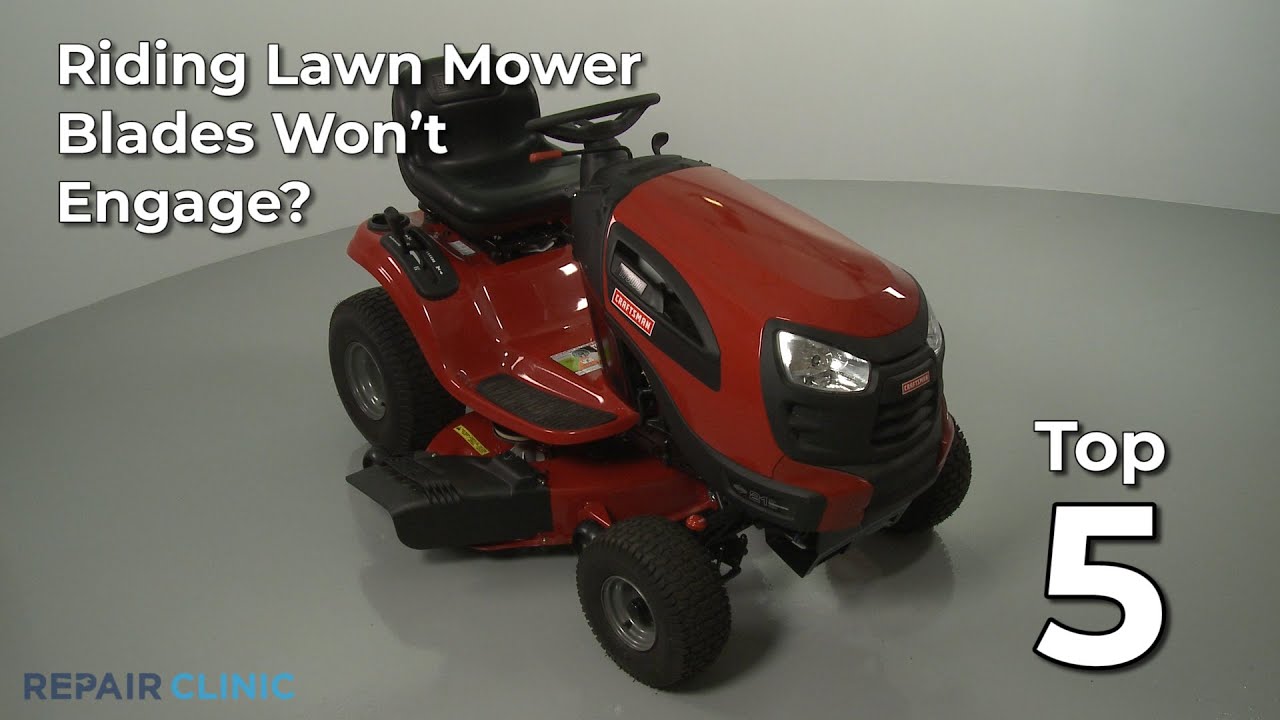
How To Replace A Pto Switch (quick Guide)
If you need to replace a PTO switch, here’s how I do it:
- Turn off the mower and remove the key.
- Pull the old switch out of the panel (it may snap or screw out).
- Unplug the wires from the old switch.
- Plug the wires into the new switch.
- Push or screw the new switch into place.
- Start the mower and test the blades.
It takes me about 10 minutes, and the only tool I usually need is a screwdriver.
Blade Engagement: How Long Should It Take?
Normally, the blades should engage within 1-2 seconds of pulling the switch or lever. If it takes longer, something is wrong—maybe a slipping belt or weak battery. Don’t ignore slow engagement.
Here’s a quick comparison of normal vs. problem blade engagement:
| Engagement Time | What’s Normal? | What’s Wrong? |
|---|---|---|
| 1-2 seconds | Blades spin up fast | Everything working |
| 3-5 seconds | Sluggish start | Weak battery, loose belt |
| No engagement | Blades don’t move | Electrical or mechanical failure |
What I Learned From Years Of Mower Blade Troubles
After fixing many mowers, I’ve noticed some patterns:
- Most problems are simple once you know where to look.
- Safety switches are often overlooked.
- Cleaning your mower often prevents most blade issues.
- Keeping a spare fuse and belt in the garage is a lifesaver.
If you’re stuck, don’t give up. Take it step by step, and you’ll usually find the cause.
If you want to read more about mower safety and mechanics, check out this Lawn Mower overview on Wikipedia.
Frequently Asked Questions
Why Do My Mower Blades Not Engage, But The Engine Runs?
If your engine runs, but the blades don’t spin, it’s usually a problem with the PTO switch, clutch, belts, or safety switches. Check these in order, and look for loose wires or a blown fuse.
Can A Bad Battery Cause Mower Blades Not To Engage?
Yes. If the battery is weak, the PTO clutch may not get enough power to work. Try charging or replacing the battery before you check anything else.
Is It Safe To Fix Mower Blade Engagement Myself?
Most repairs are safe if you disconnect the spark plug or battery first. Always wear gloves and keep hands away from sharp blades. If you see burned wires or smell something burning, call a professional.
How Often Should I Check Mower Belts And Switches?
I check my belts and switches at least once a month during mowing season. It only takes five minutes, and it can prevent most major problems.
What Is The Cost To Fix Mower Blades That Won’t Engage?
It depends. A new switch or fuse is cheap—maybe $10 to $30. Replacing a PTO clutch or belt is more, around $50 to $200. If you hire a pro, labor adds extra cost.
—
I hope sharing my experience helps you solve your own lawn mower blade troubles. It’s always frustrating when things don’t work, but most fixes are easier than they seem. If you get stuck, don’t hesitate to ask for help. Good luck, and happy mowing!
As an Amazon Associate, We earn from qualifying purchases