
My Push Lawn Mower Would Not Start: Here’s What I Learned
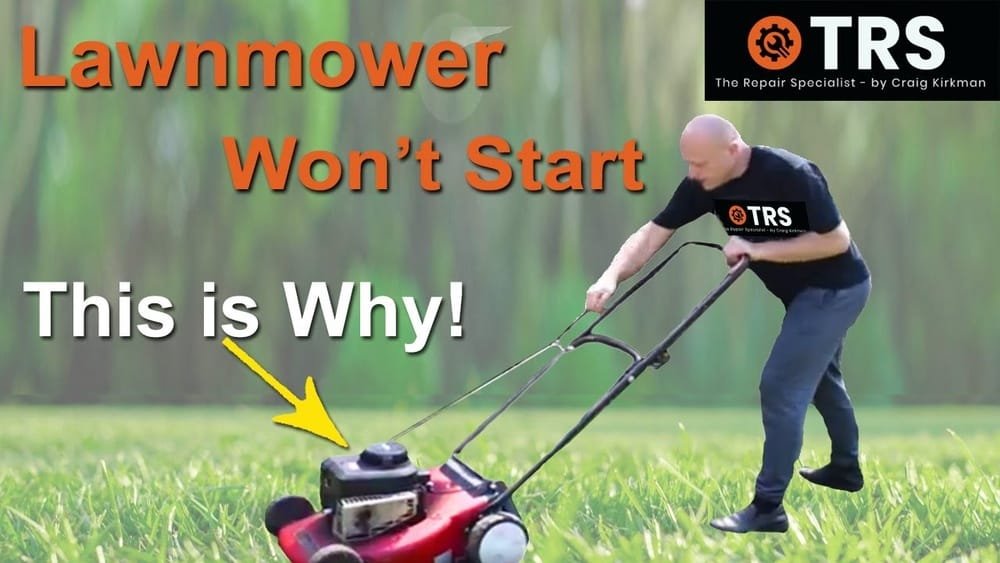
One sunny Saturday, I was ready to cut my grass. I rolled out my trusty push lawn mower, pulled the cord, and… nothing happened. I tried again. Still nothing. I felt a mix of frustration and confusion. I had used this mower for years with no problems. Why was it letting me down now? This experience led me down a rabbit hole. I learned a lot about why a push lawn mower will not start, and what you can do to fix it. If you’re in the same boat, I hope my story and tips will save you time and stress.
Why Push Lawn Mowers Won’t Start
When my mower refused to start, I realized there are many reasons this can happen. Some problems are simple; others need more time to fix. Let’s look at what I learned.
1. Old Or Bad Gas
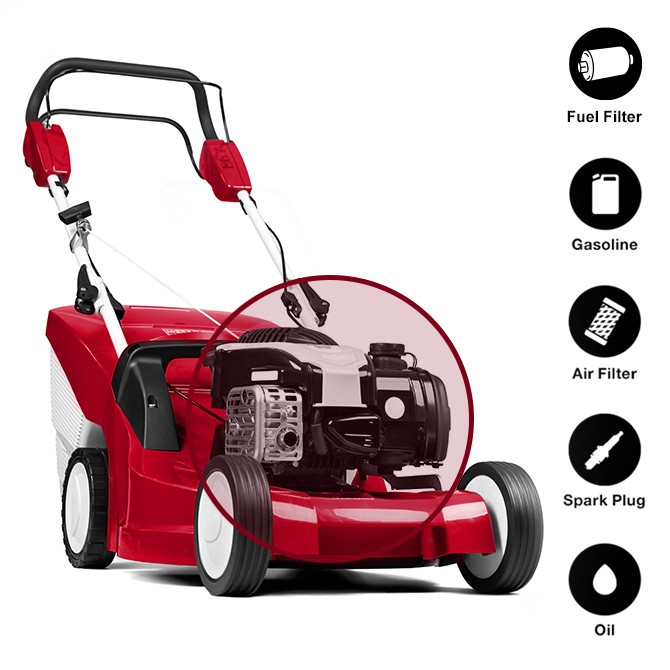
First, I checked the gas tank. The fuel inside was left from last season. I learned that gasoline goes bad after about 30 days. Old gas clogs up the mower and makes it hard to start. After I drained the old gas and filled up fresh fuel, my mower sounded closer to starting. That was my first lesson: always use fresh gas.
2. Dirty Or Clogged Air Filter
Next, I found out that the air filter is easy to forget but important. If it’s full of dirt, air cannot reach the engine. The engine can “choke.” I took out the filter and saw it was brown and dusty. I cleaned it with soapy water, let it dry, and put it back. Some filters need replacing instead of cleaning. After this, my mower sounded healthier.
3. Spark Plug Issues
I had never touched my mower’s spark plug before. But when I pulled it out, it was black and crusty. A dirty spark plug can stop the engine from firing. I cleaned the spark plug with a wire brush. If it had been cracked or damaged, I would have replaced it (they’re cheap). This was a step I almost missed, but it made a big difference.
4. Problems With The Carburetor
I learned the carburetor mixes fuel and air. If it’s dirty, the engine won’t start. I sprayed a little carburetor cleaner inside (you can buy this at any auto store). Some people take the whole thing apart, but I just used the spray. It helped get things moving again.
5. Faulty Primer Bulb
My mower has a small primer bulb you press before starting. If it’s cracked or not working, fuel won’t reach the carburetor. I checked for cracks and made sure it was pumping gas. It’s a small thing, but very important.
6. Flooded Engine
If you pull the starter cord many times, you might “flood” the engine with fuel. This means there’s too much gas inside. If this happens, wait ten minutes and try again. That’s what I did, and the mower finally sputtered to life.
7. Blade Problems
I once hit a big rock and bent the mower blade. A bent or stuck blade can stop the engine from turning. Always check the blade if your mower stops suddenly. I learned to never try to fix this with the spark plug connected—it can be dangerous.
8. Oil Level And Quality
Mowers need clean oil, just like cars. Low or dirty oil can stop the engine. I checked my oil using the dipstick, wiped it, and checked again. I topped it up with the right oil (SAE 30 for most mowers).
This is a simple task that many people forget.
9. Clogged Fuel Line
Sometimes, the fuel line gets blocked. I pinched the line gently to see if fuel was flowing. If not, you can remove the line and blow it out with air. Be careful—gas can spill, so do this outside.
10. Safety Switch Problems
Most new mowers have a safety bar or switch. If the bar isn’t held down, the mower won’t start. Once, I didn’t hold it tight enough, and the mower stayed silent. Make sure all safety features are working.
Quick Troubleshooting Steps
After trying many things, I came up with a simple routine. Whenever my mower refuses to start, I follow these steps:
- Check fuel: Is it fresh and full?
- Inspect air filter: Clean or replace if dirty.
- Test spark plug: Clean or change if needed.
- Press primer bulb: Make sure it works.
- Pull starter cord: Do not overdo it to avoid flooding.
- Confirm safety bar is held down.
If the mower still won’t start, I look deeper—like the carburetor or fuel line.
Comparing Common Problems And Fixes
Here’s a table showing what I found most common, what it looks like, and how to fix it.
| Problem | What You’ll Notice | How to Fix |
|---|---|---|
| Old Gas | Mower sputters or does not start | Drain and refill with fresh gas |
| Dirty Air Filter | Engine sounds weak or chokes | Clean or replace filter |
| Bad Spark Plug | No spark, engine silent | Clean or change plug |
| Flooded Engine | Strong gas smell, won’t start | Wait 10 minutes, try again |
Important Tools And Supplies
When I started fixing my mower, I realized I needed a few basic things. Here’s what helped me:
- Socket wrench for removing spark plug
- Wire brush for cleaning spark plug
- Carburetor cleaner
- New air filter (if old one is too dirty)
- Fresh gasoline
- Gloves (keeps your hands clean)
- Small container for old gas
- Funnel for pouring oil or gas
Having these ready saved me a lot of time.
When To Call A Professional
Sometimes, you do everything right, but the mower still won’t start. This happened to me once. I had cleaned everything, changed the spark plug, and checked the carburetor. It turned out the flywheel key was broken. This is a small metal part you can’t see without taking the mower apart. For jobs like this, it’s safer to call a repair shop.
Here’s another quick comparison. It helped me decide when to fix things myself or call for help.
| Problem | DIY Fix | Professional Needed |
|---|---|---|
| Old Gas / Air Filter / Spark Plug | Yes | No |
| Bent Blade | If minor | Yes (if badly bent) |
| Broken Flywheel Key | No | Yes |
| Severe Engine Damage | No | Yes |
Two Surprising Lessons I Learned
Most guides tell you to check the basics. But here are two things I didn’t expect:
1. Weather Matters: I once tried to start my mower after a heavy rain. Moisture got into the engine. I had to wait for everything to dry before it would start. Even dew on the grass can make things harder. Now, I never start my mower in wet conditions.
2. Small Engines Are Sensitive: I learned that small changes make a big difference for mowers. A tiny bit of dirt in the carburetor, or a loose wire, can stop the engine. It’s not like a car that can handle small problems. So, regular checks are important.
How I Prevent Starting Problems
After all my struggles, I came up with a few habits to avoid trouble:
- I never leave old gas in the tank over winter. I run the mower dry or drain it.
- At the start of each season, I change the oil and air filter.
- I keep extra spark plugs at home.
- After mowing, I always clean the deck and check for stuck grass or debris.
- I store my mower in a dry, covered spot.
These simple steps have saved me from many headaches.
Data On Common Push Mower Problems
I did some research to see how common my problems were. Here’s a quick look at what other homeowners face:
| Issue | % of Mower Owners Affected |
|---|---|
| Old or Bad Gas | 35% |
| Dirty Air Filter | 22% |
| Spark Plug Issues | 28% |
| Carburetor Problems | 15% |
| Flooded Engine | 10% |
This shows that most starting problems are simple and easy to fix at home.
Maintenance Tips That Really Work
Here are the tips that made the biggest difference for me:
- Check and replace parts regularly: Don’t wait for something to break. Prevent problems.
- Clean after every use: Grass and dirt can build up fast.
- Use clean, fresh fuel: Old gas is the number one enemy.
- Read your manual: I found answers to many questions in my mower’s small manual.
- Store indoors if possible: Rain and sun make mowers age faster.
A Word About Electric Push Mowers
If you have an electric push mower, your problems are a bit different. When mine didn’t start, I checked:
- Is the battery charged?
- Are the wires connected?
- Is the safety switch on?
Most electric mowers are simple, but batteries can die after a few years. If everything seems fine but it won’t start, the battery may need replacing.
Where I Found Good Help
Sometimes, I got stuck. I found helpful info on the manufacturer’s website and forums. YouTube has many short repair videos. If you want official advice, the guide at Consumer Reports is excellent.
Frequently Asked Questions
Why Does Old Gas Stop My Mower From Starting?
Old gas forms varnish and clogs the fuel system. The engine can’t get the right mix of fuel and air, so it won’t start or runs badly.
How Often Should I Replace The Spark Plug?
Most experts say once per year or after 25 hours of use. If your mower is hard to start, check it sooner.
My Mower Starts And Stops Right Away. Why?
This often means the air filter is clogged or the carburetor is dirty. Try cleaning or replacing the air filter first.
Is It Safe To Clean The Blade Myself?
Yes, but always disconnect the spark plug wire first. Wear gloves and be careful of sharp edges.
What Oil Should I Use In My Push Lawn Mower?
Most push mowers use SAE 30 oil for warm weather. Check your manual for the exact type.
—
Getting my push lawn mower to start again was a lesson in patience and learning. I hope my story helps you avoid the same mistakes. With a few checks, the right tools, and a bit of care, you can keep your mower running smoothly all season long.
If you ever feel stuck, don’t be afraid to ask for help—you’re not alone!
As an Amazon Associate, We earn from qualifying purchases