
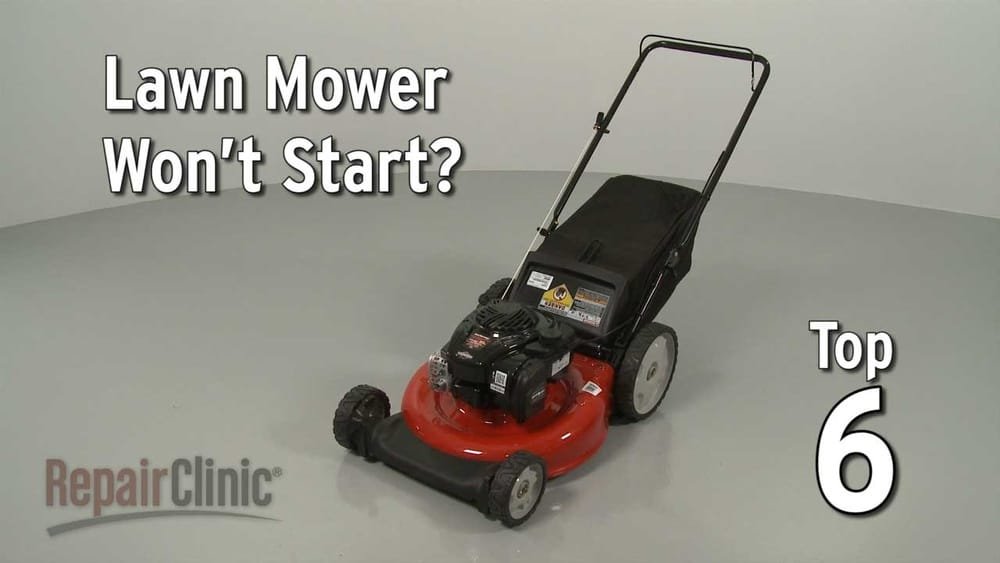
If you’ve ever pulled your Craftsman lawn mower out on a sunny day, all ready to get the yard looking sharp, and then… nothing happens, you know how frustrating it can be. I’ve been there more times than I’d like to admit.
Over the years, I’ve learned a lot—sometimes the hard way—about what really causes a Craftsman lawn mower not to start. Today, I’m sharing everything I know so you don’t waste hours guessing or get stuck in a loop of trial and error.
First Things First: Don’t Panic
When my Craftsman mower refused to start, I used to feel annoyed, even a bit defeated. But I learned that most issues have simple fixes. The trick is to go step by step. Let’s walk through what I do, and what you can do, too.
Check The Basics Before Anything Else
You’d be surprised how often the problem is something small. Here’s where I always start:
- Is there fresh gas in the tank? Old fuel can make your mower stubborn. If the gas smells funny or looks dark, drain it and add new fuel.
- Is the spark plug connected? Sometimes the wire pops off. I always give it a quick check.
- Blade control lever down? On my model, the mower won’t start unless the blade control is pressed down.
- Check the oil level. Low oil can trigger safety features that stop the engine from starting.
These steps sound simple, but I’ve made every one of these mistakes. Once, I spent half an hour before realizing I hadn’t pressed the blade control.
Fuel Problems: The Silent Trouble
Fuel is the lifeblood of your mower. But bad fuel can cause headaches.
Old Or Stale Gasoline
Gasoline loses its strength after about 30 days. If you left fuel in the tank over winter, it’s probably not good anymore. I learned this the hard way after my mower sat all winter. Old gas gums up the carburetor and blocks tiny passages.
Ethanol Blends
Most gas stations sell fuel with ethanol. Ethanol attracts water, which can separate and sink to the bottom of your tank. I now try to use fuel with no ethanol or use a fuel stabilizer if I must store gas.
Fuel Filter And Fuel Line
A clogged fuel filter or line can choke off fuel. Once, my mower would start and then die after a few seconds. I found a clogged filter was the culprit. Replacing it fixed the issue right away.
Spark Plug: Small Part, Big Role
The spark plug gives the engine its spark. If it’s dirty or worn out, your mower won’t start.
- Remove and inspect the spark plug. I look for carbon buildup or signs of wear.
- Clean or replace if needed. I use a wire brush to clean it, but if it looks bad, it’s cheap and easy to replace.
One thing beginners miss: Make sure the spark plug gap is correct. Too wide or too narrow, and you won’t get a good spark.
Air Filter: Don’t Let Your Mower Choke
Engines need air to run. A clogged air filter keeps air out.
- Check the filter. If it’s brown or clogged with grass, it’s time to clean or replace.
- Don’t run without it. I tried this once—dust got inside and caused even bigger problems later.
Cleaning a foam filter is easy. Wash it with soap and water, dry, and add a drop of oil before reinstalling.
Carburetor Issues: The Common Blocker
If you’ve checked fuel and spark, the carburetor is the next likely spot. This part mixes fuel and air for the engine. It gets clogged easily, especially with old gas.
Signs Of Carburetor Trouble
- Mower starts then stalls
- Smell of gas but no engine firing
- Engine runs rough or surges
Cleaning The Carburetor
I remove the carburetor bowl and look for dirt or varnish. Cleaning with carb cleaner usually solves it. For stubborn cases, I soak the carburetor overnight.

Starter System: Pull Cord Or Electric Start
If your mower has a pull cord, check if it’s stuck or frayed. If electric, listen for clicking or silence when you turn the key.
- Pull cord stuck: I found a jammed blade or debris can lock the cord. Always disconnect the spark plug before checking under the mower.
- Dead battery: For electric start, a weak battery won’t spin the engine fast enough.
Here’s a quick comparison of common starter problems and what I do:
| Issue | Symptom | My Fix |
|---|---|---|
| Pull cord won’t move | Stuck handle | Check for blade obstruction, clear debris |
| No sound with electric start | Silence when turning key | Charge or replace battery |
| Clicking noise only | Starter clicks, engine doesn’t turn | Check battery and starter connections |
Safety Switches: Hidden Roadblocks
Modern Craftsman mowers have safety switches. These prevent the mower from starting unless everything is safe.
- Seat switch: Some riding mowers won’t start unless you’re sitting down.
- Blade/brake switch: You must hold the blade or brake control lever.
- Neutral switch: For riding mowers, it must be in neutral.
If a switch is loose, dirty, or broken, your mower might act dead. I once jiggled the seat switch and the mower fired right up.

Battery: The Power Source
If you have a Craftsman riding mower or an electric start walk-behind, the battery is key. Batteries lose charge over time, especially if not used for weeks.
How I Test The Battery
I use a simple voltmeter. A healthy 12V battery should show 12. 6 volts or higher. If it’s below 12 volts, it needs charging or replacing.
Replacing The Battery
It’s easy—just make sure to connect positive to positive and negative to negative. I always wear gloves to avoid acid burns.
Ignition System: Beyond The Spark Plug
If you’ve checked the spark plug, but still no luck, the ignition coil or wiring could be at fault.
- Ignition coil: If this fails, you get no spark. I test for spark by removing the plug, grounding it, and pulling the cord. No spark means a bad coil.
- Wiring: Check for chewed or loose wires, especially if mice have been in your shed.
Choke And Primer Bulb: Getting The Mix Right
Most Craftsman mowers have a choke or primer bulb to help start a cold engine.
- Primer bulb: Press it 3-5 times before starting. If it’s cracked, replace it.
- Choke: Make sure it’s fully on for cold starts, then move to run once the engine fires.
Many people forget the choke, and the engine gets too much or too little fuel.
Flooded Engine: Too Much Fuel
Sometimes, after many tries, the engine floods. I’ve done this by pumping the primer too much. If you smell gas, wait 10-15 minutes, then try again with the throttle wide open and no primer.
Engine Compression: Rare But Real
If your mower is old or has hit something, low compression can stop it from starting. I check this last, using a compression tester. If compression is low, it may need a pro mechanic.
Comparing Common Causes And Fixes
Here’s a quick look at what’s most likely, based on my experience, and the usual fix:
| Cause | How Often I See It | Fix |
|---|---|---|
| Old fuel | Very often | Drain and add fresh fuel |
| Bad spark plug | Often | Clean or replace plug |
| Clogged carburetor | Sometimes | Clean carburetor |
| Dead battery | Sometimes (riding/elec models) | Charge or replace battery |
| Safety switch issue | Occasionally | Check/replace switch |
| Flooded engine | Rare | Let sit, try again |

Non-obvious Insights Most Beginners Miss
- Don’t Overlook Safety Switches: I used to forget about the seat switch and spent ages chasing other problems. If your mower seems dead, check every safety feature.
- Ethanol Issues Build Up: Ethanol in modern gas draws in water. This can cause hard-to-find problems in the carburetor and fuel system, even if you use the mower often. Using ethanol-free fuel or a stabilizer has saved me from repeated headaches.
Preventing Future Starting Problems
After fixing my mower a few times, I now do these things to avoid trouble:
- Use fresh, ethanol-free gas when possible
- Run the mower dry before winter
- Clean or replace the air filter each season
- Change the spark plug once a year
- Check safety switches and wires for damage
- Keep the battery charged in winter
Taking a few minutes for maintenance saves me hours of frustration later.
When To Call A Pro
Sometimes, nothing works. If you’ve tried all the steps above and your Craftsman lawn mower still doesn’t start, it might be time for a professional. I had a mower with a cracked engine block once—no home fix for that.
Also, if you’re not comfortable taking things apart or working with fuel and batteries, don’t risk it. Safety first. You can find more detailed repair guides and troubleshooting tips on sites like Family Handyman.
Frequently Asked Questions
Why Does My Craftsman Mower Only Start With Starter Fluid?
This usually means your carburetor is dirty or clogged. Starter fluid bypasses the carburetor, so if it starts with fluid but not on its own, you need to clean or rebuild the carburetor.
How Often Should I Replace The Spark Plug?
I change mine once per season, or if the mower starts running rough. For most people, once a year is enough.
Can Old Gas Ruin My Craftsman Lawn Mower?
Yes, old gas can clog the carburetor and even cause damage over time. Always use fresh gas and drain the tank if storing for months.
What’s The Best Way To Store A Mower For Winter?
Run the tank dry or add a fuel stabilizer to fresh gas. Remove the battery and store it indoors if you have an electric start. Clean the deck and check for rust.
My Mower Cranks But Won’t Start—what Should I Do?
Check for spark, fuel, and air in that order. Most of the time, the problem is a dirty carburetor, bad spark plug, or old gas.
Getting a Craftsman lawn mower running again doesn’t have to be stressful. With a bit of patience and these steps, I’ve saved time, money, and a lot of sweat. If you work through each part, step by step, you’ll often find the fix is easier than you think.
And if not, you’ll know when it’s time to call in a pro. Happy mowing!
As an Amazon Associate, We earn from qualifying purchases