
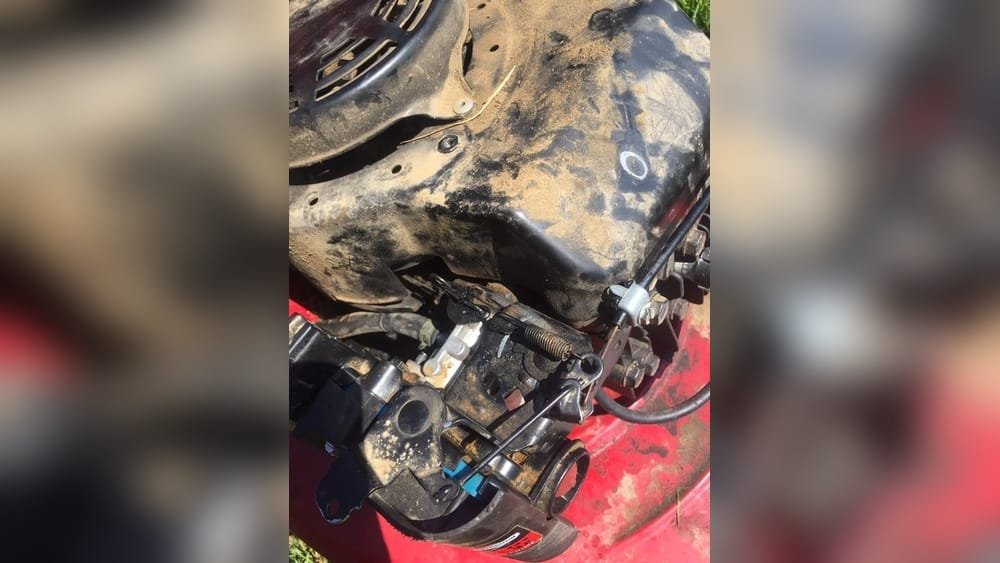
Have you ever pulled and pulled on your lawn mower’s cord, and it just refuses to start? I’ve been there—sweaty, frustrated, and staring at a machine that should work, but won’t. Last summer, my old mower acted up again. This time, I realized it wasn’t getting gas.
Fixing it took some patience, a bit of trial and error, and a lot of learning. If you’re having trouble with your mower not getting fuel, let me walk you through what I learned. I’ll share simple checks, fixes, and things most people miss.
My goal is to save you time, money, and stress.
How I Knew My Lawn Mower Wasn’t Getting Gas
The first sign was obvious: my mower wouldn’t start. But there are other clues too. For me, the engine would sputter for a few seconds and then die out. Sometimes, it would sound like it wanted to start, but just never caught on. If your mower is acting like this, there’s a good chance it’s not getting enough fuel.
One thing I learned is that not all starting issues are about fuel. Spark plugs, batteries, or even just a clogged air filter can cause problems. But when I sprayed a little starting fluid into the air intake and the engine fired up, I knew fuel was the real problem.
Main Reasons A Lawn Mower Isn’t Getting Gas
From my own struggles—and after talking to a few small engine repair experts—I discovered several key reasons. Each one has its own fix, so I’ll break them down.
1. Empty Or Stale Gasoline
This sounds silly, but it’s often the culprit. I once spent 20 minutes checking everything before realizing my gas tank was almost empty. Other times, I found that old gas left in the mower over winter had gone bad.
Tip: Always use fresh gasoline. Old fuel can clog parts and stop your mower from working.
2. Clogged Fuel Filter
A dirty fuel filter blocks gas from getting to the engine. I pulled mine off and, sure enough, it was dark and grimy. Replacing it was cheap and took five minutes.
Non-obvious insight: Even a slightly clogged filter can cause problems, not just a totally blocked one.
3. Blocked Fuel Line
Sometimes, the fuel line itself is blocked. I learned this the hard way. I pinched the line gently and felt no fuel moving. When I removed the line, there was a sticky, yellow gunk inside.
Tip: Fuel lines can get clogged from old gas, dirt, or even insects.
4. Dirty Carburetor
This was my biggest headache. The carburetor mixes fuel and air for the engine. If it’s dirty, the mix isn’t right, and the engine won’t start.
I tried cleaning mine with carburetor cleaner spray. Later, I had to take it apart and soak it overnight. It made a huge difference.
Non-obvious insight: Sometimes, the carburetor only needs a light cleaning, but other times, a full soak or rebuild kit is needed.
5. Faulty Fuel Pump
On some mowers, especially riding mowers, there’s a small fuel pump. If it fails, gas can’t move from the tank to the carburetor. Mine worked fine, but a friend’s didn’t. We replaced his for about $20.
6. Blocked Gas Cap Vent
This is a sneaky one. The gas cap has a tiny hole or vent to let air in as gas leaves. If it’s blocked, a vacuum forms, and gas can’t flow. I cleaned mine with a pin and it solved the problem.
7. Stuck Or Faulty Needle Valve
Inside the carburetor is a needle valve. If it sticks shut, fuel can’t enter. The first time I saw this, I thought the carb was broken. A bit of cleaning and a tap with a screwdriver freed it up.
8. Bad Primer Bulb
Some walk-behind mowers have a rubber primer bulb. If it’s cracked or leaks air, fuel won’t reach the carburetor. I had to replace mine after it dried out and split.
9. Fuel Shutoff Valve Closed
Some mowers have a fuel shutoff valve under the tank. If it’s closed, nothing gets through. I once forgot I’d closed mine for winter storage and couldn’t figure out why my mower wouldn’t start!
10. Air In The Fuel Line
Air bubbles in the fuel line can block gas flow. I found this out after changing my fuel filter. To fix it, I squeezed the primer bulb and gently wiggled the line to push the air out.

How I Diagnosed The Problem
It took me a few tries, but I learned a simple step-by-step way to figure out what’s wrong.
- Check the gas tank. Make sure there’s fuel, and that it’s fresh.
- Try starting fluid. A short burst in the air intake can show if the problem is fuel-related.
- Inspect the fuel filter. If it’s dirty, replace it.
- Look at the fuel line. Remove it and see if gas flows freely.
- Check the carburetor. Clean it with spray, or take it off if you’re comfortable.
- Test the gas cap vent. Run the mower with the cap loose—if it starts, the vent is likely blocked.
- Check for air bubbles. Squeeze the primer bulb (if you have one) and look for leaks.
Here’s a table showing common symptoms and what they might mean:
| Symptom | Possible Cause |
|---|---|
| Engine sputters then dies | Dirty carburetor or clogged filter |
| No sound at all | Empty tank or closed shutoff valve |
| Starts with starting fluid only | Fuel line, filter, or carburetor issue |
| Runs with gas cap off | Blocked gas cap vent |
Step-by-step: How I Fixed My Lawn Mower Not Getting Gas
Let me walk you through exactly what I did. Even if you’ve never fixed a mower before, you can do most of this with basic tools.
Step 1: Check And Replace Old Gas
I emptied my gas tank into a safe container. The old gas was yellow and smelled sour. I filled up with fresh gasoline and tried to start the mower. Sometimes, this is all it takes.
Step 2: Replace The Fuel Filter
I found the fuel filter by tracing the fuel line from the tank. It was a small plastic part. I removed the clamps, pulled it out, and put in a new one. The new filter was clear, so I could see gas flowing.
Step 3: Clear The Fuel Line
With the filter out, I blew gently through the fuel line. At first, nothing happened. Then a small ball of gunk shot out. I ran a pipe cleaner through the line and made sure it was clear before putting everything back.
Step 4: Clean The Carburetor
I removed the air filter and sprayed carb cleaner inside the carburetor. That worked for a while, but the problem came back. Next, I took the carburetor off (two bolts, a few hoses), and soaked it overnight in cleaner. After drying it, I reinstalled it.
The mower started right away.
Step 5: Check The Gas Cap Vent
I tried running the engine with the gas cap loose. It ran fine. I cleaned the vent hole with a sewing needle, then tried again with the cap on. Problem solved.
Step 6: Inspect The Primer Bulb And Needle Valve
My primer bulb was cracked, so I swapped it out for a new one. I also checked the needle valve in the carburetor and made sure it moved smoothly.
Here’s a quick comparison of how long each step took me:
| Step | Time Needed | Difficulty |
|---|---|---|
| Check/Replace Gas | 5 minutes | Easy |
| Replace Fuel Filter | 10 minutes | Easy |
| Clear Fuel Line | 15 minutes | Medium |
| Clean Carburetor | 1-2 hours | Medium-Hard |
| Check Gas Cap | 2 minutes | Easy |
| Replace Primer Bulb | 10 minutes | Easy |
Extra Tips Most People Miss
I learned a few things the hard way, so let me save you some trouble:
- Always drain gas before winter. Old gas causes most of the problems I faced.
- Use fuel stabilizer. Adding this to your gas before storage keeps it fresh longer.
- Keep an extra fuel filter on hand. They’re cheap and easy to replace.
- Check for leaks. After fixing everything, I noticed a small drip from the fuel line. Tightening the clamp fixed it.
When To Ask For Professional Help
Most of these fixes are easy. But if you’ve tried everything and the mower still won’t start, it could be a deeper engine problem or a worn-out carburetor. At that point, I called a local repair shop. It cost more, but they found a cracked intake manifold—a rare problem.
If you don’t feel safe working with fuel, or if your mower is under warranty, calling a pro is the best move.

Preventing Future Problems
After my mower was running again, I made a few changes to keep it that way:
- I run the mower dry at the end of the season.
- I clean the air filter every month.
- I use only high-quality gas.
- I check fuel lines every spring.
Here’s a table comparing what happens when you do regular fuel system care vs. not:
| Maintenance Habit | Result (Good Care) | Result (No Care) |
|---|---|---|
| Drain fuel before storage | No clogs, easy start | Clogs, poor starting |
| Replace fuel filter yearly | Clean fuel flow | Blockages, engine stalling |
| Check gas cap vent | Normal operation | Vacuum lock, no gas flow |
Frequently Asked Questions
Why Does My Lawn Mower Only Run For A Few Seconds Then Stop?
This usually means there’s a fuel delivery problem. The carburetor or fuel filter may be dirty, or the gas cap vent could be blocked. Try the steps I described above.
How Can I Tell If My Fuel Line Is Blocked?
Remove the fuel line and see if gas flows out easily. If not, the line is probably clogged. You can use a pipe cleaner or compressed air to clear it.
Can I Clean The Carburetor Without Removing It?
A quick spray with carburetor cleaner can help, but for deep cleaning, you need to take it off. I tried both, and full removal works much better for stubborn blockages.
What Type Of Gasoline Should I Use?
Use fresh, unleaded gasoline with the right octane for your mower. Avoid gas with lots of ethanol, as it can cause gumming and corrosion. For more on fuel types, see Wikipedia.
Is It Worth Repairing An Old Mower That Won’t Get Gas?
If your mower is in good shape otherwise, fixing fuel issues is cheap and easy. But if the engine is worn out or repairs cost more than a new mower, it might be time to replace it.
I hope my experience helps you get your lawn mower running again. A little patience, the right steps, and some basic tools can save you a lot of hassle. Good luck, and happy mowing!

As an Amazon Associate, We earn from qualifying purchases