
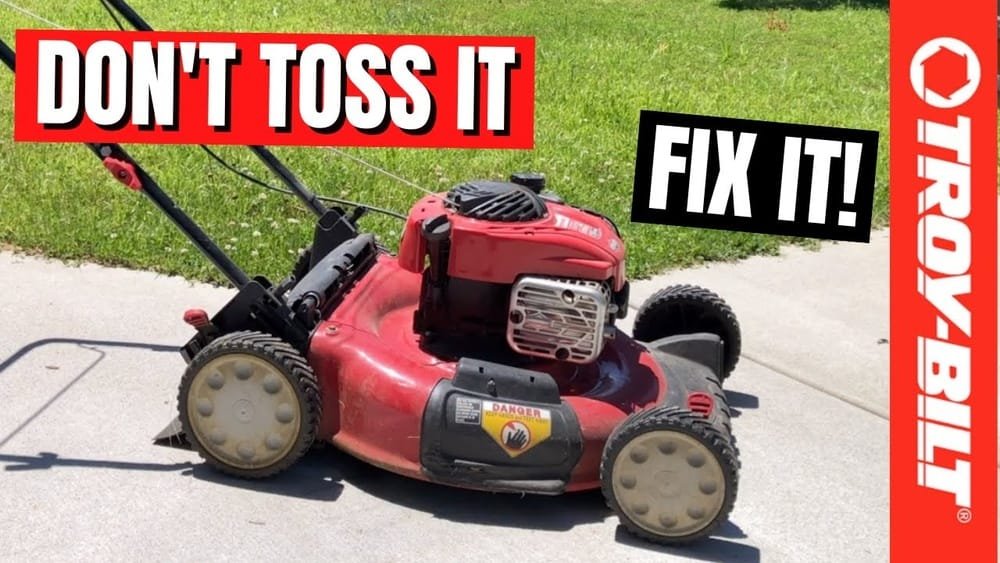
If you’ve ever grabbed your mower on a sunny Saturday, ready to tackle your lawn, only to find your Troy Bilt lawn mower not starting, I know how frustrating that can be. I’ve been there more times than I care to admit. It usually happens when I’m short on time and just want to get the yard work done. Over the years, I’ve figured out what to check, how to fix many common issues, and some beginner mistakes to avoid. I want to share my experience so you can get your mower running again—without the stress.
My First Time: The Engine Wouldn’t Budge
I remember the first time my Troy Bilt mower refused to start. I pulled and pulled the cord, but all I got was silence. My grass was too long, and I felt a bit embarrassed. I tried everything I could think of, but nothing worked. Eventually, I learned that most starting problems are simple to fix if you know what to look for.
The Most Common Reasons Your Troy Bilt Mower Won’t Start
There are a few reasons your Troy Bilt mower might not start. Here’s what I’ve learned from my own struggles:
1. Old Or Bad Gasoline
Gasoline goes bad after about 30 days. I used to leave fuel in the tank over winter, and every spring, my mower would refuse to start. Old gas can gum up the carburetor and fuel lines. Now, I always empty the tank or use a fuel stabilizer before storing my mower.
2. Dirty Or Clogged Air Filter
The air filter keeps dirt out of the engine. If it’s clogged, the engine can’t get enough air to start. I’ve found that even a quick tap on the ground can shake loose a lot of dust, but it’s best to replace the filter if it looks really dirty.
3. Spark Plug Problems
A bad or fouled spark plug is a top cause of starting trouble. Sometimes, just removing it and giving it a gentle clean does the trick. If not, a new spark plug is cheap and easy to install.
4. Battery Issues (for Electric Start Models)
Some Troy Bilt mowers have an electric start. If the battery is dead, the mower won’t crank. I learned the hard way to charge the battery in the spring before the first mow.
5. Clogged Carburetor
If you let gas sit in the mower, it can dry out and leave sticky deposits inside the carburetor. This was a real headache for me. I had to learn how to remove and clean the carburetor. It sounds hard, but with a little patience, it’s doable.
6. Fuel Line Blockages
Sometimes, the fuel lines get clogged with dirt or old fuel. If the mower isn’t getting gas, it won’t start. I once found a tiny bit of debris blocking the line—removing it made all the difference.
7. Blade Safety Switch Not Engaged
Most Troy Bilt mowers have a safety switch that stops the engine if you let go of the handle. If the switch or wiring is faulty, or if you’re not holding the bar down, the mower won’t start.
8. Bad Starter Recoil (pull Cord)
If the pull cord doesn’t snap back or feels loose, the recoil starter might be broken. I had this problem last summer. I replaced the recoil assembly myself after watching a video. It wasn’t as hard as I thought.
Quick Troubleshooting Steps
Let me walk you through the steps I use when my Troy Bilt mower won’t start. These are simple, and you don’t need special tools.
Step 1: Check The Fuel
First, make sure there’s fresh gasoline in the tank. Old gas can cause all sorts of problems. If the fuel smells sour or looks dark, drain it and fill with new gas.
Step 2: Inspect The Air Filter
Take off the air filter cover and look at the filter. If it’s dirty or soaked with oil, replace it. I usually check this every few months, especially after mowing in dusty conditions.
Step 3: Look At The Spark Plug
Remove the spark plug with a socket wrench. If it’s black or covered in gunk, clean it or put in a new one. Make sure the spark plug wire is attached tightly when you’re done.
Step 4: Test The Battery (electric Start Models)
If you have an electric start, try charging the battery. Sometimes, just giving it a full charge solves the issue.
Step 5: Prime The Engine
Some Troy Bilt models have a primer bulb. Press it a few times to help get fuel to the carburetor. Don’t over-prime, or you might flood the engine.
Step 6: Check The Safety Handle
Make sure you’re holding the safety bar down while you try to start the mower. If the cable is loose or broken, the engine won’t get the signal to start.
Step 7: Listen For Unusual Sounds
If you hear nothing at all, the issue is probably electrical (like the safety switch or battery). If you hear sputtering, it’s likely a fuel or spark problem.
How I Fixed The Problem: A Real Example
Last spring, my Troy Bilt mower sat in the garage all winter. When I tried to start it, nothing happened. Here’s what I did:
- I checked the fuel—old and smelly. I drained the tank and filled it with fresh gas.
- The air filter was clogged with grass. I replaced it.
- The spark plug was blackened. I swapped it out for a new one.
- After these steps, the mower started on the first pull.
That experience taught me that basic maintenance solves most starting problems.
A Handy Comparison: Common Causes And Fixes
Here’s a quick reference that I use to remind myself where to look first.
| Problem | How to Check | Solution |
|---|---|---|
| Old Gasoline | Smell, color of gas | Drain and refill with fresh gas |
| Dirty Air Filter | Remove and inspect | Clean or replace filter |
| Spark Plug Issue | Remove and check condition | Clean or replace spark plug |
| Dead Battery (Electric Start) | Check charge level | Recharge or replace battery |
| Clogged Carburetor | Engine sputters, doesn’t start | Clean carburetor |
| Faulty Safety Switch | Handle not engaging engine | Check cable and switch |
| Broken Pull Cord | Cord doesn’t recoil | Replace recoil starter |
Key Maintenance Tips I Wish I Knew Sooner
I used to think lawn mowers didn’t need much care. I was wrong! Here are some things I do now to keep my Troy Bilt running well:
- Use fresh gasoline every season.
- Change the air filter at least once a year, or more if mowing dusty grass.
- Check and replace the spark plug every spring.
- Inspect the blade safety cable for damage.
- Store the mower in a dry place over winter.
- Run the engine dry or use a fuel stabilizer before storage.
It’s easy to forget these steps, but they save a ton of time and stress later.
Troubleshooting Electric Start Vs. Pull Start
After owning both types of Troy Bilt mowers, I’ve noticed some differences in starting trouble.
| Feature | Electric Start | Pull Start |
|---|---|---|
| Battery Needed | Yes | No |
| Common Problem | Dead battery | Broken recoil cord |
| Starter Switch | Button or key | Pull cord |
| Fix Difficulty | Battery easy to replace | Recoil needs tools |
If you have an electric start, the battery is the first thing I’d check. With a pull start, I look at the cord and recoil assembly.
Two Insights I Learned The Hard Way
1. Don’t Overlook Safety Features
My mower once refused to start, and I spent an hour checking fuel and spark. It turned out the safety bar cable had slipped loose. Sometimes, the simplest answer is the right one.
2. Never Ignore Old Gas
Leaving gas in the tank over winter caused me endless trouble. Even a few weeks can make gasoline go bad. Now, I use up the gas or drain it before storing the mower.
When To Call For Help
Most problems are easy to fix, but sometimes you need a professional. I call for help if:
- The mower makes strange noises I don’t understand.
- There’s oil leaking from the engine.
- I smell burning or see smoke.
A small engine repair shop can often fix things in a day or two. I always check the warranty first, just in case repairs are covered.
Preventing Future Starting Problems
After many seasons with my Troy Bilt, here’s what works for me:
- Regular cleaning: Wipe down the mower after use.
- Keep blades sharp: Dull blades make the engine work harder.
- Check the deck: Clear out grass clippings that could block airflow.
- Schedule tune-ups: A yearly checkup keeps things running smoothly.
These small habits save hours of frustration when mowing season starts.

A Quick Look: Maintenance Vs. Starting Problems
Let’s compare how regular care affects the most common issues.
| Maintenance Task | Prevents | How Often |
|---|---|---|
| Change air filter | Engine won’t start, rough running | Once a year |
| Replace spark plug | No spark, hard starts | Every season |
| Drain old gas | Gummed-up carburetor | Before storage |
| Check safety cable | Engine not engaging | Every use |
What Not To Do: Mistakes I Made
When I first owned a Troy Bilt, I made some classic mistakes:
- I tried to start the mower with old gas.
- I ignored a dirty air filter.
- I pulled the starter cord too hard and broke it.
- I forgot to charge the battery before the first mow of the year.
Learning from these errors made me a much better mower owner.

Where To Find More Help
Sometimes, you need extra info or step-by-step guides. I’ve found the official Troy Bilt website is a great place for troubleshooting help and manuals. If you want more in-depth advice, check out this helpful resource from Consumer Reports.
Frequently Asked Questions
Why Does My Troy Bilt Mower Click But Not Start?
Usually, a clicking sound means the battery is low or dead (on electric models). Check the battery charge and cables. If you have a pull-start model, the recoil starter might be stuck.
How Often Should I Change The Spark Plug?
I recommend changing the spark plug once per season or after every 25 hours of use. This keeps the engine running smooth and makes starting easier.
Can Bad Gas Ruin My Troy Bilt Mower?
Yes, old gasoline can clog the carburetor and damage engine parts. Always use fresh gas and empty the tank before storing the mower for long periods.
My Mower Starts But Dies Quickly. Why?
This often happens when the air filter is clogged or the carburetor is dirty. Check both and clean or replace as needed.
Is It Hard To Clean A Carburetor Myself?
Cleaning a carburetor can sound tricky, but with patience, it’s manageable. There are lots of helpful videos online. If you’re not comfortable, a repair shop can do it quickly.
Getting your Troy Bilt lawn mower to start isn’t always easy, but with these tips and some routine care, you’ll spend less time fixing and more time enjoying your yard. I hope my experience helps you get back to mowing—with less stress!
As an Amazon Associate, We earn from qualifying purchases