
When I first started working with air tools in my garage, I thought picking an air compressor was simple. I just wanted something that worked. But I quickly learned that choosing the right size is not so easy. If you go too small, your tools stop and you get frustrated.
If you go too big, you waste money and space. Over the years, I have tested different compressors for everything from filling tires to spray painting. So, I want to share what I learned about how big of an air compressor you really need—based on real experience, not just specs.
Why Size Matters For Air Compressors
The first time I bought an air compressor, I didn’t check the size. I just grabbed a small one on sale. It was fine for blowing dust off the workbench, but when I tried using it with my impact wrench, it ran out of air in seconds.
I had to stop and let it refill. That’s when I realized that air compressor size isn’t only about how “big” the tank looks. It’s about matching the compressor to your tools and your jobs.
Choosing the right size means you can finish your work without stopping all the time. It also means you don’t overspend on something you’ll never use to its full potential. There’s a sweet spot, and I’m going to help you find it.
Key Factors To Consider
Let me break down the important things I look at whenever I choose an air compressor. These are the same things I wish someone had told me when I started.
1. Cfm (cubic Feet Per Minute)
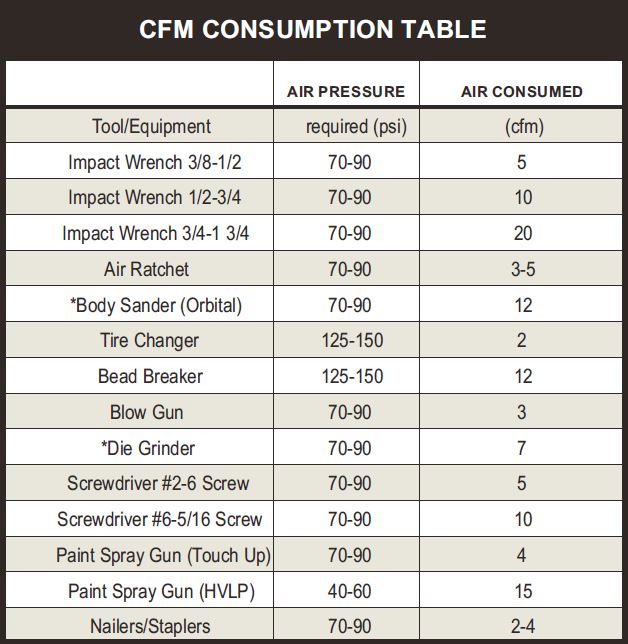
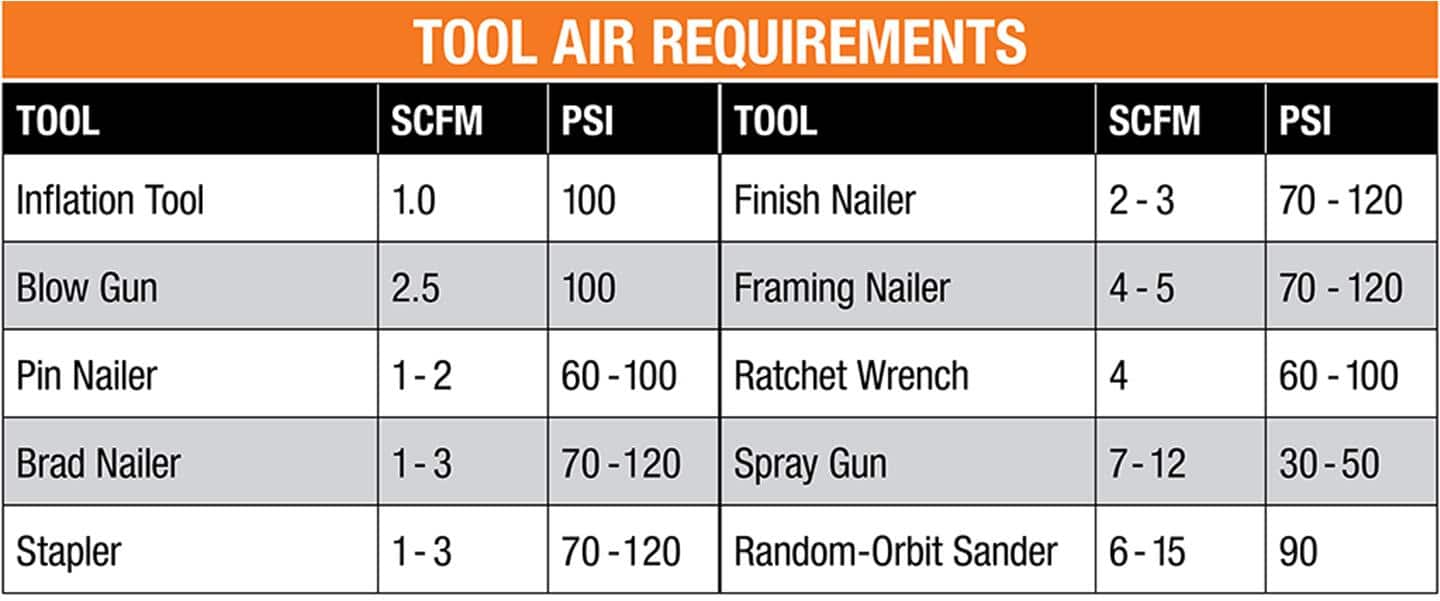
CFM is the amount of air the compressor can deliver. Each tool you use needs a certain CFM to work well. For example, my framing nailer uses 2 CFM, but my die grinder needs 5 CFM. If your compressor can’t supply enough CFM, your tool will slow down or stop.
2. Psi (pounds Per Square Inch)
PSI is the pressure of the air. Most tools need about 90 PSI. Some, like spray guns, might need a bit more. But honestly, I found that almost every home and garage tool works fine with compressors rated for 90-120 PSI.
3. Tank Size
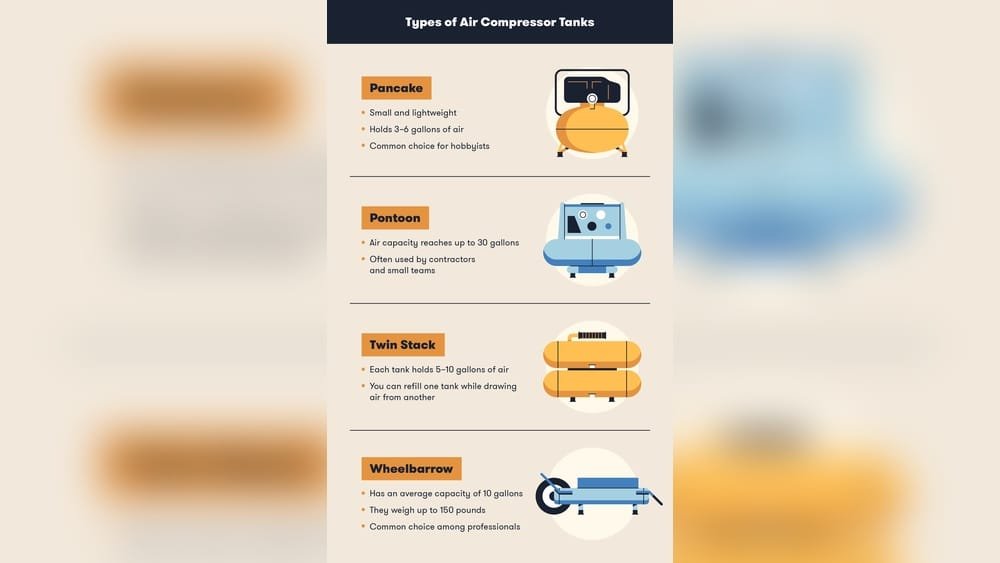
The tank size tells you how much air the compressor can store. For small jobs, a 2-gallon tank is enough. For longer jobs, like spray painting or using a sander, I found that a 20- to 30-gallon tank saves time. You don’t have to wait for the compressor to catch up.
4. Duty Cycle
This is how long the compressor can run before it needs a break. A 50% duty cycle means it can run half the time, then rest. For big projects, a higher duty cycle is better. I learned this the hard way when my small compressor overheated during a long job.
5. Power Source
Some compressors run on regular home outlets (120V), while others need 240V. Most of my tools work fine with 120V units, but larger compressors may need a bigger circuit.
6. Portability
If you move your compressor around, size and weight matter. My first compressor was light and easy to carry. Later, I bought a big 60-gallon model. It works great but is not going anywhere once it’s in place.
Matching Compressor Size To Your Tasks
Let’s get practical. Here’s what I learned about matching compressor size to common jobs. This is based on tools I actually used in my garage.
| Task | Recommended CFM | Recommended Tank Size |
|---|---|---|
| Inflating tires/sports balls | 1-2 CFM | 1-3 gallons |
| Staplers/brad nailers | 2 CFM | 2-4 gallons |
| Impact wrenches | 4-5 CFM | 6-10 gallons |
| Paint spraying | 6-12 CFM | 20-30 gallons |
| Sanders/grinders | 8-12 CFM | 30+ gallons |
I found that you can do most car or home projects with a compressor that delivers 4-6 CFM at 90 PSI and has at least a 6-gallon tank. But if you want to run tools that need a lot of air, like sanders, you’ll need more.
How To Calculate The Right Size For Your Tools
This is the step I skipped at first, but it makes life so much easier. Here’s what I do now:
- List the tools you plan to use.
- Find the CFM rating for each tool (check the manual or label).
- Add up the CFM for all tools you might use at the same time.
- Add 30% extra as a safety margin. Compressors lose efficiency over time.
For example: If you want to run a die grinder (5 CFM) and an impact wrench (4 CFM) together, that’s 9 CFM. Add 30% (2.7 CFM), and you need a compressor that can deliver at least 12 CFM at 90 PSI.
Here’s a quick summary:
| Tool | Typical CFM Needed |
|---|---|
| Blow gun | 2-3 |
| Framing nailer | 2 |
| Impact wrench | 4-5 |
| Paint sprayer | 6-12 |
| Orbital sander | 8-12 |
Real-life Example: My Garage Setups
When I first started, I bought a small pancake compressor (3-gallon, 2. 6 CFM at 90 PSI). It worked for nail guns, but not for my bigger tools.
Later, I upgraded to a 20-gallon, 5. 7 CFM compressor. Suddenly, I could use my impact wrench without stopping. I also painted a car bumper with it, though I had to take breaks for the compressor to catch up.
Now, I have a 60-gallon, 11 CFM compressor. It handles everything—even running a sander and spray gun at the same time. But it’s heavy, loud, and cost more. Unless you do lots of heavy work, you probably don’t need this size.
Common Mistakes I Made (and How To Avoid Them)
Let me save you some headaches. Here are mistakes I made when choosing my first compressor:
- Ignoring CFM: I looked at tank size only. I learned that a big tank with low CFM is still weak for some tools.
- Not thinking about future needs: I bought for the job I had right then. When I got new tools, my compressor was too small.
- Forgetting about power: I once bought a big compressor but didn’t have the right outlet in my garage.
- Overestimating needs: I bought a huge compressor thinking “bigger is always better.” I wasted money and space.
If you know what you want to do (now and later), you’ll pick the right size.
Portable Vs. Stationary Compressors
If you move around a lot, like working in different parts of your house or yard, a smaller, portable compressor is great. I used a 6-gallon pancake compressor for years. It fit in my car trunk and stored easily.
But for heavy work, like auto repair, a stationary compressor is better. It gives you more power and air, but you won’t move it much. I put mine in the corner of my garage and ran hoses to where I needed air.
Oil-free Vs. Oil-lubricated Compressors
Another thing I learned was the difference between oil-free and oil-lubricated compressors.
- Oil-free compressors are lighter and need less care. They are great for small jobs, home use, and easy to move.
- Oil-lubricated compressors last longer and are better for heavy jobs. They need oil changes, just like a car.
I started with oil-free for DIY tasks. Now, I use oil-lubricated for big projects.
Noise And Placement Tips
Air compressors can get loud. My pancake compressor was noisy enough to wake up my family. When I got a bigger one, I put it in the garage corner and ran a long hose. That kept the noise away from my workspace.
If you care about noise, look for compressors marked as “quiet” or with lower decibel ratings. You can also build a simple soundproof box or keep the compressor outside and run a hose inside.
Maintenance And Longevity
A good compressor can last for years with basic care. I always:
- Drain the tank after each use (to remove water and prevent rust).
- Check and change oil (for oil-lubricated types).
- Clean air filters.
- Check hoses for leaks.
Small steps keep your compressor working well and save money in the long run.

When To Go Bigger (or Stay Small)
You don’t always need the biggest air compressor. Here’s what I recommend based on my own use:
- Go small if you only use nail guns, staplers, or inflate tires.
- Go medium (20–30 gallons, 4–6 CFM) for home auto repair and painting.
- Go big (60 gallons, 10+ CFM) if you run multiple tools at once or do heavy sanding, grinding, or bodywork.
If you’re not sure, get the next size up from what you think you need. It’s easier to have more air than not enough.
Comparing Popular Compressor Sizes
Here’s how common sizes stack up. I’ve owned or used all of these at some point.
| Compressor Size | Best For | Pros | Cons |
|---|---|---|---|
| 2-6 gallons | Small tools, home use | Light, portable, cheap | Limited CFM, noisy |
| 20-30 gallons | Auto repair, painting | More CFM, good for most jobs | Heavier, less portable |
| 60+ gallons | Professional, shop | High CFM, runs many tools | Expensive, large, needs special outlet |
One Last Piece Of Advice
Don’t be afraid to ask for help at the store or read reviews online. And always check the CFM and PSI ratings. Specs matter more than the brand name or what’s on sale.
For more details about CFM and tool requirements, you can check this resource: Wikipedia: Air Compressor.
Frequently Asked Questions
What Size Air Compressor Do I Need For Home Use?
For most home tasks like inflating tires or using a brad nailer, a 2- to 6-gallon compressor with 2-3 CFM at 90 PSI is enough. If you plan to use larger tools, go for at least 20 gallons and 4-6 CFM.
Can I Run Multiple Tools At Once?
Yes, but you need to add up the CFM of all tools you want to run together. Then add 30% extra. Your compressor must match or exceed this total CFM at the needed PSI.
Is A Bigger Tank Always Better?
Not always. A bigger tank lets you use tools longer before the compressor refills, but CFM is more important. A small compressor with a big tank can still run out of air fast if CFM is low.
What’s The Difference Between Cfm And Psi?
CFM is how much air the compressor delivers, and PSI is the pressure. Most tools care more about CFM. Make sure your compressor meets both numbers for your tools.
How Do I Make My Compressor Last Longer?
Drain the tank after each use to prevent rust, keep the air filter clean, check hoses for leaks, and for oil-lubricated compressors, change oil as recommended. Regular care keeps your compressor running strong for years.
I hope my experience makes your choice easier. Picking the right air compressor is about matching what you need, not just buying the biggest one you can find. With the right size, your work will be smoother and a lot more fun.
As an Amazon Associate, We earn from qualifying purchases