
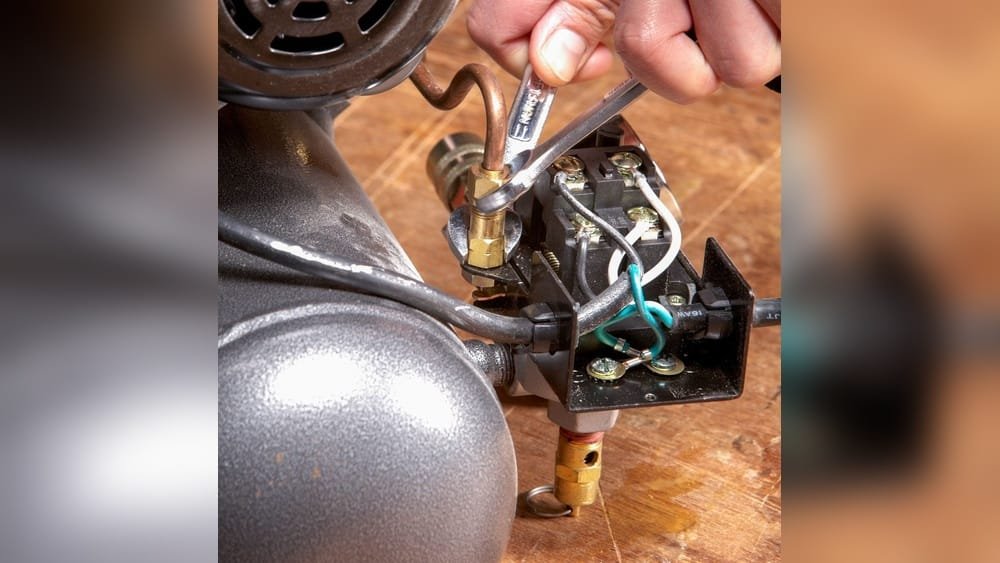
Fixing an air compressor can feel scary if you’ve never done it before. I remember the first time mine stopped working—it was in the middle of a weekend project, and I had no idea where to start. But after years of using compressors for everything from filling tires to powering tools, I’ve learned that most problems aren’t as bad as they seem.
In fact, many issues can be fixed with a little patience and a few basic tools.
Let me walk you through the process. I’ll share what I’ve learned, the mistakes I made, and some tips that make things easier. This way, if your air compressor acts up, you’ll know exactly what to do.
Understanding Your Air Compressor
Before I started fixing my own compressor, I made a big mistake—I didn’t really know how it worked. I just plugged it in and hoped for the best. But understanding the basics helped me a lot.
An air compressor is a machine that pulls in air, squeezes it, and stores it in a tank. When you need air—for tools, tires, or cleaning—the compressor sends it out at high pressure. Most home compressors are either pancake or hotdog styles, but there are bigger ones for shops and garages.
The main parts are:
- Motor: Powers the pump.
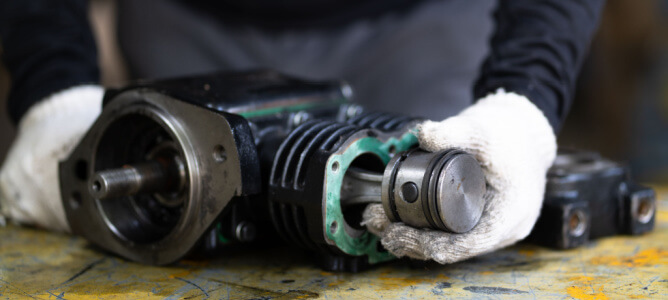
- Pump: Compresses the air.
- Tank: Stores the compressed air.
- Pressure switch: Turns the motor on and off.
- Hoses and fittings: Send air to your tools.
Knowing these helped me spot problems faster. For example, if the motor doesn’t start, I know to check power first, not the tank or hoses.
Common Air Compressor Problems
Over the years, I’ve run into a bunch of different issues. Here are the most common ones I’ve faced, and what usually causes them:
- Compressor won’t start
- Compressor won’t stop running
- Low air pressure
- Leaks
- Strange noises
- Overheating
- Tripped circuit breaker
- Burning smell
- Moisture in tank
- Pressure switch problems
Let’s go through each one. I’ll explain how I fixed them and what you should look for.
Compressor Won’t Start
This one happened to me on a cold morning. I pressed the switch, and nothing happened. Here’s what I checked:
- Power source: I made sure the plug was in, and the outlet worked.
- Extension cords: I learned the hard way that long or thin cords can stop enough power from getting to the compressor. Now, I always use a short, heavy-duty cord or plug straight into the wall.
- Reset button: Some compressors have a reset button near the motor. If it’s popped out, just push it back in.
- Pressure switch: Sometimes, the switch that senses pressure fails. If the tank is empty, but the compressor won’t start, the switch might be stuck.
Insight: Many beginners forget to check the power switch on the compressor itself. It sounds silly, but I’ve left mine off more than once.
Compressor Won’t Stop Running
If your compressor keeps running and never shuts off, it’s usually a problem with the pressure switch or a leak.
- First, I listen for air hissing around the tank or fittings. If I hear a leak, I spray soapy water around the joints—bubbles mean air is escaping.
- If there are no leaks, the pressure switch may be broken and not telling the motor to stop.
Tip: Don’t let the compressor run too long if it won’t shut off. It can overheat and damage the motor.
Low Air Pressure
A compressor that won’t build up enough air is frustrating. I’ve seen this happen when:
- The intake filter is clogged. I check and clean it every few months.
- The valves in the pump are dirty or broken. If you hear air escaping inside the pump, a valve might need cleaning or replacing.
- The tank is leaking. Again, soapy water helps find small leaks.
Non-obvious insight: Sometimes the pressure gauge is broken, not the compressor. I once replaced a pump, only to find out the gauge was stuck.
Air Leaks
Leaks are common, especially in older compressors. Here’s how I find them:
- Fill the tank, then turn off the compressor.
- Listen for hissing. Even a small leak can empty the tank overnight.
- Use soapy water on all connections, hoses, and fittings.
- Tighten any loose connections. If a hose is cracked, replace it.
Pro tip: Teflon tape on threads helps seal leaks. Don’t use too much, or it can break off and clog parts.
Strange Noises
Once, my compressor started making a loud clanking noise. I turned it off right away.
- Rattling: Usually a loose bolt or part. I check all the screws and mounts.
- Grinding: This might mean the pump is low on oil (for oil-lubricated types). I check the oil window or dipstick.
- Screeching: Could be a belt issue (on belt-driven models). I check for worn or loose belts.
If you hear a new noise, stop and check it out. Running a noisy compressor can make the problem worse.
Overheating
Compressors can get hot, especially in summer. I once burned my hand checking a tank. If the compressor overheats:
- Let it cool down before touching anything.
- Check for blocked vents or dirty cooling fins.
- Make sure it’s not running too long. Most small compressors need breaks to cool off.
Extra tip: Keep the compressor in a cool, dry spot with plenty of airflow.
Tripped Circuit Breaker
If the power keeps cutting out, the compressor may be tripping the breaker. This happened to me with a long extension cord.
- Use a dedicated outlet with the right amperage.
- Shorten or remove extension cords.
- If it still trips, the motor may be failing or the pressure switch is stuck.
Don’t keep resetting the breaker without finding the cause—it can be a fire risk.
Burning Smell
A burning smell means something is wrong. I’ve had this when the motor bearings wore out.
- Unplug the compressor right away.
- Check for melted wires or burnt smell near the motor.
- If you see smoke, don’t use the compressor until a professional checks it.
Non-obvious insight: Sometimes old extension cords or outlets are the problem, not the compressor. Always check your power supply.

Moisture In The Tank
Compressed air holds water. Over time, water collects in the tank. If you don’t drain it, the tank can rust.
- I drain the tank after every use. There’s a valve on the bottom—open it slowly to let water out.
- Don’t forget to close the valve before using the compressor again.
Pro tip: Drain the tank outside, since rusty water can stain floors.
Pressure Switch Problems
The pressure switch tells the compressor when to start and stop. If it fails, the motor won’t run right.
- If the switch clicks but nothing happens, it might be broken.
- These are easy to replace—just make sure the power is off, and note how the wires connect.
Extra tip: Take a photo of the wiring before removing the old switch. It’s saved me a lot of headaches.
My Basic Air Compressor Troubleshooting Steps
Here’s how I tackle any compressor problem:
- Unplug the compressor. Safety first.
- Inspect visually. Look for loose wires, burnt spots, or broken parts.
- Check the basics. Power supply, switches, hoses, and tank.
- Listen and smell. Odd sounds or smells give big clues.
- Test connections. Spray soapy water to find leaks.
- Consult the manual. Each model is different, so I keep mine handy.
Most problems can be fixed with a screwdriver, wrench, and patience. If I’m ever unsure, I ask for help or check forums like Wikipedia’s air compressor page.
When To Call A Professional
There are times I don’t try to fix things myself. If the compressor:
- Shoots sparks or smokes
- Makes very loud banging sounds
- Has a broken tank (don’t mess with this—it can be dangerous)
- Still won’t work after basic checks
I call a pro. Safety is more important than saving a few bucks.
Table: Quick Problem And Solution Reference
Here’s a table I keep taped to my garage wall. It’s helped me more than once.
| Problem | Likely Cause | Quick Fix |
|---|---|---|
| Won’t start | No power, bad switch | Check power, reset switch |
| Won’t stop running | Leak, bad pressure switch | Check for leaks, replace switch |
| Low pressure | Clogged filter, leaking valve | Clean filter, check valves |
| Overheating | Poor ventilation | Move to cool area, check vents |
| Burning smell | Electrical problem | Unplug, check wiring |
Table: Common Tools And Supplies For Fixing Compressors
Before you start any repair, make sure you have these on hand. I learned the hard way that missing tools can turn a 10-minute job into an all-day headache.
| Tool/Supply | Use | My Tip |
|---|---|---|
| Screwdriver set | Opening covers, adjusting screws | Keep both flat and Phillips types |
| Wrench set | Tightening nuts, removing valves | Metric and standard sizes |
| Soapy water spray | Finding leaks | Mix dish soap with water |
| Teflon tape | Sealing threads | Don’t overuse—one wrap is enough |
| Replacement parts | Switches, filters, hoses | Buy from a trusted supplier |
Table: Maintenance Schedule Example
Regular maintenance keeps your compressor running longer. Here’s a schedule I follow:
| Task | How Often | Details |
|---|---|---|
| Drain tank | After every use | Prevents rust and water buildup |
| Check filter | Monthly | Clean or replace if dirty |
| Inspect hoses | Monthly | Look for cracks or leaks |
| Oil pump (if needed) | Every 3 months | Use correct compressor oil |
| Tighten fittings | Every 6 months | Prevents air loss |
Frequently Asked Questions
Why Does My Air Compressor Keep Shutting Off?
This usually means the circuit breaker is tripping, the motor is overheating, or the pressure switch is faulty. Check for overloaded outlets or dirty filters too.
How Do I Stop My Compressor From Leaking Air?
Use soapy water to find leaks. Tighten all fittings, replace cracked hoses, and use Teflon tape on threaded connections.
Is It Safe To Repair An Air Compressor Myself?
Yes, for most minor issues like leaks or filter changes. But if you see sparks, smoke, or broken tanks, call a professional. Safety comes first.
How Often Should I Drain The Compressor Tank?
I do it after every use. This keeps water from building up and rusting the tank.
What Oil Should I Use In My Air Compressor?
Use the oil recommended by the manufacturer. It’s usually a special non-detergent compressor oil. Don’t use car engine oil—it can foam and damage the pump.
Fixing an air compressor doesn’t have to be hard. With a little time and these steps, you can save money and keep your tools running strong. Remember, most problems have simple solutions if you stay calm and check the basics first.
And when in doubt, it’s always okay to ask for help.
As an Amazon Associate, We earn from qualifying purchases