
Can You Cut Conduit With a Pipe Cutter? My Real Experience (And What You Should Know)
Have you ever stood in your garage, staring at a piece of electrical conduit, wondering if you could just grab your pipe cutter and go for it? I have. In fact, I’ve done it more times than I can count. Over the years, I’ve worked with both metal and plastic conduit for home projects—running wires in the basement, setting up outdoor lighting, and even helping friends renovate their shops.
A lot of people ask me if they can use a pipe cutter instead of a hacksaw or power tool. I get it. Pipe cutters are quiet, clean, and easy to handle. But is it really a good idea? Let’s walk through what I’ve learned—sometimes the hard way—about cutting conduit with a pipe cutter. I’ll share my own mistakes, best tips, and everything you need to know so you can avoid frustration (or worse, ruined conduit).
What Is Electrical Conduit?
First, let’s get clear on what we’re talking about. Electrical conduit is a tube used to protect and route wiring. There are a few common types:
- EMT (Electrical Metallic Tubing): Thin-walled steel, often called “thin-wall.”
- Rigid metal conduit: Thick, heavy steel.
- PVC conduit: Rigid plastic, used for outdoor or wet places.
- Flexible conduit: Coiled, can bend easily.
Each type acts a bit differently when you try to cut it. The question “Can you cut conduit with a pipe cutter? ” depends a lot on which kind you have.
What Is A Pipe Cutter And How Does It Work?
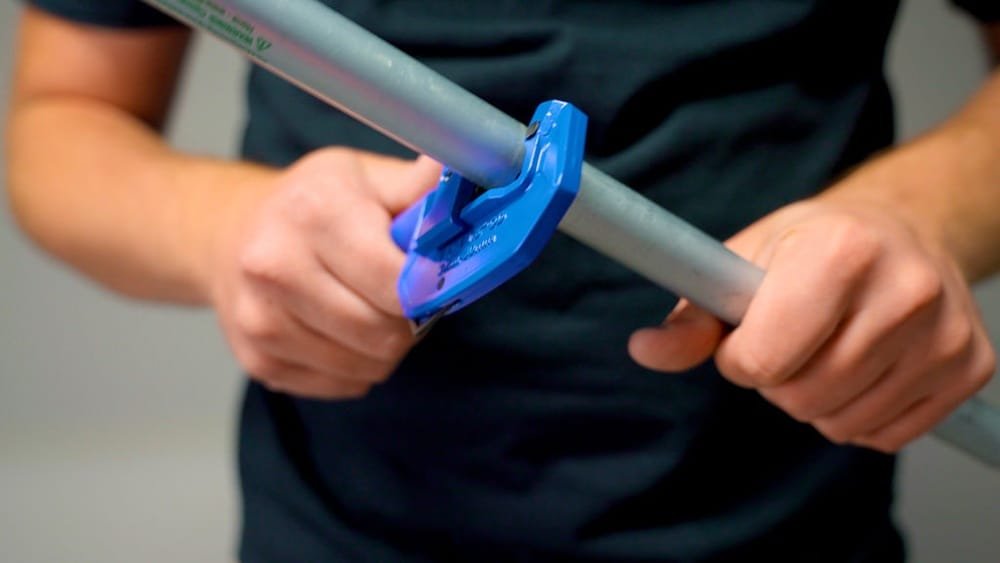
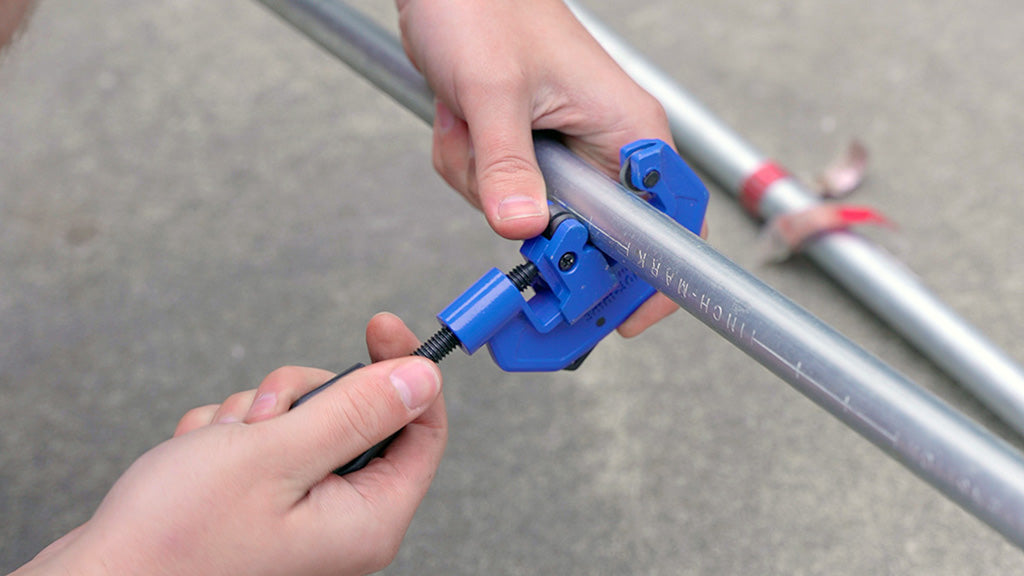
If you haven’t used one, a pipe cutter is a tool with a sharp circular blade and rollers. You clamp it around the pipe, tighten the knob, and spin it around the pipe. Each time you go around, you tighten a bit more, and the blade digs in until the pipe snaps.
I love pipe cutters because they give a straight, clean edge—no jagged bits or flying sparks. But, they’re not magic. They work best on soft metal pipes, like copper or thin-walled steel, and sometimes on thin plastic.
My First Time Cutting Conduit With A Pipe Cutter
I still remember the first time I tried to cut EMT conduit with my trusty pipe cutter. I figured, “If this thing slices copper like butter, it’ll handle conduit, right? ” Not exactly.
I clamped the cutter on, started spinning, and after a few turns, I noticed something odd—the pipe was getting a bit squashed. The cut wasn’t smooth. I kept going, tightened more, and finally, it snapped. The edge was rough. I had to file it for ages.
That was my first lesson: pipe cutters can work on conduit, but it’s not always easy. The results depend on a few key things.
When A Pipe Cutter Works Well (and When It Doesn’t)
Through trial and error, I’ve learned there’s no one-size-fits-all answer. Here’s what I found with each type:
Emt (electrical Metallic Tubing)
Pipe cutters can work on EMT, especially the smaller sizes (like ½ inch or ¾ inch). But if the EMT is thick, or your cutter isn’t strong, you might just dent the pipe.
One thing I noticed: after using a pipe cutter, the inside of the conduit gets a sharp little ridge, called a “burr.” This can catch wires and damage insulation. It’s really important to use a reamer or file to smooth out the edge. If you skip this step, you risk problems later when you pull wire through.
Rigid Metal Conduit
Don’t even try. Rigid conduit is way too tough for most pipe cutters. I tried once with a heavy-duty cutter, and all I got was sore hands and a ruined blade.
Pvc Conduit
You might think a pipe cutter would slice PVC nicely. Sometimes it does, especially with small, thin PVC. But most of the time, the blade just cracks or pinches the pipe instead of cutting cleanly.
I got better results using a special PVC cutter (which looks like big scissors) or a fine-tooth hacksaw.
Flexible Conduit
Pipe cutters don’t work at all on flexible conduit. The cutter just crushes the coils. Use a hacksaw or sharp utility knife instead.

Comparing Pipe Cutters To Other Tools
Here’s how pipe cutters stack up against other options I’ve used:
| Tool | Best For | Cut Quality | Noise | Speed |
|---|---|---|---|---|
| Pipe Cutter | Small EMT, copper pipe | Clean (needs reaming) | Quiet | Medium |
| Hacksaw | All conduit types | Can be rough | Moderate | Slow |
| Angle Grinder | Thick metal conduit | Smooth (hot edge) | Loud | Fast |
| PVC Cutter | PVC conduit | Very clean | Quiet | Fast |
From my experience, if you want the quietest, least messy cut, a pipe cutter is nice—if the conduit isn’t too thick.
How To Cut Conduit With A Pipe Cutter: My Step-by-step Guide
Here’s exactly how I do it, and what I’ve learned along the way:
- Measure and mark: Use a sharpie to mark the cut line. Double-check your measurement!
- Secure the conduit: If possible, clamp the conduit to a workbench. This keeps your hands safe and the cut straight.
- Position the pipe cutter: Line up the cutter’s wheel with your mark. Don’t overtighten yet.
- Start turning: Rotate the cutter around the conduit. After each full turn, tighten the knob just a little.
- Repeat: Keep turning and tightening until the cutter snaps through the pipe.
- Ream the inside: This is critical! Use a pipe reamer or round file to remove the burr from inside the cut. If you don’t, you could damage wires later.
- Deburr the outside: Run a file around the outside edge to smooth it out.
A tip I learned the hard way: don’t rush the tightening. If you crank it too hard, you’ll crush the pipe instead of cutting it.
Common Problems And How I Fixed Them
Let me share a couple of mistakes I made, so you don’t have to.
1. Crushed Conduit
Early on, I’d tighten the cutter too much on the first turn. This would squish the pipe and make it hard to turn the cutter. Now, I tighten slowly, just enough for the blade to bite.
2. Burrs And Sharp Edges
The first few times, I didn’t bother to ream the inside edge. When I went to pull wire, it got stuck or scraped. Now, I never skip this step.
3. Crooked Cuts
If you don’t keep the cutter level, you get a slanted cut. I learned to hold the cutter steady and turn it slowly for a straight line.
4. Wrong Tool For The Job
I once tried to cut thick rigid conduit with a pipe cutter. After ten minutes, I gave up and grabbed a hacksaw. For thick or tough conduit, a saw or grinder works better.
Is It Safe To Cut Conduit With A Pipe Cutter?
Generally, yes—if you use the right technique. Pipe cutters are much safer than power tools, especially if you’re working in a small space or indoors. You don’t get sparks or loud noise.
But there are a few safety tips I always follow:
- Wear gloves: The cut edge is sharp.
- Wear eye protection: Tiny metal bits can fly off.
- Clamp your work: Free hands are safer.
I’ve never had a serious injury using a pipe cutter, but I’ve had a few nicks from sharp burrs.

Pipe Cutter Vs. Hacksaw: Which Should You Use?
If you’re still not sure which tool to pick, here’s a quick look at what I consider:
| Situation | Pipe Cutter | Hacksaw |
|---|---|---|
| 1/2″ or 3/4″ EMT | Great choice | Also works |
| Thick rigid conduit | Struggles | Best option |
| PVC conduit | Sometimes works | Decent, but messy |
| Need silent work | Perfect | Moderate noise |
| No file available | Not ideal (burrs) | Usually rougher |
If you have only a few cuts, or you want a neat edge, try the pipe cutter. For lots of cuts, or thick conduit, grab the hacksaw or grinder.
What Most People Don’t Realize
A lot of new DIYers—and even some pros—don’t realize two important things:
- Pipe cutters leave a burr inside metal conduit. This burr can snag wires. Always ream the edge, or you could fail inspection or cause wire damage later.
- Not all pipe cutters are the same. Small, cheap cutters may not handle conduit well. I recommend a heavy-duty cutter if you plan to do a lot of work.
I learned both these lessons the hard way. If you take nothing else from this, remember: ream every cut, and choose the right tool for your conduit size.
Key Mistakes To Avoid
If I could go back and tell my younger self a few things, it’d be these:
- Don’t overtighten the cutter at first
- Always ream out the inside edge
- Don’t use a pipe cutter on very thick or rigid conduit
- Use the right size cutter for the pipe
- Don’t rush—slow, steady turns work best
Trust me, these small steps save a lot of frustration.
My Favorite Tools For Cutting Conduit
I’ve tried a bunch of cutters over the years. For EMT, I like a full-size Ridgid pipe cutter. It’s tough, gives good leverage, and lasts years. For PVC, I keep a ratcheting PVC cutter in my toolbox.
If you’re just starting out, you don’t need to spend a fortune. Even a basic pipe cutter can do the job for small projects. But if you’re doing a whole basement or garage, a better tool is worth it.
Saving Time And Trouble: A Few More Tips
Here are some final tips from my years of trial and error:
- Mark your cut line all the way around the pipe. It helps keep the cut straight.
- Cut slowly—patience makes a smoother edge.
- If the pipe cutter starts to bind, loosen a bit and try again.
- For messy cuts, a round file or deburring tool is your best friend.
- If you cut a lot of conduit, keep extra blades on hand.
When Should You Avoid Pipe Cutters?
Pipe cutters aren’t always the answer. I avoid them when:
- The conduit is extra thick or made of hard steel
- I need to cut at an angle (pipe cutters only cut straight)
- The pipe is squashed or bent
- I’m working in a super tight space (sometimes the cutter won’t fit)
In those cases, a hacksaw or angle grinder is better. It’s not as clean, but it works.
Why Not Use A Pipe Cutter All The Time?
It’s tempting to use a pipe cutter for everything. But sometimes, speed matters more than a perfect edge. For big jobs, a power saw is faster. For very thick conduit, only a saw or grinder will do.
And honestly, sometimes the best tool is the one you have handy. I’ve made plenty of good cuts with a hacksaw when a cutter was out of reach.
For a deeper look at cutting conduit and the tools used, you can check out more on Wikipedia.
Frequently Asked Questions
Can You Cut All Types Of Conduit With A Pipe Cutter?
No. Pipe cutters work best on thin-walled metal conduit like EMT. They don’t work well on thick rigid conduit or flexible conduit, and they only sometimes work on PVC.
Do You Have To Ream Conduit After Using A Pipe Cutter?
Yes! Pipe cutters leave a sharp burr inside metal conduit. Always use a reamer or round file to smooth the edge before pulling wire.
What Size Pipe Cutter Do You Need For Conduit?
Pick a pipe cutter that matches the diameter of your conduit. For ½ inch or ¾ inch EMT, a small to medium cutter works. For larger sizes, use a full-size cutter.
Is It Safer To Use A Pipe Cutter Than A Hacksaw?
Usually, yes. Pipe cutters are quieter, create less mess, and are less likely to slip. But always wear gloves and eye protection.
What If I Don’t Have A Pipe Reamer?
You can use a round file or even sandpaper to remove burrs inside the conduit. Just make sure the edge is smooth before running wires.
—
If you’re tackling a project and wondering if your pipe cutter is up to the job, I hope my experience has helped. With the right technique and a bit of patience, you can get clean, safe cuts every time. Good luck with your next project!
As an Amazon Associate, We earn from qualifying purchases