
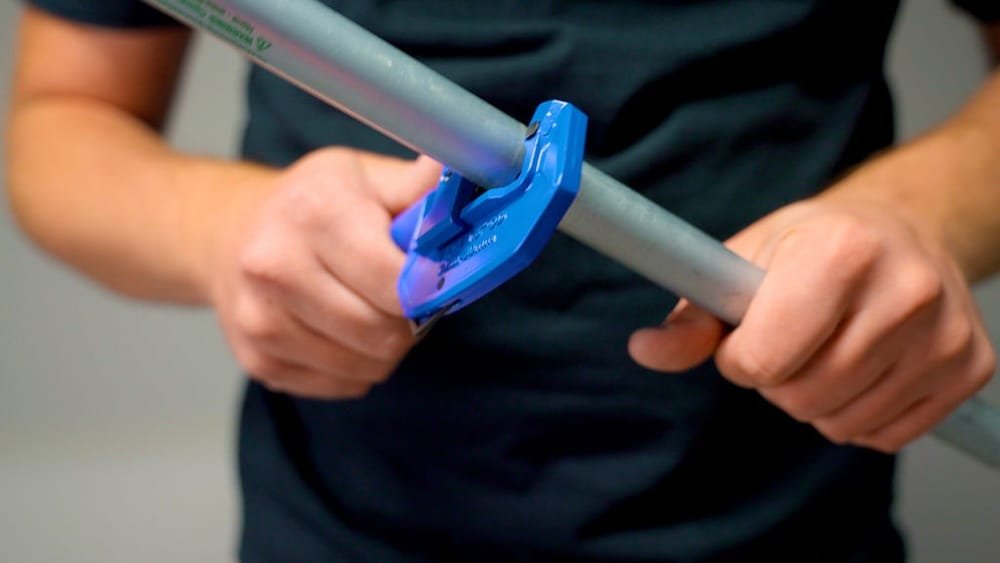
When I first started doing electrical work, I often wondered about the best way to cut EMT (Electrical Metallic Tubing). Maybe you’ve found yourself staring at a piece of conduit, holding a pipe cutter in one hand, and thinking, “Will this actually work?” I’ve been there too. Over the years, I’ve tried different methods and learned a lot—sometimes the hard way. Let me walk you through what I discovered about using a pipe cutter for EMT, what works, what doesn’t, and what you really need to know before you start your next project.
What Is Emt And Why Cutting Matters
EMT, or Electrical Metallic Tubing, is a type of thin-walled metal pipe. Electricians use it to protect and route wires in homes and buildings. It’s made from galvanized steel or aluminum. The thickness is just enough to shield wires, but not too heavy to handle.
Cutting EMT is a basic task, but doing it wrong can lead to sharp edges, poor fit, or even electrical hazards. When I started, I thought any tool would work for cutting. I soon realized that picking the right tool makes a big difference in both safety and speed.
Can You Use A Pipe Cutter On Emt?
Here’s the short answer: Yes, you can cut EMT with a pipe cutter—but it depends on the type of pipe cutter and how you use it.
My first attempt was with a small pipe cutter meant for copper pipes. It fit around the EMT, so I gave it a try. The tool scored the surface, but after a few turns, it started getting stuck. The cut wasn’t clean, and the tubing squished a bit. I learned quickly: not all pipe cutters are the same, and not all are designed for EMT.
How Pipe Cutters Work
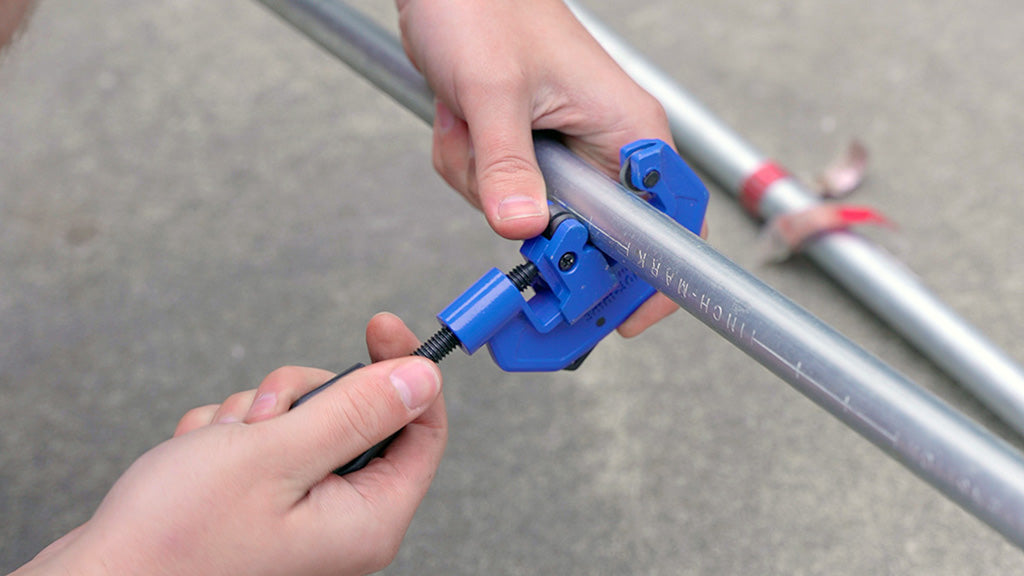
A basic pipe cutter has a sharp cutting wheel and two rollers. You clamp it around the pipe, tighten the knob, and spin the tool around. Each spin cuts a little deeper until the pipe snaps. This works great for softer metals like copper.
But EMT is harder. Standard pipe cutters can struggle, especially with larger sizes.
Types Of Pipe Cutters For Emt
From my experience, there are a few types of pipe cutters people try to use on EMT. Here’s a breakdown:
| Type of Pipe Cutter | Best For | Common Problems with EMT |
|---|---|---|
| Standard Copper Pipe Cutter | Copper, thin aluminum | Hard to turn, squishes EMT, dulls quickly |
| Heavy-Duty Pipe Cutter | Steel, thick pipes | Works better, but still slow and can crush tubing |
| EMT-Specific Conduit Cutter | EMT, rigid conduit | Best option for clean cuts |
I found that using a conduit cutter designed for EMT gave the best results. These have a stronger frame and a sharper wheel. They don’t deform the pipe as easily and leave a smoother edge.
Comparing Pipe Cutter To Other Tools
You might wonder if you really need a pipe cutter at all. I’ve cut EMT with hacksaws, power tools, and even angle grinders. Each has pros and cons.
| Tool | Speed | Cut Quality | Safety | Noise |
|---|---|---|---|---|
| Pipe Cutter | Medium | Clean, round | Safe | Quiet |
| Hacksaw | Slow | Rough, uneven | Safe if careful | Low |
| Angle Grinder | Fast | Can be rough | Risky | Loud |
For most home jobs, I reach for a pipe cutter if I want a straight, professional cut. When speed matters, or if I have a lot of conduit to cut, I might use a power tool. But for beginners, a manual pipe cutter is a good starting point.
Step-by-step: How I Cut Emt With A Pipe Cutter
Let me walk you through how I do it. It’s not hard, but a few small tricks can make it much easier.
- Mark your cut. Use a marker or pencil to make a clear line where you want to cut. A wrap-around square or even a piece of tape helps keep the line straight.
- Clamp the cutter. Place the pipe cutter wheel on your line, tighten just enough to hold it, but not too much. Overtightening can crush the pipe.
- Rotate and tighten. Spin the cutter around the pipe. After each full turn, tighten the knob a little more. Patience is key—don’t rush.
- Finish the cut. Keep turning and tightening until the pipe snaps. You’ll feel it loosen.
- Deburr the edge. EMT cuts often leave a sharp burr inside. I use a deburring tool or even a round file to smooth it out. This step is very important—burrs can damage wires.
I remember skipping the deburring step once. When I pulled wires, the insulation got sliced, which could have caused a short. Now I always take the extra minute to clean up the edge.
Common Mistakes People Make
Looking back, I made some classic mistakes. If you want to avoid frustration, keep these in mind:
- Using the wrong cutter. Not all pipe cutters are strong enough for EMT. Get one rated for steel.
- Tightening too much. If you crank the tool too hard, the pipe will flatten and the cut will be messy.
- Not deburring. Skipping this makes pulling wires hard and dangerous.
- Rushing the cut. Turning too fast or tightening too quickly can damage both the tool and the conduit.
I also once tried to cut EMT while it was hanging in the air. It spun around and was hard to control. It’s much easier if you support the pipe on a workbench or sawhorses.

When A Pipe Cutter Is Not The Best Choice
I love using a pipe cutter for EMT, but it’s not always the right tool. Here are some cases where I reach for something else:
- Large conduit sizes. For anything over 1 inch, pipe cutters get tough to use. I switch to a reciprocating saw or an angle grinder.
- If I need speed. On big jobs, power tools save time.
- Old or rusty EMT. If the pipe is corroded, the cutter wheel can slip or wear out fast.
In these cases, a hacksaw or power tool might work better. But for most new, small-diameter EMT, a good cutter is simple and safe.
How To Choose A Good Pipe Cutter For Emt
If you’re shopping for a pipe cutter, here’s what I look for:
- Durable build. Steel or heavy-duty aluminum body.
- Replaceable cutting wheel. Wheels get dull after a lot of use.
- Comfortable grip. Your hands will thank you.
- EMT rating. Look for tools marked for steel or conduit.
- Built-in deburring tool. Some have a little blade for cleaning edges.
The first time I bought a cheap, plastic cutter, it broke after a few cuts. Spending a bit more for a quality tool saves money (and headaches) in the long run.

Real-life Example: My First Electrical Project
On my first big electrical project, I had to run new wires in my garage. I bought a standard copper pipe cutter. It worked for the first few cuts, but then started to jam and flatten the EMT. My frustration grew.
A friend lent me his heavy-duty conduit cutter. The difference was amazing—smooth cuts, less effort, and the pipe stayed round. That project taught me to pick the right tool for the job.
Safety Tips I Learned Along The Way
Cutting EMT may seem harmless, but there are a few safety points I never skip:
- Wear gloves. Freshly cut metal edges are sharp.
- Wear eye protection. Tiny metal shavings can fly out.
- Secure the pipe. Don’t try to cut a wobbly pipe.
- Clean up burrs. Prevents injury and protects wire insulation.
One time, I didn’t wear gloves and got a nasty cut on my hand from a burr. I never skip gloves now.
Emt Cutting: What Beginners Often Miss
There are a couple of things I wish someone told me when I first started:
- The inside burr is worse than the outside. Even if the outside looks fine, always check and clean inside the pipe.
- Pipe cutters work better with patience. It’s tempting to tighten fast, but slow and steady makes a cleaner cut and saves your hands.
- A little oil helps. If the cutter is squeaking or sticking, a drop of oil on the wheel can make it smoother.
These small details make the job easier and safer.
Should You Buy A Pipe Cutter For Emt?
If you only need to cut a few pieces, a hacksaw will do the job. But if you plan to do more electrical work, a good EMT pipe cutter is a smart buy. It’s safer, gives a professional finish, and makes the whole process less stressful.
For those who want to see tool ratings and more, check out this pipe cutter review guide for more info.
Frequently Asked Questions
Can I Use A Copper Pipe Cutter For Emt?
You can try, but copper pipe cutters are usually not strong enough for EMT. They might crush the pipe or wear out quickly. A cutter made for EMT or steel works much better.
Is It Safe To Cut Emt With A Hacksaw?
Yes, it’s safe if you clamp the pipe and go slowly. But hacksaw cuts are often rough and may leave sharp edges. Always deburr the ends to avoid damaging wires.
Do I Have To Deburr Emt After Cutting?
Absolutely. Burrs inside the pipe can slice wire insulation and cause shorts. Use a deburring tool, round file, or even sandpaper to smooth the edge.
What Size Pipe Cutter Do I Need For Emt?
Most residential EMT is 1/2 inch or 3/4 inch. Make sure your cutter can handle these sizes. For larger conduit, look for a heavy-duty cutter rated for steel.
Can I Use An Angle Grinder Instead Of A Pipe Cutter?
An angle grinder works and is fast, but it’s noisy, can be dangerous, and often leaves a rough edge. If you use one, always wear safety gear and deburr the cut.
Cutting EMT isn’t hard when you know what works. Using the right pipe cutter saves time, reduces mistakes, and helps your project turn out just right. From my own projects, I can tell you: it’s worth investing in the proper tool and taking the extra minute to do it safely. That’s the best way to get a clean, professional result—every single time.
As an Amazon Associate, We earn from qualifying purchases