
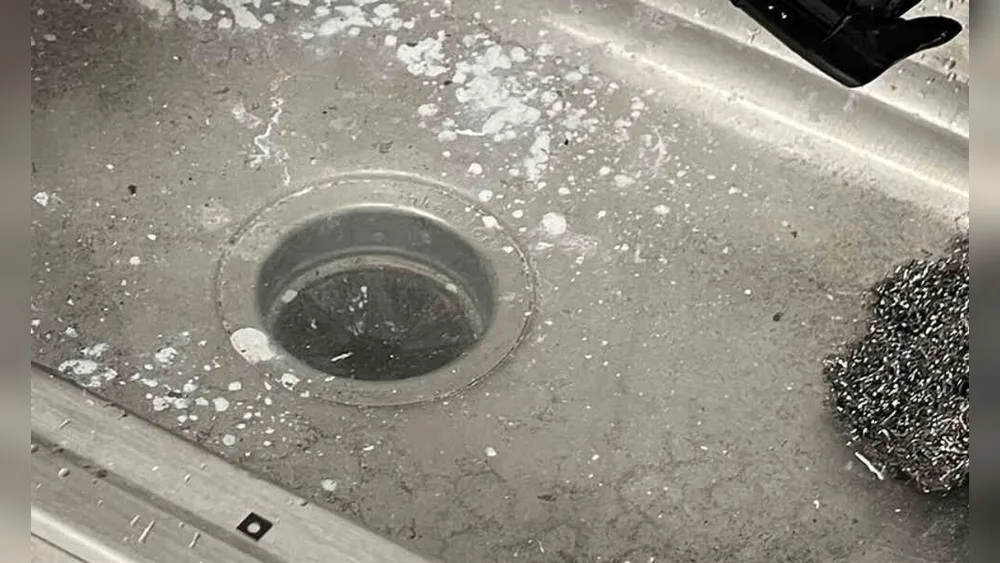
Snaking a 90-degree drain can feel scary the first time. I know because I’ve been there, staring down at a stubborn clog under my kitchen sink. At first, I worried I’d break something or make the problem worse. But over the years, I learned that with the right steps and a little patience, anyone can clear a 90-degree drain bend.
Let me walk you through everything I’ve learned, so you can do it yourself and save money on plumbers.
Why 90 Degree Drains Clog So Easily
Every home has drains with sharp bends. The most common is the 90-degree drain under a sink or tub. Water and waste try to move past this sharp corner, but food bits, hair, grease, and even soap often get stuck. These bends slow things down, making clogs more likely. Sometimes you’ll notice a slow drain, a bad smell, or even water backing up.
One thing I learned early on: regular drains rarely clog at straight sections. It’s the bends that trap stuff. That’s why knowing how to snake a 90-degree drain is so useful.
What Tools You Need Before You Start
You don’t need a lot of expensive gear. In fact, I started with just a simple hand snake. Here’s what I always gather before I start:
- Drain snake (also called a plumber’s auger)
- Work gloves
- Bucket
- Old towels or rags
- Flashlight
- Adjustable wrench (for metal traps)
- Safety glasses
- Cleaning brush
- Baking soda and vinegar (optional)
- Plunger (sometimes helps before snaking)
For 90-degree bends, I use a snake with a flexible tip. Rigid ones often get stuck.

Choosing The Right Drain Snake
Picking the right snake can make all the difference. My first mistake was buying a stiff, cheap snake. It got stuck at the bend and didn’t help. Here’s how to pick a good one:
- Length: For sinks, 15-25 feet is enough. For bigger drains, go longer.
- Flexibility: Make sure it can bend easily. Test it in your hand before buying.
- Manual vs. Power: Manual snakes are safer for beginners. Power snakes are faster but can damage pipes if you’re not careful.
Most home clogs in a 90-degree bend need only a manual, flexible snake.
Safety Steps Before You Start
Don’t rush in! I once forgot gloves and ended up with a nasty scratch. These quick steps make things safer:
- Put on gloves and safety glasses.
- Place a bucket under the drain trap.
- Lay old towels around to catch drips.
- Turn off water to the area if possible.
Taking time here means less mess later.
How To Access The 90 Degree Drain
Not all drains give you easy access to the bend. Here’s what I do:
- For sinks: Remove the P-trap (the U-shaped pipe). Use your hands or an adjustable wrench.
- For tubs: Look for a cleanout plug or remove the overflow plate.
- For floor drains: There’s often a cap you can unscrew.
I learned that removing the trap is usually best. Trying to snake through the drain hole can be messy and less effective.
Step-by-step: Snaking The 90 Degree Bend
Here’s the part most people worry about. I’ll break it down into simple steps, just as I do it myself.
1. Feed The Snake Slowly
Start by pushing the snake’s tip into the open drain or pipe. Go slowly. When you feel resistance, don’t force it. That’s probably your 90-degree bend.
2. Twist And Push Gently
Once you hit the bend, twist the handle while gently pushing. The twisting helps the snake “turn the corner. ” Sometimes I wiggle it side to side if it gets stuck.
3. Listen And Feel
You’ll feel a difference when you pass the bend. The snake moves more freely. If it stays stuck, pull back a little, then try again. Patience helps a lot here.
4. Break Up The Clog
When you reach the clog, keep twisting and pushing gently. Sometimes you’ll hear a “pop” as the clog breaks. Pull the snake back a bit and push again. I repeat this a few times.
5. Pull Out The Gunk
Slowly pull the snake out, wiping off debris as you go. Have your bucket ready for the mess. The first time I did this, I was shocked by what came out!
6. Flush With Hot Water
Once you’re done, run hot water for a few minutes. This clears out loose bits. I sometimes add a little baking soda and vinegar for extra cleaning.
7. Reassemble And Test
Put the trap or drain cover back, tighten everything, and test for leaks. If you see drips, tighten more.
What To Do If The Snake Gets Stuck
This happened to me once, and I panicked. Here’s what I learned:
- Don’t yank hard. Gently twist and pull back.
- Try feeding more snake forward, then pull back.
- If it’s really stuck, remove the trap or pipe section if possible.
Most times, patience gets the snake out. Forcing it is a mistake.
Cleaning Up After Snaking
This part is easy to skip, but it matters. I always:
- Wipe down tools with disinfectant.
- Wash hands well.
- Dispose of gunk in the trash (not down the drain).
- Rinse the area with hot water and soap.
How To Keep Your 90 Degree Drain Clear
After snaking, you want to avoid future clogs. Here’s what works for me:
- Don’t pour grease down the sink.
- Use a drain strainer to catch hair and food.
- Run hot water after heavy use.
- Every month, flush with baking soda and vinegar.
These small habits really prevent most clogs.
Common Mistakes I Made (so You Don’t Have To)
I wish someone had told me these things earlier:
- Forcing the snake usually bends or breaks it.
- Using a stiff snake in a tight bend is a recipe for trouble.
- Skipping gloves means smelly hands and possible cuts.
- Not checking for leaks after reassembly can mean a wet cabinet later.
- Ignoring the “pop” sound and over-pushing can damage pipes.
Learning from mistakes saves time and money.
Signs You Need A Plumber
Sometimes, snaking isn’t enough. Here’s when I call a pro:
- Water still drains slowly after snaking.
- There’s a foul smell that won’t go away.
- Pipes make gurgling noises.
- You can’t remove the trap or access the bend.
Don’t be afraid to ask for help. A plumber has tools like a camera to check deep inside pipes.
Real-life Example: Clearing My Kitchen Sink
Last spring, my kitchen sink clogged. Water wouldn’t drain at all. I removed the P-trap and found a wad of food at the 90-degree bend. My flexible snake hit the clog fast. After twisting and pushing, I felt a “give.
” I pulled out a mess of old pasta and grease. Hot water cleared the rest. The whole job took 30 minutes and saved me $100.
Comparing Drain Snakes: Manual Vs. Power
If you’re not sure which snake to buy, here’s a quick comparison I made after years of trying both.
| Feature | Manual Snake | Power Snake |
|---|---|---|
| Cost | Low ($10-$40) | High ($70+) |
| Best For | Small clogs, beginners | Big clogs, long pipes |
| Risk of Pipe Damage | Low | Medium to High |
| Ease of Use | Easy | Needs practice |
For most 90-degree bends, I still use a manual, flexible snake.
What To Do When A Clog Won’t Budge
Sometimes, the snake won’t get through. Here’s what I try:
- Remove more pipe if you can.
- Use a smaller, more flexible snake.
- Try a plunger after snaking to loosen things.
- Flush with baking soda and vinegar.
If it still won’t move, call a plumber. It could be a deeper problem.
How 90 Degree Bends Compare To Straight Pipes
I’ve noticed 90-degree bends clog more often than straight pipes. Here’s a quick table to show the difference.
| Feature | 90-Degree Bend | Straight Pipe |
|---|---|---|
| Clog Frequency | High | Low |
| Ease of Snaking | Harder | Easier |
| Tools Needed | Flexible snake | Any snake |
That’s why I always check bends first when there’s a clog.
My Top 5 Tips For Snaking Success
Over time, I picked up some tricks:
- Go slow. Rushing breaks things.
- Use a flashlight to see inside.
- Have a helper nearby for tough clogs.
- Clean the area well afterward.
- Test for leaks before finishing.
These simple steps made my jobs smoother and less stressful.
What Most People Miss About 90 Degree Drains
Two things I wish I’d known:
- Even a small bit of grease can build up over months and cause a big clog in a bend.
- Old pipes sometimes shift, making bends even tighter. If your snake won’t go through, it’s not always your fault.
Knowing this made me less frustrated when things didn’t work right away.
Safe Alternatives To Chemical Drain Cleaners
I avoid harsh chemicals. They can damage pipes and harm the environment. Instead, I use:
- Baking soda and vinegar: Pour 1 cup of baking soda, then 1 cup of vinegar. Wait 30 minutes, then flush with hot water.
- Hot water flushes: After big meals or showers.
These methods are safer and keep pipes healthy.
When To Replace Old Pipes
During one stubborn clog, I found my pipes were rusted and thin. If you see:
- Rust flakes
- Leaks after snaking
- Lots of clogs in a short time
It may be time to call a plumber for an inspection. Replacing old pipes stops future headaches.
How Snaking Saved Me Money
After a few DIY jobs, I realized I’d saved hundreds of dollars. Plumbers charge $80–$200 for simple clogs. My snake cost $25 and lasted years. Plus, I felt proud fixing things myself.
Why Flexibility Matters In A Snake
Stiff snakes don’t turn corners well. Once, I got a metal coil stuck and had to cut it out. Now, I always choose a flexible, coiled snake. It bends with the pipe and does the job.
The Importance Of Testing After You Finish
Don’t forget to run water for a few minutes after snaking. Once, I thought the job was done but missed a slow leak. Testing catches problems early.
Why 90 Degree Drains Are Here To Stay
Most homes use 90-degree bends because they save space. Until plumbing changes, knowing how to snake these bends is a skill worth learning.
Comparing Diy And Hiring A Plumber
Here’s a quick look at costs and results.
| Method | Cost | Success Rate | Time Needed |
|---|---|---|---|
| DIY Snaking | $10-$40 | 80% | 30-60 minutes |
| Plumber | $80-$200 | 99% | 1-2 hours (plus waiting) |
I do it myself unless things get really tough.

Frequently Asked Questions
How Often Should I Snake My 90-degree Drain?
If your drain works well, there’s no need to snake it regularly. I snake mine only when it’s slow or clogged. Preventative cleaning (like hot water and baking soda) every month helps avoid problems.
Can I Damage My Pipes By Snaking?
Yes, if you force the snake or use a power tool carelessly. I always go slow and use a flexible snake. Old pipes are weaker, so be extra gentle there.
Are Chemical Cleaners Safe For 90-degree Bends?
I avoid them. Chemicals can damage both metal and plastic pipes, especially at bends. They also don’t remove solid clogs well. I stick to mechanical snaking and natural cleaners.
What If I Can’t Get Past The 90-degree Bend?
Try a smaller, more flexible snake. If it still won’t go, the bend may be too sharp, or the clog is too big. At this point, I call a plumber to avoid damaging the pipes.
Where Can I Find More Information About Safe Plumbing Practices?
For more in-depth plumbing tips, you can check resources like the Family Handyman guide on using drain snakes.
Clearing a 90-degree drain bend isn’t always fun, but it’s a skill anyone can learn. I hope sharing my story and tips helps you tackle your next clog with confidence. You’ll be surprised how good it feels to fix things yourself!
As an Amazon Associate, We earn from qualifying purchases