
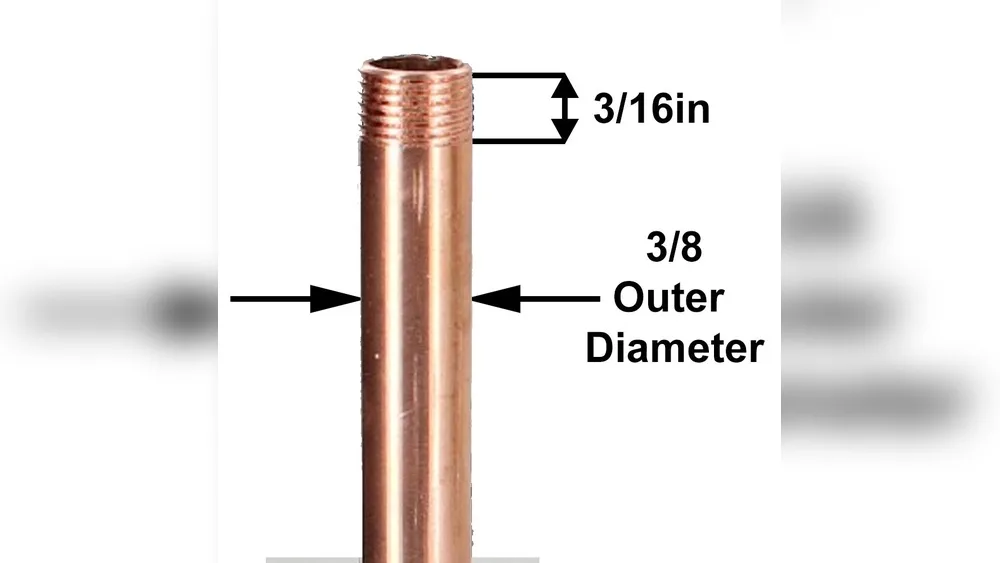
Can Copper Pipe Be Threaded? My Experience and What You Should Know
I remember the first time I tried to connect copper pipes in my house. I had a leaky joint, and a neighbor told me, “Just thread the copper pipe and add a fitting!” That sounded easy. But once I started, I realized it wasn’t as simple as threading steel or iron pipes. If you’re wondering if copper pipe can be threaded, let me share what I’ve learned through my own hands-on work and a lot of research.
Why People Want To Thread Copper Pipe
When you look at plumbing in homes, you’ll see lots of threaded pipes—especially with galvanized steel or brass. Threading lets you screw pipes together. It’s solid, easy to take apart, and reliable. So it’s normal to ask, “Can I do that with copper too?”
Many people think threading copper would make repairs easier. You could use threaded adapters and standard fittings. I thought that too. But copper has some differences you need to know before you grab a pipe threader.
How Threading Works For Pipes
Let’s break down what threading means. When you thread a pipe, you cut grooves (called threads) on the end. These grooves allow you to screw the pipe into a fitting or another pipe.
Threaded connections are common with:
- Steel pipes (like black iron or galvanized)
- Brass pipes
- Some plastic pipes (like PVC or CPVC, with special fittings)
But copper? That’s where things get interesting.
Copper Pipe: The Basics
Copper pipe is everywhere in plumbing because it’s corrosion-resistant, light, and easy to work with. There are two main types I’ve worked with:
- Rigid copper pipe (Type M, L, and K): Used for water lines. Comes in straight lengths.
- Flexible copper tubing (soft coil): Used for things like ice makers and gas lines.
Most copper pipe in homes is Type L (blue label) or Type M (red label). These come in 1/2 inch and 3/4 inch sizes most often.
Can You Thread Copper Pipe?
Here’s the short answer: You should not thread copper pipe like you do steel or brass. I found this out the hard way.
When I tried to use a pipe threader on 1/2 inch Type L copper, the pipe crushed and deformed. The threads were weak, and I could bend the end with my fingers. After reading up more and talking to a plumber friend, I learned why.
Why Threading Copper Pipe Is A Bad Idea
- Copper is soft: It’s much softer than steel. When you try to cut threads, the pipe gets thin and loses strength.
- Wall thickness is too small: Most copper pipes (especially Type M and L) don’t have enough wall thickness to hold good threads.
- Leaking risk: Threads on copper pipe often leak, even with sealant. The threads can get stripped or broken easily.
I also found out that building codes in most places don’t allow threading copper pipe for pressure systems. The reason? It’s just not safe or reliable.
The One Exception: Special Thick-walled Copper
There is a rare exception. Some industrial applications use thick-walled copper pipe (Type K, sometimes called “threaded copper”). This pipe is much thicker, and you can cut threads on it. But it’s expensive, hard to find, and not used in typical house plumbing.
Even then, most pros use special threaded adapters, not threads cut directly into the pipe.
How Copper Pipes Are Usually Joined
If you can’t thread copper, what do you do? Here are the main ways I’ve joined copper pipes in my own repairs:
1. Soldering (sweating)
This is the classic way. You clean the pipe, add flux, heat it with a torch, and melt solder into the joint. This makes a strong, leak-free connection.
2. Compression Fittings
These have a metal ring (ferrule) that gets squeezed as you tighten the nut. No heat needed. Good for quick repairs or tight spots.
3. Push-fit Fittings
Brands like SharkBite make push-on fittings. You just push the pipe into the fitting and it locks. Super easy, no tools needed.
4. Flare Fittings
For flexible copper tubing, flare fittings are common. You use a special tool to flare the end of the pipe, then screw on a nut.
5. Press Fittings
These use a special tool to press the fitting onto the pipe. Fast and reliable, but the tools can be pricey.
Threaded Adapters: How To Connect Copper To Threaded Fittings
Sometimes you need to join copper to a threaded pipe—maybe connecting to a water heater or valve. In those cases, I always use a threaded adapter.
- One end is smooth for soldering or push-fit
- The other end is threaded (male or female)
This lets you safely join copper to threaded pipes, with no risk of leaks or weak joints.
Data Table: Copper Pipe Types And Threading Suitability
Here’s a quick look at the most common copper pipe types and whether they can be threaded:
| Pipe Type | Wall Thickness | Common Use | Threading Allowed? |
|---|---|---|---|
| Type M | Thin | Residential water lines | No |
| Type L | Medium | Residential, commercial | No |
| Type K | Thick | Underground, high pressure | Rarely, with caution |
| Flexible copper | Thin | Appliances, gas lines | No |
Why Threaded Copper Pipe Is Not Common In Homes
I used to wonder, “If threaded pipe is so handy, why don’t plumbers use it for copper?” Here’s what I found from my own projects and talking to pros:
- Soldered joints are stronger: A well-soldered joint can last 50+ years. Threads in copper can fail much sooner.
- Less chance of leaks: Soldered or pressed copper joints are less likely to leak under pressure.
- Faster and easier: Soldering or using push-fit takes less time than carefully threading pipe.
Real-world Example
A friend of mine tried to save money by threading his own copper pipes for a backyard sink. After a few weeks, the joints started to drip. He had to cut everything out and switch to soldered adapters. That cost more in the end.
Comparison: Threaded Vs. Soldered Copper Connections
To make it clear, here’s a side-by-side comparison of threaded and soldered copper joints:
| Feature | Threaded Copper | Soldered Copper |
|---|---|---|
| Strength | Poor | Excellent |
| Leak Risk | High | Low |
| DIY Friendly | No | Yes (with practice) |
| Building Code Approved | Rarely | Yes |
| Common in Homes | No | Yes |
Two Insights Most Beginners Miss
When I started, I missed a few key points about copper pipe:
- Threads weaken the pipe: When you cut threads, you remove a lot of metal. This makes the pipe much weaker, especially with thin-walled copper.
- Most copper leaks at threads: Even a perfect-looking thread can leak on copper, because the seal is not tight enough. That’s why pro plumbers avoid this method.
If you want reliable plumbing that lasts, it’s best to use standard joining methods—never threading.
What If You Really Need Threads?
Let’s say you have to connect to a threaded fitting. Here’s what I do:
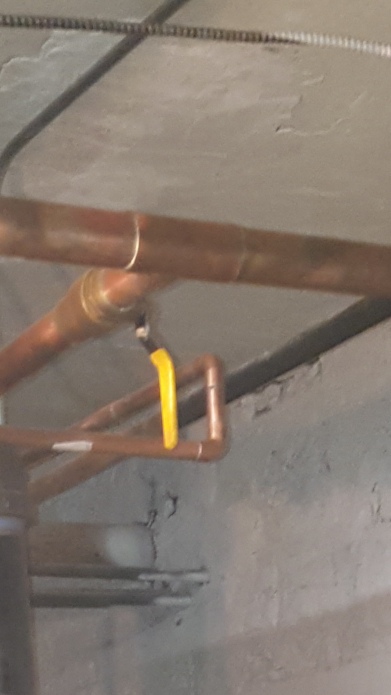
- Use a copper threaded adapter. Solder or press-fit the adapter onto the copper, and screw the other end to your threaded fitting.
- If you’re using flexible copper, use a flare fitting with a threaded nut.
- Always check your local building code. Many places require approved adapters for copper-to-threaded connections.

Tips For Working With Copper Pipe
I’ve picked up a few tips that make working with copper much easier:
- Cut the pipe cleanly: Use a pipe cutter, not a hacksaw. This gives a smooth end for joining.
- Deburr the inside: After cutting, use a deburring tool or a round file. This removes sharp edges that can damage fittings.
- Clean the pipe and fittings: Use an emery cloth or wire brush. Clean surfaces make stronger joints.
- Don’t overheat: If soldering, too much heat can damage the pipe or fitting.
- Check for leaks: Always test your work with water pressure before closing up walls.
Real Costs: Mistakes Can Get Expensive
Once, I tried to “save time” by using a threaded connection on a copper pipe behind a wall. After a year, I found a slow leak had ruined the drywall. My lesson? Take the extra time to use the right joining method.
It will save you money and stress later.
Building Code And Professional Standards
If you check the International Plumbing Code or the Uniform Plumbing Code, you’ll see that threading copper is not allowed for most water supply pipes. Inspectors will fail work that uses threaded copper pipe, except for special cases with approved adapters.
For more technical details, you can check the Copper Tubing Wikipedia page.
Frequently Asked Questions
What Happens If I Try To Thread Regular Copper Pipe?
Most likely, the pipe will crush or deform. The threads will be weak and may leak. It’s not safe or up to code for water supply lines.
Are There Any Copper Pipes That Can Be Threaded?
Only extra-thick copper pipes (Type K) are sometimes threaded, and even then, it’s rare. Most home plumbing uses thinner pipe that should not be threaded.

How Do I Connect Copper Pipe To A Threaded Fitting?
Use a threaded adapter. Solder or press-fit the adapter to the copper, then screw into the threaded fitting. This is safe and code-approved.
Can I Use Teflon Tape Or Pipe Dope On Copper Threads?
Even with Teflon tape or pipe dope, threads on copper pipe are likely to leak. The best way is to use proper adapters, not direct threads.
What Joining Method Should I Use For Copper Pipe?
For most plumbing, soldering (sweating), compression fittings, or push-fit fittings are best. Threaded connections should only be made with adapters.
Wrapping Up
From my own experience, I can say that threading copper pipe is not worth the trouble. The pipe is too soft, the threads are weak, and leaks are almost certain. If you need to join copper to a threaded pipe, always use a proper adapter. Take your time, use the right tools, and you’ll have plumbing that lasts for decades. If you’re ever unsure, check your local codes or talk to a licensed plumber. It’s better to ask now than fix a leak later!
As an Amazon Associate, We earn from qualifying purchases