
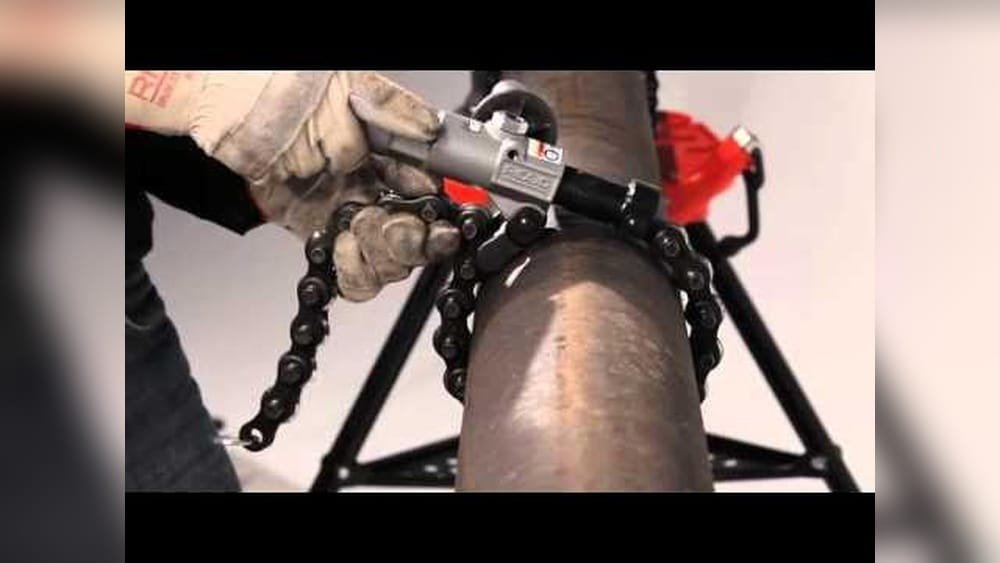
If you’ve ever needed to cut a pipe cleanly in a tight spot, you know it isn’t easy. I’ve struggled with hacksaws, angle grinders, and all sorts of tools, but nothing quite compares to using a chain pipe cutter. The first time I tried one, I was amazed by how simple and fast it made the job. If you’re new to this tool or just want better results, let me walk you through what I’ve learned—so you can avoid my early mistakes and get a perfect cut every time.
What Is A Chain Pipe Cutter?
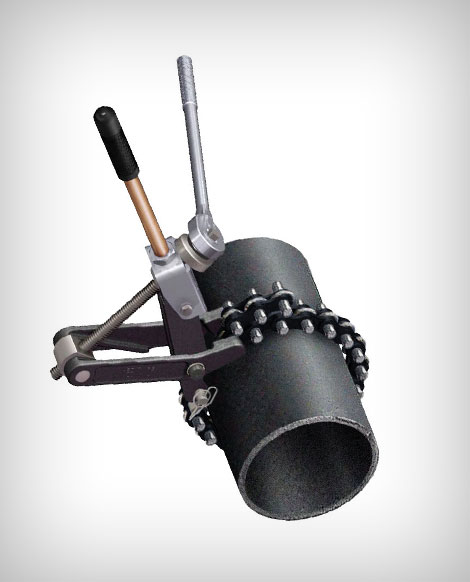
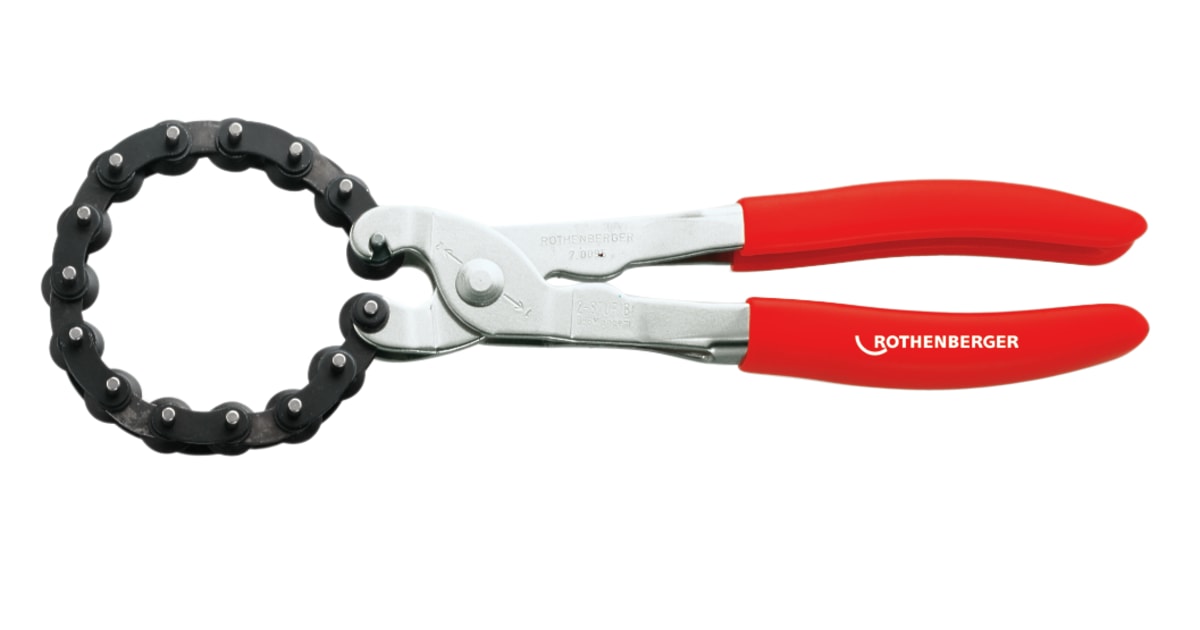
A chain pipe cutter is a tool designed to cut pipes cleanly and quickly, especially when there’s not much space. It uses a chain made of small cutting wheels, which wraps around the pipe. As you tighten the handle, the wheels press into the pipe and slice through, giving you a neat and even cut.
I first saw this tool when working on an old house with tight plumbing. Traditional cutters couldn’t fit, but the chain cutter slipped right in. It’s great for cast iron, clay, and some types of steel pipes, and you’ll often see plumbers use it in the field.
Why Use A Chain Pipe Cutter?
Before I explain the steps, let’s talk about why you’d pick a chain pipe cutter over other tools. Here’s what I’ve found from personal use:
- Tight Spaces: Many times, pipes run behind walls or close to floors. A hacksaw just won’t fit.
- Clean Cuts: Chain cutters make a smooth, even line. This is important for plumbing—no more crooked, jagged ends.
- Speed: Once you get the hang of it, you can cut a pipe in under a minute.
- Less Mess: No flying sparks or metal shavings like with grinders.
Honestly, after a few jobs, I stopped reaching for my old saw. The chain cutter just made life easier.
Types Of Chain Pipe Cutters
It’s good to know there are a few styles. Here’s a quick overview based on what I’ve used:
| Type | Best For | Pipe Size Range | Notes |
|---|---|---|---|
| Manual Chain Cutter | General plumbing, home repair | 1–6 inches | Most common for DIY and small jobs |
| Ratchet Chain Cutter | Heavy-duty, thick pipes | 2–12 inches | Uses a ratcheting handle for more force |
| Hydraulic Chain Cutter | Industrial, large-scale work | 4–24 inches | Needs hydraulic pump; rare for home use |
For most household jobs, a manual or ratchet type will do just fine. I bought a manual chain cutter for my first plumbing project, and it handled cast iron pipes with no problem.
Essential Safety Tips
Let me be honest—I once cut myself when I was in a rush. Take safety seriously. Here’s what I do before every cut:
- Wear gloves. The cutting wheels are sharp, and the chain can pinch your skin.
- Wear eye protection. Even though there are no sparks, small pieces of pipe can break off.
- Check your space. Make sure there’s nothing flammable or delicate nearby.
- Inspect the tool. A damaged chain can snap under pressure.
I learned the hard way that skipping safety steps can turn a quick job into a painful one.
Tools And Materials Needed
Here’s a quick checklist before you start:
- Chain pipe cutter (right size for your pipe)
- Measuring tape (for marking the cut)
- Permanent marker or chalk
- Work gloves
- Safety glasses
- Rag or cloth (to clean the pipe)
- File (to smooth rough edges after the cut)
It helps to lay everything out before you begin. I once spent twenty minutes hunting for my gloves mid-job—don’t make that mistake!
How To Use A Chain Pipe Cutter: Step-by-step
This is where I’ll share my full process. Follow these steps, and you’ll get a perfect cut every time.
1. Measure And Mark The Pipe
First, decide exactly where you need the cut. Use a measuring tape and mark the spot all the way around the pipe. I like to use a permanent marker because chalk can rub off. Take your time—an uneven mark will give you a crooked cut.
2. Clean The Pipe Surface
Wipe down the pipe with a rag. Dirt or grease can make the chain slip. Trust me, a clean pipe is much easier to work with, and your cutter will last longer.
3. Fit The Chain Around The Pipe
Open the chain pipe cutter and wrap the chain around the pipe, lining it up with your mark. Make sure the cutting wheels sit right on the line. I check twice because it’s easy for the chain to shift when you first close it.
4. Tighten The Chain
Start tightening the handle. You’ll feel the chain grip onto the pipe. Don’t over-tighten—just enough so the wheels dig in a bit. If you force it, you might break the tool or dent the pipe.
5. Rock The Cutter Back And Forth
This is the trickiest part. Hold the handles and gently rock the cutter back and forth. Each time you rock it, tighten the handle a little more. The wheels will bite into the pipe as you go.
What I learned: If you try to rush and squeeze too hard at once, you might crack the pipe instead of cutting it. Slow and steady wins here.
6. Complete The Cut
After a few rounds, you’ll feel the cutter break through. The pipe should snap off cleanly with a satisfying “pop. ” If it looks rough, don’t worry—we’ll fix that in the next step.
7. Smooth The Edges
Use a metal file to smooth any sharp edges. This is a step many people skip, but it makes a big difference. Rough edges can cut your hands or damage fittings later.
8. Clean Up
Wipe down your tools and put them away. I always double-check that no bits of metal are left behind, especially if I’m working indoors.
Real-world Example: Cutting Cast Iron Pipes
Last year, I helped a friend replace a section of old cast iron drain pipe in his basement. The space was tight—less than six inches of clearance from the wall. A saw wouldn’t fit. We wrapped the chain cutter around the pipe, lined it up, and after a few gentle squeezes, the pipe snapped off with a clean edge.
The whole process took under five minutes. My friend was amazed. If we’d tried using a saw, it would have taken ages and made a mess.
Common Mistakes And How To Avoid Them
I’ve made my share of errors. Here are the top mistakes beginners make, and how you can avoid them:
- Not marking the pipe all the way around. This leads to uneven cuts. Always draw a complete line.
- Skipping the cleaning step. Dirt and grease make the chain slip.
- Over-tightening the chain too fast. Go slow; let the wheels do the work.
- Using the wrong size cutter. Too small or too large makes the job harder.
- Not smoothing the edges. Sharp edges are dangerous and cause leaks.
If you remember these, you’ll save time and avoid frustration.
Chain Pipe Cutter Vs Other Pipe Cutting Tools
Many people ask me, “Why not just use a hacksaw or angle grinder?” Here’s a comparison based on my own experience:
| Tool | Best For | Cut Quality | Ease of Use | Safety |
|---|---|---|---|---|
| Chain Pipe Cutter | Cast iron, clay, tight spaces | Very clean | High (after practice) | Safe with gloves |
| Hacksaw | Plastic, soft metals, open space | Rough, uneven | Medium | Low (blades can slip) |
| Angle Grinder | Steel, thick metal, open area | Clean but messy | Low (takes practice) | Risky (sparks, noise) |
For home plumbing, I almost always reach for the chain pipe cutter first.
How To Choose The Right Chain Pipe Cutter
When I first shopped for one, I was overwhelmed by all the options. Here’s how I make my choice now:
- Pipe material: Make sure your cutter is rated for cast iron, clay, or whatever you’re working on.
- Pipe size: Check the cutter’s size range. I measure my pipes before buying.
- Build quality: Look for sturdy chains and a comfortable handle.
- Replacement parts: Good brands sell replacement wheels and chains.
One thing I learned: Cheap cutters don’t last. My first cheap model broke after three cuts, so I invested in a mid-range brand, and it’s still going strong.
Maintenance Tips For Long Life
A well-kept chain pipe cutter will last years. Here’s my simple routine:
- Clean after each use. Wipe the chain and wheels with a cloth.
- Oil the moving parts. A drop of light oil keeps everything smooth.
- Store dry. Moisture causes rust. I keep mine in a toolbox with a silica gel pack.
- Inspect before use. Check for bent or broken wheels every time.
Doing these steps takes just a few minutes and saves you money in the long run.
Advanced Tips Most People Miss
I want to share two things I wish I’d known sooner:
- Warming the pipe in cold weather: When working outside in winter, metal pipes can get brittle. I use a heat gun to warm the spot before cutting. This reduces the risk of cracking.
- Double-checking alignment: Before tightening, I rotate the cutter once around the pipe to make sure the wheels are on the mark. This little habit improved my accuracy a lot.
Most tutorials skip these, but they’ve saved me from a few headaches.

When Not To Use A Chain Pipe Cutter
While I love this tool, it’s not perfect for every job. Here are times I look for another method:
- Very thin pipes: The chain can crush soft, thin-walled pipe instead of cutting.
- Plastic pipes: It can crack them. Use a plastic pipe cutter instead.
- Heavily corroded pipes: Sometimes, rust is so bad that the chain can’t grip. In those cases, I use a reciprocating saw.
Always match the tool to the job for the best results.
Where To Learn More
If you want more detailed specs and history, the Wikipedia page on pipe cutters has some good information. But nothing beats hands-on practice.
Frequently Asked Questions
How Tight Should I Make The Chain Pipe Cutter?
Tighten it until the wheels bite into the pipe, but don’t force it. You want firm pressure, not crushing. If you over-tighten, you can damage the pipe or the tool.
Can I Use A Chain Pipe Cutter On Pvc Or Plastic Pipes?
No. Chain pipe cutters are designed for metal and clay pipes. For PVC or plastic, use a dedicated plastic pipe cutter. Using a chain cutter may crack or crush the pipe.
What Size Pipes Can I Cut With A Chain Pipe Cutter?
Most manual cutters handle pipes from 1 to 6 inches. Ratchet and hydraulic types can cut larger pipes. Always check the tool’s specs before buying or using.
How Do I Know If The Cutting Wheels Need Replacing?
If you notice the tool is cutting slower, or the cut edges look rougher than usual, check the wheels. Dull or chipped wheels should be replaced right away for a clean cut.
Can One Person Use A Chain Pipe Cutter Alone?
Yes, most household jobs can be done solo. For very large pipes or awkward positions, a second pair of hands can help keep the tool steady.
Using a chain pipe cutter changed the way I work with pipes. With a little practice and care, you’ll find it’s one of the most useful tools in your box. If you’re ever in doubt, start slow and follow the steps above—you’ll be amazed how much easier pipe cutting can be.
As an Amazon Associate, We earn from qualifying purchases