
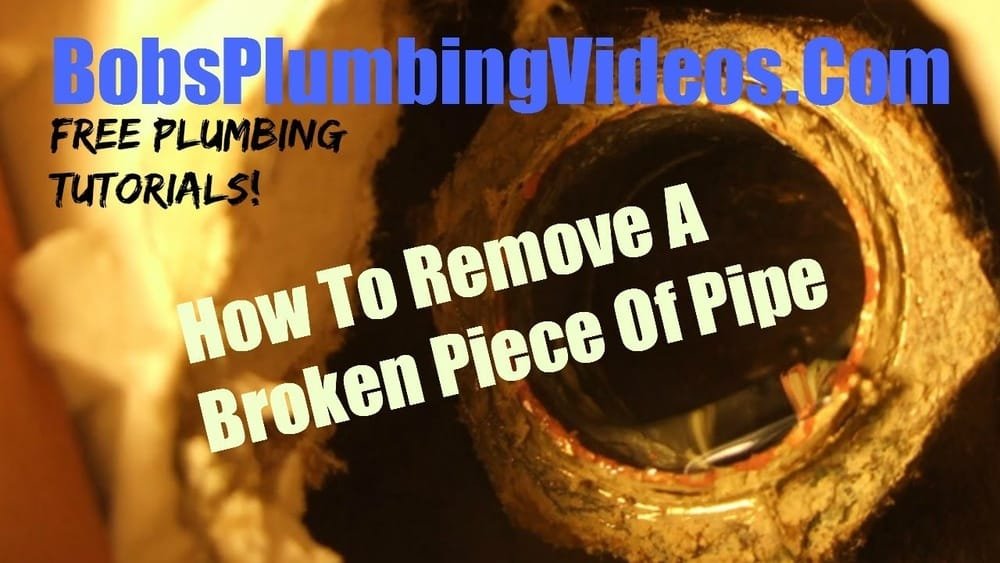
Removing a broken threaded pipe sounds scary, right? I remember the first time I faced it. Water was leaking from a rusty old pipe in my bathroom. I tried turning the pipe, but it snapped, leaving a jagged piece stuck deep inside the fitting.
My heart sank. I had no idea what to do next.
If you’re in the same situation, you’re not alone. I’ve learned that getting a broken threaded pipe out is possible, even for beginners. I want to share everything I know, step by step. I’ll walk you through the process, talk about tools, and share some mistakes I made (so you don’t have to).
Let’s get that stuck pipe out together.
Understanding Broken Threaded Pipes
When a threaded pipe breaks, the part with the threads often remains stuck inside the fitting. This can happen for a few reasons:
- The pipe is old and rusty.
- You used too much force when trying to remove it.
- The threads are corroded and weak.
In my case, it was all three! The biggest problem is that you can’t grip the stuck piece from the outside. You need special methods to get it out from the inside.
Removing a broken pipe is different than fixing a simple leak. If you do it wrong, you could damage the fitting. That would make the repair much harder (and more expensive). So, it’s important to follow the right steps.
Tools And Materials You’ll Need
The right tools make all the difference. Here are the basics I used, along with some extras that helped:
- Pipe wrench – For any loose pieces.
- Penetrating oil – Like WD-40, to loosen rust.
- Hammer – For tapping and loosening stuck threads.
- Chisel or punch – To help break the grip of the pipe.
- Reciprocating saw (optional) – For cutting bigger pipes.
- Hacksaw blade – For tight spaces.
- Internal pipe wrench (sometimes called a nipple extractor).
- Pipe extractor (easy-out tool) – For grabbing the inside of the pipe.
- Adjustable pliers.
- Safety gear – Gloves, goggles, and sometimes ear protection.
- Shop vacuum – To clear out debris.
I’ve learned that having extra tools nearby saves time. You might not use all of them, but it’s better to be ready.
Here’s a quick comparison of two common extraction tools I’ve used:
| Tool | Best For | Pros | Cons |
|---|---|---|---|
| Internal Pipe Wrench | Stubborn but not corroded pipes | Easy to use, less damage risk | Needs some pipe left inside |
| Pipe Extractor (Easy-Out) | Fully broken, rusted pipes | Works with little pipe left, strong grip | Can snap if over-torqued |

Safety First
Before you touch anything, turn off the water supply. I once forgot and got soaked—never again! If you’re dealing with gas pipes, call a professional. Gas is dangerous. Wear gloves and goggles. Metal shards can fly when you tap or cut the pipe.
Step-by-step Guide To Removing A Broken Threaded Pipe
I’ll break down the process I follow, with real tips I wish I knew earlier.
1. Clear The Area
First, I make space. Move anything that could get wet or dirty. Put down a towel or bucket to catch drips. Good lighting helps too. I use a flashlight or work lamp.
2. Clean And Inspect
Wipe away any dirt or rust so you can see the break. Use a shop vacuum to suck out metal bits. Spray penetrating oil on the pipe. Wait 10–20 minutes. This helps loosen rust and makes removal easier. I once skipped this, and it made my job much harder.
3. Try The Simple Twist
If some of the pipe is sticking out, grip it with a pipe wrench. Turn slowly, counterclockwise. If it moves, great! If it snaps again, you’ll need another method. Don’t force it—gentle pressure is key.
4. Use An Internal Pipe Wrench
This tool saved me once. It grips the inside of the broken pipe. Here’s how I do it:
- Insert the wrench into the pipe.
- Turn the handle to expand the grip.
- Twist counterclockwise to remove.
If it slips, try again. Sometimes adding more penetrating oil helps.
5. Pipe Extractor Method
If the internal wrench doesn’t work, I use a pipe extractor (easy-out tool):
- Tap the extractor into the pipe’s center.
- Attach a wrench to the extractor.
- Turn slowly counterclockwise.
These tools bite into the metal. Go slow—a fast turn can snap the tool. If it breaks, it’s even harder to get out.
6. Cutting And Chiseling
If the pipe is rusted solid, I use a hacksaw blade. Hold the blade with a cloth for a good grip. Saw a slot inside the pipe (just until you reach the fitting, not beyond). Make two cuts, about an inch apart.
Use a chisel and hammer to tap out the piece between the cuts.
Be gentle. If you damage the threads in the fitting, you’ll need to re-thread or replace it.
7. Tapping And Folding
Sometimes, after making a cut, I use a small hammer and flathead screwdriver to bend the pipe inward. This breaks the grip and helps pull out the piece. Patience is key—work slowly and don’t rush.
8. Clean The Threads
Once the broken pipe is out, clean the threads inside the fitting. I use a wire brush or small file. Remove all rust, old tape, or sealant. This step prevents leaks when you install the new pipe.
I also check for damage. If the threads are bad, you might need a thread chaser. These are special tools that reshape the threads.
Here’s a comparison of two cleaning tools I use:
| Tool | Best Use | Pros | Cons |
|---|---|---|---|
| Wire Brush | Light rust and debris | Cheap, easy to find | Not for heavy damage |
| Thread Chaser | Damaged or squashed threads | Restores threads, reusable | Costs more, needs care |
9. Test Fit A New Pipe
Before sealing everything up, screw in a new pipe by hand. If it goes in smoothly, you’re set. If not, check for leftover debris or thread damage. Don’t force a new pipe—it should fit snug but not be tight.
10. Seal And Reassemble
Wrap the new pipe’s threads with Teflon tape or use pipe joint compound. Don’t overdo it—a few wraps are enough. Install the new pipe and tighten gently.
Turn on the water and check for leaks. I always keep a towel handy for the first test.

Troubleshooting: What If It Won’t Come Out?
I’ve had pipes that just refused to budge. Here’s what I do:
- Apply more penetrating oil and wait longer.
- Use heat (a heat gun, not a torch) to expand the fitting slightly. Be careful—this can damage plastic or nearby wires.
- Try a different tool. Sometimes a different angle or grip works.
- If all else fails, I call a plumber. It’s better than breaking the fitting or the wall.
Common Mistakes And How To Avoid Them
I’ve made mistakes, and I want you to avoid them.
- Rushing the job – Going too fast can break tools or fittings.
- Forgetting safety gear – Even a small metal shard can hurt your eye.
- Using the wrong tool – Sometimes, patience with the right tool is better than force with the wrong one.
- Not cleaning threads – Skipping this leads to leaks.
- Overtightening – More force isn’t always better.
Real-life Example: My Stubborn Laundry Pipe
One weekend, my laundry pipe broke off flush with the wall. The internal wrench slipped, and the extractor wouldn’t grip. I was stuck. I finally used a hacksaw blade to cut two slots in the pipe. I tapped one side with a hammer and screwdriver until it folded inward.
After 30 minutes (and a few choice words), the piece popped out. I cleaned the threads, fitted a new pipe, and—no leaks!
This taught me that patience and creativity matter. There’s always a way.
When To Call A Professional
If you’re dealing with:
- Gas pipes
- Pipes inside walls you can’t reach
- Old, fragile plumbing
- Pipes that refuse to move after several tries
It’s safer to call a licensed plumber. They have special tools (and insurance if something goes wrong). Sometimes, experience is worth the cost. I’ve called for help more than once, and it’s nothing to be ashamed of.
How To Prevent Broken Pipes In The Future
After fixing my pipe, I wanted to avoid another mess. Here’s what I do now:
- Use two wrenches (one to hold, one to turn) to prevent stress.
- Apply penetrating oil before loosening old pipes.
- Turn gently and slowly—never force.
- Replace rusty pipes before they break.
- Use quality materials and tools.
Here’s a quick look at how old vs. new pipes handle stress:
| Pipe Type | Average Lifespan (years) | Breakage Risk |
|---|---|---|
| Galvanized Steel | 40–50 | High after 40 years |
| Copper | 50–70 | Low to moderate |
| PVC | 25–40 | Low (unless frozen) |
Frequently Asked Questions
How Do I Know If My Pipe Is Threaded Or Welded?
Threaded pipes have visible spiral grooves at the ends. Welded pipes are joined with a smooth bead of metal—no grooves. If you see threads, the pipe is threaded.
Can I Use Vinegar Or Other Household Products To Loosen Rust?
Vinegar can help break down light rust, but penetrating oil works faster and better for stuck pipes. For heavy corrosion, oil is best.
What If I Damage The Threads In The Fitting?
If threads are only lightly damaged, a thread chaser can fix them. For deep damage, you may need a plumber to re-thread or replace the fitting.
Is It Safe To Use Heat To Loosen A Pipe?
Heat can help, but be very careful. Use a heat gun, not an open flame. Keep away from flammable materials and wires. If you’re unsure, skip this step.
Where Can I Find These Tools?
Most hardware stores carry internal pipe wrenches and pipe extractors. If you want to learn more about the tools, check out this helpful Wikipedia guide.
Removing a broken threaded pipe can feel overwhelming, but you don’t have to panic. With the right tools, some patience, and a bit of know-how, you can fix it yourself. I’ve done it, and so can you. If you ever get stuck, remember—there’s always a solution, and asking for help is okay.
Good luck with your repair!

As an Amazon Associate, We earn from qualifying purchases