
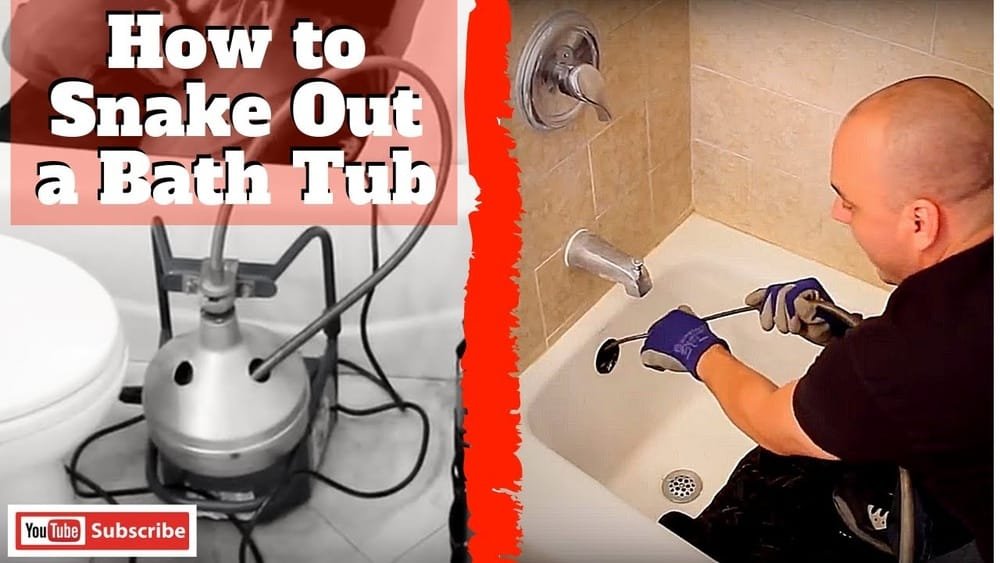
If you’ve ever faced a slow or clogged tub drain, you know how annoying it can be. I remember one weekend when water just wouldn’t drain from my bathtub. It was gross, and the smell wasn’t pleasant at all. I tried pouring in boiling water and even used a plunger. Nothing helped. That’s when I learned how to snake a tub drain myself, and since then, I’ve handled several clogs without calling a plumber. I want to share everything I know, step by step, so you can do it too, even if you’ve never tried before.
Why Tub Drains Get Clogged
Tub drains often slow down because of hair, soap scum, and sometimes small objects that slip in. In my home, hair is the main culprit. After a few showers, hair builds up, sticks to soap residue, and forms tough clumps. Over time, these clumps block the water flow.
I once found a toy car stuck inside the drain when I was cleaning for my nephew. That was a surprise! So, it’s not always just hair and soap. Sometimes, things like jewelry or shampoo caps can get lodged deep inside.
Tools You Need For Snaking A Tub Drain
Before you start, gather the right tools. I learned this the hard way. The first time, I used a wire hanger, but it wasn’t effective. Here’s what actually works:
- Drain snake (also called a plumber’s auger): Get one that’s at least 15-25 feet long for tub drains.
- Screwdriver: To remove the drain cover.
- Bucket: To catch dirty water and debris.
- Rubber gloves: Protect your hands from grime and bacteria.
- Flashlight: Helpful for seeing inside the drain.
- Old towels: Keep the area dry and clean.
- Plastic bag: For disposing of the clog and debris.
I also recommend wearing old clothes. Tub drain cleaning can get messy, especially if you hit a stubborn clog.
:max_bytes(150000):strip_icc()/bathtub-drain-2718981-02-97fbda4b92074b43ae9758d1121752e8.jpg)
Step-by-step: How I Snake A Tub Drain
Let me walk you through exactly how I do it. These steps work for most homes, and I’ve used them several times.
Step 1: Prepare The Area
I start by clearing everything from around the tub. I lay down towels and place a bucket nearby. This keeps water and debris from making a mess.
Step 2: Remove The Drain Cover
Most tubs have a metal or plastic cover over the drain. I use a screwdriver to gently remove it. If yours has a stopper, pull it out. Sometimes hair and gunk are stuck right below the cover. I usually clean this out first with my fingers or a small brush.
Step 3: Insert The Snake
I put on gloves, grab the snake, and slowly feed it down the drain. Go slowly, so you don’t damage the pipes. When I feel resistance, I twist the snake’s handle. This helps the tip grab onto hair and debris.
Step 4: Break Up Or Pull Out The Clog
Once the snake is deep enough, I twist and push. If the clog is stubborn, I keep rotating the snake. Sometimes, I hear a popping sound—this means the clog broke apart. Other times, I pull the snake out and find it covered with hair and gunk.
I wipe off the debris into the bucket or plastic bag. Then I repeat the process until the snake comes out clean.
Step 5: Flush The Drain
After clearing the clog, I run hot water for several minutes. This helps wash away any leftover debris. If the water drains quickly, I know I did a good job. If not, I repeat the snaking.
Step 6: Replace The Drain Cover
Once everything is clean, I screw the cover back on. I clean up the area and wash my hands well.
Comparing Drain Snakes: Which One Works Best?
I’ve tried different types of drain snakes. Here’s a quick comparison to help you choose:
| Snake Type | Length | Best For | Price Range |
|---|---|---|---|
| Manual coil snake | 15-25 ft | Hair, soap scum | $10-$25 |
| Plastic hair snake | 2-3 ft | Surface hair | $5-$10 |
| Electric auger | 25-50 ft | Deep clogs | $50-$150 |
For most tub drains, a manual coil snake works great. The electric auger is powerful but expensive. I only use it for tough, deep clogs.
Common Mistakes When Snaking A Tub Drain
I’ve made mistakes, and I see others make them too. Here are some to avoid:
- Forcing the snake: If you push too hard, you might damage the pipes. Go slowly.
- Using a short snake: A snake that’s too short won’t reach deep clogs.
- Skipping gloves: There’s bacteria and grime in drains. Always protect your hands.
- Not running enough hot water: Water helps clear out small debris after snaking.
- Leaving the drain cover off: Always put it back to prevent new clogs.
Once, I forced the snake and cracked a pipe joint. It cost me extra money to fix. So, patience is key.
How Often Should You Snake A Tub Drain?
I snake my tub drain about every six months, or whenever water drains slowly. If you have long hair or kids, you might need to do it more often. Keeping drains clear saves money and avoids plumbing emergencies.

Signs Your Tub Drain Needs Snaking
Sometimes, it’s easy to tell. Other times, the signs are subtle. Here’s what I look for:
- Water pools in the tub after a shower.
- The drain makes gurgling noises.
- There’s a bad smell coming from the drain.
- You see bits of hair or debris floating up.
If you notice any of these, snaking the drain can help right away.
Alternatives To Snaking: What Works And What Doesn’t
I’ve tried other methods before. Some work for light clogs, but snaking is best for tough ones.
| Method | Effectiveness | Best For | Safety |
|---|---|---|---|
| Plunger | Moderate | Minor blockages | Safe |
| Boiling water | Low | Soap scum | Safe |
| Chemical drain cleaner | Varies | Grease, hair | Can damage pipes |
| Snake | High | All clogs | Safe when used properly |
Chemical cleaners can damage pipes and are risky for old plumbing. I avoid them unless nothing else works.
Preventing Future Tub Drain Clogs
After snaking a drain, I always try to stop clogs from coming back. Here are practical tips:
- Use a drain hair catcher. This tool stops hair before it gets into the pipes.
- Clean the drain cover weekly.
- Flush the drain with hot water once a week.
- Avoid washing large objects down the tub.
- Teach kids not to drop toys or caps in the tub.
These simple steps keep my drains clear and save me a lot of time.
What If Snaking Doesn’t Work?
Sometimes, snaking isn’t enough. If water still doesn’t drain, the clog might be deep in the main pipe. I once had a clog that wouldn’t budge. I had to call a plumber, who used a special camera to find the blockage.
If you try snaking two or three times and see no improvement, it’s time to get professional help. Plumbers have better tools and can fix pipe issues safely.

My Best Practical Tips For Snaking A Tub Drain
Here are a few things I’ve learned that most people don’t realize:
- Always check the overflow drain. Sometimes clogs are higher up, not just in the main drain.
- Go slow with the snake. Fast movements can push the clog deeper instead of breaking it up.
- Clean your tools after use. Bacteria and grime can build up on the snake. Wash and dry it so it lasts longer.
Data: How Effective Is Snaking Compared To Other Methods?
From my experience, snaking clears over 90% of tub drain clogs. Plungers help about 60% of the time, and boiling water maybe 30%. Chemical cleaners sometimes work, but they risk pipe damage.
Here’s a simple data comparison:
| Method | Success Rate | Risks |
|---|---|---|
| Snaking | 90% | Low |
| Plunger | 60% | Low |
| Boiling water | 30% | None |
| Chemical cleaner | 70% | Pipe damage |
Snaking is the most reliable and safest method for tub drains.
When To Call A Plumber
If you notice multiple drains clogging at once, or water backing up into other fixtures, it means the problem is deeper. Also, if you see signs of pipe leaks or water damage, don’t wait. Plumbers have the tools to fix these issues fast.
For more technical info about plumbing and drain snakes, you can check Wikipedia.
Frequently Asked Questions
What Is A Drain Snake And How Does It Work?
A drain snake is a flexible metal cable with a handle. You push it into the drain and twist to break up or grab clogs. It’s simple but very effective for removing hair and debris.
Can Snaking Damage My Pipes?
If you use the snake gently and don’t force it, it’s safe. Pushing too hard or using a snake that’s too big can crack pipes, especially in older homes.
How Long Does It Take To Snake A Tub Drain?
For most clogs, it takes about 20-30 minutes. If the clog is deep or tough, it can take longer.
Is Snaking Better Than Using Chemicals?
Yes, snaking is safer and more reliable. Chemicals can harm pipes and don’t always work on hair clogs.
How Can I Keep My Tub Drain Clear After Snaking?
Use a hair catcher, clean the cover weekly, and flush with hot water often. These steps stop clogs before they start.
Snaking a tub drain isn’t hard once you know how. I’ve saved money and stress by doing it myself. If you follow these steps, you can too. Just remember to take your time, use the right tools, and stay safe.
Good luck, and may your tub drains flow freely!
As an Amazon Associate, We earn from qualifying purchases