
Cutting pipes sounds simple, right? That’s what I thought too, until I had to cut a steel pipe for the first time. I’d seen my dad use a pipe cutter on copper and plastic pipes many times. It was so quick—just clamp, twist, and done.
But when it came to steel, things got interesting. If you’re wondering, “Can a pipe cutter cut steel pipe? ” I’ve been there, struggled with it, and learned a lot. Let me walk you through what really happens, what works, what doesn’t, and the best ways to get your steel pipe project done safely.
My First Encounter With Steel Pipe Cutting
The first time I needed to cut a steel pipe, I grabbed my trusty pipe cutter. It had worked on copper, aluminum, and even PVC. I thought, “Why not steel? ” I clamped the pipe cutter around the pipe, started turning, and… nothing happened.
The wheel barely scratched the surface. After a few rounds, my hands were tired, and the tool was stuck. That was my “aha!” moment. Cutting steel is a different game.
How Does A Pipe Cutter Work?
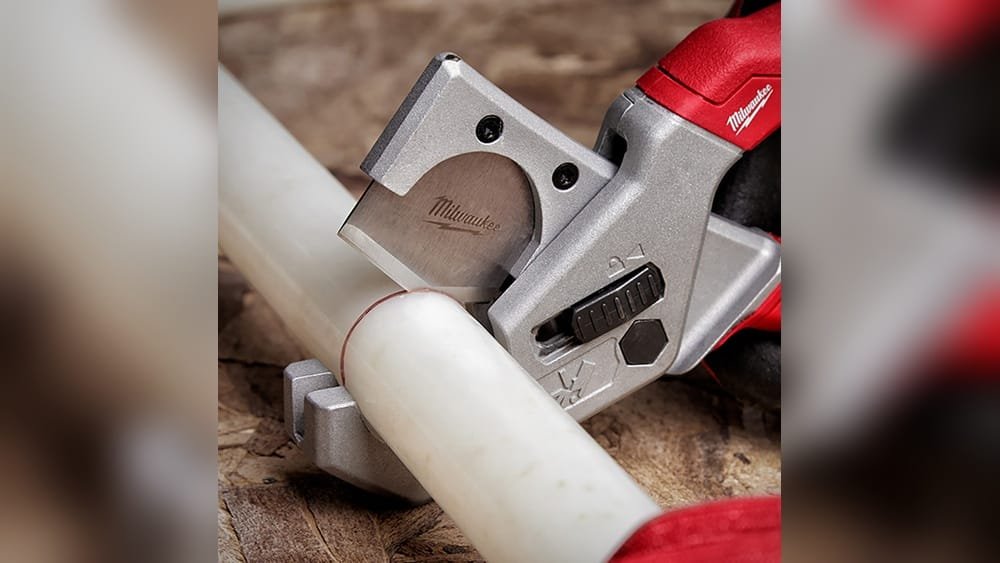
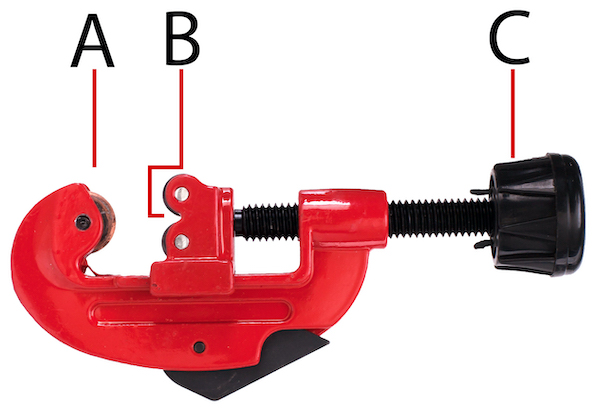
A pipe cutter is a hand tool. It has a sharp cutting wheel and two rollers. You put it around the pipe, tighten it, and spin it around. The wheel presses into the pipe and cuts deeper as you tighten more. For softer metals like copper, this works beautifully. For steel pipe, though, things change. Steel is much harder and stronger than copper or plastic.
Types Of Pipe Cutters
Not all pipe cutters are made equal. Over time, I tried different types. Here’s what I found:
| Pipe Cutter Type | Best For | Can It Cut Steel? |
|---|---|---|
| Standard Rotary Cutter | Copper, aluminum, PVC | No (not effective) |
| Heavy-Duty Pipe Cutter | Thick-walled pipes (larger sizes) | Sometimes (soft steel only) |
| Powered Pipe Cutter | Professional steel cutting | Yes (with right wheel) |
| Hacksaw | Any pipe (manual backup) | Yes (but slow) |
If you’re using a basic pipe cutter from a hardware store, it’s likely for copper or plastic. It may say “not for steel” on the package. Even heavy-duty models struggle with tough steel unless they have a hardened cutting wheel.
What Makes Steel Pipe Tough To Cut?
Steel is hard. Sometimes, it’s even stronger than it looks. Here are some things I learned:
- Wall thickness: Most steel pipes have thick walls. The thicker, the harder to cut.
- Type of steel: There’s mild steel and stainless steel. Stainless is even harder and can dull tools fast.
- Pipe size: Large-diameter pipes need more force and bigger tools.
When I tried with a standard cutter, the tool slipped. The wheel wore down, and the cut was uneven. For mild steel, you might get a scratch. For stainless steel? Forget it, unless you have industrial tools.
When Can A Pipe Cutter Cut Steel Pipe?
After some trial and error, I found that it’s possible, but only if:
- The pipe is thin-walled steel (like some electrical conduits).
- You use a heavy-duty pipe cutter with a hardened steel cutting wheel.
- You go slow, re-tighten often, and have patience.
Even then, it’s not easy. You’ll need to apply a lot of pressure and may need to replace the cutting wheel sooner than you expect.
Pipe Cutter Vs. Other Tools For Steel Pipe
I got frustrated after ruining a pipe cutter on a steel pipe. So I did some research and tried other tools. Here’s what I found most helpful:
| Tool | Speed | Edge Quality | Ease of Use |
|---|---|---|---|
| Pipe Cutter (Heavy Duty) | Slow | Smooth | Hard for steel |
| Hacksaw | Medium | Rough | Manual effort |
| Reciprocating Saw | Fast | Can be jagged | Easy with right blade |
| Angle Grinder | Very fast | Can be smooth | Requires skill |
| Powered Pipe Cutter | Fast | Clean | Easy (but expensive) |
After trying different tools, I realized that angle grinders and reciprocating saws were much faster. The finish wasn’t always perfect, but I could clean the edges with a file.

Real-world Example: Cutting Galvanized Steel Pipe
A friend and I needed to remove an old galvanized steel pipe in his basement. We tried a pipe cutter first. It barely scratched the pipe after ten minutes. Then we switched to a reciprocating saw with a metal-cutting blade. The pipe was cut in less than a minute. The edge was rough, but a quick file pass made it safe. This saved us so much time and frustration.
Key Factors When Choosing A Tool For Steel Pipe
If you want to cut a steel pipe, think about these things first:
- Pipe diameter: Bigger pipes need bigger tools.
- Wall thickness: Thicker means harder.
- Finish needed: Do you care about a clean edge?
- Noise and safety: Power tools are noisy and need eye/ear protection.
- Budget: Some tools cost a lot more.
For most DIY jobs, a hacksaw or reciprocating saw works. If you need a perfect edge, use a file or deburring tool after cutting.
Common Mistakes When Cutting Steel Pipe
I’ve made mistakes so you don’t have to. Here are the big ones:
- Using the wrong tool: Regular pipe cutters aren’t strong enough for steel.
- Forgetting to secure the pipe: If the pipe rolls, the cut will be uneven or dangerous.
- Not wearing safety gear: Steel shavings are sharp! Wear gloves and goggles.
- Rushing the cut: If you go too fast, blades can bind or break.
- Skipping edge cleanup: Freshly cut steel is sharp and can cut you.
Many beginners think they can use the same tools for all pipes. That’s what I thought too! But steel needs respect and proper equipment.
Professional Tips For Cutting Steel Pipe
If you want to do a good job (and avoid accidents), try these tips:
- Mark your cut line clearly with a marker or tape.
- Use oil or lubricant when cutting with a saw to keep blades cool.
- Clamp the pipe so it doesn’t move.
- Don’t force the tool; let the blade or wheel do the work.
- After cutting, always deburr the edge with a file or special tool.
These steps might seem simple, but they make a big difference in safety and results.
When Should You Use A Pipe Cutter On Steel Pipe?
I only recommend a pipe cutter for steel pipes if:
- The pipe is thin-walled and small diameter.
- You have a heavy-duty, hardened wheel cutter.
- You need a smooth, clean edge (for plumbing, for example).
- You don’t have access to power tools.
Even then, be ready for a workout. For most jobs, a saw or grinder is faster and easier.
My Favorite Tools For Steel Pipe Cutting
If you’re curious, here’s what I reach for now:
- Reciprocating saw: Fast and easy. Great for demolition.
- Angle grinder: Clean, quick cuts. Good for thick steel.
- Hacksaw: When I need a quiet, slow, controlled cut.
- Heavy-duty pipe cutter: Only for thin-walled steel or small jobs.
If you’re only doing one or two cuts, buy a cheap hacksaw blade for metal. If you’ll cut pipes often, invest in a good reciprocating saw or angle grinder.

Safety First: What I Learned The Hard Way
Cutting steel can be dangerous if you’re not careful. I’ve had sparks fly, blades break, and once I even nicked my hand on a sharp edge. Here’s what I always do now:
- Wear gloves and safety glasses every time.
- Make sure the pipe is clamped down tight.
- Keep your hands away from the cutting line.
- Watch for hot metal and sparks if using power tools.
Don’t skip these steps. A small mistake can lead to a big injury.
Why Do Some People Still Use Pipe Cutters On Steel?
Some plumbers and pros use special ratcheting pipe cutters with hardened wheels for thin steel pipes. These tools are expensive and made for frequent use. They give a very clean cut, which is important for certain fittings. But for most of us, these tools are overkill.
If you’re working with stainless steel, even pros will often switch to power tools. Stainless wears down wheels fast and takes a lot of force.
What To Do After Cutting Steel Pipe
When you finish your cut, the work isn’t over. Here’s what I always do:
- Deburr the edge: Use a file or deburring tool to smooth sharp edges.
- Clean the pipe: Wipe off oil and shavings.
- Check the fit: Make sure the cut end fits into fittings or connectors.
- Paint or seal the edge: If the pipe will be exposed, a little paint helps prevent rust.
These small steps help your project last longer and stay safe.
How To Tell If Your Pipe Cutter Is Up For The Job
If you want to try a pipe cutter, check the packaging or the tool itself. Look for:
- Cutting wheel material (hardened steel is best)
- Pipe size range (in mm or inches)
- “For steel” or “not for steel” label
If it doesn’t mention steel, it probably won’t work well. I’ve seen wheels chip or break when used on the wrong material.
Upgrading Your Pipe Cutter For Steel
Some heavy-duty pipe cutters let you change the cutting wheel. You can buy a hardened steel wheel for certain models. This makes a big difference for thin-walled steel. But for thick or stainless pipes, even the best wheel struggles.
Quick Comparison: Pipe Cutter Vs. Angle Grinder For Steel Pipe
Here’s a quick comparison based on my experience:
| Feature | Pipe Cutter (Heavy-Duty) | Angle Grinder |
|---|---|---|
| Speed | Slow | Very Fast |
| Edge Finish | Smooth | May need filing |
| Noise | Quiet | Loud |
| Best For | Thin-walled steel | Any steel pipe |
| Cost | Low to medium | Medium to high |
Trusted Resources For More Information
If you want more details about pipe cutting tools and steel working, check out the Wikipedia page on pipe cutters. It has more technical info and tool history.
Frequently Asked Questions
Can A Regular Pipe Cutter Cut Steel Pipe?
Most regular pipe cutters are made for copper or plastic. They usually can’t cut steel pipe, especially thick or stainless steel. You need a heavy-duty cutter with a hardened wheel for thin steel.
What Is The Easiest Way To Cut Steel Pipe At Home?
From my experience, a reciprocating saw or an angle grinder with a metal-cutting blade is the easiest for most people. These tools cut fast and don’t require a lot of force.
How Do I Get A Smooth Edge After Cutting Steel Pipe?
Use a file or deburring tool after you cut. Run it around the edge until it feels smooth. This helps prevent injuries and makes fittings easier.
Is It Safe To Cut Steel Pipe With Power Tools?
Yes, if you use safety gear like gloves and eye protection. Clamp the pipe so it doesn’t move, and keep your hands away from the blade. Sparks are normal with grinders, so clear your workspace.
Can I Use A Pipe Cutter For Stainless Steel Pipes?
Most pipe cutters struggle with stainless steel because it’s very hard. Even hardened wheels wear out fast. For stainless, a saw or grinder is usually the better choice.
Cutting steel pipe taught me a lot about tools and patience. If you’re starting out, don’t get frustrated. The right tool makes all the difference, and safety always comes first. Good luck with your project!
As an Amazon Associate, We earn from qualifying purchases