
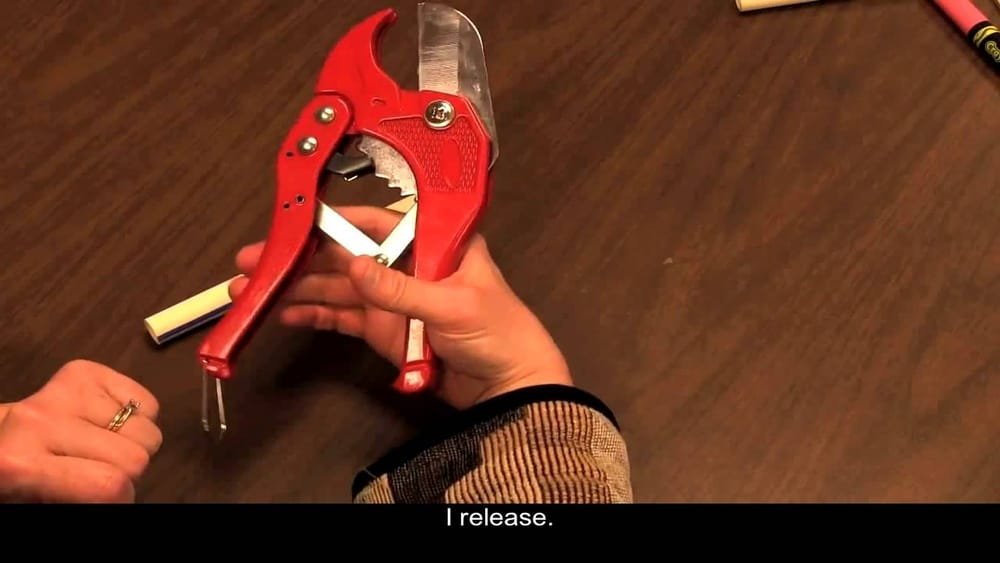
When I first picked up an Orbit PVC pipe cutter, I was a little nervous. I had always used a saw or borrowed tools from friends. I worried I might mess up the cut or break the tool. But after a few uses, I realized how much easier my plumbing and gardening projects became. If you’re new to using a PVC pipe cutter, or you just want to get cleaner, faster cuts, I’ll walk you through everything I’ve learned. I’ll share real mistakes I made, how I fixed them, and the small tricks that make a huge difference.
What Is An Orbit Pvc Pipe Cutter?
Let’s start simple. An Orbit PVC pipe cutter is a hand tool made to cut plastic pipes—mainly PVC, but also CPVC, PEX, and sometimes poly pipe. The tool looks a bit like big scissors or garden pruners. There’s a sharp blade that slices through the pipe when you squeeze the handles.
Why not just use a saw? The cutter gives you smooth, straight cuts without plastic shavings or jagged edges. That means pipes fit together better and you save time. I found that using the cutter made my joints stronger and stopped leaks in my garden irrigation.
Why Choose An Orbit Pvc Pipe Cutter?
I tried a few brands before settling on Orbit. Here’s why I stuck with it:
- Affordable: It costs much less than power tools or fancy pipe cutters.
- Durable blade: The blade stays sharp after lots of cuts.
- Easy to squeeze: The handles don’t hurt my hands, even after many pipes.
- Reliable brand: Orbit is well-known for garden tools and irrigation.
I noticed that cheaper cutters often slipped or bent the pipe. The Orbit cutter kept the pipe steady. This made it easier for me, especially when working alone.
Types Of Pvc Pipe Cutters
You might see different kinds of cutters in the store. Here’s a simple breakdown:
| Type | Best For | Pros | Cons |
|---|---|---|---|
| Ratchet-Style | Thicker pipes (1/2″ to 2″) | Less hand strength needed, precise | Slower for many cuts |
| Scissor-Style | Thin pipes (1/2″ to 1″) | Fast, light, simple | Needs more force, can crush pipe |
| Rotary Cutters | Very thin pipe or tubing | Clean cuts, no crushing | Slow, not for thick PVC |
My Orbit cutter is the ratchet style. It’s perfect for household plumbing and garden projects. If you’re not sure, check the pipe size you use most.
How To Prepare For Cutting
Before you start, gather a few things:
- Orbit PVC pipe cutter
- The pipe you want to cut
- Tape measure or ruler
- Marker or pencil for marking
- Safety glasses (just in case)
Make sure the pipe is clean and dry. Dirt or water can make the cutter slip. I learned the hard way—my first cut on a muddy pipe was jagged and uneven.

Step-by-step: How I Use My Orbit Pvc Pipe Cutter
Let’s get right into the steps. I’ll explain each one, including the small details that helped me get great results.
1. Measure And Mark
Always measure twice and cut once. I use a tape measure to get the right length. Then I use a marker to draw a line all the way around the pipe. A clear mark helps you keep the cut straight.
Tip: If you only mark one side, it’s easy to angle the cutter wrong. A full line makes a big difference.
2. Position The Cutter
Open the handles and place the pipe inside the cutter’s jaws. Line up the blade with your mark. For ratchet-style, you’ll feel the blade press lightly into the pipe.
Hold the pipe steady with one hand. Make sure it’s not at an angle—this stops crooked cuts.
3. Start Cutting
Squeeze the handles slowly. Don’t rush! The ratchet mechanism lets you release and squeeze again, cutting deeper each time.
I used to think more force meant a faster cut. But that crushed my pipes. Now I use steady, even pressure.
If you hear a crack or see the pipe flatten, stop and reposition. It’s better to take a little longer than to ruin the pipe.
4. Finish And Check
When the pipe snaps apart, check the edge. It should be smooth and flat. If there are any rough spots, I use sandpaper or a utility knife to clean them up. This helps the pipe fit better in fittings.
5. Clean Up
Wipe off any dust or bits of plastic. Store your cutter with the blade closed, so it stays sharp and safe.
Common Mistakes And How I Fixed Them
Everyone makes mistakes, including me. Here are a few I ran into, and how you can avoid them:
- Crushing the pipe – I squeezed too hard. Now I use gentle, repeated squeezes.
- Slipping off the mark – I didn’t draw a full line. Now I always mark all around.
- Dull blade – I forgot to clean the cutter. Now I wipe the blade after every use.
- Cutting wet pipes – The cutter slipped. Now I always dry the pipe first.
These small things made a huge difference in my finished projects.

Comparing Orbit With Other Brands
I tried a few other cutters before buying Orbit. Here’s a quick comparison from my own use:
| Brand | Comfort | Cut Quality | Durability | Price Range |
|---|---|---|---|---|
| Orbit | High | Very Smooth | Long-lasting | Low-Mid |
| Generic | Medium | Decent | Shorter life | Low |
| Professional (e.g., Ridgid) | High | Excellent | Very Durable | High |
Orbit gave me the best balance. It’s comfortable and works for most home jobs. If you need to cut hundreds of pipes, you might want a pro model, but for most people, Orbit is great.
Safety Tips I Learned The Hard Way
PVC cutters seem safe, but the blade is sharp. Here’s what I picked up:
- Wear safety glasses. Small bits can fly up.
- Keep hands away from the blade. The cutter can snap shut fast.
- Use on a stable surface. Cutting in your lap is a bad idea.
- Lock the cutter after use. Most have a small latch.
I once nicked my finger because I was distracted. Now, I never rush.
Maintaining Your Orbit Pvc Pipe Cutter
If you take care of your tools, they last longer. Here’s how I keep mine working like new:
- Clean after each use. Wipe off plastic dust and dirt.
- Oil the blade. A drop of machine oil keeps it moving smoothly.
- Check for nicks. If the blade is chipped, replace it.
- Store dry. Moisture can rust the blade.
Blades last a long time, but you can buy replacements if needed. I found that cleaning after each job keeps my cuts smooth.
Advanced Tips For Perfect Cuts
After a while, I picked up a few tricks that made my projects go even smoother:
- Spin the pipe as you cut. This helps get an even edge, especially on larger pipes.
- Warm up cold pipes. In winter, PVC gets brittle. Let pipes warm up indoors for 10-15 minutes.
- Cut slowly near fittings. If you’re shortening an installed pipe, go slow to avoid damaging nearby joints.
- Use the right cutter. Don’t use the Orbit cutter on metal or thick-walled pipe. It’s for plastic only.
These tips saved me time and money by avoiding broken pipes and wasted materials.
When Not To Use A Pvc Pipe Cutter
Believe it or not, there are times when the Orbit cutter isn’t the best choice:
- For pipes bigger than 2 inches. It won’t open wide enough.
- For old, brittle pipe. These can crack. Try a fine-tooth saw instead.
- For tight spaces. The handles need room to open.
I learned this when I tried to cut a pipe under my kitchen sink. There just wasn’t enough space to squeeze the handles. In that case, a small saw worked better.
Real-world Uses: My Projects
Over the years, I’ve used my Orbit cutter for:
- Garden irrigation: Cutting drip lines and PVC for sprinklers.
- Home repairs: Fixing leaky pipes under the sink.
- DIY furniture: Building PVC shelves and plant stands.
- Pet projects: Making a simple dog agility course with PVC pipes.
Every time, the cutter made my work faster and neater. I’ve even loaned it to neighbors, and they always ask where to buy one.

Environmental Note
Cutting PVC pipes creates small bits of plastic. Always clean up your work area. Don’t let scraps wash into drains or gardens, as they can harm wildlife. I keep a small bucket nearby for collecting all the pieces.
If you want to know more about PVC and its impact, check out this Wikipedia page on PVC.
Troubleshooting: When Things Go Wrong
Sometimes, things don’t go as planned. Here’s what I do:
- If the cutter gets stuck: Back off and reposition. Don’t force it.
- If the blade is dull: Replace or sharpen it. Forcing a dull blade can crack pipes.
- If the cut is crooked: Check your marking, and take your time on the next cut.
Don’t get frustrated if your first few cuts aren’t perfect. It gets easier!
Frequently Asked Questions
What Size Pipes Can The Orbit Pvc Pipe Cutter Cut?
Most Orbit cutters handle pipes from 1/2 inch to 2 inches in diameter. Always check the package for the exact range. If your pipe is larger, you’ll need a saw or a bigger cutter.
Can I Use The Orbit Cutter For Metal Or Copper Pipes?
No, the Orbit cutter is made for plastic pipes only. Trying it on metal will damage the blade and could be dangerous.
How Do I Sharpen Or Replace The Blade?
Some Orbit cutters let you replace the blade easily—just unscrew and swap it. If it’s not replaceable, you might need a new cutter. For simple sharpening, use a fine file, but be careful.
Why Does My Cutter Crush The Pipe Instead Of Cutting?
Usually, this means the blade is dull or you’re squeezing too hard and fast. Try slower, steady pressure. If it keeps happening, check for dirt or replace the blade.
Is The Orbit Cutter Safe For Children To Use?
No. The blade is very sharp. Always keep the cutter away from children and store it with the lock on.
Using an Orbit PVC pipe cutter changed the way I work on home and garden projects. The tool is simple, but a few small tricks and good habits make a big difference. I hope my experience helps you get clean, easy cuts every time. If you’re still nervous, start with a scrap piece of pipe and practice. It’s easier than you think, and soon you’ll wonder how you ever managed without it.
As an Amazon Associate, We earn from qualifying purchases