
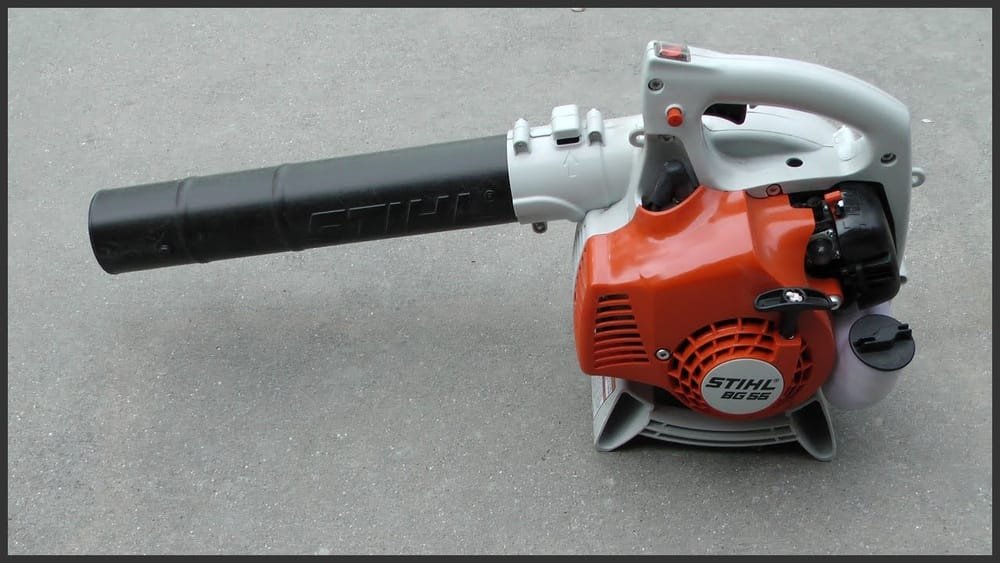
If you’ve just bought a gas leaf blower and you’re looking at it thinking, “How do I even start this thing? ”, you’re not alone. I remember the first time I tried to use one. I stood in my driveway, manual in one hand, blower in the other, feeling a bit lost.
Gas leaf blowers can look intimidating, especially if you’re used to electric tools. But once you know the steps—and a few tricks—they’re actually pretty simple to start. I’ll walk you through everything I’ve learned from my own experiences, so you can get your blower running smoothly and safely.
Why Choose A Gas Leaf Blower?
Before I get into the step-by-step, let me quickly share why I ended up with a gas-powered blower. I tried electric models first. They were quiet and easy but didn’t have enough power for my big backyard. Gas blowers pack a punch.
They clear leaves fast, even when they’re wet or stuck in grass. The freedom of no cord is great, too. But with that power comes a little more work—and a learning curve.
Safety First: What You Need To Know
This might sound obvious, but before you even think about starting your gas leaf blower, safety comes first. When I started, I made some rookie mistakes. Here’s what I wish I knew from the start:
- Wear eye protection. Tiny rocks or sticks can fly up.
- Use ear plugs or earmuffs. Gas blowers are loud. The noise can hurt your ears over time.
- Wear gloves. They protect your hands from vibration and fuel.
- Check your surroundings. Make sure pets, kids, or bystanders are out of the way.
I also learned to never run the blower in a closed space. Gas engines make fumes—always use them outdoors or in open areas.
Understanding Your Gas Leaf Blower
Gas leaf blowers can look a bit different. Some are hand-held, some are backpack style. But the way they start is mostly the same. Knowing a few key parts will make things much easier:
- Fuel tank: Where you put the gasoline mix.
- Primer bulb: A small, round rubber button.
- Choke lever: Controls air and fuel mix for starting.
- Throttle trigger: Makes the blower go faster or slower.
- Starter cord: The pull cord you use to start the engine.
- On/Off switch: Turns the blower on or off.
Take a minute to find these on your model. The first time I didn’t, I ended up pulling the wrong lever and nothing happened.
Step 1: Check And Mix The Fuel
If you skip this, your blower won’t run. Most gas leaf blowers use a mix of gasoline and two-stroke oil. When I started, I didn’t know you couldn’t just use plain gas—it needs oil to keep the engine alive.
Here’s what I do:
- Check the manual for the right mix. Most are 50: 1 (50 parts gasoline to 1 part oil).
- I use a clean gas can and measure the gas and oil carefully.
- Mix them together by shaking the can gently.
- Fill the fuel tank, but don’t overfill.
It’s easy to get this wrong if you’re in a hurry. Once, I used the wrong oil and my blower smoked like crazy. Now I always double-check the mix.
| Gas:Oil Ratio | Amount of Gasoline | Amount of 2-Stroke Oil |
|---|---|---|
| 50:1 | 1 Gallon (3.8L) | 2.6 oz (77ml) |
| 40:1 | 1 Gallon (3.8L) | 3.2 oz (95ml) |
Pro tip: I always use fresh gas. Old gas can gum up the carburetor and make starting hard.
Step 2: Inspect Before Starting
One thing I learned the hard way is that checking your blower before starting saves headaches later. Here’s what I do every time:
- Look for loose parts: Sometimes screws or fasteners shake loose.
- Check the air filter: A clogged filter makes starting tough.
- Inspect the spark plug wire: Make sure it’s attached and not frayed.
- Look for leaks: Fuel leaks are dangerous.
If anything looks off, I fix it before I try to start the blower. One time, I ignored a small leak and ended up with fuel all over my driveway.
Step 3: Prime The Engine
This step confused me at first. The primer bulb draws fuel into the carburetor. If you skip it, the engine just won’t start.
Here’s what I do:
- Locate the primer bulb (usually near the carburetor).
- Press it 5–6 times until I see fuel in the bulb.
If you press too many times, the engine can flood. If you don’t press enough, it won’t get fuel. You’ll get a feel for it with practice.
Step 4: Set The Choke
The choke lever helps the engine start by giving it more fuel. I used to forget this step, and wondered why the blower wouldn’t run.
- Move the choke to the “Start” or “Cold” position.
- If your blower has a throttle lock, set it.
Every blower is a bit different, so I always check the manual for the exact choke position.
Step 5: Switch On
This might seem simple, but I’ve forgotten it more than once! Make sure the On/Off switch is in the “On” or “I” position. If it’s off, nothing will happen no matter how hard you pull the cord.

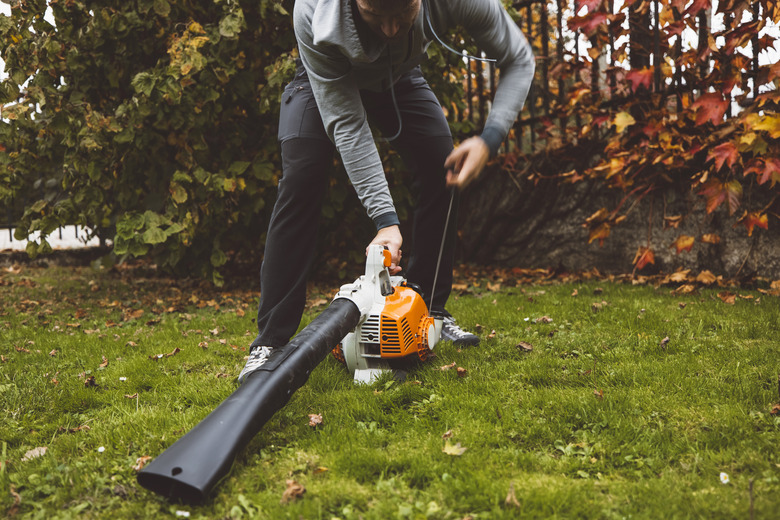
Step 6: Pull The Starter Cord
Now comes the part that most people worry about—pulling the starter cord. I used to yank as hard as I could, but I learned that a smooth, quick pull works best.
Here’s my method:
- Hold the blower steady on the ground.
- Use one hand to hold the handle, the other to pull the cord.
- Pull until you feel resistance, then give a strong, quick pull.
Usually, it takes 2–5 pulls. If it sputters but doesn’t start, I wait a few seconds and try again.
Non-obvious tip: If you flood the engine (it smells like gas or you see fuel dripping), move the choke to “Run,” hold the throttle open, and pull the cord several times. This clears extra fuel.
Step 7: Move Choke To “run”
Once the engine starts and runs for a few seconds, I slowly move the choke to the “Run” position. If I do it too fast, the engine sometimes stalls. I wait until the engine sounds smooth before I start using the blower.
Step 8: Warm Up The Engine
I let my blower run at idle for 30–60 seconds before using it full throttle. This warms up the engine and helps it last longer. If it stalls when I give it gas, I wait a little longer.
Step 9: Start Blowing Leaves
Now comes the fun part! Once my blower is warmed up, I squeeze the throttle trigger and get to work. I like to use a side-to-side motion to move leaves into a pile. If I hit a wet patch, I use short bursts of power.
Troubleshooting: Common Starting Problems
When I first started, things didn’t always go smoothly. Here are some of the problems I faced—and how I fixed them.
Engine Won’t Start
- Check fuel mix: Is it fresh? Right ratio?
- Primer bulb: Did you press it enough?
- Choke: Is it in the right position?
- Spark plug: Is it dirty or loose?
- On/Off switch: Is it actually on?
If all these look good, I sometimes let the blower sit for a few minutes, then try again.
Engine Starts, Then Dies
This happened to me a lot. Usually, it meant the choke was still on, or the air filter was dirty.
- Move the choke to “Run”.
- Clean or replace the air filter.
Starter Cord Is Stuck
The first time this happened, I panicked. It turned out a stick was jammed in the fan. Always check for debris before pulling hard.
Blower Smokes A Lot
This means the fuel mix has too much oil, or you’re using the wrong oil. I double-check my ratios and only use two-stroke oil.
My Tips For Easier Starting (and Longer Life)
Over time, I’ve found a few tricks that make starting my gas leaf blower easier and keep it running better:
- Store it with empty fuel if you won’t use it for months. Old fuel gums up the carburetor.
- Clean the air filter often. I check mine every month during leaf season.
- Use fuel stabilizer if you mix large amounts of fuel.
- Replace the spark plug once a year. It’s cheap and makes a big difference.
- Keep the blower dry and covered. Moisture causes rust and electrical problems.
I once left my blower in the shed all winter with a full tank. In spring, it wouldn’t start. Now, I drain the tank and run the blower dry before storage.

Comparing Gas Vs Electric Leaf Blowers
If you’re still deciding, here’s a quick comparison from my own experience:
| Feature | Gas Leaf Blower | Electric Leaf Blower |
|---|---|---|
| Power | High (good for heavy, wet leaves) | Medium (best for light leaves) |
| Noise | Loud | Quieter |
| Portability | No cord, use anywhere | Some need a cord or battery |
| Maintenance | Needs more (fuel, spark plug, cleaning) | Less (just keep battery charged) |
| Weight | Heavier | Lighter |
Real-world Example: My First Start
Let me share a quick story. The first time I tried to start my gas blower, I skipped the primer bulb step. I pulled and pulled, getting more frustrated and sweaty. My neighbor walked by and said, “Did you prime it?
” I had no idea what he meant. He showed me the primer bulb, and after a few presses and a smooth pull, the blower roared to life. Ever since, I never skip that step—and I always help neighbors who get stuck like I did.
Environmental And Local Rules
One thing I learned is that some areas have rules about gas blowers. They can be noisy and make pollution. Before you buy or use one, check your local rules. Some towns have banned gas blowers, or only allow them at certain times. If you want to know more about these rules, the Wikipedia page on leaf blowers has a good overview.
Maintenance Schedule For Smooth Starts
Keeping your blower in good shape makes starting easier every time. Here’s what I do:
| Task | How Often |
|---|---|
| Check air filter | Every 5 hours of use |
| Clean air filter | Monthly (during heavy use) |
| Replace spark plug | Once per season |
| Check fuel lines for leaks | Every 10 hours of use |
| Empty fuel for storage | Before long-term storage |
Frequently Asked Questions
How Do I Know If My Gas Leaf Blower Is Flooded?
If you smell strong gasoline or see wet fuel near the carburetor, it’s likely flooded. I wait a few minutes, then try starting with the choke off and throttle open.
Can I Use Regular Car Oil In My Gas Blower?
No, always use two-stroke oil made for small engines. Car oil can damage your blower.
Why Does My Blower Keep Dying After Starting?
Check the choke position and air filter. If the choke is left on, or the filter is dirty, the engine can stall.
How Often Should I Replace The Spark Plug?
I change mine once per year, or if the blower gets hard to start. It’s a cheap fix that helps a lot.
Is It Normal For The Blower To Smoke A Little At First?
A small puff is normal when starting, but lots of smoke means too much oil in the fuel mix. Double-check your ratio.
Starting a gas leaf blower can feel tricky at first, but with a bit of practice, you’ll get the hang of it. Remember to take your time, follow the steps, and don’t rush. I’ve made just about every mistake, so if I can learn, you can too.
Good luck, and enjoy those clean, leaf-free yards!
As an Amazon Associate, We earn from qualifying purchases