
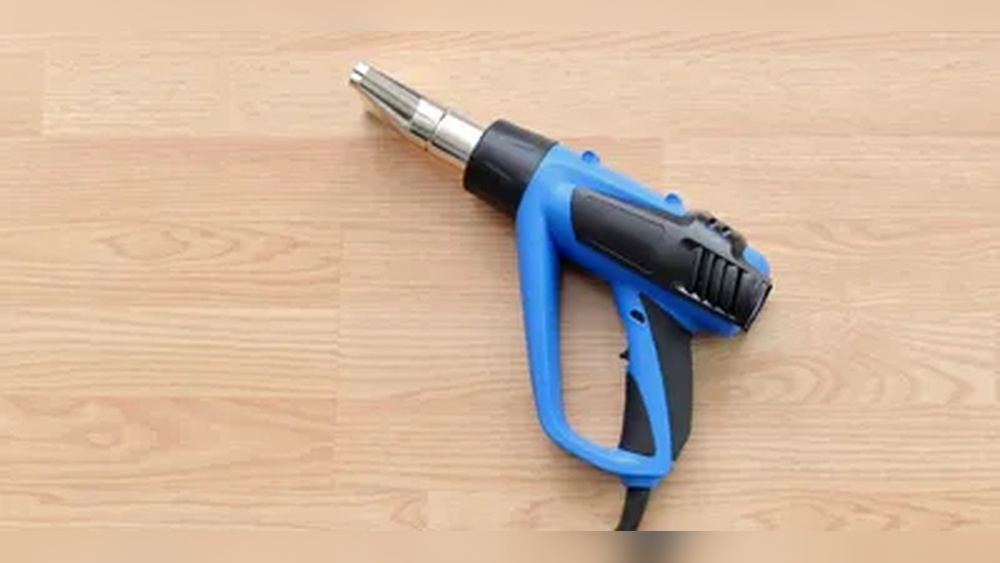
When you turn on your heat gun and see smoke, it can be alarming. Is it dangerous? Should you stop using it? Many people who use heat guns for the first time—or even after months of regular work—notice this issue and wonder what’s going on. The truth is, a smoking heat gun can mean different things, from simple fixes to real safety concerns. Knowing the reasons can save your tool, your project, and maybe even prevent a fire. Let’s look at why your heat gun might be smoking, how to handle it, and how to keep your work safe and smooth.
Common Reasons Why Your Heat Gun Is Smoking
Understanding the main causes behind heat gun smoke is the first step to solving the problem. Here are the most frequent reasons:
1. Manufacturing Oils Burning Off
If your heat gun is brand new, smoke is often nothing to worry about. Many manufacturers coat internal parts with light oil during assembly to prevent rust. The first time you use the gun, this oil heats up and burns off, making a noticeable smoke and even a slight smell.
This smoke should disappear after 5–10 minutes of use. If it continues after several uses, there might be another issue.
2. Dust, Debris, Or Old Residue
Over time, dust and small particles can collect inside your heat gun, especially if you use it in a workshop. These particles burn when the gun heats up, causing smoke. Old glue, paint, or other materials stuck inside the nozzle can also cause this.
Cleaning your heat gun regularly reduces this risk. If you notice a burning smell that is different from new tool smoke, check the nozzle for residue.
3. Overheating From Blocked Airflow
Heat guns need good airflow to work correctly. If the air intake or vents are blocked by dust, your tool can overheat. This can make smoke, and in some cases, damage your gun.
Never cover the vents during use. If you notice your gun is hot to the touch or the plastic starts to smell, turn it off and let it cool. Clean the vents with a brush or compressed air before using again.
4. Melting Internal Components
If your heat gun is older or has been dropped, the internal insulation or wiring may be damaged. When these parts heat up, they can melt and create smoke.
This is a serious problem. If you smell burning plastic or see thick white or black smoke, unplug the gun immediately and do not use it until a professional checks it.
5. Wrong Use Or Settings
Using the gun at its highest setting for too long, or holding it too close to a surface, can cause not only the project to burn but also the gun itself to smoke. Always use the correct temperature for your task and give the tool rest periods during long jobs.
6. Foreign Objects Inside
Small items such as bits of wire, tape, or even insects can sometimes get inside the heat gun. When the tool is switched on, these objects burn and create smoke.
Always check the nozzle and vents before use. If you see something stuck inside, remove it with pliers (while the gun is unplugged and cool).
7. Poor Quality Or Counterfeit Heat Guns
Cheaper or fake heat guns often use poor materials that can’t handle high temperatures. Their heating elements or casings may burn and create smoke even during normal use.
If your gun smokes from the start and doesn’t stop, consider switching to a reputable brand. Look for customer reviews and safety certifications.
Is It Dangerous When A Heat Gun Smokes?
Not all smoke is equally dangerous. Here’s how to judge the risk:
- Light smoke with a faint smell: Common with new guns. Usually not a problem.
- White, oily smoke: Likely burning off factory oil or dust. Should disappear after a few uses.
- Thick, black or grey smoke with strong smell: Possible burning plastic or wiring. This is dangerous. Stop using the gun.
- Sparks or popping sounds: Electrical fault. Unplug immediately.
If you feel unsure, always err on the side of safety. Heat guns can reach over 600°C (1100°F), making them a fire risk if something is wrong.
Troubleshooting Steps: What To Do If Your Heat Gun Smokes
If your heat gun is smoking, follow these steps:
1. Stop And Unplug
Always turn off and unplug the gun before checking anything.
2. Let It Cool
Wait at least 10–15 minutes for all parts to cool.
3. Inspect The Nozzle
Look for paint, glue, or burnt residue. Clean with a brush or cloth.
4. Check For Blockages
Examine the air vents and intake for dust or debris.
5. Test In A Safe Area
Plug the gun back in and run it for a few minutes outdoors. If smoke stops, the problem was likely residue or oil.
6. Smell Check
If there’s a strong burning plastic smell, do not use the gun again.
7. Look For Damage
Cracks, melted plastic, or loose parts mean it’s time for a replacement or repair.
How To Clean And Maintain Your Heat Gun
Regular care extends the life of your heat gun and reduces smoking. Here’s how:
Cleaning The Nozzle
After each use, let the gun cool. Wipe the nozzle with a dry cloth. Never use water or wet cloths—moisture can damage electrical parts.
Clearing The Air Vents
Use a small brush or compressed air to remove dust from air vents. Do this every few uses, or more often in dusty workshops.
Inspecting The Cord And Plug
Check for cracks, fraying, or melting. Damaged cords can cause shorts and smoke. Replace cords if needed.
Storing Properly
Store your heat gun in a dry place. Avoid wrapping the cord tightly around the gun, as this stresses the wires.
Signs Your Heat Gun Needs Replacement
All tools wear out. Here are signs you need a new heat gun:
- Smoke does not stop after cleaning and testing.
- Visible melting or burn marks inside or outside the gun.
- Frequent overheating even at low settings.
- Odd noises such as buzzing or clicking.
- Loose or wobbly parts inside the gun.
A good heat gun should last several years with care. If you notice these warning signs, don’t risk it—replace the tool.
Comparing Heat Gun Issues: What’s Normal, What’s Not
Understanding the difference between normal and abnormal heat gun behavior can help you decide what steps to take. Here’s a quick comparison:
| Situation | Normal? | Action Needed |
|---|---|---|
| Light smoke on first use | Yes | Keep running for 5–10 min |
| Smoke after cleaning residue | No | Check for leftover material |
| Thick black/grey smoke | No | Stop use, check for melting |
| Plastic burning smell | No | Unplug, inspect, replace if needed |
| Small sparks inside | No | Stop use immediately |

Heat Gun Vs. Other Tools: Smoking Problems
Are heat guns more likely to smoke than other heating tools? Here’s a quick look:
| Tool | Common Smoking Causes | Frequency |
|---|---|---|
| Heat Gun | Burning oil, dust, residue, overheating | Moderate |
| Hair Dryer | Dust, hair, overheating | Low |
| Paint Stripper | Residue, overheating, blocked vents | Moderate |
| Soldering Iron | Burning flux, residue | Low |
Preventing Future Smoking: Best Practices
You can avoid most heat gun smoking problems with a few habits:
- Read the manual for your tool’s specific instructions.
- Use the right temperature for the job—don’t max out the settings unless needed.
- Clean the nozzle after every project, especially if working with glue, paint, or plastics.
- Keep vents clear by cleaning regularly.
- Store safely in a dry, dust-free area.
- Don’t leave the gun running while unattended.
- Let the gun cool before packing away.
Non-obvious Insights Most Beginners Miss
Many new users think smoke always means danger. But sometimes, it’s just leftover oil or dust. If smoke happens with a new tool or after cleaning, give it a few minutes before panicking.
Another common mistake: holding the gun too close to surfaces. This not only damages your project but can cause residue to stick inside the nozzle and burn next time, leading to more smoke.
Also, using extension cords that are too thin for the gun’s power can cause overheating. Always use a cord with the right amp rating for your heat gun.
When To Seek Professional Help
If you’ve tried all cleaning and safety steps and your heat gun still smokes, it’s best to consult a qualified repair service. Internal electrical faults aren’t safe for DIY fixes.
If your heat gun is under warranty, contact the manufacturer. Many reputable brands offer free repair or replacement for faulty units.
For more on electrical tool safety, the OSHA hand and power tool guidelines offer helpful tips.
Frequently Asked Questions
Why Does My Brand New Heat Gun Smoke?
Most new heat guns smoke because of factory oils burning off. This is normal for the first few uses and should stop after 5–10 minutes. If smoke continues after several uses, check for other problems.
Can I Still Use My Heat Gun If It’s Smoking?
If the smoke is light and smells like oil, it’s probably safe. But if you see thick smoke, smell burning plastic, or notice sparks, stop using the gun immediately and check for damage.
How Often Should I Clean My Heat Gun To Prevent Smoke?
Clean the nozzle and vents after every few uses, especially if you use the gun for sticky materials like glue or paint. Regular cleaning prevents residue buildup and smoking.
Is Smoke From A Heat Gun Toxic?
Some smoke—especially from burning plastic or glue—can be toxic. Always use your heat gun in a well-ventilated area and avoid breathing in smoke. If you feel dizzy or ill, stop and get fresh air.
What Should I Do If My Heat Gun Starts To Spark?
Sparks mean an electrical problem. Unplug the gun right away and do not use it until a professional checks it. Continuing to use a sparking heat gun is dangerous.
A smoking heat gun doesn’t always mean the end of your tool, but it does mean you should pay attention. With regular care and a little knowledge, you can keep your heat gun working safely for years to come.
As an Amazon Associate, We earn from qualifying purchases