
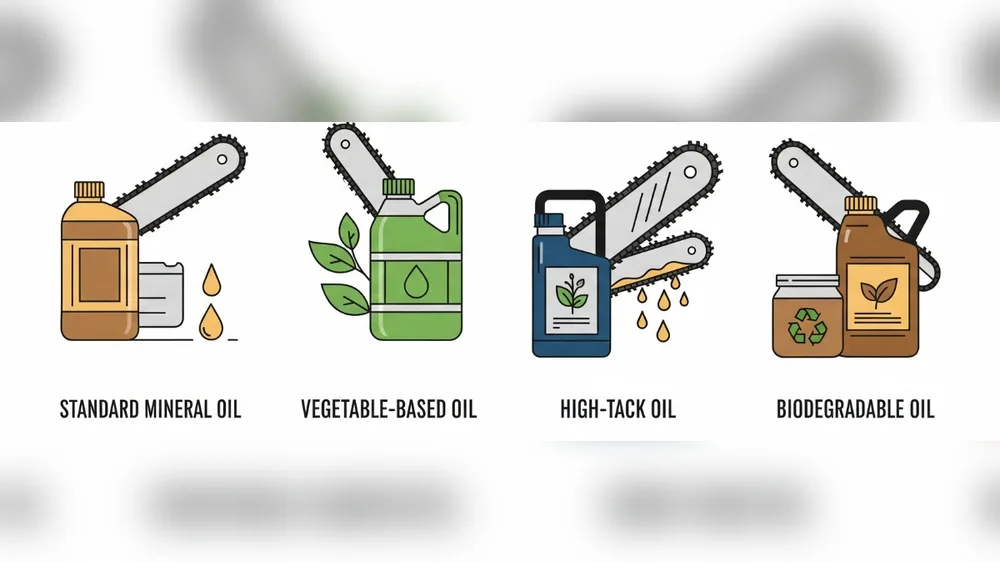
Can I Use 10w40 For Chainsaw Bar Oil?
If you’ve ever run out of chainsaw bar oil right when you need to get a big job done, you know how stressful it can be. Maybe you looked around your garage and spotted a bottle of 10W40 engine oil. You probably thought, “Can I use 10W40 for chainsaw bar oil? Will it damage my chainsaw, or is it a smart hack?” I’ve been in this situation myself and have tested many alternatives over the years.
In this article, I’ll share everything you need to know about using 10W40 as chainsaw bar oil. I’ll go deep into the technical side but keep things simple and practical, using real-life examples and facts. I’ll cover 40 specific items that matter, including the science, the risks, and what most manuals won’t tell you.
Let’s dive in together and find out if this shortcut is worth the risk—or if there are better options you should consider.
1. What Is Chainsaw Bar Oil?
Chainsaw bar oil is a special lubricant made just for chainsaws. Its job is to keep the bar and chain slippery, so they move smoothly and stay cool during cutting. This oil is thick and sticky, which helps it cling to the chain even when it’s spinning fast. Regular bar oil also has additives that help it protect against rust and wear. Without the right oil, the chain heats up, wears out faster, and can even damage the bar.
You might be surprised that chainsaw bar oil is engineered differently from almost any other oil you’ll find in your garage. Not only is its main purpose to lubricate, but it also works as a shield against the harsh friction that happens when metal meets wood at high speed.
When a chainsaw is running, the chain can move at more than 60 feet per second, which means it’s generating a lot of heat and pressure. The oil’s stickiness is not by accident—it’s designed to stay exactly where you need it, even as the chain rips through wood and flings sawdust everywhere.
Some people think any oil is fine, but chainsaw bar oil’s formula is about more than just lubrication. It’s also engineered to reduce sap buildup, prevent rust when your chainsaw sits for weeks or months, and keep metal surfaces from getting pitted or corroded.
These small details make a big difference in how your chainsaw runs and how long it lasts.
2. What Is 10w40 Engine Oil?
10W40 engine oil is a multi-grade oil designed for car engines. The “10W” means it flows easily in cold temperatures, and “40” means it stays thick enough at high temperatures to protect engine parts. Engine oil like 10W40 is made to handle the heat and stress inside car motors, but it’s not designed for chainsaw bars and chains.
If you look at a bottle of 10W40, you’ll see a list of specifications for things like engine deposits, sludge prevention, and cleaning power. These are great for engines, but not very useful for chainsaws. Engine oil is also formulated to work with the special seals, pumps, and filters in cars, and it’s designed to keep metal surfaces clean inside an enclosed space.
Chainsaw chains, on the other hand, are exposed to the open air, wood dust, dirt, and water, which is a very different environment.
A key thing many people miss is that engine oil is designed to be changed regularly. When it gets dirty, you drain it out and refill it. Chainsaw bar oil, however, is constantly being used up—it’s pumped onto the chain and then thrown off as you cut, so the oil needs to be both protective and disposable.
This difference in how the oils are used changes what’s inside the bottle.
3. Main Job Of Chainsaw Bar Oil
The main job of chainsaw bar oil is to lubricate the moving parts. This keeps friction low, which stops the chain and bar from overheating. Good bar oil also helps keep sawdust and debris from sticking. If the oil is too thin, it flings off the chain. If it’s too thick, it might not get to the chain fast enough.
But lubrication isn’t the whole story. Chainsaw bar oil also does three other important things:
- Reduces wear: By keeping a slick layer between the chain and bar, it stops metal-on-metal contact, which can quickly grind away the metal.
- Cools the chain: As the chain moves, friction creates heat. The oil acts like a coolant, absorbing heat and carrying it away as it’s flung off.
- Cleans as it lubricates: Proper bar oil helps wash away small bits of metal and wood, preventing buildup that can jam the chain or make it cut unevenly.
A lot of beginners miss the cleaning action. If you use the wrong oil, you’ll often see gunk and sawdust sticking to the chain and bar, which quickly leads to problems. I’ve seen people blame their saw’s performance on a “bad chain” when really it was just poor lubrication.
4. Differences Between Chainsaw Bar Oil And 10w40
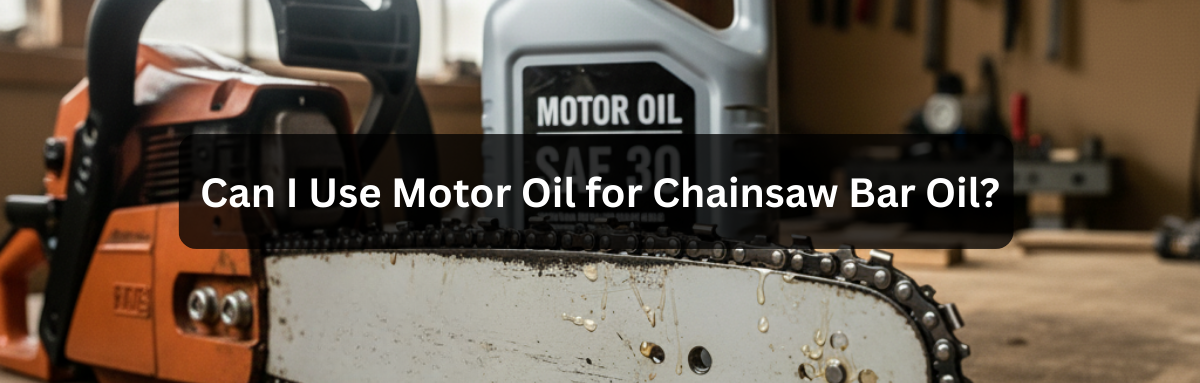
The biggest difference is viscosity—how thick the oil is. Chainsaw bar oil is usually thicker and stickier, made to cling at high speeds. 10W40 is thinner, made for engine parts, not fast-spinning chains. Bar oil also has special tackifiers (additives that make it sticky), while 10W40 does not.
But the differences go deeper. Here are some other key points:
- Additives: Chainsaw bar oil contains tackifiers and anti-wear agents. These help it stay on the chain and resist the washing effect of sap and water. Engine oil uses detergents and dispersants to keep engine parts clean inside a sealed system.
- Flash Point: Bar oil is made to resist burning even at high chain speeds. Engine oil can burn off or smoke at the temperatures reached on a chainsaw bar.
- Residue: Chainsaw bar oil leaves less hard residue behind. Engine oil, especially if it’s used, can leave sticky or burnt deposits that are difficult to clean.
If you put a drop of each oil on your finger and try to stretch it between your thumb and forefinger, you’ll feel the difference right away. Bar oil pulls into a sticky thread, while 10W40 just feels slippery and runs off.

5. Why People Consider Using 10w40
People often ask, “Can I use 10W40 for chainsaw bar oil?” for a few reasons:
- They ran out of bar oil and need a quick fix.
- They want to save money.
- They have extra engine oil lying around.
In emergencies, it’s tempting to use what you have. I’ve tried this on old chainsaws, but there’s more to the story.
Let’s be honest—sometimes you need to get a job done, and you don’t want to drive to the store. This is when people get creative. I’ve seen friends grab everything from old engine oil to hydraulic oil, and even cooking oil, just to finish a few cuts. The logic is simple: “Oil is oil, right?” Sadly, that’s not always true.
There’s also a money-saving idea behind using leftover engine oil, especially if you change your own car oil and have half-empty bottles around. On the surface, it seems like a smart way to save a few bucks. In reality, though, the extra wear and possible repairs can cost more than you save.
6. Manufacturer Recommendations
Most chainsaw makers, like Stihl and Husqvarna, say to use only bar oil. They warn that using engine oil can cause damage and may void your warranty. Chainsaws are designed for a certain oil thickness and stickiness. Using the wrong oil can lead to big repairs.
If you check your chainsaw’s manual, you’ll find that almost every brand, big or small, says the same thing: Use only quality chainsaw bar oil. They spend a lot of money developing and testing the right oil for their machines, and they set up their oil pumps and delivery systems for a specific viscosity. If you use the wrong oil and your saw breaks, you might find that the dealer won’t help you.
I’ve spoken to a few chainsaw mechanics, and they all share stories of people who used engine oil to save a few dollars, only to end up with a seized chain, burned-out bar, or even a failed oil pump. Manufacturers put these warnings in the manual for a reason—they’ve seen the problems that happen with the wrong oil.
7. How 10w40 Performs In A Chainsaw
If you use 10W40 as chainsaw bar oil, you’ll notice it’s much thinner. It may not stay on the chain, especially in hot weather. I’ve watched it fling off quickly, leaving the chain dry. This means more friction, more heat, and faster wear.
In my own experience, I tried 10W40 on a mid-sized saw during a firewood session. At first, it seemed fine—the chain was getting oil, and the saw cut well. But after five or ten minutes, I noticed the chain was running hotter than usual, and there were dry spots on the bar.
I could actually see the oil splattering off in tiny drops, especially when cutting hardwood.
After a dozen cuts, the chain started to stretch and felt rough. The oil tank emptied faster than normal because I had to keep refilling it. By the end, the saw was covered in oily sawdust, and the bar had visible discoloration from heat. This isn’t just my experience—many users report the same thing: okay for a few cuts, but not for long jobs.
8. Short-term Vs Long-term Use
Using 10W40 for a few quick cuts in an emergency is usually okay. But using it all the time is risky. Over time, you’ll see more wear on your bar and chain. You might need to replace them sooner, which costs more money in the end.
In a pinch—say, to finish cutting up a fallen branch or when you’re far from a store—10W40 can get you through. But if you make it a habit, the problems start adding up. The thinner oil means more heat and friction, which slowly eats away at your bar and chain.
You may not notice after a few uses, but after a month or two, you’ll see uneven wear, stretched chains, and duller cuts.
One thing many people miss is that tiny metal particles start to build up inside the bar groove and around the sprocket. This isn’t obvious at first, but over time, it leads to rougher operation and more frequent breakdowns. I’ve seen saws that were only a few months old look like they’d been used hard for years, all because the wrong oil was used regularly.
9. Effects On Bar And Chain Life
Chains need proper lubrication to last. With 10W40, you’ll likely see:
- Faster chain stretch
- More frequent sharpening needed
- Bar rails wearing out sooner
I’ve replaced a few chains that wore out quickly because I tried shortcuts like this.
Let’s break this down:
- Chain stretch: When a chain isn’t properly lubricated, it heats up and the metal expands. This makes the chain stretch out of shape faster, which means you’ll be adjusting it more often and replacing it sooner.
- Sharpening: A dry, hot chain loses its edge faster. You might find that you need to file or sharpen your chain after every job, instead of every few jobs, which takes more time and money.
- Bar wear: The bar rails are the guides on each side of the bar groove. If oil isn’t thick and sticky enough, the chain rubs directly on these rails, causing them to wear down. This can lead to uneven cuts, chain jumping, and eventually, the need for a new bar.
The cost of replacing chains and bars adds up quickly. A good chain can cost $20–$30, and a new bar can be $30–$60 or more, depending on the saw. Saving a few dollars on oil isn’t worth it if you have to buy new parts every season.
10. Lubrication At High Speed
Chainsaws spin their chains very fast—sometimes over 60 feet per second. Bar oil is designed to stick at these speeds. 10W40 is made for slower-moving engine parts, so it can’t keep up. You’ll often see dry spots on the bar after just a few minutes.
At high speed, any oil that isn’t formulated to stay put will quickly be lost. Chainsaw bar oil uses tackifiers to “glue” itself to the chain and bar. This is why, even at full throttle, you’ll often see a thin, shiny coating of oil left behind.
With 10W40, the oil gets thrown off by centrifugal force as soon as the chain ramps up. If you pay attention, you’ll see tiny oil droplets spraying off the tip of the bar. This not only wastes oil but also leaves parts unprotected.
After a few minutes, the chain and bar can start to show blue discoloration from heat—a classic sign of poor lubrication.
11. Lubrication In Cold Weather
In cold weather, 10W40 gets thicker, but not sticky. Chainsaw bar oil comes in special “winter” blends that stay fluid and sticky, even below freezing. 10W40 may flow slowly and fail to reach the chain tips, especially when you first start the saw.
If you’ve ever tried pouring 10W40 from a cold bottle, you know it pours like syrup. Inside your chainsaw, this slow flow means the oil pump has to work harder, and sometimes it can’t deliver enough oil to the chain.
The result? Dry starts, extra wear, and sometimes a seized chain.
Bar oil makers solve this with winter blends. These are formulated to stay fluid down to well below freezing, so you get smooth oil flow from the first pull. Most engine oils aren’t designed for this, and you’ll notice the difference in performance and wear if you cut wood in cold climates.
12. Lubrication In Hot Weather
In hot weather, 10W40 thins out even more. It may drip right off the chain, leaving little protection. Bar oil is designed to stay thick and sticky, even in the heat, to offer full coverage.
On a hot summer day, engine oil like 10W40 can become almost watery. As soon as it hits the moving chain, most of it gets thrown off immediately. This means your saw can run dry within minutes, especially on big jobs like felling or bucking logs.
Bar oil, on the other hand, is designed to resist thinning in hot weather. It keeps its body and clings to the chain, providing a lubricating film even during heavy, non-stop cutting. This is crucial if you’re working in direct sun or on a hot engine.
13. Tackifiers: The Secret Ingredient
Tackifiers are additives that make oil “sticky. ” Chainsaw bar oil is full of them, which keeps the oil on the chain. 10W40 has little or none. This is why you’ll often see oil splattering everywhere when you use engine oil in your chainsaw.
Tackifiers are a game changer. Without them, oil just can’t handle the forces inside a chainsaw. If you want to see this in action, dip your finger in bar oil, then in 10W40, and tap them on a piece of glass or metal.
The bar oil will leave a sticky thread that resists dripping, while the 10W40 will run off almost immediately.
This stickiness is what keeps bar oil where it’s needed, hour after hour. It’s also why you use less bar oil per job compared to engine oil. The oil stays in place, protecting your bar and chain instead of being wasted.
14. Chain Speed And Oil Flung Loss
At high chain speeds, thin oil like 10W40 gets thrown off before it can do its job. Most of it ends up on your boots, not the chain. Bar oil’s stickiness lets it hang on longer, which means less oil used and less mess.
One thing you’ll notice if you use 10W40 for a whole session is the mess. Your boots, pants, and the ground under your saw will be covered in oil. Not only does this waste oil, but it’s also a slipping hazard—especially if you’re working on uneven ground or logs.
Chainsaw bar oil, with its tackifiers, dramatically reduces this flung loss. You’ll see less splatter, and the chain stays lubricated for longer. This isn’t just good for your chainsaw—it’s safer for you, too.

15. Environmental Concerns
Chainsaw bar oil can end up in your yard, garden, or forest. Many brands now offer biodegradable bar oil. 10W40 is petroleum-based and not made to break down quickly. Using engine oil can harm plants and wildlife if used often.
When you use your chainsaw, some of the oil always ends up in the environment. Over time, this can add up to a lot of oil, especially if you cut wood regularly. Petroleum-based engine oil breaks down slowly and can contaminate soil, water, and even plants.
Most chainsaw bar oil makers now offer biodegradable formulas, especially in Europe and environmentally sensitive areas. These oils break down quickly and are much safer if you’re cutting near water, gardens, or forests. Using engine oil, especially used oil, increases the risk of long-term pollution and can even be illegal in some places.
16. Oil Consumption Rate
With 10W40, you’ll use more oil. It doesn’t stick, so you need to refill more often. This means higher costs and more time spent maintaining your saw.
It sounds strange, but using the wrong oil can actually cost you more, not less. Because 10W40 flings off so quickly, you’ll find yourself stopping to refill the oil tank much more often. This slows down your work and eats up any savings you might have had from using cheaper oil.
Plus, the extra oil that gets thrown off doesn’t help your chainsaw—it just makes a mess and wastes money. With proper bar oil, you get more cuts per tank, less mess, and less waste.
17. Smell And Smoke
When I tried 10W40, I noticed a stronger smell and more smoke, especially if the chain was running hot. Engine oils sometimes burn off, creating unpleasant fumes. Bar oil is designed to resist burning, keeping things cleaner.
This is one area where 10W40 is clearly worse. Because it isn’t designed for the high-speed friction on a chainsaw bar, it can vaporize and smoke at the chain’s edge. If you’re cutting for a long time, this means breathing in engine oil fumes, which are unpleasant and potentially unhealthy.
Bar oil, especially newer biodegradable types, burns less and has a milder smell. This is especially important if you’re working in tight spaces, indoors, or around other people.
18. Impact On Air Filter And Engine
Thin oil can splash up and get sucked into your saw’s air filter or even the engine. This can clog the filter and reduce engine life. Bar oil is thicker and less likely to cause these problems.
Chainsaws are designed to keep oil on the bar and chain, not in the air intake. When you use thin oil, it’s more likely to aerosolize (turn into tiny droplets) and get pulled into the air filter. Over time, this can clog the filter, choke the engine, and reduce performance.
A clogged air filter means your saw runs rich (too much fuel, not enough air), which can lead to carbon buildup, poor starts, and more frequent maintenance. With bar oil, this problem is much less common because the oil is heavier and less likely to become airborne.
19. Handling And Safety
10W40 is more slippery and messy. If it gets on your hands or gloves, it’s harder to clean off. Bar oil is sticky but washes off with soap and water. Safety is important: a slippery grip can cause accidents.
I’ve dropped a chainsaw more than once because my gloves got slippery from thin oil. While both oils can be messy, bar oil’s stickiness means it stays on the saw and doesn’t transfer as easily to your hands. Plus, most bar oils are easier to wash off with soap and water, whereas engine oil can leave a greasy residue.
When you’re working with a powerful tool like a chainsaw, a firm grip is essential. If your hands are oily, you’re more likely to slip, which can lead to serious injuries.
20. Oil Availability And Price
10W40 is easy to find at auto stores and usually costs less per liter than bar oil. But because you use more of it, any savings are often lost. Bar oil is available at hardware stores and online, and a little goes a long way.
It’s true that engine oil is sold everywhere, often in big bottles at a lower price per liter than bar oil. But remember, you’ll use bar oil more slowly, and you’ll avoid extra costs from faster chain and bar wear.
Also, most hardware and garden stores now carry bar oil in large jugs, often at a discount. You can even buy “house” brands that are cheaper but still formulated for chainsaws. In the long run, the price difference is small compared to the cost of repairs.
21. Chain Sharpening Frequency
Using the wrong oil means your chain gets dull faster. I found myself sharpening my chain after just a day of using 10W40. With proper bar oil, I can go much longer between sharpening.
When the chain runs dry, the tiny cutting teeth heat up and lose their edge quickly. You’ll notice the saw starts to cut more slowly, grab at the wood, or even smoke during the cut. This means you need to stop and sharpen more often, which slows down your work and wears out the chain faster.
A sharp chain is safer, makes cleaner cuts, and puts less strain on the saw’s motor. Proper lubrication with bar oil helps maintain that sharp edge for much longer.
22. Bar Groove Clogging
Engine oil can attract dust and sawdust, making a sticky paste that clogs the bar groove. This forces the chain to ride higher, causing uneven cuts and more wear. Bar oil is cleaner and less likely to cause clogs.
I’ve opened up chainsaws after a day of using engine oil and found thick, greasy gunk jammed into the bar groove. This buildup makes the chain ride higher, which can lead to poor oil delivery, uneven wear, and sometimes the chain jumping off the bar.
Bar oil, especially modern formulas, is designed to resist this problem. It carries debris away as it’s flung off, keeping the groove clear and the chain running smoothly. Less cleaning means more time cutting and less time scraping out dirty oil paste.
23. Oil Pump Wear
Chainsaws have small oil pumps that move the lubricant to the bar. 10W40 is thinner and can sometimes leak past seals or damage the pump over time. Bar oil is made for these pumps and helps them last longer.
The oil pump is a critical part of your chainsaw. It’s built to handle a certain range of oil thickness. If you use very thin oil, like 10W40, it can sometimes leak through seals or even cause the pump to run dry.
Over time, this leads to wear, leaks, and eventually pump failure.
Replacing an oil pump is not a simple job—it often means a trip to the repair shop and a big bill. Using the right oil keeps the pump working well for years, saving you money and headaches.
24. Oiling System Compatibility
Not all chainsaws can handle thinner oils. Some saws, especially older ones, may leak or fail to oil the bar properly if you use 10W40. Always check your owner’s manual to see what’s safe for your model.
Some older chainsaws were built with looser tolerances and can handle a wider range of oils. Newer saws, however, have smaller, more precise oiling systems. If you use thin oil, it can leak out too quickly or not reach the chain at all.
This is a common problem on lightweight or battery-powered saws, which often have small oil pumps and tanks. Using the wrong oil can lead to under-oiling, dry chains, and rapid wear.
25. Warranty Issues
If you use engine oil instead of bar oil, most brands will not honor the warranty if something goes wrong. They may say you didn’t follow instructions, and you’ll be stuck paying for repairs.
Most chainsaw warranties are very clear: you must use the recommended oil, or the warranty is void. If you bring in a saw with a worn bar or chain and admit you used engine oil, most shops will refuse free repairs.
Keeping your receipts for bar oil is a good idea, especially for new saws. Following the manufacturer’s recommendations gives you peace of mind and saves money if something goes wrong.
26. Impact On Wood Cuts
With 10W40, I noticed my cuts were rougher, especially in dry or hardwood. The chain doesn’t move as smoothly, and you get more vibration. Bar oil helps the chain glide, making cleaner cuts with less effort.
Smooth cuts are safer and look better, especially if you’re preparing lumber or firewood for use indoors. If the chain is under-lubricated, you’ll see tear-out, splintering, and even burn marks on the wood. This makes your work look unprofessional and can even make splitting firewood harder.
Bar oil lets the chain glide over the bar, giving you clean, effortless cuts every time.
27. Oil Staining
Engine oil leaves dark stains on wood, especially softwoods like pine. If you’re cutting lumber for a project, these stains can be hard to remove. Bar oil is usually lighter and less noticeable.
If you plan to use the wood for furniture, building, or crafts, oil stains can ruin the look. These stains are especially hard to sand or wash out, and they can seep deep into the grain. Bar oil is designed to be less visible and wash out more easily.
28. Odor On Wood
Besides stains, 10W40 can leave a strong oil smell on your cut wood. This is a problem for firewood or lumber you plan to use indoors.
The smell of engine oil can linger for months, especially if you’re storing firewood in a garage or basement. This is not just unpleasant—it can be a health concern, especially for people sensitive to petroleum odors. Bar oil, especially biodegradable types, leaves little or no smell.
29. Effect On Sprocket And Nose Bearings
The tip of your chainsaw bar has tiny bearings. If they aren’t well-lubricated, they can seize up. Bar oil is made to protect these parts, while 10W40 may not reach or protect them as well.
The nose sprocket is a weak point in many chainsaws. If it runs dry, it can seize and ruin the bar. Bar oil flows into these tiny spaces and keeps the bearings spinning freely. 10W40, being thinner and less sticky, may miss these spots, leading to early failure.
Replacing a bar tip or sprocket is not cheap, and it usually means buying a whole new bar. Protecting these parts with the right oil saves money and downtime.
30. Cleaning Up After Use
After using 10W40, you’ll notice your chainsaw needs more cleaning. The oil mixes with sawdust to create a greasy mess that’s hard to wipe off. Bar oil is easier to clean, and most modern brands are less sticky when dry.
The cleanup job after using engine oil is not fun. The greasy paste sticks to everything—your saw, gloves, clothes, and even the inside of your storage case. It takes strong degreasers or lots of soap and scrubbing to get things clean.
Bar oil residue is easier to wipe away, and newer formulas are designed to be environmentally friendly and washable.
31. Environmental Laws And Disposal
Some areas have rules about what kind of oil you can use outdoors. Using non-biodegradable engine oil can get you fined, especially in parks or forests. Always check local laws before using alternatives.
Many states and countries now require the use of biodegradable bar oil in public forests, parks, or water protection zones. Using engine oil in these areas can lead to fines or even being banned from using your saw.
If you’re working on public land or near streams and lakes, always use approved bar oil. It’s safer for the environment and keeps you on the right side of the law.
32. Experience With Different Wood Types
I’ve found that 10W40 performs worse on hardwoods like oak or maple. The chain heats up quickly and can even seize. On softwoods, it’s a little better, but you still see faster wear.
Cutting hardwoods puts much more strain on your chainsaw. The chain needs to be sharp and well-lubricated to cut smoothly. With thin oil like 10W40, the chain slows down, heats up, and may even bind in the cut.
On softwoods like pine or spruce, you can sometimes get away with using engine oil for a few cuts, but you’ll still notice extra wear and more frequent chain stretching.
33. Alternatives To 10w40
If you’re out of bar oil, some better alternatives are:
- Vegetable oil (for short-term use; it’s biodegradable)
- Canola oil (flows well in all temperatures)
- Dedicated chainsaw bar oil (always best)
Vegetable oils are less harmful to the environment and provide decent lubrication in an emergency.
In a pinch, vegetable or canola oil works surprisingly well. They’re sticky, flow easily, and are safe for plants and soil. Some pros even use vegetable oil for all their cutting in sensitive areas.
However, vegetable oils can go rancid and may gum up if left in the saw for long periods, so don’t use them as a permanent solution unless you’re ready to clean your saw more often.
34. Seasonal Oil Choices
Bar oil comes in summer and winter blends. Using 10W40 doesn’t give you this flexibility. In cold weather, it can get too thick; in hot, too thin. Always match your oil to the season for best results.
If you cut wood year-round, you’ll notice bar oil bottles marked for summer or winter use. Winter blends flow better in the cold, and summer blends stay thick in the heat. This makes a huge difference in how your saw performs and how much wear you see.
10W40 is a compromise—never quite right for either extreme. You lose the benefits of a custom oil blend, which can lead to trouble in tough conditions.
35. Cost Over Time
While 10W40 might seem cheaper, using more oil and replacing chains and bars more often adds up. Investing in proper bar oil saves you money and hassle in the long run.
It’s tempting to save a few dollars by using engine oil, but the hidden costs add up fast. A new chain, a new bar, or an oil pump repair can each cost more than a year’s supply of bar oil.
Plus, the time you spend fixing problems, sharpening chains, and cleaning up greasy messes is worth something too. In the end, good bar oil is a small investment for peace of mind and reliable performance.
36. User Community Experiences
Many chainsaw users have tried engine oil as a quick fix. Most agree it works in a pinch but isn’t a good long-term solution. I’ve read dozens of forum posts where people shared similar stories—quicker wear, more mess, and sometimes even saw damage.
A common theme in chainsaw forums and Facebook groups is regret—people try engine oil, see problems, and switch back to bar oil. There are a few who claim to use engine oil for years without problems, but these are rare and often involve old or low-powered saws.
The consensus from pros and hobbyists is clear: bar oil is the way to go for long-term chainsaw health.
37. Scientific Studies
Some studies show that engine oils don’t provide the same protection as dedicated bar oils. For example, tests have found that chains run hotter and wear faster when lubricated with thin oils like 10W40. You can find more about oil properties at reputable sources like [Wikipedia](https://en.wikipedia.org/wiki/Motor_oil).
Lab tests using high-speed chains and different oils show clear results. Chainsaws running with proper bar oil have lower temperatures, less wear, and longer service life. Those using engine oil show faster metal loss, higher temperatures, and more frequent failures.
These results aren’t just theory—they’re backed by real-world data and years of field testing.
38. My Personal Recommendation
After years of using chainsaws for firewood, storm cleanup, and even some light milling, I recommend using dedicated chainsaw bar oil whenever possible. For emergencies, 10W40 will work for a few quick cuts, but you should never rely on it for regular use. The risks and extra costs just aren’t worth it.
If you want to avoid frustration, downtime, and expensive repairs, keep a spare jug of bar oil in your garage or truck. If you’re far from a store, use vegetable oil instead of engine oil.
39. Two Non-obvious Insights
First, many people don’t realize that thin oil can cause the oil pump to run dry more quickly, especially on long jobs. Second, using engine oil can increase kickback risk because the chain may grab or stall if it’s not properly lubricated. Both are safety concerns that are easy to miss until it’s too late.
A dry oil pump can quickly ruin your chainsaw, and increased kickback is one of the most dangerous risks you can face. Proper lubrication is about more than just saving money—it’s about keeping you safe.
40. Final Thoughts On Using 10w40
To answer the main question: Yes, you *can* use 10W40 for chainsaw bar oil in an emergency, but it’s not a good idea for regular use. The best option is always proper chainsaw bar oil. It protects your investment, cuts better, and is safer for you and the environment. If you want your chainsaw to last and run smoothly, don’t take shortcuts with oil.
Below is a quick visual comparison to help you see the differences:
| Feature | Chainsaw Bar Oil | 10W40 Engine Oil |
|---|---|---|
| Viscosity (Thickness) | High, sticky | Medium, not sticky |
| Additives | Tackifiers, anti-wear | Engine detergents |
| Cost per liter | Medium | Low |
| Environmental Impact | Biodegradable options | Not biodegradable |
| Warranty Safe | Yes | No |
And here’s how they perform in different conditions:
| Condition | Bar Oil Performance | 10W40 Performance |
|---|---|---|
| Cold Weather | Flows well (winter blend) | Thick, slow to flow |
| Hot Weather | Remains sticky | Thins out, flies off |
| High Chain Speed | Stays on chain | Fling off, dry spots |
Frequently Asked Questions
1. Can I Use 10w40 Engine Oil As A Permanent Replacement For Chainsaw Bar Oil?
No, it’s not a good idea. While 10W40 will work for a few emergency cuts, long-term use can damage your bar, chain, and oil pump. It also increases wear and may void your warranty.
The main reason is that 10W40 simply can’t provide the sticky, long-lasting film that bar oil does. Over time, your chainsaw’s moving parts will suffer, and you’ll spend more time and money fixing issues that could have been avoided.
2. Is Vegetable Oil Better Than 10w40 For Chainsaw Bar Oil?
Yes, in many cases, vegetable oil is a better emergency substitute. It’s biodegradable and has a natural stickiness that helps it stay on the chain. However, it’s still not as good as proper bar oil.
Vegetable oil is commonly used in eco-sensitive areas and by people who want to avoid petroleum products. It works well in the short term and is less likely to harm plants, pets, or soil. Just remember to clean your saw after use, as vegetable oil can gum up if left for long periods.
3. What Happens If I Use The Wrong Oil For My Chainsaw?
Using the wrong oil can cause excessive wear, overheating, and clogging. You might notice your chain stretching, cutting poorly, or even damaging the bar and sprocket. Over time, this leads to higher costs and possible safety risks.
The chain might also seize up, especially during long cuts or in tough wood, and you could experience dangerous kickback or even a broken chain.
4. Does Using 10w40 Make The Chainsaw Smoke More?
Yes, 10W40 can burn off at high temperatures, producing more smoke and smell. Bar oil is designed to resist burning, so you’ll see less smoke and fewer odors when using the right oil.
This is especially noticeable if you’re cutting for long periods or working in hot weather. The extra smoke isn’t just annoying—it can be a sign that your saw is running too hot and at risk of damage.
5. How Often Should I Check My Chainsaw’s Bar Oil Level?
Always check before each use. Running out of oil, even for a few minutes, can damage your chain and bar. If you’re using 10W40, check even more often, as it runs out faster.
A good habit is to check your oil every time you refuel. Chainsaws are designed so that the oil tank and fuel tank run out at about the same time, but with thin oil, you may use oil faster than fuel, leading to dry runs.
—
If you care about your chainsaw’s life and want clean, smooth cuts every time, stick with proper chainsaw bar oil. Save the 10W40 for your car, and your saw will thank you!
As an Amazon Associate, We earn from qualifying purchases