

Can I Use A Cultivator To Aerate My Lawn?
Have you ever looked at your lawn and wondered why the grass isn’t as green and thick as you want? Maybe you’ve seen your neighbor’s yard looking lush, while yours looks tired and patchy. I’ve been there myself. You mow, water, and maybe even fertilize, but somehow, the grass just doesn’t respond. That’s when I started thinking about aeration. And like many people, I wondered: “Can I use a cultivator to aerate my lawn?”
I remember standing in my garage, looking at my old garden cultivator and asking myself if I could skip buying or renting another tool. The idea made sense at first—after all, both tools dig into the soil. But experience, research, and some trial and error taught me there’s more to this story. In this article, I’ll walk you through everything I learned: what aeration really means, how cultivators and aerators differ, the results you can expect, and what’s best for your lawn. Whether you’re new to lawn care or just want a better yard, you’ll find clear answers and practical tips here.
What Is Lawn Aeration And Why Does It Matter?
If you want your lawn to thrive, you must understand aeration. At its core, aeration is the process of making small holes in your lawn’s soil. These holes let air, water, and nutrients reach the roots of the grass. Over time, soil can become compacted—this means it gets pressed down and hard, often from foot traffic, mowing, or even heavy rain. When this happens, roots struggle to grow, and your lawn looks thin or brown.
A well-aerated lawn drains better, handles heat and drought, and grows thicker and greener. I’ve seen lawns transform in just one season after proper aeration. Without it, even the best seed and fertilizer won’t make much difference. Think of aeration as opening windows in a stuffy room—your grass needs to breathe, too.
Let’s go a little deeper. When soil gets compacted, grass roots can’t move as freely. Water starts to pool on the surface instead of soaking in. Fertilizer that you spread just sits on top or runs off into the street, never reaching the roots. Microbes and earthworms, which help break down organic matter and keep soil healthy, can’t move through hard soil. The result: weak grass, more weeds, and a lawn that’s easily stressed by weather.
A lot of homeowners don’t realize how quickly compaction can happen. If you have kids or pets running around, or if you mow with a heavy mower, your soil can get compacted in just a year or two—even if your lawn looks fine on the surface.
And when you add in heavy rain, clay soils, or footpaths, the problem gets worse. That’s why aeration is so important, even if you’re already doing other lawn care basics.
Some people think aeration is only for “problem lawns. ” But even healthy lawns need it from time to time. Aeration helps prevent future problems and keeps your grass roots deep and strong. It’s like giving your lawn a deep breath of fresh air.
Cultivator Vs. Aerator: What’s The Difference?
Let’s clear up the confusion between cultivators and aerators. Both are garden tools that dig into the soil, but they are not the same thing.
| Feature | Cultivator | Aerator |
|---|---|---|
| Primary Use | Mixing and loosening soil for planting | Creating holes to improve air/water flow in lawns |
| Typical Depth | 2–6 inches | 2–4 inches |
| Effect on Grass | May disturb or uproot grass | Designed to protect grass roots |
| Soil Disruption | High, mixes and turns soil | Low, removes plugs or pokes holes |
A cultivator is mainly for gardens and flower beds. It mixes soil, breaks up clumps, and helps prepare for planting. If you use it on a lawn, it often rips up the grass and roots. An aerator is built to poke holes or remove plugs without tearing up the lawn. It’s gentle and focused on root health.
If you want to keep your lawn’s surface smooth, using the right tool makes a big difference. I once tried using a cultivator on a small patch, and let’s just say, it wasn’t pretty. The grass came up in chunks, and I had bare spots for weeks.
Here’s an easy way to remember: a cultivator is like a kitchen mixer, blending everything together. An aerator is like a fork, poking holes so ingredients (air, water, fertilizer) can get inside. They serve different purposes, and using one for the other’s job rarely ends well.
Something beginners often miss: cultivators work well in places where you want to start over, but not where you want to preserve what’s already growing. Aerators are designed to keep your lawn’s surface as undisturbed as possible, making them the better choice for established grass.
Types Of Lawn Aerators: Which One Is Best?
Aerators come in a few main styles. Each has pros and cons. Let’s look at the most common types:
1. Spike Aerators
These tools poke holes in the soil with solid spikes. They’re easy to use and cheap, but sometimes they actually push soil aside, making compaction worse if used too often.
For example, you might see rolling spike aerators that look like a drum with spikes attached. They’re quick, and some people even attach them to their mowers. However, the holes they create are often narrow, and in heavy soils, these spikes can compact the soil around the hole instead of relieving it.
This is why spike aerators are best for light, sandy soils or for quick fixes, not for serious compaction.
2. Plug/core Aerators
These remove small plugs of soil, usually 2–4 inches deep. They’re the best at reducing compaction and are recommended by most lawn experts.
Plug aerators use hollow tines that pull out “cores” of soil, leaving them on the surface. Over time, these plugs break down and feed your lawn. This method creates air spaces deep in the ground and is the gold standard for most lawns, especially clay-heavy ones.
3. Manual Aerators
Hand tools like aerator shoes or forks. They’re fine for small lawns or tight spaces but take a lot of effort for bigger areas.
Manual aerators often have two or four spikes or hollow tubes on the end of a handle. You push them into the ground with your foot. They’re slow but give you control, which is useful for small areas, corners, or places where machines can’t go.
4. Mechanical Aerators
Machine-powered tools, often rented from garden stores. Fast and effective for larger yards, but heavy and sometimes expensive.
These are usually walk-behind machines, similar to lawnmowers in size. They can cover a large area in a short time and pull deeper, wider plugs. If you have more than 2,000 square feet of lawn, using a mechanical aerator saves a lot of time and energy.
| Aerator Type | How It Works | Best For | Common Downside |
|---|---|---|---|
| Spike | Pokes holes with solid tines | Light compaction, small lawns | Can worsen compaction if overused |
| Plug/Core | Removes soil plugs | All lawns, heavy traffic areas | Plugs left on surface, more effort |
| Manual | Hand-pushed or worn | Small spaces, spot treatment | Slow, labor-intensive |
| Mechanical | Motorized, covers large areas | Big lawns, fast results | Cost, size, rental logistics |
From my years working with both small and large lawns, I always see the best results from plug/core aerators. They might leave little dirt plugs on your lawn for a week or so, but your grass will thank you.
One non-obvious insight: If you have a very dense thatch layer (a layer of dead grass and roots above the soil), plug aerators will help break it up as well, making your lawn care even more effective.
What Does A Cultivator Do In The Garden?
A cultivator has a special job. It breaks up and mixes the soil, making it loose and ready for seeds or plants. Cultivators come in hand tools, small electric models, or larger gas-powered machines. Their sharp tines (blades) dig and turn the earth, mixing in compost or fertilizer if needed.
They’re great for:
- Preparing a vegetable garden before planting
- Mixing in soil amendments (like compost or manure)
- Breaking up light weeds before they take hold
- Loosening soil in flower beds to improve root growth
But here’s something beginners often miss: cultivators are not gentle. They don’t create neat holes—they churn everything up. When I first started gardening, I tried using my cultivator to “help” a patchy lawn. The result? A mess of dirt and roots, not a green carpet.
Another detail: cultivators can actually cut up and bury weeds, which is helpful in a garden but terrible for a lawn. Buried weed seeds can sprout, and your grass may not recover well from the disturbance.
Cultivators also tend to go deeper than aerators. In a flower or vegetable bed, this is a good thing. It helps roots find fresh soil and nutrients. But for a lawn, you don’t want to destroy the network of roots that holds grass together.
That’s why using a cultivator on your yard can do more harm than good.
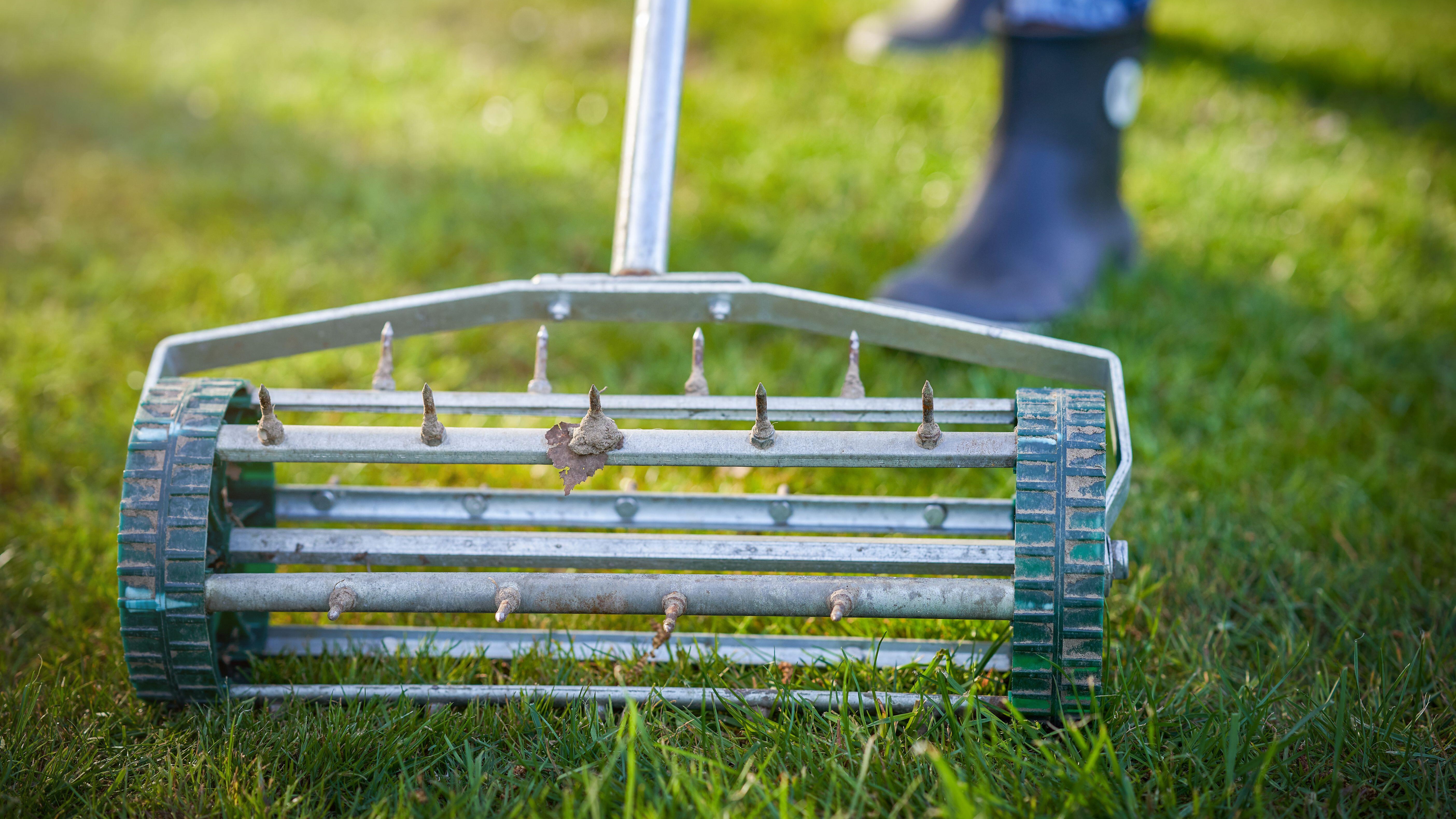
Can You Use A Cultivator To Aerate A Lawn?
Here’s the big question: Is it okay to use a cultivator to aerate your lawn? The short answer is, it’s not the best idea. Let me explain why.
When you use a cultivator on a lawn, it does three things:
- Disturbs the roots. The tines dig deep and rip through grass roots, which can kill or damage your lawn.
- Makes uneven surfaces. Instead of neat holes, you get torn-up patches and uneven ground.
- Misses the point of aeration. Aeration is about letting air reach the roots, not mixing up the whole top layer.
If you use a cultivator, you risk turning your lawn into bare soil, especially if the grass is thin or the soil is wet. I learned this the hard way with my first home. I thought I’d save time and money, but I ended up reseeding the whole area.
There’s a common myth that “any tool that digs can aerate. ” In reality, proper aeration is about making holes while leaving the grass mostly undisturbed.
Some people think using a cultivator “loosens” the soil, so it’s the same as aeration. That’s not true. When you break up all the roots, you interrupt the network grass needs to survive. The soil may be loose, but without roots to hold it together, you get erosion, bare spots, and a bumpy surface.
A less obvious downside: using a cultivator can expose weed seeds that were buried deeper in the soil. Once they reach the surface, sunlight triggers them to grow, and you can have a weed explosion where you least expect it.
When Might A Cultivator Be Useful On A Lawn?
There are a few rare cases where a cultivator could help with your lawn, but only if you know what you’re doing. For example:
- Starting a new lawn from scratch. If your yard is just dirt (no grass yet), a cultivator is perfect for breaking up the soil before seeding.
- Heavy renovation. If you plan to till up an old, dead lawn and start over, a cultivator is needed.
- Mixing topsoil or compost into bare spots. Sometimes, if you have bare patches, you can use a small hand cultivator to work in new soil before reseeding.
But if your goal is to improve an existing lawn, use an aerator, not a cultivator.
Let me give you a practical scenario: If you just bought a house with a neglected backyard and most of the grass is gone, you might want to start over. In that case, use a cultivator to mix in compost, level the ground, and prepare for seeding. But once your new grass is growing, switch to aeration for ongoing care.
Some advanced gardeners use a cultivator to blend sand into clay soils before planting a new lawn. This helps with drainage and prevents compaction in the future. But again, this is before the grass is established—not as part of regular lawn care.
What Happens If You Aerate The Lawn With A Cultivator?
If you’re still tempted to try a cultivator, here’s what to expect:
- Grass will be uprooted. Most grass can’t handle the aggressive action of cultivator tines.
- Soil becomes uneven. You’ll see clumps, grooves, and low spots.
- Bare patches appear. The more you pass the cultivator, the more grass you lose.
- Weeds can take over. Broken soil is prime ground for weed seeds.
I’ve seen lawns take months to recover from this mistake. Sometimes, you have to reseed large areas. It’s much more work and cost than using the right tool the first time.
One thing many people don’t realize: when you disturb the soil with a cultivator, you break up the “thatch” layer (dead roots and stems) that helps protect the soil. Without this, your lawn is more likely to dry out, erode, or develop diseases.
Also, cultivators are heavy and difficult to control on an uneven lawn. You might end up going too deep in some places and not deep enough in others. This creates a bumpy surface that’s hard to mow and uncomfortable to walk on.
Aeration Vs. Cultivation: Understanding The Science
Let’s dig a little deeper into the science. Aeration is about gas exchange—getting oxygen to grass roots and letting carbon dioxide escape. It also helps water soak in, rather than running off. Over time, without aeration, the soil forms a hard “pan” layer that roots can’t penetrate.
Cultivation is about mixing. It’s useful for gardens, where you want to combine fertilizer or compost and break up clumps for planting. But mixing isn’t the same as poking holes. In fact, mixing soil in an established lawn can destroy the delicate ecosystem that keeps grass healthy.
Research from turfgrass scientists backs this up. Plug/core aerators improve root growth and water absorption, while cultivators mostly benefit gardens—not lawns.
Here’s a practical example: Imagine you have a clay lawn. After a few years, the surface becomes so hard that even rainwater puddles up instead of soaking in. Plug aeration breaks through this layer, letting water and fertilizer get down where roots need them. Cultivation, by contrast, would tear up the surface and make it harder to re-establish grass.
A detail beginners miss: Lawns are actually living systems, with layers of roots, soil organisms, and thatch all working together. Aeration keeps this system in balance. Cultivation, unless used for total renovation, destroys it.
The Right Way To Aerate Your Lawn
If you want a healthy, thick lawn, here’s how to aerate the right way:
- Pick the right time. Early fall or spring is best, when grass is growing fast. Avoid hot summer days or winter.
- Water a day before. Moist soil is easier to aerate, but don’t make it muddy.
- Use a plug/core aerator. Rent or buy one if you can. They do the best job.
- Go over the lawn twice, at right angles. This gives full coverage.
- Leave soil plugs on the lawn. They break down in a week or two and feed your grass.
- Fertilize and seed if needed. After aeration is the perfect time to add seed or fertilizer.
I do this every year, and my lawn always comes back thick and green in the spring.
Some extra details that can help: Before you start, mark your sprinkler heads, shallow cables, or any other objects that could be damaged by the aerator. Wear gloves and sturdy shoes, as the machines are heavy and the soil can be slippery.
After aerating, if you’re overseeding (adding new seed), use a spreader for even coverage. Water lightly every day until the new grass sprouts. This combination of aeration, seeding, and feeding is the “secret sauce” for a lush lawn.
What About Using Manual Tools Or Aerator Shoes?
You might see aerator shoes or hand tools for sale. These can work for very small lawns or high-traffic spots, but they are slow and hard to use. The holes are usually too narrow or shallow to help much with heavy compaction.
For most yards, renting a proper plug aerator once a year does a better job.
Aerator shoes, which strap spikes to the bottom of your feet, are popular but often overrated. Most don’t go deep enough, and if your soil is very hard, you’ll just make shallow holes that don’t relieve compaction. Plus, walking with spikes can actually compact the soil around each hole.
Manual core aerators (with hollow tubes) are better, but they take time. They’re perfect for problem spots—like paths where kids or pets run often—or for small lawns where a big machine isn’t practical.
Is Lawn Aeration Always Necessary?
Not all lawns need aeration every year. Here’s how you know if your lawn needs it:
- Heavy foot traffic. Kids, pets, and parties compact soil.
- Clay soil. Clay packs down fast and benefits from aeration.
- Thinning or patchy grass. Often a sign the roots can’t breathe.
- Water puddles. Poor drainage means soil is too tight.
If your lawn is thick, soft, and drains well, you might skip a year. But most people see better grass with yearly aeration.
Another way to test: Push a screwdriver into the soil after a rain. If it slides in easily, your soil is loose enough. If you have to push hard, it’s time to aerate.
Common Mistakes When Aerating (and How To Avoid Them)
I’ve seen a lot of mistakes in my years of lawn care. Here are the most common ones:
- Aerating dry, hard soil. The machine won’t make good holes. Always water first.
- Aerating at the wrong time. Don’t do it in summer heat or when grass is dormant.
- Using the wrong tool. Spike aerators or cultivators often do more harm than good.
- Skipping seeding or feeding. Aeration is the perfect time to overseed or fertilize.
- Not enough coverage. Make sure to go over the whole area, and consider two passes at different angles.
By avoiding these errors, you’ll get the best results from your effort.
Another tip: Don’t mow right before aerating. Leaving the grass a bit longer helps protect the roots and lets the lawn recover faster.
Real-life Examples: Lawn Recovery With Proper Aeration
I’ve helped neighbors and friends turn around sad lawns with simple, proper aeration. One friend had a backyard that was mostly weeds and brown patches. He tried everything—fertilizer, water, even topsoil. Nothing worked.
We rented a plug aerator, did two passes, then spread seed and fertilizer. Within two months, his grass was thick and green. The difference was night and day.
Another time, a neighbor used a cultivator by mistake. His lawn ended up with bare spots and ruts. It took a full season of reseeding and care to fix it.
The lesson? Use the right tool and method for the job.
Here’s another example: A coworker of mine had a small, shady backyard that the kids played on every day. The soil was so hard, they could barely get a shovel in. We used a manual core aerator on the worst spots, then rented a mechanical plug aerator for the rest. The following spring, grass filled in, and mud puddles disappeared.
A detail most people miss: With proper aeration, even lawns that look hopeless can recover if you keep up with watering and feeding. Aeration is the “reset button” your lawn sometimes needs.
How To Choose The Best Aerator For Your Lawn
Here’s what matters when picking an aerator:
- Lawn size. For small lawns, manual tools work. For bigger yards, rent a machine.
- Soil type. Hard or clay soil needs a strong plug aerator.
- Budget. Rentals cost more, but give better results. Manual tools are cheap but slow.
- Physical ability. Aerating is hard work! Get help if needed.
If you’re unsure, ask your local garden center for advice. They often rent aerators and can recommend what works best in your area.
One more thing to consider: the age of your lawn. New lawns can be fragile, so use a lighter manual aerator or wait until the grass is well established (at least one full growing season) before using a heavy machine.
If your property is hilly or has a lot of obstacles, smaller or more maneuverable tools are safer and easier to use.
Can You Aerate Your Lawn Too Much?
Yes, it’s possible to overdo it. Aerating once a year is enough for most lawns. If you have heavy clay or lots of traffic, twice a year is the max. More than that, and you risk damaging roots or drying out the soil.
Too-frequent aeration can also disrupt the soil structure and harm beneficial microbes. Grass roots need time to recover between aerations. For most homeowners, once in early fall or spring is ideal.
A non-obvious insight: If your lawn is very sandy and never gets compacted, you might only need to aerate every few years, or not at all. Aeration is most helpful in heavy, traffic-prone, or clay-rich soils.
Maintenance After Aeration: What To Do Next
After you aerate, your lawn is ready to grow. Here’s what to do:
- Leave the plugs. Don’t rake them up—they break down and feed your lawn.
- Water regularly. Keep the soil moist for a few weeks.
- Fertilize or overseed. Aeration opens space for seed and nutrients.
- Avoid heavy use. Try to keep off the lawn for a week or so if possible.
These steps help your lawn heal and get the most out of aeration.
If you’re reseeding, spread seed evenly and water lightly each day. Don’t let the soil dry out until the new grass is a few inches tall. If you’re fertilizing, use a slow-release blend appropriate for your grass type.
A tip that helps: After aeration, mulch-mow your lawn instead of bagging the clippings. The chopped grass helps break down the plugs and adds nutrients back to the soil.
The Cost Of Lawn Aeration: Diy Vs. Professional
Wondering if you should do it yourself or hire help? Here’s what to consider:
- DIY rental cost: Renting a core aerator usually costs $40–$100 per day.
- Manual tools: About $20–$40 to buy.
- Professional service: $100–$300 for an average yard.
If you have a small lawn and some energy, DIY is cheaper. For large yards or if you can’t do heavy work, pros are worth it.
One thing beginners overlook: Professional aeration services often include overseeding and fertilizing as part of a package. If you’re short on time, this can be a good value.
But if you go DIY, you control exactly when and how you aerate, and you can combine it with other lawn care chores.
Lawn Aeration And Environmental Impact
Aeration isn’t just good for your grass. It also helps the environment. Healthier lawns absorb more rain, reduce runoff, and trap dust and pollen. They also store carbon, helping fight climate change. But over-cultivation or using gas-powered tools too often can harm the soil and increase emissions.
That’s why it’s smart to aerate only as needed, and use manual or electric tools if possible.
A detail that’s often missed: Lawns that are too compacted can’t filter water properly. This means more fertilizer and pesticides end up in storm drains and local waterways. Proper aeration helps your soil act as a natural filter, protecting the environment.
If you want to reduce your carbon footprint, look for electric plug aerators or share/rent tools with neighbors.
Lawn Aeration Schedule: When And How Often?
Most lawns benefit from aeration once a year, usually in early fall or spring. Here’s a simple schedule:
- Cool-season grasses (like fescue or bluegrass): Early fall or spring.
- Warm-season grasses (like Bermuda or zoysia): Late spring or early summer.
Avoid aerating when grass is dormant, or in extreme heat or cold.
If you’re not sure what type of grass you have, ask at a garden center or look for guides online. Cool-season grasses are most common in northern regions, while warm-season grasses are found in the south.
A tip: Aerate right before your lawn’s peak growing season. This way, the grass recovers quickly and fills in the holes.
Other Ways To Improve Lawn Health Besides Aeration
Aeration is just one part of a healthy lawn. You can also:
- Mow at the right height. Don’t cut grass too short. Taller grass shades the soil and encourages deep roots.
- Fertilize as needed. Use the right blend for your grass type and local soil.
- Water deeply, not often. Deep watering encourages roots to grow down, making your lawn more drought-resistant.
- Overseed bare spots. Fill in thin areas after aerating to prevent weeds.
- Reduce soil compaction. Limit heavy traffic and use stepping stones in busy areas.
Other options include topdressing (adding a thin layer of compost after aeration) and dethatching (removing the layer of dead stems if it gets too thick). Both can help your lawn breathe and absorb nutrients better.
What If You Don’t Aerate At All?
If you skip aeration, your lawn may be okay for a few years. But over time, soil compaction gets worse. You’ll see more weeds, water puddling, thin grass, and slower growth. Eventually, even fertilizer and seed stop working. Aeration is a simple way to avoid these problems.
One long-term risk: In compacted soil, grass roots grow close to the surface, making them vulnerable to heat, drought, and disease. Deep, aerated soil encourages roots to grow down, where they’re safer and can find more water.
Can Aeration Help With Lawn Diseases?
Yes, it can. Many lawn diseases start with poor drainage and stressed roots. Aeration improves both, letting your grass recover faster from problems like fungus or root rot. It’s not a cure-all, but it’s a key part of disease prevention.
For example, lawns with poor air flow (compacted soil) are prone to fungal diseases like dollar spot or red thread. Aeration helps dry out the soil surface, making conditions less friendly for disease.
A detail often overlooked: Aeration can also help with pest problems, like grubs, by encouraging healthy root growth and making it easier to spot and treat infestations early.
Aeration Myths You Should Ignore
Let’s bust some common myths:
- Myth: Spike aerators are just as good as plug aerators.
Fact: Plug aerators do a much better job for most lawns.
- Myth: You can aerate any time.
Fact: Timing matters—stick to growing season for best results.
- Myth: Cultivators are fine for aeration.
Fact: They damage lawns and don’t give the benefits of true aeration.
- Myth: Aeration is only for golf courses.
Fact: Every lawn benefits, not just fancy turf.
One more myth: “If my lawn is green, it doesn’t need aeration.” You can’t always see compaction from the surface. It pays to test your soil every few years.
How To Tell If Your Lawn Needs Aeration
Here are some signs your lawn is begging for aeration:
- Water runs off instead of soaking in.
- Grass looks thin, weak, or patchy.
- Soil feels hard when you press a screwdriver into it.
- Heavy traffic from people, pets, or equipment.
- You haven’t aerated in several years.
If you see these, it’s time to act.
A non-obvious sign: If mushrooms or moss start growing, your soil may be compacted and staying too wet on the surface.

My Personal Tips For Better Lawn Aeration
I’ve made mistakes, but I’ve also learned what works. Here are my top tips:
- Mark sprinkler heads. Aerators can break them if you’re not careful!
- Overlap your passes. Better coverage means better results.
- Don’t mow too short before aerating. Leave grass a bit longer to recover faster.
- Choose the right day. Slightly damp, cool weather is perfect.
- Invite a friend. Aerating is hard work—extra hands help.
A bonus tip: Clean your aerator before and after use to prevent spreading weeds or disease from one part of your yard to another.
Pros And Cons: Cultivator Vs. Aerator For Lawns
Here’s a quick summary to help you decide:
| Feature | Cultivator | Aerator |
|---|---|---|
| Removes compaction | Poor | Excellent (plug type) |
| Protects grass | No, damages roots | Yes, minimal disturbance |
| Prepares for planting | Yes (for new lawns) | No |
| Leaves surface smooth | No | Yes |
| Best for | Garden beds, new lawns | Established lawns |
Final Thoughts: Should You Use A Cultivator To Aerate Your Lawn?
After years of working with lawns and testing many tools, my answer is clear: Don’t use a cultivator to aerate your lawn. The damage to grass and uneven soil just isn’t worth it. Instead, use a core or plug aerator at the right time of year. Your lawn will be greener, healthier, and easier to care for. If you want to save money, rent a machine or try a manual tool for small areas.
Remember, the right tool for the job saves time, money, and frustration. Your lawn will thank you for it.
For more in-depth information about aeration methods and scientific studies, you can check resources like the Purdue Turfgrass Science Program.
Frequently Asked Questions
How Often Should I Aerate My Lawn?
Most lawns need aeration once a year. If you have very compacted or clay soil, twice a year (spring and fall) may be helpful. Avoid aerating more than that, or you could stress the grass.
Can I Use A Garden Fork Instead Of An Aerator?
A garden fork can help in very small areas or to treat compacted spots. Push the fork in, wiggle it back and forth, and repeat. For larger lawns, a proper plug aerator is faster and more effective.
Will Aerating My Lawn Make It Look Worse At First?
Yes, right after aeration, you’ll see small dirt plugs on the surface. This is normal. The plugs break down in a week or two, and your lawn will look much better soon after.
Is It Okay To Aerate Right Before Heavy Rain?
It’s best to aerate when soil is damp, not soaked. Heavy rain can wash away seed or fertilizer added after aeration. Wait for a stretch of mild weather for best results.
What’s The Difference Between Aeration And Dethatching?
Aeration makes holes in the soil to let in air and water. Dethatching removes the layer of dead grass (thatch) that builds up on top of soil. Both are important, but they solve different problems.
—
By following the advice in this guide and using the right tools, you can transform your lawn from patchy and tired to lush and green. Don’t let confusion about cultivators and aerators hold you back—your best yard is just one good aeration away.
As an Amazon Associate, We earn from qualifying purchases