
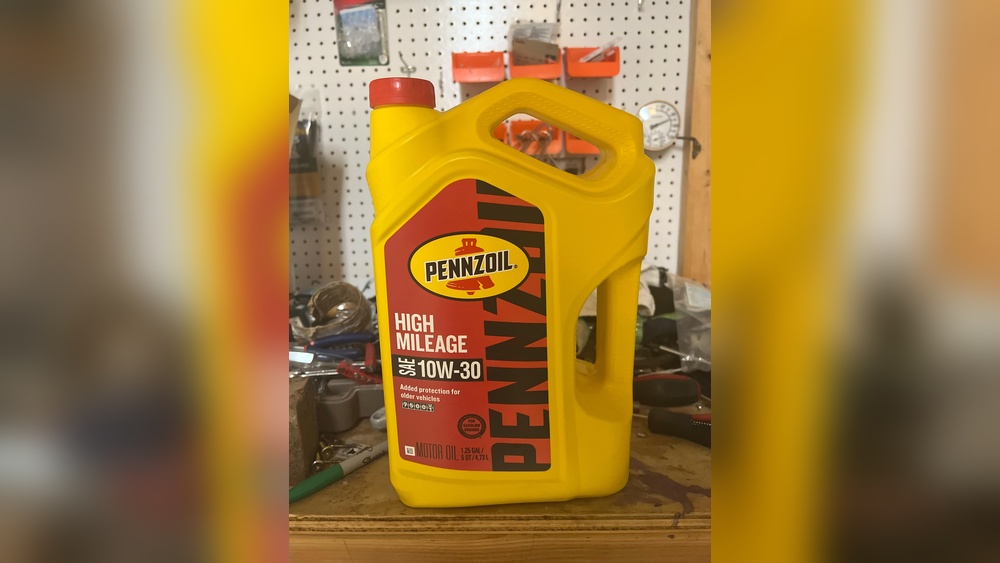
Can I Use Synthetic Oil In My Lawn Mower?
Let’s be honest—most of us don’t spend a lot of time thinking about what oil goes in our lawn mower. We look at the bottle, see “engine oil,” pour it in, and hope for the best. That’s what I did years ago, until my mower started smoking and sputtering halfway through the summer. That’s when I realized: oil isn’t just oil. And when it comes to synthetic oil in a lawn mower, there are a lot of questions, myths, and confusion out there.
I’ve spent years tinkering with small engines—everything from push mowers to riding tractors. I’ve tried different oils, talked with mechanics, and read many manuals. Today, I want to give you a clear answer: Can you use synthetic oil in your lawn mower? And if you do, what should you know? I’ll cover everything, from what synthetic oil is, to its impact on your mower, to real-life stories, and some pitfalls beginners often miss. By the end, you’ll feel confident about the oil you pour into your machine.
What Is Synthetic Oil?
Synthetic oil is not just a fancy version of regular oil. It’s made in laboratories from chemical compounds, not just refined from crude oil. The molecules in synthetic oil are designed to be more uniform, which helps them protect your engine better. They include special additives that help clean the engine, reduce wear, and even improve fuel efficiency.
Traditional (or conventional oil) is made by refining crude oil from the ground. It’s cheaper but has more impurities and can break down faster, especially in extreme temperatures. Think of synthetic oil as the “premium” option—a bit more expensive, but with extra benefits.
You might wonder what these additives in synthetic oil actually do. For example, some additives help prevent corrosion, while others keep sludge from building up inside your engine. These are important, especially for engines that might sit unused for weeks or months at a time—like most lawn mowers.
Synthetic oil is also more stable under stress. When a mower engine gets hot from cutting thick, tall grass on a hot day, synthetic oil keeps protecting moving parts. Conventional oil can start to thin out or break down in those conditions, which means less protection for your engine.
Key Differences Between Synthetic And Conventional Oil
If you’re like me, you want to see the facts side by side. Here’s how synthetic and conventional oils stack up:
| Feature | Synthetic Oil | Conventional Oil |
|---|---|---|
| Origin | Chemically engineered | Refined crude oil |
| Impurities | Very few | More impurities |
| Temperature resistance | Excellent | Fair |
| Engine protection | High | Moderate |
| Price | Higher | Lower |
| Oil change interval | Longer | Shorter |
From my experience, synthetic oil keeps engines cleaner, especially after long use. I’ve seen old mowers with gunky engines run better just by switching to synthetic. One neighbor had a mower that was slow to start and noisy. After switching to synthetic oil and running it for a few weeks, the engine sound smoothed out and starting became easier.
This is because synthetic oil’s detergents gradually removed sludge and improved lubrication.
Another detail: synthetic oil’s resistance to “shear” (breaking down under pressure) is important. Mower engines often run at high RPMs for long periods. Conventional oil tends to thin out faster, but synthetic holds its thickness, so your engine always has a protective layer.
Can You Use Synthetic Oil In A Lawn Mower?
This is the big question. The short answer: Yes, you can use synthetic oil in most lawn mowers—and in many cases, it’s actually better.
Engine makers like Briggs & Stratton, Honda, and Toro have updated their manuals in recent years. They usually say synthetic oil is safe for their engines, as long as it matches the recommended viscosity (like SAE 30, 10W-30, etc.). I’ve checked these manuals myself, and you can find the info on their websites too.
But there’s more to the story. Here’s what you need to know before you grab that bottle off the shelf.
Why Some People Still Hesitate
I’ve had neighbors and friends ask, “Won’t synthetic oil damage the seals or make my engine leak? ” This was a worry years ago, especially with old engines built before synthetic oil was common. But today, most modern mowers are designed to handle synthetic oil just fine.
Problems are rare and usually happen only if you use the wrong type or ignore oil changes.
Some people also believe that synthetic oil is “too slippery” and will cause moving parts to wear out faster. This is a myth. Synthetic oil is actually designed to create a strong film on metal parts, reducing friction and wear.
It will not make parts “slip” or fail.
When Not To Use Synthetic Oil
While synthetic oil works for most mowers, a few exceptions exist:
- Old, worn-out engines: If your mower leaks oil already, synthetic may make leaks worse because it flows more easily.
- Engines under warranty: Always check your manual. Some warranties want you to use a specific oil type.
- 2-stroke engines: These are rare today, but if you have one, use only oil recommended for 2-stroke engines.
Here’s a little-known detail: Some very old mowers (from the 1970s or earlier) were built with seals and gaskets made from rubber compounds that don’t handle synthetic oil well. If you have an antique mower, stick to conventional oil unless the manual says otherwise.
If you’re not sure, look for the oil recommendation sticker on your mower or check the manual. If you can’t find it, call the manufacturer’s helpline. I once called Briggs & Stratton, and they answered in two minutes with the info I needed.
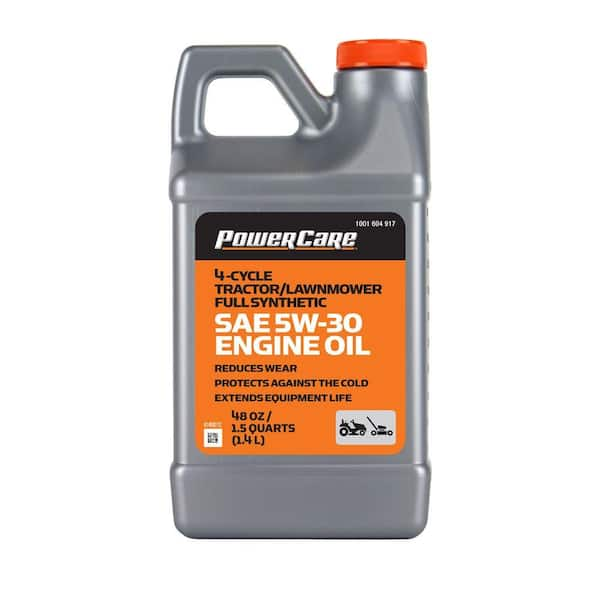
The Benefits Of Synthetic Oil For Lawn Mowers
Let’s talk about the real-world benefits. Over the years, I’ve noticed these clear advantages when using synthetic oil in my mowers:
1. Better Protection In Extreme Temperatures
Synthetic oil keeps its thickness (viscosity) in both hot summers and cool spring mornings. Regular oil can get too thin in heat or too thick in cold, leaving your engine unprotected.
A few years ago, I mowed grass during a heat wave. My mower with synthetic oil ran smooth, while my old backup with regular oil started to smoke. That’s because synthetic oil doesn’t thin out as much when hot, so the engine stays lubricated and cool.
In cold weather, synthetic oil flows much faster, so you avoid “dry starts” where metal parts grind together before the oil circulates.
Imagine you leave your mower in a shed all winter, and the temperature drops below freezing. The next spring, you try to start it. With conventional oil, it can take several seconds for the oil to reach all the moving parts.
That’s when most engine wear happens. Synthetic oil flows almost instantly, even when it’s cold, so your engine gets protection right away.
2. Cleaner Engine
Synthetic oil has detergents that help keep the inside of the engine clean. Less sludge means a longer-lasting mower. I’ve opened up engines after a season and seen a big difference—synthetic oil leaves less gunk.
Sludge is thick, sticky residue that forms when oil breaks down, especially in hot engines. Over time, sludge can block oil passages and cause damage. Synthetic oil is much more resistant to forming sludge. It also suspends dirt and contaminants, so they’re removed when you change the oil.
If you mow in dusty or dirty conditions (think sandy soil or lots of dry leaves), synthetic oil is especially helpful. It keeps those particles from sticking to engine parts and causing wear.
3. Fewer Oil Changes
Because synthetic oil doesn’t break down as fast, you don’t need to change it as often. For busy people (like me), that’s a real plus. Most manuals say you can double the interval, but always check your specific mower’s guidance.
Let’s say your manual says to change conventional oil every 25 hours of use. With synthetic oil, you can often go 50 hours or even a full season. That means less time spent on maintenance and more time enjoying your yard.
One thing to remember: if you run your mower hard (like tall grass, rough terrain, or in hot weather), check your oil more often. Even synthetic oil can get dirty, so keep an eye on it.
4. Easier Starting
Engines with synthetic oil often start easier, especially after sitting all winter. That’s because synthetic oil flows quickly, even when cold, reducing engine wear during those first few seconds.
I’ve noticed this with my own mowers. After switching to synthetic oil, I didn’t have to yank the starter cord as many times. The engine seemed to “catch” faster and run smoother right away. This is especially nice if you have a pull-start mower or an older model.
5. Longer Engine Life
Synthetic oil reduces wear and tear. Over years, this can mean your mower lasts longer, especially if you do regular maintenance. My mowers with synthetic oil have run smoother and needed fewer repairs.
Think of it like this: every time you start your mower, there’s a moment when the oil isn’t fully circulating. Synthetic oil protects better during these moments, so engine parts don’t grind as much. Over the life of your mower, that adds up to less wear.
6. Better Fuel Efficiency
This is something most people don’t notice, but I’ve tracked my fuel use. Synthetic oil’s smoother flow reduces engine drag, so you burn a bit less gas over the season. It’s not a huge savings, but it adds up.
If you mow a large yard, you might notice you can cut the whole area on a little less fuel. Over the years, that can save you the cost of a bottle of oil or two.
7. Improved Performance Under Heavy Loads
This is a detail many people miss. If you regularly mow thick, wet grass or your yard is hilly, your mower engine works harder. Synthetic oil stands up to these tough conditions better than conventional oil. It keeps protecting your engine, even if you accidentally overload it for a few minutes.
8. Less Engine Deposit Build-up
Some areas have “hard” water, and if you wash your mower with tap water, minerals can get inside. Synthetic oil helps prevent these from turning into hard deposits inside your engine. This keeps your mower running efficiently over time.
Are There Downsides To Using Synthetic Oil In Lawn Mowers?
No oil is perfect. Even synthetic oil has a few drawbacks for lawn mower use:
1. Higher Cost
Synthetic oil costs more per bottle—sometimes double. But since you change it less often, the yearly cost isn’t that much higher. Still, for people on a tight budget, this matters.
For example, if conventional oil costs $4 and synthetic costs $8, but you only need one bottle per season, the extra cost is small compared to buying a new mower or paying for repairs.
2. Overkill For Some Mowers
If you have a cheap, older push mower you use once a month, synthetic oil might be more than you need. Conventional oil, changed regularly, is still fine for these machines.
If you’re planning to replace your mower soon or only use it for light trimming, you might not see big benefits from synthetic oil. In these cases, regular oil is cost-effective.
3. Not Fixing Existing Problems
If your mower already burns oil, smokes, or leaks, switching to synthetic won’t fix it. In fact, sometimes synthetic oil shows leaks that regular oil hides, because it flows more easily.
This can surprise people. I’ve heard stories of someone switching to synthetic oil and suddenly seeing oil spots under their mower. The real issue is worn gaskets or seals, not the oil itself.
4. Compatibility Issues (rare)
A few very old engines, or specialty mowers, may not recommend synthetic oil. Always check your manual.
Some specialty engines (like those on some generators or high-performance mowers) require oil with specific additives. Using the wrong oil can void your warranty or cause damage.
5. Potential For Overconfidence
Some people think that because synthetic oil is “better,” they can ignore maintenance. This is not true. Even with synthetic oil, you must check your oil level, change it regularly, and replace filters as needed. Neglect will still damage your engine, no matter how good the oil is.
How To Choose The Right Synthetic Oil For Your Lawn Mower
Choosing oil isn’t just about “synthetic or not.” You need the right viscosity and specifications too. Here’s how I pick the right oil:
1. Check The Manual
This is the golden rule. Your manual will list the recommended oil viscosity, like SAE 30, 10W-30, or 5W-30. Use the exact type listed.
Some manuals even give a temperature chart, showing which oil works best at which temperatures. For example, SAE 30 might be fine above 40°F (4°C), but below that, 10W-30 or 5W-30 may be recommended.
If you lose your manual, most manufacturers post them online. Just search for your mower model and “manual PDF. ”
2. Understand Viscosity Numbers
Viscosity numbers tell you how thick the oil is at different temperatures. For example:
- SAE 30: Good for warm weather, most common for small engines.
- 10W-30: Works in a wider range of temperatures (W means “winter”).
- 5W-30: Best for cold starts and cooler climates.
The “W” stands for “winter,” not “weight. ” Lower numbers before the W mean the oil flows better in cold weather. The number after the W means how thick the oil is when hot.
If you live somewhere with cold winters and hot summers, you might want a multi-viscosity oil like 10W-30. This covers you for the entire mowing season.
3. Look For Small Engine Formulas
Some brands make synthetic oil just for small engines. These often have extra detergents to fight sludge. I’ve used oils from Briggs & Stratton, Honda, and Mobil 1, all with good results.
Small engine oils are designed for engines that often run hot and are air-cooled, unlike most car engines that are water-cooled.
4. Avoid Car-only Oils
Don’t use oil made only for cars. Car engines run differently and have different needs. Use oil marked for small engines or outdoor power equipment.
Car oils often have additives for emissions systems that lawn mowers don’t have. These can cause problems in small engines, like spark plug fouling or carbon deposits.
5. Watch For Api Rating
Look for oils with API (American Petroleum Institute) ratings that match your manual—usually “SJ,” “SL,” or newer.
The API rating is usually on the bottle cap or label. Using an outdated API oil can mean less protection, even if it’s synthetic.
6. Don’t Mix Oil Types
Never mix synthetic and conventional oil in the same engine. If you’re switching, drain the old oil completely first.
Mixing oils won’t cause immediate damage, but it weakens the benefits of synthetic oil. For best results, do a full oil change when switching.
7. Buy The Right Amount
Most push mowers need about 16-20 ounces (0. 5-0. 6 liters) of oil. Riding mowers may need up to 2 quarts (1. 9 liters). Buy enough for a full oil change, plus a little extra for topping off during the season.
8. Consider Additive Packages
Some premium synthetic oils include extra additives for anti-wear, rust protection, or high-temperature stability. These are useful if you mow in tough conditions, like sandy soil, frequent rain, or uneven ground.
How To Change Your Lawn Mower Oil (step-by-step)
If you’re new to changing oil, don’t worry—it’s simple. Here’s how I do it:
What You’ll Need
- Synthetic oil (right type and amount)
- Oil drain pan or container
- Funnel
- Rag or paper towels
- Wrench (if needed)
- New oil filter (if your mower has one)
- Gloves (optional but recommended)
- Small scraper or brush (to clean around the drain area)
Steps
- Run the engine for a few minutes to warm the oil. Warm oil drains better.
- Turn off the engine and disconnect the spark plug wire for safety.
- Place the drain pan under the oil plug or tip the mower on its side (check your manual for which side).
- Remove the oil drain plug or oil fill cap. Let the old oil drain completely.
- Replace the plug and wipe up any spills.
- Pour in new synthetic oil using the funnel. Don’t overfill—use the dipstick to check the level.
- Reconnect the spark plug wire and run the engine for a minute. Check for leaks and recheck the oil level.
Here are a few tips to make the process smoother:
- If your mower doesn’t have a drain plug, you may need to tip it on its side. Make sure the air filter and carburetor are facing up to avoid spills.
- If you spill oil, clean it up right away. Oil can damage grass or attract dirt inside your garage.
- Always recycle your old oil. Many auto parts stores and recycling centers accept used oil for free.
Changing oil is a good time to check your air filter, spark plug, and blade for wear. Doing these tasks together saves time later.

Common Mistakes When Using Synthetic Oil In Lawn Mowers
Over the years, I’ve seen (and made) a few mistakes when switching to synthetic oil. Here are some you can avoid:
1. Using The Wrong Viscosity
This is the most common mistake. Always use the oil weight your manual suggests. Using 10W-30 when SAE 30 is required can cause problems in some engines.
Using oil that’s too thick (high viscosity) can make starting harder, especially in cold weather. Oil that’s too thin can reduce protection in hot conditions.
2. Overfilling The Engine
Too much oil is as bad as too little. It can cause smoke, leaks, or damage. Always check with the dipstick.
If you overfill, drain some oil immediately. Running an engine with too much oil can blow gaskets or cause foaming, which reduces lubrication.
3. Forgetting The Oil Filter
If your mower has an oil filter, change it when you change the oil. Old filters can clog and reduce oil flow.
A clogged filter can starve your engine of oil, causing serious damage. Filters are cheap—replace them at least once a season.
4. Not Changing Oil Often Enough
Synthetic oil lasts longer, but it still gets dirty. Don’t go years without changing it—follow your manual’s interval.
If you mow in dusty areas or cut wet grass often, you may need more frequent changes. Check the oil color: if it’s very dark or gritty, change it.
5. Mixing Oils
Draining out as much old oil as possible is key. Mixing leftover conventional and synthetic oil isn’t harmful, but it reduces the benefits.
If you switch from regular to synthetic, consider changing the oil after the first 5-10 hours to remove any old residue, then stick with synthetic.
6. Ignoring Leaks
If you see oil under your mower after switching to synthetic, check gaskets and seals. Synthetic oil can highlight leaks that were hidden before.
Fix leaks right away. Running low on oil can ruin your engine, and leaking oil can damage your lawn.
7. Not Checking The Oil Level Regularly
Even with synthetic oil, check your oil level every few uses. Small engines can burn oil faster than you think, especially if they’re old or run hot.
8. Using Additives Without Checking Compatibility
Some people add aftermarket oil additives for extra cleaning or anti-wear. Many synthetic oils already include these additives. Doubling up can cause chemical reactions or sludge. Stick to oil recommended by your manual.
Real-world Experiences: What I’ve Learned Using Synthetic Oil
When I switched my first mower to synthetic oil, I was skeptical. Was it worth the higher price? Would my old mower even notice the difference? Here’s what I found:
- My engine ran quieter and started easier.
- After a full season, the oil was still cleaner than regular oil after just a few weeks.
- I didn’t need to top off the oil as often.
- My mower lasted longer without repairs.
I’ve also helped neighbors switch their riding mowers to synthetic. One friend with a big yard used to change his oil every 25 hours. After switching, he pushed that to 50 hours with no issues.
Another neighbor had a mower that was getting hard to start. After changing to synthetic oil (and a new spark plug), the engine started on the first or second pull every time. Over the next year, fuel use dropped a little, and the engine sounded smoother.
One thing I noticed: mowers stored all winter with synthetic oil always started easier in spring. The oil didn’t thicken or settle at the bottom of the engine like conventional oil sometimes does. It’s a small thing, but it saves frustration.

Synthetic Oil For Riding Mowers Vs. Push Mowers
People often ask if synthetic oil is more important for riding mowers than for push mowers. Here’s what I’ve noticed:
- Riding mowers have bigger engines and run longer. They benefit more from the extra protection of synthetic oil.
- Push mowers still see benefits, but if you only mow a small yard, you may not notice as much difference.
Riding mowers often have oil filters, longer run times, and more expensive engines. Synthetic oil helps protect these investments. If you use a riding mower for several hours at a time, synthetic oil’s stability at high temperatures is especially valuable.
For commercial users or people with very large lawns, using synthetic oil in riding mowers is almost a must. Downtime due to engine problems can be costly.
That said, I use synthetic oil in both types. I want my machines to last, and the extra cost is small compared to a new mower.
How Synthetic Oil Affects Emissions And The Environment
Many people don’t realize this, but oil choice impacts the environment. Synthetic oil burns cleaner, so engines release fewer pollutants. This is especially true if you keep up with oil changes.
Also, because synthetic oil lasts longer, you buy fewer bottles each year. That means less plastic waste and fewer oil changes—good for your wallet and the planet.
A detail most people miss: small engines (like lawn mowers) produce more emissions per hour than many cars, because they don’t have advanced emissions controls. Cleaner oil helps reduce this pollution. If you care about your yard and your local air quality, synthetic oil is a small but real improvement.
How Often Should You Change Synthetic Oil In A Lawn Mower?
Most manuals suggest changing conventional oil every 25-50 hours of use or once per season. With synthetic oil, you can often double the interval—up to 100 hours or once a year, whichever comes first.
But here’s my advice: If you mow in dusty conditions, push your mower hard, or notice the oil getting dirty, change it more often. Clean oil is always better than pushing the limit.
For example, I mow about 30 hours per season. I change synthetic oil once a year, at the start of the season. If I had a commercial mower or mowed large properties, I’d check the oil every few weeks and change it at least twice per year.
Remember: oil filters, if your mower has one, should be changed every time you change the oil.
What To Do If You Accidentally Use The Wrong Oil
Mistakes happen. If you pour in the wrong oil (wrong viscosity, wrong type), don’t panic. Here’s what I recommend:
- Drain the oil as soon as possible.
- Refill with the correct oil.
- Run the engine for a few minutes, then check for leaks or odd noises.
In most cases, a short run with the wrong oil won’t damage your mower. Just don’t run it for hours or mow your whole yard before fixing it.
If you used conventional oil instead of synthetic, just switch back at your next oil change. If you used an oil with the wrong viscosity (too thin or too thick), drain it and replace with the correct type. Watch for smoke, noise, or leaks after the change.
If you used car oil by mistake, it’s usually not a disaster if you change it soon. Just don’t make it a habit.
Comparing Popular Synthetic Oils For Lawn Mowers
There are many brands out there, but a few stand out for lawn mower use. Here’s how some of the top choices compare:
| Brand | Recommended For | Viscosity Options | Special Features |
|---|---|---|---|
| Mobil 1 | Both push and riding mowers | 5W-30, 10W-30 | Advanced protection, long drain intervals |
| Briggs & Stratton Synthetic | Small engines, branded mowers | 5W-30, 10W-30 | Designed for air-cooled engines |
| Honda Synthetic | Honda mowers, generators | 10W-30 | OEM approved, high detergent |
| Royal Purple | Performance-focused users | 10W-30 | High wear protection, premium price |
| Castrol EDGE | Various small engines | 5W-30, 10W-30 | Full synthetic, advanced cleaning |
I’ve used Mobil 1 and Briggs & Stratton Synthetic in my own mowers. Both delivered smooth performance and clean engines.
Royal Purple is for those who want the best protection and don’t mind paying a little more. Honda oil is a good choice for Honda mowers, since it’s made to match their engine needs.
If you buy oil at a hardware store, look for labels like “for small engines” or “outdoor power equipment. ” These blends have the right additives and viscosity for lawn mowers.
What The Experts And Manufacturers Say
If you search for guidance, you’ll find that most lawn mower manufacturers now support synthetic oil. For example, Briggs & Stratton’s site says:
> “Synthetic 5W-30 can be used in all temperature ranges. Use of synthetic oil does not alter required oil change intervals. ”
Honda, Toro, and John Deere all say similar things. You can verify this on their official websites or manuals.
For more information, the Wikipedia page on synthetic oil gives a good overview of how synthetic oils are made and why they work so well.
Some dealers even recommend synthetic oil for new mowers, because it provides extra protection during break-in. That said, always follow your manual’s advice during the first few hours of use.
Non-obvious Insights Most Beginners Miss
- Synthetic oil can reveal hidden engine issues. If your mower starts leaking after you switch, don’t blame the oil. The leak was probably there all along—synthetic oil just finds its way out more easily. This is actually helpful, because it lets you fix the problem before it gets worse. It’s better to find a small leak early than to run out of oil and ruin your engine.
- Oil changes are still critical, even with synthetic oil. Many people assume synthetic oil lasts forever. It doesn’t. Dirt, grass, and small engine soot still build up. Stick to a regular change schedule for best results.
- Check the dipstick after the first mow. When you switch to synthetic oil, check the oil level after your first use. Sometimes, synthetic oil can “clean out” old gunk, and the oil level might drop slightly as sludge is removed.
- Synthetic oil can help engines run cooler. This isn’t always obvious, but because synthetic oil reduces friction, some engines actually run a few degrees cooler. This helps prevent overheating, especially during long mowing sessions.
- Don’t use multi-viscosity oil if your manual says single grade. Some older engines specify SAE 30 only. Using 10W-30 could cause increased oil consumption in hot weather.
Myths About Synthetic Oil In Lawn Mowers
Let’s clear up a few myths I hear all the time.
“synthetic Oil Will Ruin My Old Mower”
Not true. As long as your engine is in decent shape and doesn’t have worn-out seals, synthetic oil is safe—even in older mowers. If leaks appear, it’s time for new gaskets, not a reason to avoid synthetic oil.
“you Can’t Switch From Regular To Synthetic Oil”
You can switch at any time. Just drain the old oil first. There’s no special procedure, and you don’t need to flush the engine.
“synthetic Oil Causes Leaks”
Synthetic oil doesn’t create leaks. It’s just better at finding leaks that already exist.
“synthetic Oil Is Only For Expensive Mowers”
Any mower can use synthetic oil, as long as it matches the recommended viscosity. Even basic push mowers benefit from better lubrication.
“synthetic Oil Makes Mowers Run Louder”
Some people think synthetic oil makes engines noisier. In reality, it often makes them quieter, because it reduces friction.
How Synthetic Oil Impacts Lawn Mower Warranties
Some people worry about their warranty. Will using synthetic oil void it? In almost all cases, the answer is no—as long as the oil meets the specs in your manual. If you’re worried, keep receipts for your oil and changes. That way, you can prove you followed the rules if you ever need warranty work.
If your manual says “use SAE 30” and you use synthetic SAE 30, you’re covered. Most manufacturers just want to see that you used the correct viscosity and changed oil at recommended intervals.
Tips For Storing Your Mower With Synthetic Oil
When winter comes, I always store my mower with fresh synthetic oil. Here’s why:
- Old oil contains acids and dirt that can damage the engine if left all winter.
- Synthetic oil protects better during storage, especially if your garage gets cold.
Before putting your mower away, change the oil, run the engine for a minute, then store it in a dry place. Come spring, your engine will thank you.
A few extra tips:
- Fill your gas tank and add fuel stabilizer to prevent rust in the fuel system.
- Remove the spark plug and pour a teaspoon of oil into the cylinder, then pull the starter a few times to coat the walls. This prevents rust.
- Clean under the mower deck to keep moisture and grass from causing rust.
Environmental And Disposal Considerations
Remember, old oil—synthetic or not—should never go in the trash or down the drain. Take it to a recycling center or auto parts store that accepts used oil. Many places take used oil for free.
Also, because synthetic oil lasts longer, you’ll generate less waste over time. That’s a win for everyone.
When you buy oil, check if your store has a recycling program. Some even give a small discount if you bring back your old oil.
If you spill oil on your driveway or grass, clean it up right away. Oil can kill grass and pollute water supplies if it washes into storm drains.
Frequently Asked Questions
What Is The Best Synthetic Oil For Lawn Mowers?
The best synthetic oil depends on your mower and climate. Mobil 1 10W-30 and Briggs & Stratton Synthetic 5W-30 are excellent choices for most mowers. Always check your manual for recommended viscosity. Oils labeled for small engines provide extra detergents and protection.
If you have a Honda mower, consider Honda’s own synthetic oil. For high-performance or commercial mowers, Royal Purple or Castrol EDGE may be worth the investment.
Can I Switch To Synthetic Oil In An Older Lawn Mower?
Yes, you can switch to synthetic oil in most older mowers, as long as the engine is in good condition and doesn’t have bad leaks. Drain the old oil completely before adding synthetic. If you notice new leaks after switching, inspect and replace seals as needed.
If your mower is from the 1960s or earlier, check with a small engine shop before switching.
Do I Need To Change Synthetic Oil As Often As Regular Oil?
Synthetic oil lasts longer and can usually go twice as long between changes compared to regular oil. However, you should still follow your mower’s manual, and change the oil at least once per season or every 50-100 hours of use.
Dirty conditions or heavy use may require more frequent changes.
Will Synthetic Oil Void My Lawn Mower Warranty?
No, using synthetic oil will not void your warranty as long as it meets the manufacturer’s viscosity and specification requirements. Keep receipts and records of oil changes to show you followed the rules.
Can Synthetic Oil Fix A Smoking Or Burning Engine?
No, synthetic oil will not fix mechanical problems like burning oil or smoke. These issues are usually caused by worn rings, valves, or gaskets. While synthetic oil can protect better, it won’t repair existing damage.
Can I Mix Different Brands Of Synthetic Oil?
In an emergency, you can top off with another brand if the viscosity matches. For the best results, try to use the same brand and type for each oil change. Mixing brands isn’t dangerous, but additive packages can differ.
—
Choosing the right oil for your lawn mower isn’t just about following the crowd. It’s about understanding your machine, your climate, and your needs. I’ve seen firsthand how synthetic oil can extend the life of both push and riding mowers, make starting easier, and keep engines running clean. The extra cost is small compared to the benefits—especially if you care about long-term performance.
So, next time you’re in the oil aisle, don’t be afraid to reach for that synthetic bottle. Your mower—and your lawn—will thank you. And if you ever have doubts, remember: the manual is your best friend, and a little maintenance goes a long way. Happy mowing!
As an Amazon Associate, We earn from qualifying purchases