
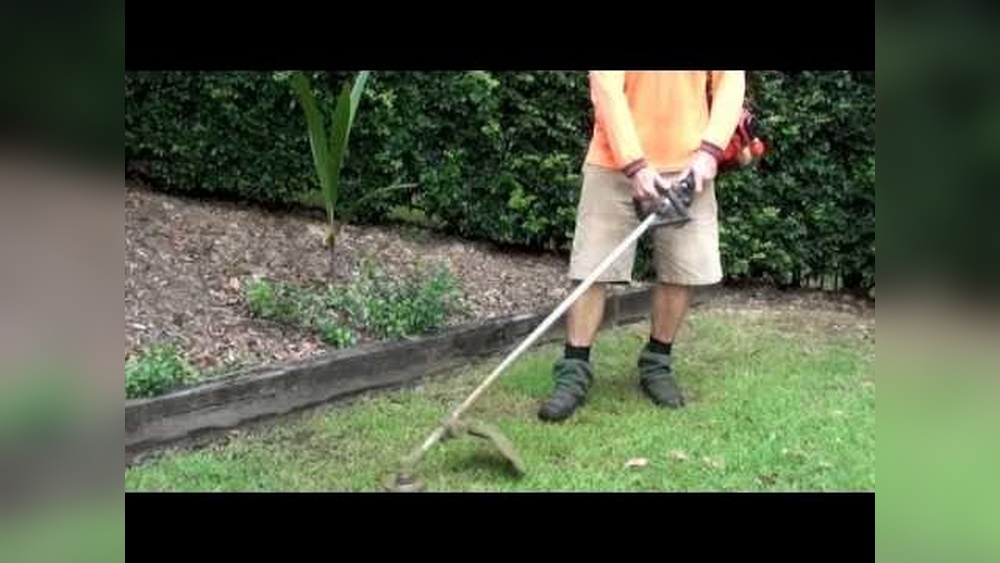
Can I Use A Weed Wacker To Mow My Lawn?
======================================
Have you ever stared at your backyard, weed wacker in hand, and thought, “Can I just use this to mow the whole lawn? ” You’re not alone. I’ve been there too—standing in the middle of thick grass, wondering if I could skip the mower altogether and finish the job with my trusty string trimmer.
Maybe your lawnmower broke down, or maybe you just have a small patch of grass. Whatever the reason, it’s a question worth exploring.
Let’s dive deep into this idea. I’ll share what really happens when you try to mow a lawn with a weed wacker, the pros, the cons, the facts most people miss, and the tricks I’ve learned after years of gardening experiments.
Whether you’re a new homeowner or just want to save time and money, you’ll get clear answers here. And yes—read on for things I wish someone had told me before I tried it myself.
How Does A Weed Wacker Work?
A weed wacker, also called a string trimmer, is a simple but clever tool. It uses a fast-spinning plastic string to cut grass and weeds. When you press the trigger, the motor turns the spool, making the string spin so quickly it slices through plants.
The spinning string doesn’t cut like scissors. Instead, it whips at high speed, creating a clean break in the grass blades or weeds it touches.
The spinning action is what makes the weed wacker so versatile. You can attack grass at odd angles, trim around rocks, or even slice through patches of tough weeds. The flexible nylon string is strong enough to cut most household grass, but soft enough that it won’t cut through hard surfaces (like your sidewalk or fence posts).
Most weed wackers are powered by either gas, electric cord, or rechargeable battery. Gas-powered trimmers are typically more powerful and have longer run time, making them suitable for larger or tougher areas. Electric corded models are quieter and don’t run out of power, but you need to be near an outlet and manage the extension cord. Battery-powered models are lightweight and portable, but their operation time is limited by battery life.
The cutting head is at the end of a long shaft, so you can reach tricky spots. Some models have adjustable shafts or handles for better ergonomics. Unlike a lawnmower, a weed wacker doesn’t have wheels or a cutting blade that covers a wide area.
This means more flexibility, but also more physical effort, especially on larger lawns.
String Trimmer Vs. Lawnmower: Main Differences
This is where things start to matter. Here’s a quick look at how they compare:
| Feature | Weed Wacker | Lawnmower |
|---|---|---|
| Cutting Width | 10–18 inches | 16–22+ inches |
| Cutting Mechanism | Spinning string | Rotating blade |
| Best For | Edges, tight spots, weeds | Large, flat areas |
| Speed | Slow (whole lawn) | Fast |
| Grass Length | Tall/uneven/rough | Short/medium |
You’ll notice: lawnmowers are built for speed and evenness. Weed wackers are for detail work. But that doesn’t mean you *can’t* use a string trimmer for the whole job—it just means you need to know what you’re getting into.
Non-obvious insight: Lawnmowers use suction to lift grass before cutting, which helps ensure a uniform height. Weed wackers do not, so grass blades can bend away from the string, leading to missed spots.
Another thing many people overlook: Lawn mowers can mulch or collect clippings, while weed wackers just leave them scattered. This impacts clean-up and lawn health.
Why Would You Want To Mow With A Weed Wacker?
There are times when using a weed wacker for mowing actually makes sense. I’ve done it myself, and sometimes, it’s the best tool for the job. Let’s look closer at the most common situations:
1. No Lawnmower Available
Maybe your mower broke, or you don’t own one yet. A weed wacker can be a quick fix for small lawns. For example, if you just moved into a new home and haven’t bought a mower, a weed wacker can keep your grass under control until you’re ready.
2. Small Lawns Or Narrow Areas
If your yard is tiny, or full of flowerbeds, a bulky mower is more trouble than help. A string trimmer can get into tight corners and along fences. Think about townhouse yards, narrow side strips, or spaces between trees where a mower can’t reach.
3. Tall Or Overgrown Grass
When grass is too tall for a mower, a weed wacker can clear it before mowing. Sometimes, it’s the only tool that works. After a long vacation, I once came home to knee-high grass—my mower would have choked and stalled, but my trimmer sliced it down to size.
4. Steep Slopes Or Uneven Ground
Lawnmowers struggle on hills and bumps. A weed wacker is light and easy to control in rough spots. For example, if your property borders a ditch or a rocky slope, a weed wacker is much safer and easier to use.
5. Physical Limitations
Some people find mowers heavy or hard to push. A trimmer is lighter and easier to lift. Older adults, or people with back or shoulder issues, sometimes prefer a trimmer for small tasks.
6. Garden Design
Ornamental gardens with winding beds, statues, or water features are difficult to mow. A weed wacker lets you trim grass in artistic shapes or keep wildflower borders looking neat.
But just because you *can* doesn’t always mean you *should*. Let’s look at what really happens.
What Happens When You Try To Mow A Lawn With A Weed Wacker?
I remember the first time I tried this. My mower wouldn’t start, and the grass was getting long. So I grabbed my electric string trimmer and set out to do the whole yard. Here’s what I learned—some of it the hard way.
It’s Slow And Physically Demanding
A weed wacker only cuts a small strip at a time. Even with a wide head, it takes much longer than a mower. Expect to spend two to five times longer, depending on lawn size. For a small 200-square-foot patch, what might take 10 minutes with a mower can take half an hour or more with a trimmer.
You’ll also have to hold the tool the entire time, keep it at the right angle, and move carefully to cover every inch. After 30 minutes, my arms were sore! For large lawns, this is not just tiring—it can be exhausting.
The constant vibration also adds to fatigue, especially if you have a heavier gas-powered model.
Non-obvious insight: People often forget that weed wackers don’t have self-propulsion or wheels. You must support the entire weight and movement, which can be hard on your back and shoulders over time.
The Cut Is Less Even
Mowers have wheels and a flat blade, so they cut grass at a perfect, even height. With a weed wacker, it’s easy to miss spots or cut too low in some places. My first attempt left the yard looking patchy, with some areas almost scalped and others still long.
This unevenness is especially visible a few days later, when the grass grows at different rates. Tall patches will stick out, and short spots may turn brown. If you care about a uniform look, this can be frustrating.
Even with practice, it’s hard to match a mower’s consistency. You may improve over time, but you’ll always have to pay close attention to your technique and keep checking your progress from different angles.
More Grass Clippings
String trimmers don’t collect clippings. You’ll end up with loose grass everywhere, which can smother the lawn if you don’t rake it up. Some people like to leave clippings for mulch, but too much can cause problems.
Large piles of clippings block sunlight and trap moisture, which can lead to yellow patches and even mold. If you have pets, the clippings stick to their fur and paws. On windy days, cuttings can blow onto driveways, patios, or even into your house.
Tip: If you want to reduce mess, mow in the direction of the wind, and use a rake or leaf blower to quickly gather clippings after you finish.
Risk Of Damaging The Lawn
If you hold the trimmer too low, you can scalp the grass and even dig into the soil. This weakens the lawn and invites weeds. I made this mistake near the edges, and it took weeks for the grass to grow back.
Scalping is especially risky near the base of trees or along fences, where it’s hard to judge depth. When the string hits bare soil, it can whip away not just grass but also the top layer of dirt, exposing roots and making it easier for weeds to take hold.
Repeated scalping creates bare patches, which tend to fill with crabgrass, dandelions, or moss. Fixing these spots often requires reseeding and extra care.
Noise And Debris
Weed wackers are loud, especially gas models. They can also kick up stones, sticks, and dirt. Always wear eye protection—once, a pebble hit me in the leg, and it hurt!
Some trimmers are as loud as a chainsaw, especially if they’re running at full power. If you have neighbors close by, this can be a nuisance. Flying debris is a real danger—small stones can chip paint on cars, break windows, or cause injury if you’re not careful.
Extra tip: If you’re working near cars, windows, or other valuables, put up a cardboard shield or plastic tarp to block debris.
Pros And Cons: The Real Tradeoffs
Let’s break down the real benefits and drawbacks. Some are obvious, but others might surprise you.
Pros
- Versatile: Handles grass, weeds, and even brush. You can clear everything from soft grass to tough thistles or even young saplings with the right string or blade.
- Good for Tight Spaces: Reaches where mowers can’t. Under benches, along stone walls, or around shrubs, a string trimmer shines.
- Lightweight: Easier to carry and store. Many models hang on a wall or fit in a closet.
- No Need for Multiple Tools: One device for edges and patches. If you only have a small yard, you might skip buying a mower altogether.
- Quick Setup: No need to check oil, gas, or blades. Just plug in or pop in a battery and go.
- Less Lawn Compaction: Because you’re not rolling heavy wheels over your grass, soil compaction is less of a problem.
Cons
- Uneven Cut: Hard to get a uniform look. Even with practice, it’s tough to match a mower’s smooth finish.
- Slow: Takes much longer than mowing. For anything over 300 square feet, expect to spend triple the time.
- Messy: Grass clippings left everywhere. Clean-up is almost always needed.
- Physical Strain: Can tire your arms and back. Especially true for older adults or people with joint issues.
- Can Damage Grass: Easy to scalp by accident. Repairing bare spots takes time and effort.
- Battery/Gas Limitations: May need recharging or refueling during the job. A single battery often won’t cover more than a small yard.
- Noise and Vibration: Long sessions can cause hand or arm discomfort from vibration.
Insight: One thing beginners miss is how tiring weed wacking gets when cutting for more than 20–30 minutes. Breaks are essential, or you risk fatigue and poor results.
When Is It Ok To Use A Weed Wacker As A Lawn Mower?
From my experience, there are a few cases where using a weed wacker is a solid choice.
- Tiny Lawns: If your grass area is smaller than a bedroom, a trimmer can handle it. Think of urban townhouses or small city yards.
- First Pass on Overgrown Lawns: For grass taller than 6 inches, use the trimmer first, then mow. This prevents mower jams and helps reduce the risk of damaging your mower’s blade or engine.
- Hard-to-Reach Spots: Under bushes, along walls, or in flowerbeds. These are areas where maneuvering a mower is difficult or impossible.
- Broken Lawnmower Emergency: For a weekend or two, it’s a good backup. If your mower is out for repair or you’re waiting on a part, the weed wacker will get you by.
But for a large, flat, or showpiece lawn, you’ll want a mower for the main job. Weed wackers are better as backup or supplemental tools.
Extra example: Many people use a weed wacker for the strip of grass between a sidewalk and a road, or for the edge of a driveway, where a mower just doesn’t fit.
Step-by-step: How To Mow A Lawn With A Weed Wacker
If you decide to try, here’s how to get the best results and protect your lawn and yourself.
1. Check Your Equipment
- Use a fresh string—old string breaks more easily. If your string is fraying or too short, it won’t cut well and will slow you down.
- Fully charge batteries or have extra gas. For battery models, keep a spare battery on hand if possible.
- Wear eye protection, gloves, and closed shoes. Long sleeves and pants help protect your skin from flying debris.
- Inspect the safety guard on your trimmer. Make sure it’s not cracked or loose.
- If your trimmer has adjustable speeds, set it to medium or high for thick grass.
2. Mow In Rows
- Start at one end and walk slowly in a straight line. Pick a landmark at the far end to help you stay straight.
- Overlap each pass by a few inches to avoid missing spots. Imagine you’re painting the lawn with the trimmer.
- Try to keep the trimmer head flat and at the same height. Practice holding it steady—don’t swing it up and down.
- For very uneven lawns, you may need to go over some spots twice.
3. Watch Your Angle
- Hold the trimmer parallel to the ground for an even cut. If your lawn is sloped, adjust your stance so the string stays level.
- Avoid tilting the head, which can scalp the grass. If you’re tired, take a break instead of lowering your arms.
- Move your body, not just your arms. This reduces fatigue and helps keep a consistent cut.
4. Take Breaks
- Rest your arms every 10–15 minutes. Shake out your hands to reduce vibration fatigue.
- Stay hydrated, especially in hot weather. Sweating makes it harder to grip the tool and can lead to mistakes.
- Stretch your back and shoulders during breaks to avoid soreness later.
5. Clean Up
- Rake or blow grass clippings if they pile up. Pay special attention to piles near the base of trees or fences.
- Check for missed patches and trim as needed. Walk around the yard from different angles to spot tall grass you might have missed.
- Consider using a leaf blower to clear clippings from sidewalks and driveways.
6. Maintain Your Trimmer
- Clean the head and shaft after use. Grass and dirt build up quickly.
- Replace string often for best cutting. Don’t wait for it to get too short—replace or advance the line as soon as cutting slows.
- If your trimmer allows, lubricate moving parts every few uses.
Extra tip: If you have a battery trimmer, store batteries indoors when not in use to extend their life.

Tips For A Better Result
Over the years, I’ve picked up some tricks that make this job easier and the results better.
- Use Heavy-Duty String: Thicker string (0.080”+) cuts faster and lasts longer. For tough or wet grass, a twisted or serrated line works even better.
- Go Slow: Fast swinging leaves uneven cuts. A steady pace works best. Picture yourself “painting” the grass at a consistent speed.
- Cut in Two Passes: For tall grass, do a high first cut, then a lower one. This prevents overload and reduces mess.
- Trim When Dry: Wet grass sticks and clumps. If you must trim wet grass, clean the trimmer head often.
- Alternate Directions: Each time you mow, change direction for a more even look. One time north-south, next time east-west.
- Edge Last: Save the edges and details for the end. This way, any missed grass can be cleaned up as you finish.
- Use Both Hands: For better balance, hold the trimmer with two hands, keeping elbows slightly bent.
- Check String Length Frequently: Short string cuts poorly and increases vibration.
Non-obvious tip: If you have allergies, wear a mask. Weed wackers throw pollen, dust, and mold spores into the air.
Common Mistakes (and How To Avoid Them)
I’ve made plenty of mistakes, and I see beginners make these all the time.
1. Cutting Too Low
Scalping kills grass and exposes dirt. Keep the head at least 2 inches above the soil. If you’re unsure, practice on a small area and check the result before continuing.
2. Missing Spots
It’s easy to overlook areas. Work in rows and double-check your lines. Walk around the yard when you finish to spot uneven patches.
3. Not Wearing Protection
Trimmers can toss debris. Always wear safety glasses. Sunglasses are not enough—get wraparound or rated eye protection.
4. Ignoring The String
Old, thin string means poor cutting. Replace it before it’s too short. Most trimmers have a line indicator—use it.
5. Overworking The Motor
Forcing the trimmer through thick grass can burn out the motor. Take it slow. If the motor bogs down, back off and take lighter passes.
6. Letting Grass Get Too Tall
If you wait too long, mowing with a trimmer gets much harder and messier. Regular trimming is easier on both you and your equipment.
7. Overlapping Too Much
Overlapping passes by too much wastes time and energy. Aim for a small overlap—just enough to avoid lines.
8. Ignoring Vibration
Long sessions can cause hand-arm vibration syndrome over time. Take breaks and wear padded gloves if possible.
How Does The Finished Lawn Compare?
Let’s be honest—your lawn won’t look as perfect as with a good mower. But with practice, you can get a decent cut, especially on small or rough lawns.
Here’s how the finish usually compares:
| Feature | Weed Wacker Finish | Lawnmower Finish |
|---|---|---|
| Height Evenness | Fair to uneven | Very even |
| Appearance | Acceptable, patchy | Professional, neat |
| Clipping Cleanup | More needed | Often less needed (with bagger) |
| Time Spent | 2–5x longer | Faster |
| Effort | High (arms/shoulders) | Medium (walking/pushing) |
If you care most about a neat, striped, uniform lawn, stick to the mower. But if you just want the grass short, a weed wacker can do the job in a pinch.
Extra detail: If you have uneven ground or obstacles, a weed wacker can actually look better than a mower, because you can trim right up to rocks or walls.
Safety Tips: Don’t Skip These!
Safety can’t be overstated. I’ve seen people get hurt by skipping simple steps.
- Wear Eye and Ear Protection: Flying debris is common. Earplugs help reduce long-term hearing loss.
- Avoid Loose Clothing: It can catch on the spinning head. Tie back long hair.
- Watch for Stones and Sticks: Clear the area first. Even small pebbles can become dangerous projectiles.
- Don’t Overreach: Keep both feet on the ground. If you need to reach under a bush, squat or kneel—never lean in.
- Keep Kids and Pets Away: Trimmers can throw debris far. Ask others to stay inside or well clear of the work area.
- Stop to Check Equipment: If you hear strange noises or feel vibration, stop and check. A loose head or broken guard can cause injury.
- Be Careful Near Windows and Cars: Face the trimmer away from glass and vehicles.
- Store Safely: After use, let the trimmer cool down (if gas-powered) and store it out of children’s reach.
Non-obvious tip: If you have metal fencing, be aware that the string can catch on it and break quickly, sometimes whipping fragments toward you.

How To Choose The Right Weed Wacker For Mowing
If you plan to do this often, not all trimmers are equal. Here’s what matters:
- Power Source
- Cordless (battery): Quiet, easy to start, but limited run time. Great for small to medium yards, but you might need extra batteries for larger spaces.
- Corded electric: No refueling, but you need a long cord. Best for small, nearby lawns with easy access to outlets.
- Gas: Most powerful, but heavy and noisy. Good for large, tough jobs, but requires fuel mixing and regular maintenance.
- Cutting Width
- Wider heads (14–18”) cover ground faster. For mowing, wider is better—narrow heads are best for detail work only.
- String Type
- Thicker, twisted string lasts longer and cuts cleaner. Serrated or star-shaped strings can handle tougher grass and weeds.
- Weight and Balance
- Lighter models are easier on your arms. Adjustable handles and shafts make a big difference for comfort.
- Handle Design
- Look for adjustable, padded handles for comfort. Some models have a secondary handle for better control.
- Variable Speed Control
- Lets you slow down near delicate areas. Some trimmers have a “turbo” mode for thick grass.
- Shaft Type
- Straight shafts are better for reaching under bushes and hedges; curved shafts are lighter and easier for detail work.
- Head Adjustment
- Some trimmers let you rotate the head for edging. Useful if you want clean edges along driveways or flowerbeds.
Non-obvious consideration: Check for vibration-dampening features. Long mowing sessions are much easier on your hands with these.
Comparing Weed Wacker Types For Lawn Mowing
Here’s a side-by-side look at the three main types:
| Type | Pros | Cons | Best Use |
|---|---|---|---|
| Gas | Powerful, works anywhere | Loud, needs fuel, heavy | Large, tough lawns |
| Corded Electric | Light, unlimited run time | Needs outlet, limited range | Small, nearby lawns |
| Battery (Cordless) | Quiet, portable | Limited battery, less power | Small to medium lawns |
Practical example: If your yard is 100 feet from the nearest outlet, a corded trimmer isn’t practical unless you have a heavy-duty extension cord. For rural or off-grid homes, gas or battery models are best.
Environmental Considerations
Mowing with a weed wacker uses more energy per square foot than a mower. Gas models create more pollution and noise. Electric trimmers are cleaner, but may need recharging or access to power.
If you care about your carbon footprint, choose a battery or corded trimmer, and mow only as needed. For best results, trim regularly so you don’t need to run the tool for as long each session.
Non-obvious fact: Gas trimmers often emit more smog-causing pollutants per hour than modern cars, according to the EPA. For those who want to reduce air and noise pollution, a battery-powered model is the best option.
A bonus for electric trimmers: They can be recharged using solar power if you have panels at home.
Maintenance Differences: Weed Wacker Vs. Lawnmower
One thing I like about string trimmers is the simple upkeep. But there are differences you should know.
- Weed Wacker:
- Replace string often (every 1–2 uses for big jobs, or when trimming rough ground)
- Clean head after each use to prevent clogging
- Sharpen if using a metal blade (rare for home lawns)
- Charge or refuel as needed
- Check for loose guards or handles
- Lawnmower:
- Sharpen blade a few times a season for a clean cut
- Change oil (for gas models) every season or after set hours
- Clean deck to prevent grass buildup and rust
- Check wheels and height adjustment for even cutting
- Clean or replace air filter (gas models)
- Winterize before storage if not used year-round
Practical note: Weed wackers need more frequent, but simpler, maintenance. Lawnmowers take more effort to service, but less often.
Long-term Effects On Your Lawn
This is something most guides skip. Over time, mowing with a string trimmer can change your lawn.
Thinning Grass
If you scalp or cut unevenly, grass may thin out. Bare spots invite weeds and moss. The grass can’t photosynthesize as well, and the soil dries out faster.
Weeds And Bare Patches
Trimmers can rip out roots, not just cut blades. This leaves soil open for weeds. Over a season or two, you may see more dandelions, crabgrass, or clover invading your lawn.
Soil Compaction
Weed wackers are light, so they don’t compact soil the way a heavy mower can. That’s one small plus. Compacted soil is harder for grass roots to grow in, so using a trimmer can help in some cases.
Resilience
A lawn regularly mowed with a trimmer may adapt, but it’s usually less lush and uniform than one cut with a mower. If you’re aiming for a golf-course look, trimmers won’t get you there.
Extra detail: If you only use a trimmer, consider overseeding each fall to keep the grass thick and healthy.
Cost Comparison
If you’re thinking about saving money, here’s how the costs usually stack up:
- Weed Wacker:
- $30–$250+ (one-time cost for most homeowners)
- String: $10–$30/year if used for mowing
- Electric/gas: Fuel or charging cost (generally low for small lawns)
- Occasional repairs (switches, batteries, or spools)
- Lawnmower:
- $80–$600+ (push mower; riding mowers are much more)
- Blade sharpening: $10–$20/year
- Gas/oil or electric cost
- Bag/replacement parts
- More storage space required
If you already own a weed wacker, using it saves money short-term. But for larger lawns, the time and effort cost add up.
Non-obvious cost: If your trimmer breaks from heavy mowing use, repair costs can quickly cancel out any initial savings. Most string trimmers aren’t built for continuous use over large areas.
Real-world Examples: What People Actually Do
I’ve talked to dozens of homeowners and gardeners. Here’s what they say:
- Urban Apartment Dwellers: Use a trimmer for tiny patches or balcony grass. A mower doesn’t make sense for these spaces.
- Vacation Homes: Some keep only a trimmer for rare visits. It’s easier to store and maintain for occasional use.
- Gardeners with Complex Yards: Use a mower for main areas, trimmer for edges and odd spots. This combination gives the best finish with the least effort.
- Budget-Conscious: Stick with a trimmer to avoid buying two tools. They accept that the look won’t be perfect, but the savings matter more.
- DIYers: People who enjoy yard work often experiment with both, using the trimmer for creative shapes or patterns.
But almost everyone with a medium or large lawn eventually gets a mower for the main job.
Insight: Many people who start with a trimmer eventually switch to a mower for speed and ease, but keep the trimmer for detail work.
Alternatives If You Don’t Have A Mower
Let’s say your mower breaks, and you don’t want to use a string trimmer for the whole job. Here are some options:
- Manual Reel Mower: Cheap, silent, and eco-friendly. Great for small lawns. These are push-powered and cut cleanly but struggle with tall grass.
- Scythe or Grass Shears: Old-school, but works for small or wild areas. Scythes are surprisingly effective for long, rough grass.
- Hire a Service: A pro can mow for you. Good for emergencies or if you’re traveling.
- Borrow or Rent: Neighbors or rental shops often have mowers. Many hardware stores rent mowers by the hour or day.
- Let It Grow Wild: Turn part of your yard into a wildflower patch. This supports pollinators and reduces maintenance.
- Goats or Chickens: Some rural homeowners use animals for grazing and trimming.
Myths And Misconceptions
A lot of people believe things that aren’t true about mowing with a weed wacker. Let’s clear them up.
- Myth: “A weed wacker is just as good as a mower.”
*Fact:* It’s not as even or fast, but works for emergencies or very small yards.
- Myth: “You’ll ruin your lawn if you use a trimmer.”
*Fact:* Occasional use is fine, but regular use can cause uneven growth and more weeds.
- Myth: “All trimmers are the same.”
*Fact:* Power, string type, and width vary a lot. The right tool makes a big difference.
- Myth: “It’s faster than mowing.”
*Fact:* It’s almost always slower, except for tiny or extremely awkward spaces.
- Myth: “Trimmers are only for edges.”
*Fact:* They can mow, but with limitations.
- Myth: “You can’t get a good-looking lawn with a trimmer.”
*Fact:* With skill and patience, you can achieve an acceptable look for small or irregular lawns.
Expert Recommendations
Based on my years of trial and error, here’s what I recommend:
- Use a weed wacker for mowing only as a backup or for small spaces. Don’t rely on it for your main tool.
- For regular lawn care, invest in a good mower. Your time, effort, and lawn health will thank you.
- If you must use a trimmer, go slow, keep the head level, and use heavy-duty string.
- Alternate your mowing tools to avoid thinning or scalping the grass.
- Always wear proper protection—safety first.
- Oversee your lawn each fall if you use a trimmer for mowing, to keep it thick and healthy.
- For complex or hilly yards, a combination of tools gives the best results.
Non-obvious recommendation: If you’re considering using only a trimmer for the long term, practice your technique on a hidden part of the yard first. It’s much easier to fix mistakes where nobody can see them.

Resources For More Information
If you want to read more about lawn care tools, check out [Wikipedia’s String Trimmer Page](https://en.wikipedia.org/wiki/String_trimmer) for in-depth details.
Frequently Asked Questions
Can A Weed Wacker Completely Replace A Lawnmower?
No, a weed wacker can’t fully replace a mower for most lawns. While it can cut grass, it’s slower, less even, and more tiring for larger areas. For tiny lawns or emergencies, it works, but for regular use, a mower is still the best tool.
How Do I Avoid Scalping The Lawn With A Weed Wacker?
Hold the trimmer head parallel to the ground and keep it at least 2 inches above the soil. Go slow and use a steady sweeping motion. Practice on a small section until you get a feel for the right height.
Is It Safe To Mow A Lawn With A Weed Wacker?
It’s safe if you take precautions: wear eye and ear protection, clear the area of stones, and keep bystanders away. Always follow the manufacturer’s guidelines for your trimmer.
Will Mowing With A Weed Wacker Damage My Grass?
Occasional mowing is fine, but regular use can lead to uneven cuts, thin patches, and more weeds. Lawns cut with a trimmer tend to look less uniform over time.
What Kind Of String Is Best For Mowing Grass?
Choose a thicker, twisted nylon string (0.080” or more) for grass mowing. It lasts longer and cuts more cleanly, especially in thick or wet grass.
—
Mowing your lawn with a weed wacker is possible, and sometimes it’s the best option for small, tricky, or overgrown areas. But if you want a beautiful, even, and healthy lawn, nothing beats a proper mower. Use your trimmer as a backup or for details, and you’ll get the best of both worlds.
With the right know-how and some patience, you can keep your grass looking tidy—whatever tools you have on hand.
As an Amazon Associate, We earn from qualifying purchases